Pantothenic Acid 

Pantothenic Acid

Pantothenic acid, commonly known as vitamin B5, is a water-soluble vitamin and is a part of the vitamin B-complex. It is one of the 8 vitamins that helps convert carbohydrates into glucose, which is needed by every cell in the body. Vitamin B5 is critical for maintenance of healthy nervous system, skin, liver, hair, and eyes.

Benefits of Pantothenic Acid

An extensive body of high quality research shows the benefits of vitamin B5. This includes:

Helps Fight Stress

Prolonged stress whether a result of physical, emotional or mental factors, can lead to elevation in the stress hormone cortisol, a decline in immune function, and disruption in the delicate balance of bacteria in the gut. According to research, it appears that vitamin B5 allow individuals to sustain an adaptive response and reduce some of the harmful effects of stress.[1] 

Lowers Risk for Cardiovascular Disease

In one study, daily supplementation of 600 mg Pantethine, a derivative of vitamin B5, in patients with low to moderate cardiovascular disease risk for 16 weeks resulted in a significant reduction in triglycerides and low density lipoprotein (bad cholesterol).[2] The results of the study are noteworthy as prior studies have shown that, for each 1 mg/dL (0.026 mmol/L) reduction in low density lipoprotein, there is a concomitant 1% reduction in overall future cardiovascular disease risk.[3]

Maintains Healthy Liver Function

The liver has high concentrations of Acetyl coenzyme A (CoA) which helps the body to get rid of toxic substances, thus aiding in proper liver function.[4] Interestingly, adequate amounts of vitamin B5 are necessary to produce  CoA.[5]

Helps Prevent Hair Loss

In a double-blind placebo-controlled clinical study, vitamin B5 supplementation in patients with retarded hair loss resulted in improvements in hair quality.[6] In another study panthenol, an alcohol analog of vitamin B5, significantly increased the diameter of scalp hair fibers and hair suppleness, and decreased the prevalence of hair fall.[7]

Treats Respiratory Problems

In a clinical case study of a 40-year old male with cold, nasal congestion and rhinorrhea (build-up of mucus fluid in the nasal cavity), oral infusion of 1 ml vitamin B5 was able to cure all of the symptoms by the end of the 10-minute treatment.[8]

Maintains Healthy Nerve Function

Vitamin B5 helps produce acetylcholine, the primary chemical that allows your nervous system to transmit signals back and forth to your organs.[9] Without enough vitamin B5, nerve damage and problems with movement can develop.

Helps Control the Body’s Stress Response

Vitamin B5 plays a role in regulating the function of the adrenal glands and producing the stress hormone cortisol.[10] Studies have shown that pantothenic acid supplementation enhances the ability of the adrenal cells to produce cortisol.[11]  

Accelerates Wound Healing

Recent studies suggest that pantothenic acid induces an accelerating effect of the normal healing process by improving cellular multiplication after injury.[12]

Helps Fight Acne

In a recent study, vitamin B5 supplementation in patients with acne resulted in significant reduction in acne outbreaks.[13]

References:

  1. Kelly GS. Nutritional and botanical interventions to assist with the adaptation to stress. Altern Med Rev. 1999;4(4):249-65.
  2. Rumberger JA, Napolitano J, Azumano I, Kamiya T, Evans M. Pantethine, a derivative of vitamin B(5) used as a nutritional supplement, favorably alters low-density lipoprotein cholesterol metabolism in low- to moderate-cardiovascular risk North American subjects: a triple-blinded placebo and diet-controlled investigation. Nutr Res. 2011;31(8):608-15.
  3. Cardiovascular Diseases: New Insights for the Healthcare Professional: 2012 Edition. ScholarlyEditions. 10 December 2012. pp. 184–. ISBN 978-1-4649-7076-4.
  4. Zhang YM, Chohnan S, Virga KG, et al. Chemical knockout of pantothenate kinase reveals the metabolic and genetic program responsible for hepatic coenzyme A homeostasis. Chem Biol. 2007;14(3):291-302.
  5. Cristina Sabliov; Hongda Chen; Rickey Yada (7 July 2015). Nanotechnology and Functional Foods: Effective Delivery of Bioactive Ingredients. John Wiley & Sons. pp. 19–. ISBN 978-1-118-46220-1.
  6. Petri H, Pierchalla P, Tronnier H. [The efficacy of drug therapy in structural lesions of the hair and in diffuse effluvium–comparative double blind study]. Schweiz Rundsch Med Prax. 1990;79(47):1457-62.
  7. Davis MG, Thomas JH, Van de velde S, et al. A novel cosmetic approach to treat thinning hair. Br J Dermatol. 2011;165 Suppl 3:24-30.
  8. Gaby AR. Intravenous nutrient therapy: the “Myers’ cocktail”. Altern Med Rev. 2002;7(5):389-403.
  9. Rivera-Calimlim L, Hartley D, Osterhout D. Effects of ethanol and pantothenic acid on brain acetylcholine synthesis. British Journal of Pharmacology. 1988;95(1):77-82.
  10. George F. M. Ball (15 April 2008). Vitamins: Their Role in the Human Body. John Wiley & Sons. pp. 329–. ISBN 978-1-4051-4810-8.
  11. Jaroenporn S, Yamamoto T, Itabashi A, et al. Effects of pantothenic acid supplementation on adrenal steroid secretion from male rats. Biol Pharm Bull. 2008;31(6):1205-8.
  12. Aprahamian M, Dentinger A, Stock-damgé C, Kouassi JC, Grenier JF. Effects of supplemental pantothenic acid on wound healing: experimental study in rabbit. Am J Clin Nutr. 1985;41(3):578-89.
  13. Yang M, Moclair B, Hatcher V, et al. A randomized, double-blind, placebo-controlled study of a novel pantothenic Acid-based dietary supplement in subjects with mild to moderate facial acne. Dermatol Ther (Heidelb). 2014;4(1):93-101.

Panax Ginseng 

Panax Ginseng

Panax ginseng, also known as Asian ginseng or Korean ginseng, has been used for centuries in traditional Chinese medicine because of its potent medicinal properties. It is considered as an adaptogenic herb, which means it helps the body combat physical and mental stress. In addition, Panax ginseng exhibits anti-fatigue and anti-aging properties. It is available in many health food stores as supplements.

Benefits of Panax Ginseng

Strong scientific evidence supports the following proven health benefits of taking Panax ginseng:

Improved Mood and Stress Relief

Taking Panax ginseng can help stabilize mood and fight stress. According to a study conducted at the Brain Performance and Nutrition Research Center in the United Kingdom, volunteers who took 200 mg and 400 mg of Panax ginseng for 8 days experienced a significant improvement in calmness and mental arithmetic during the treatment.[1]  

Improved Cognitive Function

Panax ginseng can help prevent cognitive decline by stimulating brain cells. Evidence shows that taking Panax ginseng powder at 4.5 grams per day for 12 weeks improved the cognitive performance of AD patients.[2] All of the patients performed better in a series of cognitive tests and had better scores on the Alzheimer’s Disease Assessment Scale Cognitive Behavior Section (ADAS-cog) after the treatment.

Increased Libido

Many menopausal women experience impairment of sexual function and loss of interest in sex. Recent reports have suggested that Korean red ginseng has a relaxing effect on the muscles of women’s genitals. When researchers administered three capsules of ginseng (1 gram per capsule) in 32 menopausal women, a significant improvement in sexual arousal was observed compared to placebo.[3]  

Improved Blood Sugar Levels

A study conducted at Human Cognitive Neuroscience Unit in the United Kingdom found that Panax ginseng has blood sugar-lowering effect.[4] Healthy young patients took either Panax ginseng extract or a placebo and 30 minutes later a drink containing glucose (sugar) or placebo. After one hour, researchers observed that Panax ginseng caused a reduction in blood sugar levels when ingested without glucose, confirming the ability of Panax ginseng to regulate blood sugar levels.

Cancer Prevention

Evidence suggests that Panax ginseng has the ability to suppress the growth and reproduction of various tumors and malignant cells just like how chemotherapeutic drugs work.[5] The anti-cancer property of Panax ginseng is associated with its ability to suppress inflammation and induce programmed cell death (apoptosis) in cancer cells.

Strong Immune System

Panax ginseng has been extensively reported to boost the immune function and resistance to illness through the regulation of immune system. One study found that Panax ginseng regulate various types of immune cells including natural killer cells, dendritic cells, macrophages, T cells, and B cells – all of which helps fight infection and disease-causing microorganisms.[6]

Healthy Heart

Research suggests that ginsenosides, the major active constituents of Panax ginseng, can help prevent heart diseases by protecting against damaging free radicals, improving lipid profiles, and increasing blood circulation to the heart.[7]  

References:

  1. Reay JL, Scholey AB, Kennedy DO. Panax ginseng (G115) improves aspects of working memory performance and subjective ratings of calmness in healthy young adults. Hum Psychopharmacol. 2010;25(6):462-71.
  2. Lee ST, Chu K, Sim JY, Heo JH, Kim M. Panax ginseng enhances cognitive performance in Alzheimer disease. Alzheimer Dis Assoc Disord. 2008;22(3):222-6.
  3. Oh KJ, Chae MJ, Lee HS, Hong HD, Park K. Effects of Korean red ginseng on sexual arousal in menopausal women: placebo-controlled, double-blind crossover clinical study. J Sex Med. 2010;7(4 Pt 1):1469-77.
  4. Reay JL, Kennedy DO, Scholey AB. Effects of Panax ginseng, consumed with and without glucose, on blood glucose levels and cognitive performance during sustained ‘mentally demanding’ tasks. J Psychopharmacol (Oxford). 2006;20(6):771-81.
  5. Helms S. Cancer prevention and therapeutics: Panax ginseng. Altern Med Rev. 2004;9(3):259-74.
  6. Kang S, Min H. Ginseng, the “Immunity Boost”: The Effects of Panax ginseng on Immune System. Journal of Ginseng Research. 2012;36(4):354-368. doi:10.5142/jgr.2012.36.4.354.
  7. Kim JH. Cardiovascular Diseases and Panax ginseng: A Review on Molecular Mechanisms and Medical Applications. J Ginseng Res. 2012;36(1):16-26.

PABA (Para-aminobenzoic acid)

PABA (Para-aminobenzoic acid)

PABA or para-aminobenzoic acid is a non-protein amino acid that occurs abundantly in nature. It is known by several other names like vitamin Bx, 4-aminobenzoic acid, aminobenzoate potassium, bacterial vitamin H1, vitamin B10, and ethyl dihydroxypropyl aminobenzoate. As part of the coenzyme tetrahydrofolic acid, PABA aids in metabolism of amino acids and helps boost the formation of red blood cells.[1] In addition, PABA supports the production of folic acid by the intestinal bacteria and aids in the absorption of pantothenic acid.

Benefits of PABA

Although PABA is not recognized as a true vitamin, it still offers a wide array of health benefits:

Prevents Anemia

Since anemia is marked by a deficiency of red blood cells, the ability of PABA to boost the production of these cells can help prevent the development of anemia and can improve symptoms associated with this condition.

Treats Infectious Diseases

PABA has antibacterial properties which can help treat various infections. Studies have shown that oral supplementation of PABA in patients with fatal bacterial infections such as Rocky Mountain spotted fever[2] and scrub typhus[3] decreased the severity of the disease and incidence of deaths.

Maintains Healthy Pregnancy

Having adequate levels of folic acid during pregnancy is important to prevent any birth defects. Since PABA is an essential precursor of folic acid[4] and helps in its production, PABA supplementation can therefore be beneficial for both the mother and the fetus.

Protects Skin from the Sun’s Ultraviolet Radiation

Prolonged exposure to the sun’s UV rays can cause erythema (redness) and burns. Interestingly, one study found that PABA protects against erythema induced by exposure to UV light when administered topically at 5% or 10% in 70% ethanol, or at 10% in mineral oil.[5]

Maintains a Healthy Gut

PABA can help regulate the delicate balance of the bacterial flora within the gastro-intestinal tract. In fact, one study found that patients with constipation who took 100 mg of PABA tablets three to five times a day experienced relief in symptoms.[6]

Detoxifies the Body

Hippuric acid (white crystalline nitrogenous acid) is usually formed in the liver as a detoxification product of benzoic acid. Interestingly, one study found that PABA supplementation significantly decreased the formation of hippuric acid in patients who had liver function test.[7] This result clearly suggests that PABA may actually aid in the body’s natural detoxification process.

References:

  1. Neil S. Sadick; Mary Lupo; Diane S. Berson; Zoe Diana Draelos (25 March 2010). Cosmeceutical Science in Clinical Practice. CRC Press. pp. 58–. ISBN 978-1-84184-745-0.
  2. Ross S, Mclendon PA, Davis HJ. Para-aminobenzoic acid in the treatment of Rocky Mountain spotted fever; a report of its use in 17 cases. Pediatrics. 1948;2(3):163-74.
  3. Tierney NA. Effect of para-aminobenzoic acid in tsutsugamushi disease. J Am Med Assoc. 1946;131:280-5.
  4. Riedlinger J, Reicke A, Zähner H, et al. Abyssomicins, inhibitors of the para-aminobenzoic acid pathway produced by the marine Verrucosispora strain AB-18-032. J Antibiot. 2004;57(4):271-9.
  5. Peters et al, Agents & Actions (1977) 7:545 53.
  6. Available at https://www.google.com/patents/US2403473. Accessed February 18, 2017.
  7. Salassa RM, Bollman JL, Dry TJ. The effect of para-aminobenzoic acid on the metabolism and excretion of salicylate. J Lab Clin Med. 1948;33(11):1393-1401.

Oat Fiber Powder

Oat Fiber Powder

Oat fiber, also known as roughage, is a soluble fiber extracted from oat hulls. It’s basically the digestive part of oat hulls, which is almost white and has a powdery consistency. Oat fiber has pure dietary fiber, with no calories, no fat and no net carbohydrates. Consuming oat fiber is a great way to boost your digestive function and improve your overall health.

Benefits of Oat Fiber

Oat fiber has lots of proven health benefits than any other dietary fiber. Among them are the following:

Lower Risk for Heart Ailments

Studies show that in patients with high cholesterol, consuming just 3 grams of oat fiber per day is enough to reduce total cholesterol levels by 8-23%.[1] This effect is highly significant since each 1% drop in blood levels of cholesterol is equivalent to a 2% decrease in the risk of developing heart disease.[2]

Cancer Prevention

According to a research published in Britain and the Netherlands that covered nearly 2 million participants, researchers found that those who added 10 grams of fiber in their diet (mainly from whole grains and oats) reduced their risk for colorectal cancer by 10%.[3]

Healthy Cholesterol Levels

The soluble fiber beta-glucan, which has blood cholesterol-lowering effect, is present in high concentrations in oat fiber. When patients with high cholesterol levels were put on a diet containing an oat extract for 5 weeks, a beneficial reduction in cholesterol levels was observed.[4] The researchers concluded that this significant dose response is due to beta-glucan concentration in the oat extract.

Improved Blood Sugar Levels

Beta-glucan in oat fiber can help lower high blood sugar levels, making it beneficial for diabetics. In one study, participants who included oat cereal products in their diet experienced a significant reduction in their blood sugar levels and an improved response to the effects of insulin.[5]

Weight Loss

Consuming oat fiber can help boost your weight loss efforts. One study found that the beta-glucan in oat fiber can help increase feeling of fullness, thereby controlling your food intake.[6] In addition, evidence suggests that the high fiber content in oats can help people who want to lose weight. According to studies, higher fiber intake is associated with weight loss.[7]

Healthy Gut

The gut is home to trillions of good and bad bacteria. Consuming oat fiber can help maintain a healthy gut by restoring the delicate balance of bacteria. Evidence suggests that consuming 60 grams of oatmeal porridge daily for 1 week can help increase the growth of good bacteria in the digestive tract.[8] This in turn improves digestion and prevents the overgrowth of bad bacteria in the gut.

Lower Risk for Stroke

Stroke is one of the major causes of death worldwide. Studies suggest that in order to prevent its progression, it is recommended to consume higher amounts of oats, fish, fruits, cereals and whole grain rice.[9]

References:

  1. Anderson JW. Whole grains and coronary heart disease: the whole kernel of truth. Am J Clin Nutr. 2004 Dec;80(6):1459-60. 2004. PMID:15585755.
  2. Bazzano LA, He J, Ogden LG, Loria CM, Whelton PK. Dietary fiber intake and reduced risk of coronary heart disease in US men and women: the National Health and Nutrition Examination Survey I Epidemiologic Follow-up Study. Arch Intern Med. 2003 Sep 8;163(16):1897-904. 2003.
  3. Paddock, C. (2011, November 11). “Fibre, Whole Grains, Linked To Lower Colorectal Cancer Risk.” Medical News Today. Retrieved from http://www.medicalnewstoday.com/articles/237492.php.
  4. Behall KM, Scholfield DJ, Hallfrisch J. Effect of beta-glucan level in oat fiber extracts on blood lipids in men and women. J Am Coll Nutr. 1997;16(1):46-51.
  5. Alminger M, Eklund-jonsson C. Whole-grain cereal products based on a high-fibre barley or oat genotype lower post-prandial glucose and insulin responses in healthy humans. Eur J Nutr. 2008;47(6):294-300.
  6. Rebello CJ, Chu YF, Johnson WD, et al. The role of meal viscosity and oat β-glucan characteristics in human appetite control: a randomized crossover trial. Nutr J. 2014;13:49.
  7. Slavin JL. Dietary fiber and body weight. Nutrition. 2005;21(3):411-8.
  8. Valeur J, Puaschitz NG, Midtvedt T, Berstad A. Oatmeal porridge: impact on microflora-associated characteristics in healthy subjects. Br J Nutr. 2016;115(1):62-7.
  9. Petrović G. [Risk factors for development of cerebrovascular stroke]. Med Pregl. 2000;53(3-4):207-14.

Mushroom Complex

Mushroom Complex Consisting of

Shiitake powder (fruit tops), Reishi powder (fruit tops) and Maitake powder (mycelial biomass)
Mushrooms are not technically plants because they do not undergo photosynthesis. They are actually classified as fungi and although they are not vegetables, they provide several essential nutrients critical for human health. In fact, mushrooms contain some of the most potent natural medicines for a wide array of health conditions.

Genemedics Nutrition’s mushroom complex is consists of three well-known health-enhancing mushroom species:

Shiitake: A popular culinary mushroom used in different dishes around the world. This mushroom contains a potent anti-tumor complex carbohydrate known as lentinan.[1]

Reishi: Also known as “”Mushroom of Immortality”, so-called because it has immense health benefits including normalization of blood pressure and cholesterol levels, prevention of inflammatory disorders, and more!

Maitake: Also known as “King of Mushrooms” because of its large size. It has anti-cancer and antibacterial properties.

Benefits of Mushroom Complex

Mushrooms are not only nutritious but they also possess extensive medicinal properties that can help boost your overall health.

Prevents Various Types of Cancers

Most of the clinical evidence for the antitumor activity of shiitake, reishi and maitake mushrooms come from the complex carbohydrates they contain. Lentinan, krestin, and schizophyllan from these mushrooms can prevent the progression of various cancers by inhibiting cell growth and reproduction.[2-3]

Strengthens the Immune System

One study revealed that reishi mushroom supplementation at 5.4 grams per day for 12 weeks in patients with colorectal cancer increased the activity of the immune system cells including white blood cells (WBCs) and natural killer cells. These cells play a major role in fighting various infections and disease-causing foreign bodies.[4]

Lowers High Blood Sugar

Reishi has been recognized as a medicinal mushroom for over 2000 years.[5] Today, several research shows that one of reishi’s important clinical indications is in the treatment of high blood sugar levels. In one study, diabetic patients who took Ganopoly (an extract from reishi) at a dose of 1800 mg three times daily for 12 weeks, experienced a significant reduction in the mean HbA1c (a measure of blood sugar) from 8.4 at baseline to 7.6% at 12 weeks.[6]

Improves Symptoms and Clinical Markers of Heart Disease

Studies suggest that reishi can help treat symptoms of heart disease and lower its risk by improving various clinical parameters associated with this condition. In a randomized, multicentered study designed to evaluate the clinical effects and safety of the reishi extract Ganopoly in patients with coronary heart disease (CHD), researchers found a significant improvement in the core symptoms of CHD (chest pain, palpitation, difficulty of breathing), and in various parameters such as heart rhythm, blood pressure and cholesterol levels after 12 weeks of treatment.[7]

Helps Lose Weight

In a preliminary clinical study, researchers found that overweight patients who took maitake tablets equal to 200 grams of fresh maitake daily for two months experienced an average weight loss of 7-13 pounds without any adverse side effects.[8]  

References:

  1. Chihara G, Hamuro J, Maeda Y, Arai Y, Fukuoka F. Fractionation and purification of the polysaccharides with marked antitumor activity, especially lentinan, from Lentinus edodes (Berk.) Sing. (an edible mushroom). Cancer Res. 1970;30(11):2776-81.
  2. Wasser SP. Medicinal mushrooms as a source of antitumor and immunomodulating polysaccharides. Appl Microbiol Biotechnol. 2002;60(3):258-74.
  3. Wasser SP, Weis AL. Therapeutic effects of substances occurring in higher Basidiomycetes mushrooms: a modern perspective. Crit Rev Immunol. 1999;19(1):65-96.
  4. Chen X, Hu ZP, Yang XX, et al. Monitoring of immune responses to a herbal immuno-modulator in patients with advanced colorectal cancer. Int Immunopharmacol. 2006;6(3):499-508.
  5. Wasser S. P, Coates P, Blackman M, Cragg G, Levine M, Moss J, White J. Encyclopedia of Dietary Supplements. New York: Marcel Dekker; 2005. Reishi or Lingzhi (Ganoderma lucidum) pp. 680–90.
  6. Wachtel-Galor S, Yuen J, Buswell JA, et al. Ganoderma lucidum (Lingzhi or Reishi): A Medicinal Mushroom. In: Benzie IFF, Wachtel-Galor S, editors. Herbal Medicine: Biomolecular and Clinical Aspects. 2nd edition. Boca Raton (FL): CRC Press/Taylor & Francis; 2011. Chapter 9.
  7. Gao, Y, Lan, J, Dai, X, YE, J and Zhou, S 2004, ‘A phase I/II study of Ling Zhi mushroom Ganoderma lucidum (W.Curt.:Fr.) Lloyd (Aphyllophoromycetideae) extract in patients with type II Diabetes Mellitus’, International Journal of Medicinal Mushrooms, vol. 6, no. 1, pp. 33-39.
  8. Yokota M. Observatory trial of anti-obesity activity of maitake mushroom (Grifola frondosa). Anshin July 1992;202-203.

Molybdenum (amino acid chelate)

Molybdenum (amino acid chelate)

Molybdenum is essential in trace amounts not only for human health, but also in plants and animals. Molybdenum serves mainly as an essential cofactor of various enzymes and helps facilitate fat and carbohydrate metabolism. As the human body needs only very small amounts of molybdenum, deficiencies in this mineral are rare.

Benefits of Molybdenum

Molybdenum plays a major role in a wide array of important biochemical processes including waste processing, development of a healthy nervous system, and energy production. Among the many benefits of molybdenum, the following are the most crucial for human health:

Prevents Esophageal Cancer

Esophageal cancer is a disease in which malignant cells form in the muscular tube that connects the throat to the stomach (esophagus). Interestingly, one study revealed that residents in Linxian, China with esophageal cancer have lower levels of molybdenum in their blood compared to healthy relatives.[1-2] Researchers found out that the soil in  Linxian is low in molybdenum; therefore, dietary molybdenum intake of the residents is also low.

Increases Life Expectancy

Research suggests that adequate amounts of molybdenum in the blood are linked with longevity. One study found a significant correlation between the ratio of people over 90 years old per 100,000 inhabitants and molybdenum in soils, drinking water and rice.[3] Another study also reported that the percentage of people aged 80 years and older was positively linked to the content of molybdenum in their staple food.[4]

Helps Treat and Prevent Candida Albicans Infection

Candida albicans are opportunistic fungi in the form of yeast that can cause oral and vaginal infections. In order to grow, Candida albicans feed on sugars in your digestive system. When it processes these, it releases a toxin called acetaldehyde which has detrimental effects on your brain and other body systems. Molybdenum helps the body convert acetaldehyde into acetic acid so that it can be naturally excreted from the body.[5]

Helps Treat Body Pain

Research suggests that molybdenum is a potent pain reliever. In one study, people who took 500 micrograms of molybdenum as amino acid chelate per day for 28 days experienced improvement in pain symptoms and general health.[6]   

Prevents Anemia

Anemia is a condition characterized by a lack of healthy red blood cells (RBCs). Normally, your body needs iron in order to fuel the production of new RBCs. Molybdenum may help prevent anemia and boost the production of RBCs by helping mobilize iron.[7]

Maintains Healthy Teeth

Molybdenum has been associated with reduced prevalence of tooth decay. One study found that molybdenum prevents degradation of the tooth enamel, resulting in less cavities and other signs of tooth decay.[8]

References:

  1. Nouri M, Chalian H, Bahman A, et al. Nail molybdenum and zinc contents in populations with low and moderate incidence of esophageal cancer. Arch Iran Med. 2008;11(4):392-396.
  2. Ray SS, Das D, Ghosh T, Ghosh AK. The levels of zinc and molybdenum in hair and food grain in areas of high and low incidence of esophageal cancer: a comparative study. Glob J Health Sci. 2012;4(4):168-175.
  3. Huang B, Zhao Y, Sun W, et al. Relationships between distributions of longevous population and trace elements in the agricultural ecosystem of Rugao County, Jiangsu, China. Environ Geochem Health. 2009;31(3):379-390.
  4. Lv J, Wang W, Krafft T, Li Y, Zhang F, Yuan F. Effects of several environmental factors on longevity and health of the human population of Zhongxiang, Hubei, China. Biol Trace Elem Res. 2011;143(2):702-716.
  5. Available at: http://www.arthritistrustweb.us/wp-content/uploads/2013/03/Molybdenum-for-Candida-albicans-Patients. Accessed February 13, 2017.
  6. Moss M. Effects of Molybdenum on Pain and General Health: A Pilot Study. Journal Of Nutritional & Environmental Medicine Vol. 5, Iss. 1,1995.
  7. Seelig MS. Review: relationships of copper and molybdenum to iron metabolism. Am J Clin Nutr. 1972;25(10):1022-37.
  8. Davies BE, Anderson RJ. The epidemiology of dental caries in relation to environmental trace elements. Experientia. 1987;43(1):87-92.

Milk Thistle

Milk Thistle

Silybum marianum, more commonly known as milk thistle or blessed milk thistle, is a flowering herb naturally found in the Mediterranean region of Europe and certain parts of Asia. The herb has been propagated around the world due to its culinary and medicinal uses, and although culinary uses of the herb usually involve the stem and leaves, herbal extracts are usually made from the ripe seeds. Milk thistle is commonly found in many health food stores where it is sold as a liver and blood cleansing supplement.

Benefits of Milk Thistle

Strong scientific evidence supports the many health benefits of milk thistle. Among them are the following:

Fights Cancer

The active ingredient of milk thistle is a chemical alternatively known as silibinin or silymarin. This compound has been shown to have powerful antioxidant and anti-cancer benefits, with studies on the extract showing that it is effective in preventing the development of liver cancer cells.[1]  

Treats Acne

A single-blind placebo controlled study conducted in patients with acne found that silymarin from milk thistle appears to reduce acne breakouts.[2] According to the study, patients who took silymarin supplements at a dose of 210 mg per day for at least 8 weeks experienced a 53% reduction in total lesion counts.

Helps in Breast Milk Production

Milk thistle appears to promote lactation in new mothers.[3] According to two studies,[4-5] the traditionally recommended dose of milk thistle for the purpose of promoting breast milk production is 1-3 grams. However, one clinical trial has shown that even low dose of milk thistle (420 mg for 30 days) is enough to produce a 64% increase in breast milk production of lactating mothers.[6]    

Detoxifies the Liver

Milk thistle is the most well-researched plant in the treatment of liver disease. In fact, it has been approved as a therapeutic treatment for various liver diseases including damage from alcoholism, jaundice, hepatitis, fatty liver syndrome, and others.[7]

Improves Cholesterol Levels

Studies show that when silymarin milk thistle extract is used in combination with other traditional treatment methods for diabetes, it appears to significantly reduce the levels of total cholesterol, low density lipoprotein (bad cholesterol), and triglyceride levels.[8]  

Improves Blood Sugar Levels

According to a study conducted by the Department of Pharmacology at the Institute of Medicinal Plants, silymarin extract from milk thistle appears to improve blood sugar and insulin levels when given to diabetic patients.[8]    

 Boosts Skin Health

Increasing evidence suggests that phytochemicals, like those found in silymarin of milk thistle, can help prevent skin damage caused by prolonged sun exposure. Research suggests that silymarin helps protect the skin from UV light-induced skin damage by inhibiting oxidative stress and cellular damage.[9]   

References:

  1. Lah JJ, Cui W, Hu KQ. Effects and mechanisms of silibinin on human hepatoma cell lines. World J Gastroenterol 2007; 13(40): 5299-5305.
  2. Sahib A, et al Effects of Oral Antioxidants on Lesion Counts Associated with Oxidative Stress and Inflammation in Patients with Papulopustular Acne . J Clin Exp Dermatol Res. (2012).
  3. Forinash AB, et al The use of galactogogues in the breastfeeding mother. Ann Pharmacother. (2012).
  4. Low Dog T The use of botanicals during pregnancy and lactation . Altern Ther Health Med. (2009).
  5. Zapantis A, Steinberg JG, Schilit L Use of herbals as galactagogues J Pharm Pract. (2012).
  6. Di Pierro F, et al Clinical efficacy, safety and tolerability of BIO-C (micronized Silymarin) as a galactagogue . Acta Biomed. (2008).
  7. Abenavoli L, Capasso R, Milic N, Capasso F. Milk thistle in liver diseases: past, present, future. Phytother Res. 2010;24(10):1423-32.
  8. Huseini HF, Larijani B, Heshmat R, et al. The efficacy of Silybum marianum (L.) Gaertn. (silymarin) in the treatment of type II diabetes: a randomized, double-blind, placebo-controlled, clinical trial. Phytother Res. 2006;20(12):1036-9.
  9. Katiyar SK, Meleth S, Sharma SD. Silymarin, a Flavonoid from Milk Thistle (Silybum marianum L.), Inhibits UV-induced Oxidative Stress Through Targeting Infiltrating CD11b+ Cells in Mouse Skin. Photochemistry and photobiology. 2008;84(2):266-271. doi:10.1111/j.1751-1097.2007.00241.x.

Maqui Berry

Maqui Berry

Maqui berry is a darkish purple berry which grows wild in Chile and Argentina. These highly nutritious berries have generated widespread attention due to the medicinal compounds they contain. Maqui berries are jam-packed with anthocyanins, specifically delphinidins, which are potent antioxidants and anti-inflammatory agents. Because of its high nutritional value and medicinal properties, maqui berry is considered as a “superfood” and “superberry”.

Benefits of Maqui Berry

Modern research and centuries of traditional use have shown that maqui berries can be beneficial in a wide array of medical conditions. Among its diverse health benefits, here are some that are worth mentioning:

Boosts Immune Function

A 2015 study published in Nutrition Journal suggests that consuming maqui berries can help smokers to overcome respiratory damage associated with inflammation and oxidative stress.[1] When the smokers were given with maqui extract, researchers observed lesser incidence of respiratory infections and lesser oxidative stress in the lungs caused by cigarette smoking.

Maintains Eye Health

Tear fluid is essential for maintaining eye health because it acts to wash away debris such as dust and small particles, and prevents eye dryness. It also contains substances that neutralize the harmful effects of bacteria and viruses. According to a 2014 study, consuming maqui berry at a dose of 60 mg a day for 60 days can help increase the volume of tear fluid in patients with dry eyes.[2]

Fights Skin Aging

A 2015 study found that delphinidins in maqui berry counteract skin-aging by inhibiting ultraviolet-induced damage.[3] This effect can help reverse signs of aging, which ultimately leads to healthy, younger-looking skin.

Fights Cancer

Anthocyanins in maqui berry may aid in the prevention of various types of cancer, according to a laboratory study published in the International Journal of Molecular Sciences in 2015.[4] In test-tube experiments, scientists showed that the anthocyanins in maqui berry prevented the growth and reproduction of human colon, breast and oral cancer cells.

Lowers Blood Sugar Levels

An overwhelming body of research supports the blood sugar-lowering effect of maqui berry. Results from three high quality studies suggest that taking maqui berry extract can significantly reduce the blood sugar levels of prediabetic individuals and those with impaired blood sugar regulation.[5-7] Researchers found that the specific mechanism by which maqui berry exerts its anti-diabetic effects is by improving the body’s response to the effects of insulin, a hormone that helps regulate blood sugar levels.

Prevents Cardiovascular Disease

A 2011 review of 20 clinical trials assessing the effects of berries on cardiovascular health found that higher dietary intake of anthocyanins, particularly from maqui berry, was associated with a lower risk of cardiovascular disease.[8] Researchers also found that participants with higher dietary intake of anthocyanins had improved blood sugar, cholesterol and blood pressure levels – an elevation in these body parameters can significantly increase one’s risk of developing heart disease.

References:

  1. Vergara D, Ávila D, Escobar E, Carrasco-Pozo C, Sánchez A, Gotteland M. The intake of maqui (Aristotelia chilensis) berry extract normalizes H2O2 and IL-6 concentrations in exhaled breath condensate from healthy smokers – an explorative study. Nutrition Journal. 2015;14:27. doi:10.1186/s12937-015-0008-1.
  2. Hitoe S, Tanaka J, Shimoda H. MaquiBright™ standardized maqui berry extract significantly increases tear fluid production and ameliorates dry eye-related symptoms in a clinical pilot trial. Panminerva medica. 2014; 56(3 Suppl 1):1-6.
  3. Watson RR, Schönlau F. Nutraceutical and antioxidant effects of a delphinidin-rich maqui berry extract Delphinol®: a review. Minerva cardioangiologica. 2015; 63(2 Suppl 1):1-12.
  4. Skrovankova S, Sumczynski D, Mlcek J, Jurikova T, Sochor J. Bioactive Compounds and Antioxidant Activity in Different Types of Berries. Battino M, ed. International Journal of Molecular Sciences. 2015;16(10):24673-24706. doi:10.3390/ijms161024673.
  5. Hidalgo J, Flores C, Hidalgo MA. Delphinol® standardized maqui berry extract reduces postprandial blood glucose increase in individuals with impaired glucose regulation by novel mechanism of sodium glucose cotransporter inhibition. Panminerva medica. 2014; 56(2 Suppl 3):1-7.
  6. Alvarado JL, Leschot A, Olivera-Nappa Á, et al. Delphinidin-Rich Maqui Berry Extract (Delphinol®) Lowers Fasting and Postprandial Glycemia and Insulinemia in Prediabetic Individuals during Oral Glucose Tolerance Tests. BioMed Research International. 2016;2016:9070537. doi:10.1155/2016/9070537.
  7. Alvarado J, Schoenlau F, Leschot A, Salgad AM, Vigil Portales P. Delphinol® standardized maqui berry extract significantly lowers blood glucose and improves blood lipid profile in prediabetic individuals in three-month clinical trial. Panminerva medica. 2016; 58(3 Suppl 1):1-6.
  8. Basu A, Rhone M, Lyons TJ. Berries: emerging impact on cardiovascular health. Nutrition reviews. 2010;68(3):168-177. doi:10.1111/j.1753-4887.2010.00273.x.

Mangosteen

Mangosteen

Mangosteen scientifically known as Garcinia mangostana, is a tropical evergreen tree found in South East Asia and in some regions of Africa. Also known as the “queen of fruits”, mangosteen contains an impressive array of essential vitamins, minerals, and phytochemicals called xanthones. Different parts of the fruit and plant are traditionally used in the treatment of various diseases and disorders since the 18th century.

Benefits of Mangosteen

An enormous amount of modern study and research supports the amazing health benefits of this remarkable fruit:

Fights Cancer

Mangosteens have been the focus of many anti-cancer studies, and results have been very promising. Results from a 2008 study conducted in Japan showed that the xanthones in mangosteen inhibited the growth of human colon cancer cell lines by inducing cell cycle arrest to kill malignant cells.[1] Similarly, a 2016 study published in the International Journal of Oncology found that the alpha-mangostin xanthones induced programmed cell death of breast cancer cells, indicating that mangosteen fruit and supplements may be used as a potential treatment for cancer.[2]

Combats Inflammation and Allergies

Compelling evidence suggests that mangosteen extracts have both anti-allergy and anti-inflammatory properties. According to a study published in the Biological and Pharmaceutical Bulletin, mangosteen extracts proved to be potent inhibitors of the release of prostaglandin and histamine, both of which trigger inflammation as well as allergic reaction.[3]

Lowers High Blood Sugar

Mangosteen can be beneficial in diabetics because of its blood sugar-lowering effect. According to a study published in the Journal of Agricultural and Food Chemistry, mangosteen contains compounds that help lower blood sugar levels by inhibiting enzymes that cause starches to break down into blood sugar.[4] This effect is comparable to that of acarbose, a prescription drug used to treat symptoms of type 2 diabetes.

Helps Prevent Acne

One study conducted in Thailand found that mangosteen helps reduce the production of reactive oxygen species (ROS), which triggers the release of pro-inflammatory cytokine that contribute to acne breakouts.[5] The ability of mangosteen to suppress ROS production is mainly due to its antioxidant properties.

Helps Prevent Cardiovascular Disease

Increased oxidative stress (imbalance between the production of free radicals and the body’s ability to neutralize their harmful effects through antioxidants) and chronic inflammation are major factors that increase one’s risk for cardiovascular disease. Interestingly, according to a study published in the Journal of Food Science and Nutrition, consumption of mangosteen juice (3, 6, or 9 oz twice daily) decreased oxidative stress and markers of inflammation in overweight and obese individuals.[6] In addition, the supplemented group experienced a significant reduction in body mass index (BMI). The reduction in oxidative stress, markers of inflammation, and BMI may help lower one’s risk for heart disease and other fatal illnesses.

Strengthens the Immune System

One study found that consumption of mangosteen products for 30 days may help strengthen the immune system.[7] According to the study, healthy subjects who consumed mangosteen products had higher activity levels of T-helper cells and other cells of the immune system, indicating an improved immune function.

References:

  1. Akao Y, Nakagawa Y, Iinuma M, Nozawa Y. Anti-cancer effects of xanthones from pericarps of mangosteen. Int J Mol Sci. 2008;9(3):355-70.
  2. Kritsanawong S, Innajak S, Imoto M, Watanapokasin R. Antiproliferative and apoptosis induction of α-mangostin in T47D breast cancer cells. Int J Oncol. 2016;48(5):2155-65.
  3. Chen LG, Yang LL, Wang CC. Anti-inflammatory activity of mangostins from Garcinia mangostana. Food Chem Toxicol. 2008;46(2):688-93.
  4. Loo AE, Huang D. Assay-guided fractionation study of alpha-amylase inhibitors from Garcinia mangostana pericarp. J Agric Food Chem. 2007;55(24):9805-10.
  5. Chomnawang MT, Surassmo S, Nukoolkarn VS, Gritsanapan W. Effect of Garcinia mangostana on inflammation caused by Propionibacterium acnes. Fitoterapia. 2007;78(6):401-8.
  6. Xie Z, Sintara M, Chang T, Ou B. Daily consumption of a mangosteen-based drink improves in vivo antioxidant and anti-inflammatory biomarkers in healthy adults: a randomized, double-blind, placebo-controlled clinical trial. Food Science & Nutrition. 2015;3(4):342-348. doi:10.1002/fsn3.225.
  7. Tang YP, Li PG, Kondo M, Ji HP, Kou Y, Ou B. Effect of a mangosteen dietary supplement on human immune function: a randomized, double-blind, placebo-controlled trial. J Med Food. 2009;12(4):755-63.

Mango

Mango

Mangoes belong to the drupe family, a type of plant food in which an outer fleshy part wraps a shell with a seed inside. There are several kinds of mangoes that vary in color, shape, seed size and flavor. While the skin of mango can vary from green to yellow, the inner flesh is mostly golden yellow. Aside from its sour to sweet flavor, a cup of mangoes contains just about 100 calories, and its fat free, sodium free and cholesterol free. With over 20 different vitamins and minerals found in this nutrient powerhouse, consuming raw mangoes or taking it as supplements can benefit almost every organ system in your body.

Benefits of Mango

Packed with vitamins, minerals, and phytonutrients, mango has a lot of amazing health benefits to offer, including:

Improved Blood Sugar Levels and Body Composition

Blood sugar spikes and drops are common in obese and overweight individuals, and this hazardous mechanism is implicated in diabetes and metabolic syndrome. According to a 2014 study published in the Nutrition and Metabolic Insights, mango supplementation can help improve blood sugar levels and body composition in obese individuals.[1] Study participants who consumed 10 g/day of ground freeze-dried mango pulp for 12 weeks had a significant reduction in blood sugar levels and body composition (body weight and waist circumference), indicating that mango consumption can be beneficial in diabetics and people who are trying to lose weight.

Cancer Prevention

An overwhelming body of high quality studies supports the anti-cancer properties of mangiferin, a polyphenol found in mangoes.[2-5] According to these studies, mangiferin has the ability to suppress the growth and reproduction of lung, brain, breast, cervix and other types of cancers. The specific mechanism by which mangiferin exerts this effect is through induction of programmed cell death of cancer cells.

Potential Treatment for HIV/AIDS

One study found that mangiferin in mangoes has the potential to inhibit HIV -1 protease, an enzyme that is essential for the life-cycle of human immunodeficiency virus (HIV).[6]  Without effective HIV protease, HIV cannot cause infection. This study suggests that mango consumption can be a potential natural treatment for HIV/AIDS.

Healthy Digestion

Studies show that beneficial gut bacteria are lower in both obese and diabetic individuals, which results in bacterial imbalances within the intestinal tract.[7-8] Other studies have shown that dietary treatment with 1½ cups of fresh mango pieces was found to be the most effective in preventing the loss of beneficial gut bacteria related to a high-fat diet.[9] With this effect, mango consumption can help restore the delicate balance between good and bad bacteria in the gut, which ultimately results in healthier digestion.

Improved Blood Pressure

One study found that mango consumption can significantly reduce blood pressure.[10] Researchers in the study observed that subjects with elevated blood pressure who consumed 400 g of mango pulp for 42 days had a significant reduction in systolic blood pressure, suggesting that mangoes do have an anti-hypertensive effect.

Healthy Skeletal Frame

Bone diseases such as osteoporosis have a common pathological feature in which the process of bone breakdown outstrips bone synthesis, resulting in weaker skeletal frame. Interestingly, a 2010 study published in the Journal of Cellular Biochemistry found that mangiferin in mangoes can help slow down the process of bone breakdown.[11] With this effect, bone disorders can be prevented.

Improved Cholesterol Levels

Mango consumption can also benefit people with abnormal cholesterol profile. One study investigated the effects of mangiferin (150 mg/day) or identical placebo for 12 weeks in patients with elevated cholesterol profile.[12] At the end of the trial, researchers observed that participants who received mangiferin had decreased levels of triglycerides and low density lipoprotein (bad cholesterol) compared to placebo-treated group. In addition, the mangiferin-treated group had increased levels of high-density lipoprotein (good cholesterol).

References:

  1. Evans SF, Meister M, Mahmood M, et al. Mango Supplementation Improves Blood Glucose in Obese Individuals. Nutrition and Metabolic Insights. 2014;7:77-84. doi:10.4137/NMI.S17028.
  2. Núñez Selles AJ, Daglia M, Rastrelli L. The potential role of mangiferin in cancer treatment through its immunomodulatory, anti-angiogenic, apoptopic, and gene regulatory effects. BioFactors (Oxford, England). 2016; 42(5):475-491.
  3. Noratto GD, Bertoldi MC, Krenek K, Talcott ST, Stringheta PC, Mertens-Talcott SU. Anticarcinogenic effects of polyphenolics from mango (Mangifera indica) varieties. Journal of agricultural and food chemistry. 2010; 58(7):4104-12.
  4. Shah KA, Patel MB, Patel RJ, Parmar PK. Mangifera Indica (Mango). Pharmacognosy Reviews. 2010;4(7):42-48. doi:10.4103/0973-7847.65325.
  5. Gold-Smith F, Fernandez A, Bishop K. Mangiferin and Cancer: Mechanisms of Action. Nutrients. 2016;8(7):396. doi:10.3390/nu8070396.
  6. Wang RR, Gao YD, Ma CH. Mangiferin, an anti-HIV-1 agent targeting protease and effective against resistant strains. Molecules (Basel, Switzerland). 2011; 16(5):4264-77.
  7. Schwiertz A, Taras D, Schäfer K, Beijer S, Bos NA, Donus C, Hardt PD. Microbiota and SCFA in lean and overweight healthy subjects. Obesity 2010;18:190-5.
  8. Everard A, Belzer C, Geurts L, Ouwerkerk JP, Druart C, Bindels LB, Guiot Y, Derrien M, Muccioli GG, Delzenne NM. Cross-talk between Akkermansia muciniphila and intestinal epithelium controls diet-induced obesity. Proceeding of the National Academy of Sciences 2013;110:9066-71.
  9. Fung KY, Cosgrove L, Lockett T, Head R, Topping DL. A review of the potential mechanisms for the lowering of colorectal oncogenesis by butyrate. British Journal of Nutrition 2012;108:820-31.
  10. Available from http://www.fasebj.org/content/31/1_Supplement/431.3.
  11. Ang E, Liu Q, Qi M. Mangiferin attenuates osteoclastogenesis, bone resorption, and RANKL-induced activation of NF-κB and ERK. Journal of cellular biochemistry. 2011; 112(1):89-97.
  12. Na L, Zhang Q, Jiang S. Mangiferin supplementation improves serum lipid profiles in overweight patients with hyperlipidemia: a double-blind randomized controlled trial. Scientific reports. 2015; 5:10344.

Manganese (aminoate)

Manganese (aminoate)

Manganese is an important trace element in life, and is found in nearly all organs in the human body. Manganese enables processing of vitamins and helps turn vitamin K into prothrombin. As a highly powerful antioxidant, manganese seeks out toxic free radicals and neutralizes them, thereby preventing cell damage.

Benefits of Manganese

Studies have shown that inadequate manganese intake can lead to various chronic diseases. Loading up on manganese through dietary intake or supplements can give you the following health benefits:

Stronger Bones and Lower Risk for Fractures

Manganese plays a critical role in the normal development of the human bone structure.[1] In postmenopausal women, manganese supplementation significantly increased bone mineral density (BMD) of the spine,[2] suggesting that manganese can help build stronger bones and lower the prevalence of various fractures especially in the elderly.  

Normal Blood Sugar Levels

The prevalence of diabetes is higher in people with low blood manganese levels, suggesting that manganese may play a role in stabilizing blood sugar levels.[3] Interestingly, one study revealed that adequate amounts of manganese in diabetics can help normalize insulin secretion in the blood to control blood sugar levels.[4] 

Improved Metabolism

Regulating the body’s metabolism is one of the important functions of manganese.  Manganese-activated enzymes help metabolize cholesterol, carbohydrates, vitamins, amino acids and other substances necessary for DNA replication.[5]

Improved Symptoms of Premenstrual Syndrome (PMS)

PMS can cause a wide array of debilitating symptoms in women including mood changes, muscle pain, headaches, depression and irritability. In one study assessing the effects of manganese and calcium in women with PMS, dietary manganese improved mood and pain symptoms even at small amounts.[6] 

Healthy Brain

Manganese binds with brain chemicals known as neurotransmitters to enhance the   transmission of electrical impulses throughout the body, thereby boosting cognitive function.[7]  

Increased Energy and Functional Efficiency

Manganese regulates blood sugar metabolism and absorption, thus ensuring proper energy allocation in every cell of the body.[8] In one study, women with PMS who consumed 1.0 or 5.6 mg of manganese per day reported feelings of excitement, bursts of energy or activity, and improved well-being.[6]

Improved Wound Healing

By applying manganese along with calcium and zinc to serious and chronic wounds related to injury or disease, studies show that the process of wound healing can be accelerated significantly.[9] In one study involving two groups of patients undergoing surgery for tattoo removal, higher levels of manganese were associated with more stable and solid collagen, which is needed for faster wound healing and less visible scars.[10]  

Lower Risk for Inflammatory Disorders

Manganese superoxide dismutase, an enzyme located in the powerhouse of the cells, helps protect against inflammation-causing free radicals. This in turn can lower one’s risk for inflammatory disorders such as arthritis, appendicitis, ulcers, and cardiovascular disease.[11]  

References:

  1. Palacios C. The role of nutrients in bone health, from A to Z. Crit Rev Food Sci Nutr. 2006;46(8):621-8.
  2. Saltman PD, Strause LG. The role of trace minerals in osteoporosis. J Am Coll Nutr. 1993;12(4):384-9.
  3. Rucker D, Thadhani R, Tonelli M. Trace element status in hemodialysis patients. Seminars in dialysis. 2010;23(4):389–395.
  4. Koh ES, Kim SJ, Yoon HE, et al. Association of blood manganese level with diabetes and renal dysfunction: a cross-sectional study of the Korean general population. BMC Endocrine Disorders. 2014;14:24. doi:10.1186/1472-6823-14-24.
  5. Shukla GS, Chandra SV. Effects of manganese on carbohydrate metabolism and mitochondrial enzymes in rats. Acta Pharmacol Toxicol (Copenh). 1982;51(3):209-16.
  6. Penland JG, Johnson PE. Dietary calcium and manganese effects on menstrual cycle symptoms. Am J Obstet Gynecol. 1993;168(5):1417-23.
  7. Takeda A. Manganese action in brain function. Brain Res Brain Res Rev. 2003;41(1):79-87.
  8. Lucio G Costa; Michael Aschner (5 December 2014). Manganese in Health and Disease. Royal Society of Chemistry. pp. 555–. ISBN 978-1-84973-943-6.
  9. Broughton G, Janis JE, Attinger CE. Wound healing: an overview. Plast Reconstr Surg. 2006;117(7 Suppl):1e-S-32e-S.
  10. Vaxman F, Olender S, Lambert A, Nisand G, Grenier JF. Can the wound healing process be improved by vitamin supplementation? Experimental study on humans. Eur Surg Res. 1996;28(4):306-14.
  11. Chang Li and Hai-Meng Zhou, “The Role of Manganese Superoxide Dismutase in Inflammation Defense,” Enzyme Research, vol. 2011, Article ID 387176, 6 pages, 2011.

Magnesium (Boosts Energy Levels)

Potential Health Benefits of Magnesium

Magnesium benefits include enhancing energy production, mood stabilization, sleep improvement, and constipation prevention, as well as relieving muscle aches and lowering the risk of cardiovascular disease. It also plays a crucial role in managing type 2 diabetes by improving symptoms and preventing its development, in addition to fighting inflammation.

  • Boosts energy levels [1-4]
  • Helps stabilize mood [5-13]
  • Improves sleep quality [14-24]
  • Prevents constipation [25-32]
  • Relieves muscle aches and spasms [33-46]
  • Lowers the risk of cardiovascular disease [47-58]
  • Improves symptoms of type 2 diabetes and prevents its development [59-69]
  • Fights inflammation [70-84]

Key Takeaways

  • Magnesium serves as a crucial cofactor for over 300 enzymatic reactions in the body. These reactions are involved in various processes such as energy production, DNA and RNA synthesis, muscle function, and regulation of blood pressure.
  • Magnesium plays a significant role in metabolic pathways, including those related to adenosine triphosphate (ATP) metabolism. It is essential for insulin metabolism, blood sugar regulation, and the synthesis of proteins.
  • Adequate magnesium intake is associated with cardiovascular health. It helps regulate blood pressure, maintain normal heart rhythm, and has been linked to improved serum lipid profiles, potentially reducing the risk of cardiovascular diseases.
  • Magnesium is crucial for the regulation of muscular contraction, including the heart muscle. It is involved in oxygen uptake, electrolyte balance, and can impact exercise performance. Magnesium deficiency may lead to muscle cramps and weakness.
  • Magnesium is vital for bone health, working in tandem with calcium and vitamin D. It contributes to bone density and helps prevent conditions like osteoporosis, playing a crucial role in maintaining bone mineral density. A balanced intake of magnesium is essential for overall skeletal development and maintenance, ensuring that bone mineral density is optimized to support a strong and healthy framework.

What is Magnesium?

Magnesium is a versatile mineral serving as a cofactor in over 300 enzymatic reactions crucial for energy production, DNA and RNA synthesis, muscle function, and blood pressure regulation. Playing a key role in metabolic pathways, magnesium supports ATP metabolism, insulin regulation, and protein synthesis. Adequate magnesium intake is linked to cardiovascular health, helping regulate blood pressure and improve lipid profiles. Essential for muscle function, magnesium impacts oxygen uptake, electrolyte balance, and exercise performance, preventing issues like muscle cramps. Additionally, magnesium is vital for bone health, collaborating with calcium and vitamin D to maintain bone density and prevent conditions such as osteoporosis. A balanced magnesium intake is fundamental for overall skeletal development and maintenance.

How Magnesium Works

Magnesium operates as a vital mineral in the body, participating in over 300 enzymatic reactions critical for diverse physiological functions. Serving as a cofactor, magnesium facilitates these enzymatic processes, including energy production, DNA and RNA synthesis, muscle contraction, and blood pressure regulation. It plays a key role in metabolic pathways, supporting ATP metabolism, insulin regulation, and protein synthesis. Magnesium is essential for cardiovascular health, contributing to blood pressure regulation and improved lipid profiles. Additionally, it influences muscle function, impacting oxygen uptake and electrolyte balance, which is crucial for exercise performance. Moreover, magnesium collaborates with calcium and vitamin D for bone health, contributing to bone density and overall skeletal development.

Chemical Structure of Magnesium
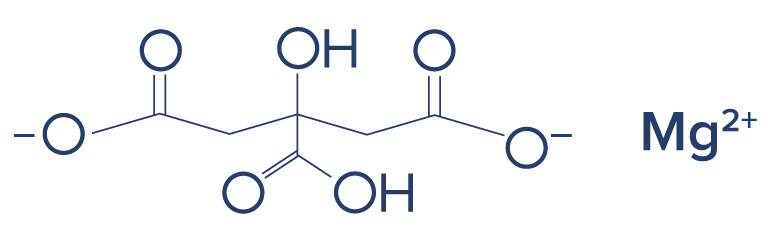
Chemical Structure of Magnesium

Research on Magnesium

A. Boosts Energy Levels

boosts energy level

Magnesium boosts energy levels by playing a pivotal role in cellular energy production. It is a key component of ATP (adenosine triphosphate), the energy currency of the cell, involved in converting glucose into energy. By activating ATP, magnesium ensures that our cells have the fuel they need to perform bodily functions efficiently, from muscle contractions to nerve transmission. This essential mineral thus helps maintain high energy levels and supports overall vitality.

The energy-boosting properties of magnesium are backed by a number of studies:

  1. There is evidence that magnesium deficiency impairs exercise performance and enhances the negative consequences of vigorous physical activity. Based on dietary surveys and recent human experiments, increased intake of magnesium through diet or supplements has beneficial effects on exercise performance in magnesium-deficient individuals. [1]
  2. Studies show that Mg can enhance exercise performance by improving glucose availability in the brain, muscles, and blood, and reducing lactate accumulation in muscles. [2] Human studies have mainly examined physiological effects on diastolic blood pressure and systolic blood pressure, heart rate, and VO₂ max, but evidence also suggests a positive impact on muscle performance and strength. Intervention studies indicate that Mg supplementation can improve functional indices such as quadriceps torque, and in elderly women, it has been shown to enhance gait speed and chair stand time, highlighting its importance in both exercise performance and daily functional activities.
  3. Magnesium, the fourth most abundant mineral and a crucial intracellular divalent cation, plays a vital role in over 300 metabolic reactions in the body. It supports normal nerve and muscle function, heart rhythm, systolic and diastolic blood pressure, immune system, bone integrity, and regulates blood glucose levels while also enhancing calcium absorption. Given its significant involvement in energy production, muscle function, and glucose management, magnesium has been extensively researched as a performance enhancer for athletes. [3]
  4. A study investigated the effects of magnesium (Mg) on glucose and lactate dynamics in rats during and after exercise. [4] Pretreatment with magnesium sulfate significantly increased glucose levels approximately two-fold in muscle, blood, and brain during exercise compared to the control, indicating enhanced glucose availability. Furthermore, while lactate levels rose sharply in all areas during exercise in both groups, the Mg-treated rats showed a further increase in brain lactate during exercise and improved lactate clearance in muscle post-exercise, suggesting that Mg plays a crucial role in energy production and exercise performance by modulating glucose utilization and lactate clearance.

B. Helps Stabilize Mood

magnisum Helps Stabilize Mood

Magnesium improves mood by regulating neurotransmitters, which are chemicals in the brain that transmit messages between nerve cells and the brain. It plays a crucial role in the function of the nervous system and the regulation of the stress-response system. Magnesium’s ability to modulate the activity of the body’s stress-response system helps prevent the brain from becoming overstimulated, which can lead to anxiety, stress, and depression. Therefore, by maintaining adequate levels of magnesium, it can help stabilize mood, reduce stress levels, and contribute to overall emotional well-being.

Studies support the mood-enhancing effects of magnesium:

  1. Magnesium plays a crucial role in brain biochemistry and neuronal membrane fluidity, with deficiency linked to various neuromuscular and psychiatric symptoms, including depression. Despite mixed results regarding plasma/serum magnesium levels as indicators for depressive disorders, magnesium compounds are increasingly recognized for their therapeutic potential in treating not only depression but also migraines, alcoholism, asthma, heart diseases, and more. [5] Magnesium’s mechanisms as an antidepressant are not fully understood, but its impact on multiple systems related to depression development is acknowledged. Historical and contemporary research supports the efficacy and safety of magnesium supplementation, highlighting its significance in both conventional and homeopathic medicine as a treatment for mental health issues.
  2. A study investigated the impact of magnesium supplementation on depression in patients with magnesium deficiency, involving 60 individuals divided into two groups: one receiving magnesium oxide and the other a placebo for 8 weeks. [6] Results showed significant improvements in magnesium levels and depression scores, particularly in the magnesium group, where a notable reduction in the Beck Depression Inventory-II scores was observed compared to the placebo group. The findings suggest that daily intake of 500 mg magnesium oxide can effectively enhance depression status and correct magnesium deficiencies in depressed patients, indicating the importance of assessing and addressing magnesium levels in depression treatment.
  3. A study reviewed scientific literature from 2010 to March 2020 to assess the link between magnesium levels and various psychiatric disorders, including depression, anxiety, ADHD, autism, OCD, schizophrenia, and eating disorders, across 32 articles. [7] The findings indicate a notable association between low magnesium levels and depression, with some studies showing improvement in depressive symptoms following magnesium supplementation, either alone or in combination with antidepressants. However, the results regarding magnesium’s effectiveness and its plasma levels in other psychiatric conditions like anxiety, ADHD, and autism were mixed and less conclusive. Despite the variability in outcomes, the evidence suggests potential benefits from magnesium supplementation in managing psychiatric symptoms, underscoring the need for well-designed clinical trials to further explore magnesium’s therapeutic role and optimal use in psychiatric treatment.
  4. Major depression, a debilitating mood disorder, may not always respond well to antidepressants, which have been linked to increased suicide rates, especially among young people. [8] Magnesium deficiency, known to cause neuropathologies, exacerbates this issue as modern diets and water supplies often lack adequate magnesium, crucial for regulating neuronal calcium channels and nitric oxide production. Hypothesized as an effective treatment for major depression due to intraneuronal magnesium deficits caused by dietary insufficiencies, stress, and excessive dietary calcium, magnesium supplementation has shown rapid recovery in case histories. These findings suggest not only magnesium’s potential in treating depression and related mental health issues but also highlight the need for further research into magnesium deficiency as a public health concern, recommending the fortification of refined grain and water with magnesium to historical levels.
  5. A study investigated the link between dietary magnesium intake and depression among 8,894 US adults using data from the National Health and Nutrition Examination Survey (2007-2010). [9] Results revealed a statistically significant association between very low magnesium intake (less than 184 mg/day) and increased risk of depression, particularly in individuals younger than 65 years old. Conversely, in seniors, low magnesium intake appeared to have a protective effect against depression. These findings underscore the importance of magnesium in mental health and suggest age-specific impacts, highlighting the need for further research to understand the protective role of magnesium intake in older adults.
  6. A double-blind, randomized study on 32 women with premenstrual syndrome (PMS) assessed the impact of oral magnesium (Mg) supplementation on premenstrual symptoms. [10] Over two menstrual cycles, participants received either magnesium pyrrolidone carboxylic acid (360 mg Mg) or a placebo from the 15th day of their cycle until the start of menstruation. Results showed that magnesium significantly reduced total premenstrual distress as well as specific symptoms related to “pain” and “negative affect.” Additionally, significant increases in magnesium levels were observed in lymphocytes and polymorphonuclear cells but not in plasma and erythrocytes. These findings suggest magnesium supplementation as an effective treatment for mood-related PMS symptoms.
  7. An open-label, randomized, cross-over trial involving 126 adults with mild-to-moderate depression found that 6 weeks of magnesium chloride supplementation (248 mg of elemental magnesium per day) resulted in a significant improvement in depression and anxiety symptoms, with a net decrease in PHQ-9 and Generalized Anxiety Disorders-7 scores. [11] The study, conducted between June 2015 and May 2016, demonstrated high adherence rates (83%) and good tolerability, with 61% of participants expressing willingness to continue using magnesium supplements. The positive effects of magnesium on depression were observed within two weeks and were consistent across various demographic and clinical subgroups, suggesting magnesium’s potential as a fast-acting and well-tolerated treatment option for mild-to-moderate depression.
  8. In an 8-week randomized controlled study of individuals with low magnesium levels and severe stress, magnesium combined with vitamin B6 was found to significantly reduce stress more effectively than magnesium alone. [12] This secondary analysis focused on the impact of these supplements on depression, anxiety, and quality of life (QoL). Participants, all experiencing high stress as measured by the DASS-42 stress subscale, received either a combination of magnesium and vitamin B6 or magnesium alone. Results showed notable improvements in anxiety and depression scores for both groups, with a particularly rapid improvement within the first four weeks. Additionally, QoL enhancements were observed over the 8 weeks, with a more significant increase in perceived physical activity capacity in those taking both magnesium and vitamin B6. The study concludes that magnesium supplementation, both with and without vitamin B6, offers significant clinical benefits for individuals with stress and low magnesium levels.
  9. Sixty percent of clinical depression cases are considered treatment-resistant depression (TRD), with magnesium deficiency implicated as a significant factor due to its role in neuronal injury and neurological dysfunction, potentially manifesting as major depression. [13] Studies have shown that magnesium supplementation produces anti-depressant-like effects in animals, similar to strong anti-depressant drugs, and low cerebral spinal fluid and brain magnesium levels have been observed in patients with TRD and suicidal tendencies. Despite the historical and recent evidence supporting magnesium’s effectiveness in treating TRD, including a 2008 trial where magnesium was as effective as imipramine for depression in diabetics without side effects, comprehensive clinical trials are scarce. The removal of magnesium from processed foods and the addition of calcium, glutamate, and aspartate may exacerbate affective disorders. This evidence suggests that dietary magnesium inadequacy could be a primary cause of TRD, advocating for magnesium supplementation as a treatment, potentially benefiting nearly all individuals with depression.

C. Improves Sleep Quality

magnesium Improves Sleep Quality

Magnesium improves sleep quality by regulating neurotransmitters involved in the sleep cycle, including increasing gamma-aminobutyric acid (GABA) levels in the brain, which promotes relaxation and stress reduction. Its role in maintaining healthy levels of GABA facilitates the transition to sleep and enhances the overall quality of sleep. Additionally, magnesium’s muscle-relaxing properties can alleviate physical discomfort, further contributing to a restful night’s sleep by reducing instances of nighttime awakenings and ensuring deeper, more restorative sleep phases.

A number of evidence supports the benefits of magnesium on sleeping problems:

  1. A systematic review aimed to explore the association between magnesium (Mg) intake and sleep patterns in adults by analyzing observational and interventional studies sourced from PubMed, Scopus, and ISI Web of Science up to November 2021. [14] Involving 7,582 subjects across 9 studies, it found observational evidence suggesting a positive link between magnesium status and sleep quality, such as reduced daytime sleepiness and longer sleep duration. However, randomized clinical trials (RCTs) presented mixed results, highlighting the need for more comprehensive trials to conclusively determine magnesium’s effect on sleep disorders.
  2. In a longitudinal study analyzing 3,964 participants from the CARDIA study, magnesium (Mg) intake was found to be marginally associated with improved sleep quality and significantly associated with reduced likelihood of short sleep duration (<7 hours), particularly among individuals without depressive disorders. [15] The study, which assessed dietary and supplementary Mg intake as well as the calcium-to-magnesium (Ca:Mg) intake ratio, found no significant association between Ca:Mg and sleep outcomes. These findings suggest a potential beneficial role of magnesium in promoting better sleep quality and longer sleep duration, highlighting the need for randomized controlled trials with objective sleep measures to further explore this relationship.
  3. In a double-blind randomized clinical trial involving 46 elderly subjects, magnesium supplementation was found to significantly improve various measures of insomnia compared to a placebo. [16] Over an 8-week period, subjects receiving 500 mg of magnesium daily experienced increases in sleep time, sleep efficiency, serum renin, and melatonin levels, along with decreases in the insomnia severity index (ISI) score, sleep onset latency, and serum cortisol concentration. These results suggest that magnesium supplementation could be an effective strategy to improve both subjective and objective insomnia parameters in the elderly, highlighting magnesium’s potential role in enhancing sleep quality and circadian rhythm regulation.
  4. A review analyzed three randomized control trials comparing oral magnesium supplementation to placebo in 151 older adults across three countries, using databases like MEDLINE and EMBASE. [17] The pooled analysis indicated a significant reduction in sleep onset latency by 17.36 minutes with magnesium supplementation, although the increase in total sleep time was not statistically significant. Despite the moderate-to-high risk of bias and the low to very low quality of evidence, the findings suggest that oral magnesium, being affordable and widely available, may offer some benefit for insomnia symptoms in older adults when taken in doses of less than 1 gram up to three times a day. The current literature’s quality, however, is insufficient for making well-informed clinical recommendations.
  5. In an experiment involving 100 adults with poor sleep quality, participants were assigned to receive either a 320 mg/day magnesium supplement or a placebo for seven weeks. [18] Initial assessments showed that 58% of participants consumed less than the recommended amount of magnesium, associated with higher BMI and plasma C-reactive protein (CRP) levels, indicating chronic inflammatory stress. While overall sleep quality improved for all participants, magnesium supplementation specifically increased serum magnesium levels in those with initial deficiency and decreased plasma CRP levels in participants with higher baseline inflammatory markers. These results suggest a link between low magnesium status and increased chronic inflammatory stress, potentially alleviated by magnesium intake. However, the improvement in sleep quality, regardless of supplementation, points to the need for further research to clarify the relationship between magnesium status and sleep quality.
  6. Using data from the Jiangsu Nutrition Study, which included 1487 adults, research indicated that higher dietary magnesium intake is associated with a reduced likelihood of experiencing daytime falling asleep among women, with an intake mean of 332.5 mg/day. [19] Despite these findings, no significant associations were observed between dietary magnesium consumption and other sleep disorder symptoms such as daytime sleepiness or snoring at night for either gender. The study highlights the potential gender-specific benefits of dietary magnesium in mitigating certain sleep disorder symptoms, underscoring the need for further investigation into the role of magnesium in sleep health at the population level.
  7. In a double-blind, placebo-controlled clinical trial conducted in a long-term care facility in Pavia, Italy, involving 43 elderly participants with primary insomnia, it was found that a nightly regimen of melatonin (5 mg), magnesium (225 mg), and zinc (11.25 mg) mixed with pear pulp significantly improved sleep quality over an 8-week period compared to a placebo. [20] The supplemented group showed notable improvements in sleep quality scores, ease of falling asleep, quality and restorative value of sleep, morning alertness, and quality of life, as measured by the Pittsburgh Sleep Quality Index, Leeds Sleep Evaluation Questionnaire, Short Insomnia Questionnaire, and SF-36, respectively. Total sleep time, assessed by a wearable sensor, also increased significantly, indicating that the combination of melatonin, magnesium, and zinc effectively enhances sleep and life quality in elderly individuals with primary insomnia.
  8. A study conducted a systematic review of clinical studies to investigate the relationship between serum magnesium (Mg) levels and obstructive sleep apnoea (OSA), revealing that OSA patients often have lower serum Mg levels compared to healthy controls, with a meta-analysis indicating a significant deficiency. [21] Although the mean serum Mg level in OSA patients falls within the normal range, the severity of OSA negatively impacts these levels, which tend to improve with OSA treatment. Additionally, low serum Mg levels in OSA patients are associated with increased systemic inflammation and cardiovascular risk, as evidenced by correlations with biomarkers like C-reactive protein and carotid intima-media thickness. These findings suggest that sleep deprivation linked to OSA may lead to Mg depletion, heightening the risk of cardiovascular and metabolic disorders.
  9. In a clinical trial involving 60 open-heart surgery candidates, magnesium supplementation significantly improved anxiety, depression levels, and sleep quality post-surgery. [22] Participants receiving 500 mg of magnesium oxide daily for five days showed higher magnesium levels, reduced anxiety and depression according to the Hospital Anxiety and Depression Scale (HADS), and better sleep quality based on the Petersburg Sleep Quality Inventory (PSQI), compared to the control group receiving routine care. These findings support the inclusion of magnesium supplements in post-operative care plans to enhance recovery outcomes related to psychological well-being and sleep in heart surgery patients.
  10. In an open clinical study involving 10 patients suffering from insomnia related to periodic limb movements during sleep (PLMS) or mild-to-moderate restless legs syndrome (RLS), oral magnesium therapy showed promising results. [23] Administered at a dose of 12.4 mmol in the evening for 4-6 weeks, magnesium significantly reduced PLMS associated with arousals and moderately reduced PLMS without arousal, while sleep efficiency improved notably. Especially in patients who reported improved sleep or RLS symptoms post-therapy, the effects of magnesium were more pronounced. This study suggests that magnesium treatment could be an effective alternative therapy for patients with mild or moderate RLS or PLMS-related insomnia, highlighting the need for further research on magnesium’s role in RLS pathophysiology and placebo-controlled studies.
  11. A study aimed at evaluating the efficacy of a magnesium-melatonin-vitamin B complex supplement in treating insomnia, 60 patients were divided into a study group and a control group. [24] The study group, treated with a daily dose of the supplement one hour before sleep for three months, showed a significant reduction in insomnia symptoms as measured by the Athens insomnia scale (AIS), with mean AIS scores decreasing from moderate to mild insomnia levels. In contrast, the control group remained at moderate insomnia levels. The findings suggest that a three-month regimen of Magnesium-melatonin-vitamin B complex supplementation can effectively reduce the severity of insomnia symptoms, demonstrating its potential as a beneficial treatment option for insomnia regardless of the cause.

D. Prevents Constipation

Magnesium Prevents Constipation

Magnesium prevents constipation by drawing water into the intestines, which softens the stool and makes it easier to pass. This process, known as osmosis, increases stool bulk and encourages bowel movements. Additionally, magnesium helps relax the muscles in the intestinal wall, improving gut motility and further aiding in the elimination process. As a result, adequate magnesium intake is essential for maintaining regular bowel movements and preventing constipation.

Studies show that magnesium is beneficial for gut health:

  1. Magnesium oxide has long been utilized as a laxative in East Asia based on empirical knowledge, with recent years seeing a revival in interest due to its convenience, low cost, and safety. [25] However, emerging clinical evidence suggests the need for careful consideration of dosage, serum concentration, potential drug-drug interactions, and side effects, particularly in the elderly and those with renal impairment. This review aims to assess the evidence for magnesium oxide’s use in treating constipation, offering a balanced guide to its benefits and limitations.
  2. In a randomized, double-blind placebo-controlled study conducted in Japan, magnesium oxide (MgO) was evaluated for its effectiveness in treating chronic constipation (CC) among 34 female patients. [26] The study found that MgO significantly improved overall improvement, spontaneous bowel movements, stool form, and colonic transit time over a 28-day period compared to a placebo. Although MgO did not significantly enhance complete spontaneous bowel movement response rates, it notably improved quality of life related to constipation. This demonstrates MgO’s efficacy as a treatment for CC in patients with mild to moderate symptoms.
  3. A study explored the relationship between dietary magnesium intake and chronic constipation using data from the 2007-2010 NHANES, including 9,519 participants aged ≥20 years. [27] It found that higher dietary magnesium intake was inversely associated with chronic constipation when defined by stool frequency, particularly among men, indicating a potential beneficial effect of magnesium on bowel health. However, no significant link was observed when constipation was defined by stool consistency. The findings suggest that increasing dietary magnesium might reduce the prevalence of chronic constipation, emphasizing the need for further longitudinal studies to confirm these results.
  4. A prospective, double-blinded randomized control trial involving 100 children with spastic cerebral palsy (sCP) and chronic constipation demonstrated that oral magnesium sulfate significantly improved constipation symptoms, stool frequency, and consistency compared to a placebo. [28] After a month of treatment, 68% of children in the magnesium sulfate group showed effective, safe relief from constipation versus 9.5% in the placebo group. This intervention also resulted in a noticeable reduction in the time mothers spent assisting with bowel evacuations, highlighting oral magnesium sulfate’s potential to not only alleviate constipation in children with sCP but also to reduce the caregiving burden.
  5. Functional constipation (FC), a chronic condition without identifiable physiological or anatomical causes, significantly affects quality of life and healthcare costs. [29] Traditionally managed through increased physical activity and dietary adjustments in fiber and water intake, FC often requires medication when these measures fail. Magnesium sulfate, known for its laxative properties and used in magnesium sulfate-rich mineral waters for centuries, has been widely recognized for its effectiveness. Despite its historical use, clinical studies on its efficacy in FC were scarce until the 21st century. Recent reviews of clinical data on magnesium sulfate-rich natural mineral waters have highlighted their potential as a safe, natural treatment option for FC, underscoring their efficacy and safety.
  6. In a trial involving 64 geriatric long-stay patients aged 65 years or older, all of whom were previously using laxatives, magnesium hydroxide was found to be more effective than bulk-laxative in treating constipation. [30] Patients taking magnesium hydroxide experienced more frequent bowel movements and required less additional laxative support compared to those on bulk-laxative, with more normal stool consistency observed during magnesium hydroxide treatment. Although two patients showed elevated serum magnesium levels, no clinical signs of hypermagnesemia were reported, suggesting magnesium hydroxide’s efficacy and relative safety for constipation relief in elderly patients.
  7. In the first prospective, double-blinded, randomized, placebo-controlled trial comparing a stimulant laxative (senna) and an osmotic agent (magnesium oxide [MgO]) in treating chronic idiopathic constipation, both senna and MgO demonstrated significant efficacy over placebo. [31] Enrolled participants, predominantly women with a long history of constipation, showed marked improvements in overall symptom relief, spontaneous bowel movements, complete spontaneous bowel movements, and quality of life related to constipation, with no severe treatment-related adverse events reported. This study highlights the effectiveness of both senna and MgO as treatment options for chronic constipation, indicating their potential to improve bowel function and patient well-being significantly.
  8. In an open-label study comparing magnesium (Mg)-enriched formula with a control formula for treating functional constipation in infants ≤6 months old, the Mg-enriched formula significantly improved stool consistency and frequency. [32] Within just 7 days, a greater proportion of infants fed with the Mg-rich formula experienced normal stool consistency and an increased daily stool frequency compared to those on the control formula. By the end of the study, parents reported high satisfaction with the Mg-enriched formula, with the majority expressing willingness to continue its use, demonstrating its effectiveness and parental approval in managing infant constipation.

E. Relieves Muscle Aches and Spasms

Magnesium Relieves Muscle Aches and Spasms

Magnesium helps relieve muscle aches and spasms by acting as a natural calcium blocker, which helps muscles relax. When magnesium levels are adequate, muscles can contract and relax properly, preventing cramping and spasms. Additionally, it aids in the transportation of calcium and potassium ions across cell membranes, a process essential for normal muscle function, nerve impulse conduction, and maintaining normal heart rhythm. This mechanism is why sufficient magnesium intake is crucial for preventing and alleviating muscle discomfort.

The benefits of magnesium on muscle aches and spasms are supported by several studies:

  1. Magnesium supplementation does not significantly reduce the frequency or intensity of skeletal muscle cramps in older adults, suggesting it may not be an effective preventative treatment for this group. [33] However, the effectiveness of magnesium for pregnancy-associated leg cramps remains uncertain due to conflicting research findings, indicating a need for further studies in this specific population.
  2. Muscle cramps, characterized by sudden, painful contractions of skeletal muscle fibers, can occur idiopathically or be associated with neuromuscular diseases, systemic disorders, and electrolyte imbalances, notably hypomagnesemia. [34] Magnesium plays a critical role in nerve transmission and muscle contraction, suggesting potential benefits for preventing or treating cramps. Despite its marketing as a prophylactic measure and experimental evidence suggesting improved exercise performance through enhanced glucose uptake and reduced lactate accumulation, the effectiveness of magnesium supplementation in cramp management remains uncertain.
  3. In a double-blind study, magnesium supplementation (350 mg daily for 10 days) significantly reduced muscle soreness among college-aged male and female subjects and showed a positive impact on performance, including total repetitions to failure at varying intensities. [35] Subjects reported lower levels of soreness on a 6-point scale post-supplementation, with improved perceptual responses regarding exertion and recovery compared to the placebo group. While performance improvements approached significance, the study indicates magnesium’s potential to enhance recovery and reduce muscle soreness.
  4. A study found that magnesium supplementation (350 mg daily for 10 days) significantly reduced muscle soreness and enhanced perceptual recovery in college-aged participants, compared to a placebo group. [36] These findings were accompanied by notable, though not statistically significant, improvements in performance metrics such as repetitions to failure at various percentages of the participants’ one-repetition maximum. Overall, magnesium showed potential benefits for both reducing muscle soreness and improving exercise performance, highlighting its value in sports nutrition and recovery strategies.
  5. A crossover randomized double-blind placebo-controlled trial conducted in Buenos Aires, Argentina, aimed to assess the efficacy of magnesium for treating nocturnal leg cramps but found no significant difference between magnesium and placebo treatments in reducing the number, duration, severity, or sleep disturbances caused by leg cramps. [37] Despite a total of 42 patients completing the study, which involved administering 900 mg of magnesium citrate twice daily for one month, all patients showed improvement over time, suggesting the observed benefits were likely due to natural progression, regression to the mean, or placebo effects rather than the magnesium treatment itself.
  6. A case report from a pediatric intensive care unit at a tertiary care, university-based children’s hospital detailed the successful use of intravenous magnesium sulfate to control muscle spasms and severe generalized rigidity in a 12-year-old child with moderate to severe tetanus. [38] This approach allowed for the avoidance of prolonged deep sedation, mechanical ventilation, or neuromuscular blockade. The treatment with magnesium sulfate showed significant improvement in the patient’s condition without any adverse effects, suggesting magnesium sulfate as a viable option for managing tetanus-induced muscle spasms and rigidity, with the caveat of close monitoring of the patient’s neurologic, cardiovascular, and respiratory status.
  7. A randomized, double-blind, cross-over placebo-controlled trial investigated the effectiveness of magnesium citrate in treating nocturnal leg cramps in non-pregnant individuals. [39] Participants received magnesium citrate equivalent to 300 mg of magnesium and a matching placebo for 6 weeks each. The study found a trend towards fewer cramps during magnesium treatment compared to placebo, with a significant number of subjects perceiving magnesium as helpful. Although there was no significant difference in the severity and duration of cramps between the treatments, the findings suggest that magnesium may be an effective treatment option for nocturnal leg cramps, warranting further evaluation. Diarrhea was noted as a side effect of magnesium citrate.
  8. A study explored the association between chronic musculoskeletal pain (CMP) and cardiovascular disease (CVD), identifying older age, female sex, hypertension, and calcium supplement use as factors linked to increased CMP intensity among CVD patients. [40] Additionally, the efficacy of Ice Power Magnesium In Strong Cream in alleviating muscle cramp pain in the lower extremities was evaluated. Results from 396 outpatients showed significant associations between the aforementioned factors and CMP intensity, while a separate analysis of 73 patients with muscle cramps demonstrated that the cream significantly reduced pain scores over 4 weeks. This indicates that specific demographic and health-related factors can influence CMP severity in CVD patients, and that topical magnesium cream is effective in treating muscle cramps.
  9. A review of four randomized controlled trials involving 332 pregnant women investigated the efficacy of magnesium supplementation for leg cramps during pregnancy, a symptom affecting 30%-50% of pregnant women. [41] The analysis, which included data up until July 2, 2020, found that magnesium supplementation did not significantly reduce the frequency of leg cramps, improve recovery from leg cramps, or produce significant side effects compared to a control group. The weighted mean difference for the frequency of post-treatment leg cramps and the odds ratios for recovery and side effects indicated that oral magnesium supplementation is ineffective in treating pregnancy-related leg cramps.
  10. A double-blind, placebo-controlled randomized trial on 46 older adults suffering from rest (nocturnal) cramps assessed the efficacy of a 5-day intravenous magnesium sulfate infusion in reducing leg cramp frequency. [42] Despite overcoming the oral bioavailability limitations of magnesium, the treatment did not significantly decrease the number of weekly cramps compared to the placebo, with no correlation found between magnesium retention and treatment response. This suggests that magnesium therapy, despite its popular marketing, may not be an effective treatment for rest cramps in the geriatric population.
  11. A 25-year-old paraplegic man, suffering from a severe and painful spasm in the left hamstring muscle group that resulted in extreme knee flexion, experienced immediate relief after receiving an intravenous injection of 2 g magnesium sulphate. [43] This case, following a T3/T4 vertebral compression fracture sustained three years earlier, highlights magnesium’s potential therapeutic effects on muscle spasms, inviting further discussion on the mechanisms through which magnesium operates to alleviate such conditions.
  12. A double-blinded, randomized, placebo-controlled trial involving 86 pregnant women with frequent leg cramps assessed the efficacy of oral magnesium bisglycinate chelate (300 mg per day) over a 4-week period. [44] The study found that magnesium supplementation significantly reduced both the frequency (86% vs. 60.5%, P=0.007) and intensity (69.8% vs. 48.8%, P=0.048) of pregnancy-induced leg cramps compared to placebo, without notable side effects like nausea and diarrhea. These findings suggest that oral magnesium could be a viable treatment option for managing leg cramps in pregnant women.
  13. A systematic review of seven randomized controlled trials (RCTs), including 361 participants, assessed the effectiveness of magnesium in treating nocturnal leg cramps (NLC) compared to placebo. [45] While magnesium therapy showed a slight effect in reducing leg cramps per week among pregnant women, it did not significantly affect the general population. Gastrointestinal side effects were slightly more common with magnesium than with placebo, but the overall evidence strength was considered weak due to small study sizes and short follow-up periods. The findings suggest that magnesium may have a modest benefit for pregnant women with NLC, though further, better-designed RCTs are needed.
  14. In a counterbalanced, double-blind, placebo-controlled, cross-over study involving nine male recreational runners, magnesium supplementation (500 mg/day for 7 days) prior to a 10 km downhill running time trial showed beneficial effects on inflammation and recovery post-exercise. [46] Magnesium intake significantly reduced interleukin-6 levels, indicating less inflammation, and improved recovery of blood glucose and muscle soreness, compared to the placebo. However, there were no significant differences in exercise performance, glucose and lactate levels during the time trial, or in creatine kinase levels and maximal muscle force post-exercise, suggesting that while magnesium may aid in recovery aspects, it does not enhance performance or functional recovery measures directly.

F. Lowers the Risk of Cardiovascular Disease

Magnesium Lowers the Risk of Cardiovascular Disease

Magnesium plays a pivotal role in cardiovascular health by supporting the normal function of the heart, regulating blood pressure, and maintaining the balance of electrolytes. It helps to prevent the buildup of plaque in the arteries, reducing the risk of atherosclerosis and subsequently lowering the likelihood of heart attacks and strokes. Additionally, magnesium’s ability to improve blood flow and oxygen delivery throughout the body contributes to overall heart health and reduces the risk of cardiovascular disease.

  1. Magnesium, a vital intracellular cation, is crucial for cellular function, enzyme activity, and energy production, especially in the heart where it influences cardiac conduction and contraction by regulating ion channels. [47] It also plays a significant role in vascular health by affecting vascular tone and the process of atherogenesis, thus impacting the development of cardiovascular disease. Kidney disorders can affect magnesium levels, influencing cardiovascular risk. While observational studies link low magnesium with higher cardiovascular disease risks, supplementation trials have shown mixed results, leading to no general recommendation for magnesium supplementation in the absence of proven or suspected hypomagnesemia related to cardiac arrhythmias.
  2. Magnesium, a key cation in the human body, is integral to many processes crucial for cardiovascular health, including the regulation of vascular smooth muscle tone, endothelial function, and myocardial excitability. [48] It plays a pivotal role in the development and management of various cardiovascular disorders, such as hypertension, atherosclerosis, coronary artery disease, heart failure, and arrhythmias. The review highlights magnesium’s vasodilatory, anti-inflammatory, anti-ischemic, and antiarrhythmic effects, underscoring its importance in both preventing and treating cardiovascular diseases.
  3. Magnesium (Mg) is crucial for human health, with studies showing that higher Mg intake is linked to a reduced risk of cardiovascular diseases (CVD), including metabolic syndrome, diabetes, hypertension, stroke, and coronary heart diseases. [49] This review synthesizes evidence from epidemiological studies, randomized controlled trials (RCTs), and meta-analyses, highlighting the protective role of dietary and circulating magnesium against major cardiovascular risk factors and CVDs. The findings suggest that magnesium plays a significant role in cardiovascular health, with further research needed to explore its potential benefits in preventing CVD deaths and other cardiovascular conditions.
  4. A systematic review and meta-analysis examining the relationship between magnesium levels and cardiovascular disease (CVD) risk found that higher circulating magnesium levels are linked to a significantly lower risk of CVD and showed a trend towards reduced risks of ischemic heart disease (IHD) and fatal IHD. [50] While dietary magnesium did not show a significant overall association with CVD risk, it was associated with a lower risk of IHD, particularly up to a dietary intake threshold of approximately 250 mg/day. These findings underscore the potential protective effects of magnesium against heart disease and highlight the importance of further clinical trials to explore magnesium’s role in CVD prevention.
  5. Magnesium is a vital mineral involved in over 300 enzymatic reactions, crucial for blood pressure regulation, glycemic control, and lipid peroxidation, making it essential for cardiovascular health. [51] Despite its abundance in many foods and availability as a supplement, low magnesium intake in industrialized Western countries often leads to a high prevalence of magnesium deficiency, thereby increasing the risk of cardiovascular events and death. This article reviews the impact of magnesium deficiency on the cardiovascular system, highlighting the importance of maintaining adequate magnesium levels for heart health.
  6. Magnesium intake ranging from 500 mg/d to 1000 mg/d may lower blood pressure by up to 5.6/2.8 mm Hg, though clinical studies show varying results, with some indicating no change in blood pressure. [52] A combined dietary approach that increases magnesium and potassium while decreasing sodium intake proves more effective for blood pressure reduction, often matching the efficacy of antihypertensive medications. Magnesium enhances the effectiveness of all classes of antihypertensive drugs and may improve conditions like insulin sensitivity, hyperglycemia, diabetes, left ventricular hypertrophy, and dyslipidemia. While it’s yet to be definitively shown that magnesium intake can prevent or treat cardiovascular diseases, preliminary evidence and its roles as a natural calcium channel blocker and vasodilator suggest potential benefits in managing hypertension and improving cardiovascular health.
  7. A review highlights the significant role of increased dietary magnesium in protecting against diabetes, metabolic syndrome, hypertension, and cardiovascular diseases by improving insulin resistance, lipid profiles, and reducing inflammation, endothelial dysfunction, oxidative stress, and platelet aggregability. [53] Magnesium’s benefits are attributed to its actions as a calcium antagonist on vascular smooth muscle and its involvement in energy metabolism and various cellular functions. Despite the strong biological rationale for magnesium’s impact on health, prospective studies show only modest effects on preventing pathologies, and supplementation studies yield inconsistent results. The modest in-vivo role of magnesium deficiency, potential confounding by reverse causality, and the association with other beneficial nutrients suggest that the observed health benefits might be influenced by broader dietary patterns and health-conscious behaviors.
  8. A wealth of experimental, epidemiological, and clinical studies suggests a critical role for magnesium (Mg2+) in cardiovascular diseases, linking hypomagnesemia with electrolyte imbalances and various heart conditions, including ischemic heart disease and congestive heart failure. [54] Magnesium deficiency contributes to cardiovascular pathology through mechanisms like vasoconstriction of coronary vessels, increased intracellular calcium levels, oxidative stress, and alterations in cardiac cell membrane permeability. Additionally, magnesium’s interaction with calcium plays a pivotal role in myocardial contractility, influencing the heart’s response to stimulants and ischemic stress, particularly in the aged myocardium. Despite the ongoing debate over some mechanisms and the need for further research, the evidence supporting magnesium’s protective role in reducing cardiovascular disease morbidity and mortality is compelling, highlighting the potential benefits of magnesium supplementation in cardiac health management.
  9. An article provided an overview of magnesium research, detailing its historical development, the effects of magnesium on cardiovascular disease through basic and clinical studies, and the current magnesium intake levels in Japan as of 2002. [55] Basic research has shown that magnesium deficiency can reduce ATPase activity, leading to increased intracellular calcium in blood vessels and subsequent cardiovascular system vasoconstriction. Clinical studies have found significantly lower serum magnesium levels in patients with ischemic heart disease. Furthermore, the National Nutrition Survey in Japan indicated that the magnesium intake among males and females aged 15-49 years falls below the country’s recommended dietary allowances, highlighting a potential area of concern for public health.
  10. A dose-response meta-analysis of over 1 million participants across 40 prospective cohort studies investigated the impact of dietary magnesium intake on cardiovascular disease (CVD), type 2 diabetes (T2D), and all-cause mortality, revealing mixed results. [56] While no significant link was found between magnesium intake and total CVD or coronary heart disease (CHD), increased magnesium intake was associated with a lower risk of heart failure (22% reduction), stroke (7% reduction), T2D (19% reduction), and all-cause mortality (10% reduction). These findings suggest that enhancing dietary magnesium could potentially offer protective benefits against certain health conditions, underscoring the importance of magnesium in dietary recommendations.
  11. Magnesium, a crucial yet often neglected electrolyte, participates in over 300 enzymatic reactions including energy metabolism, glucose utilization, and cellular ionic balance. Its deficiency is increasingly common due to factors like poor diet and diuretic use, particularly among the elderly. [57] Associated with various conditions such as hypertension, heart failure, diabetes, and preeclampsia, clinical studies suggest magnesium supplementation can offer significant benefits. Addressing magnesium deficiency involves not only supplementation for those at risk or exhibiting symptoms but also identifying and correcting underlying causes, highlighting the importance of magnesium in maintaining overall health and preventing disease progression.
  12. In a comprehensive study involving 86,323 women from the Nurses’ Health Study, the relationship between dietary and plasma magnesium levels and the risk of coronary heart disease (CHD) was examined. [58] Despite finding no significant association between magnesium intake and total or nonfatal CHD, an inverse relationship was observed between dietary magnesium intake and fatal CHD, suggesting that higher magnesium consumption could reduce the risk of fatal CHD, potentially through mechanisms related to hypertension management. However, plasma magnesium levels, while lower in CHD cases, did not show an independent association with CHD risk when considering other cardiovascular biomarkers. This indicates that while dietary magnesium may not influence overall CHD incidence, it could play a role in decreasing the risk of fatal outcomes in CHD, possibly mediated by its effects on blood pressure.

G. Improves Symptoms of Type 2 Diabetes and Prevents its Development

Magnesium Improves Symptoms of Type 2 Diabetes and Prevents its Development

Magnesium improves symptoms of Type 2 diabetes by enhancing insulin sensitivity and glucose control, contributing significantly to blood sugar control. It participates in the metabolism of sugar, helping to regulate blood glucose levels. Adequate magnesium levels facilitate the action of insulin, making it easier for the body to manage its blood sugar levels effectively. This can lead to improved glycemic control and a reduced risk of diabetes-related complications, making magnesium supplementation beneficial for individuals with Type 2 diabetes or those at risk for developing the condition.

  1. Magnesium deficiency is common in individuals with diabetes mellitus, influenced by factors such as glucosuria-induced loss, dietary inadequacies, and hyperinsulinemia. [59] While magnesium supplementation has been shown to improve insulin sensitivity and secretion in Type 2 diabetes patients, it has not demonstrated a significant impact on glycemic control in either Type 1 or Type 2 diabetes. However, in animal models, magnesium supplementation has been effective in reducing the onset of Type 2 diabetes. Moreover, lower plasma magnesium levels have been associated with severe retinopathy and higher blood pressure, although evidence on blood pressure reduction is inconclusive. These findings highlight the potential role of magnesium in preventing Type 2 diabetes, retinopathy progression, and managing hypertension, warranting further research.
  2. Oral magnesium supplementation has been shown to positively affect glucose metabolism and insulin sensitivity in individuals with diabetes or those at high risk of developing the condition. [60] Research comparing magnesium supplementation to placebo found that magnesium effectively reduces fasting plasma glucose in diabetic patients and improves glucose levels and insulin sensitivity in individuals at high risk for diabetes. These findings suggest that magnesium supplementation could be a beneficial strategy for managing glucose parameters and enhancing insulin sensitivity, indicating its potential role in diabetes prevention and management.
  3. Type 2 diabetes is often linked to magnesium (Mg) deficits, both extracellularly and intracellularly, with such deficiencies particularly noted in individuals with poor glycemic control. [61] Insulin and glucose levels significantly influence Mg metabolism, with intracellular Mg critical for insulin action and glucose uptake. Lowered Mg levels can impair insulin signaling pathways, exacerbating insulin resistance. The primary causes of Mg depletion in type 2 diabetes are believed to be low dietary intake and increased urinary loss. While some clinical studies suggest that Mg supplementation can improve metabolic profiles in diabetic patients, the evidence is not uniformly conclusive, indicating a need for more extensive research to establish dietary Mg supplementation as a viable public health strategy for diabetes prevention and management.
  4. Experimental studies and growing evidence have highlighted magnesium’s crucial role in glucose metabolism, suggesting its potential in reducing type 2 diabetes (T2D) risk. [62] Epidemiological research consistently indicates that low dietary magnesium intake correlates with a higher risk of T2D, yet results from randomized controlled trials on magnesium supplementation’s effects on glucose metabolism and insulin sensitivity remain mixed and controversial. This divergence points to a clear inverse relationship between dietary magnesium intake and T2D risk from observational studies, while clinical trial outcomes are less definitive and require further investigation to establish magnesium’s role in diabetes prevention and management.
  5. An article reviewed the relationship between magnesium intake and the incidence of type 2 diabetes (T2D), as well as the impact of magnesium supplementation on glucose metabolism, using data up to May 15, 2019. [63] Analysis of 26 publications involving 35 cohorts showed that higher magnesium intake correlates with a 22% reduced risk of T2D, with each 100 mg daily increase in magnesium intake lowering the risk by 6%. Further examination of 26 randomized controlled trials (RCTs) with 1168 participants demonstrated significant benefits of magnesium supplementation in reducing fasting plasma glucose, improving 2-hour oral glucose tolerance test results, fasting insulin levels, and insulin resistance scores, along with reductions in triglyceride levels and blood pressure. Trial sequential analysis confirmed the stability of these benefits, suggesting a dose-response relationship between magnesium intake and reduced T2D risk, and supporting magnesium supplementation to improve glucose parameters in individuals with T2D or at high risk.
  6. A study systematically reviewed and meta-analyzed randomized controlled trials (RCTs) to assess the impact of magnesium supplementation on cardiovascular risk factors associated with type 2 diabetes (T2D) in both diabetic and nondiabetic individuals. [64] The analysis, which included data up to June 30, 2016, found that magnesium supplementation significantly improved fasting plasma glucose, high-density lipoprotein, low-density lipoprotein, plasma triglycerides, and systolic blood pressure. Subgroup analysis revealed that diabetic subjects with low magnesium levels benefited the most. These results suggest that magnesium supplementation could reduce the risk of T2D-associated cardiovascular diseases, highlighting the need for future large-scale RCTs to develop comprehensive clinical guidelines.
  7. A case-control study conducted at Hassan II University Hospital of Fez from January 2015 to 2018 investigated the association between serum magnesium (Mg) levels and common complications, comorbidities of diabetes mellitus, and other biochemical indices in 170 patients. [65] Dividing participants into low Mg (n = 85) and normal Mg (n = 85) groups, findings revealed a strong correlation between serum Mg levels and factors such as age, sex, duration of diabetes, body mass index, hypertension, and glycosylated hemoglobin. Specifically, a negative correlation was observed between Mg levels and the presence of nephropathy, while no significant correlations were found with retinopathy, neuropathy, and macroangiopathy. The results suggest low Mg levels are associated with poor glycemic control, hypertension, and nephropathy in Type 2 diabetes patients, indicating the need for further research to solidify these findings.
  8. A cross-sectional study conducted over six months at the Department of Medicine, S.P. Medical College & Associated Group of Hospitals, Bikaner, aimed to investigate the association between serum magnesium levels, Type 2 diabetes mellitus (DM), and its complications among 50.4% male and 49.6% female patients with an average age of 48±18 years. [66] It was found that patients with hypomagnesemia (Mg < 1.7mg/dl) exhibited significant associations with diabetic microvascular complications, specifically nephropathy, neuropathy, retinopathy, and cardiovascular disease, but not with hypertension and cerebrovascular events. The study concludes that serum magnesium measurement is crucial for patients with uncontrolled blood sugar despite medication or insulin use, as low magnesium levels may contribute to microvascular complications of diabetes. Magnesium supplementation, being cost-effective, is recommended for patients with hypomagnesemia, particularly due to its correlation with nephropathy.
  9. A comprehensive review of eighteen randomized controlled trials (RCTs) investigated the impact of oral magnesium (Mg) supplementation on glucose and insulin-sensitivity parameters in individuals with diabetes or at high risk for it, revealing a beneficial effect compared to placebo. [67] For those already diagnosed with diabetes, Mg supplementation significantly reduced fasting plasma glucose. Among those at high risk of diabetes, Mg notably improved glucose levels after a glucose tolerance test and showed a trend towards reducing insulin resistance. These findings underscore magnesium’s potential in improving glucose control and insulin sensitivity, suggesting its supplementation could be a valuable addition to diabetes management and prevention strategies.
  10. In a study examining the effects of oral magnesium (Mg) supplementation in insulin-requiring Type 2 diabetes mellitus (DM) patients, fifty participants were randomized to receive either 15 mmol Mg or a placebo daily for three months. [68] Results showed an increase in plasma Mg concentration and Mg excretion in those receiving magnesium compared to placebo, without significant changes in erythrocyte Mg concentrations, glycaemic control (glucose and HbA1c levels), lipid profiles, or blood pressure. An analysis of patients who completed the treatment suggested a potential decrease in diastolic pressure associated with increased plasma Mg levels. However, the study concluded that three months of oral Mg supplementation increased plasma Mg concentration and urinary Mg excretion but did not significantly impact glycemic control or plasma lipid concentrations in insulin-requiring Type 2 DM patients.
  11. In a prospective study of 1999 Japanese adults aged 40-79 years without diabetes, followed for an average of 15.6 years, it was found that higher magnesium intake was associated with a significantly lower incidence of Type 2 diabetes. [69] The risk of developing Type 2 diabetes decreased with increasing quartiles of magnesium intake, with those in the highest quartiles showing a 33-37% lower risk compared to the lowest quartile. This protective effect was even more pronounced among individuals with insulin resistance, low-grade inflammation, or those who consumed alcohol, indicating that increased magnesium intake could significantly reduce the risk of Type 2 diabetes in the general population, particularly in individuals with specific health profiles.

H. Fights Inflammation

Magnesium fights inflammation by inhibiting the activation of inflammatory markers in the body. It plays a crucial role in the immune response by acting as a natural calcium antagonist, which helps to regulate cellular events involved in inflammation. Studies have shown that higher magnesium intake is associated with reduced levels of C-reactive protein (CRP) and other markers of inflammation in the body. This mineral’s anti-inflammatory properties are particularly beneficial in reducing the risk of chronic diseases associated with high levels of inflammation, such as heart disease, diabetes, and certain cancers.

A growing body of evidence supports the anti-inflammatory effects of magnesium:

  1. Magnesium deficiency in animal studies has been linked to an inflammatory response characterized by the activation of leukocytes and macrophages, the release of inflammatory cytokines, and an increase in free radicals, primarily due to elevated cellular calcium levels that prime cells for inflammation. [70] This deficiency is associated with chronic low-grade inflammation, marked by elevated levels of pro-inflammatory cytokines and acute-phase reactants, contributing to the risk of diseases like cardiovascular disease, hypertension, and diabetes. Adequate magnesium intake, on the other hand, does not significantly affect these inflammation markers. These findings underscore magnesium’s critical role in preventing chronic low-grade inflammation, highlighting the importance of magnesium-rich foods in the diet, especially in countries where magnesium deficiency is common due to inadequate dietary intake.
  2. Magnesium plays a crucial role in regulating metabolism, maintaining tissue homeostasis, and supporting immune functions by influencing both innate and adaptive immune cells. [71] Deficiency in magnesium can lead to heightened inflammatory responses, including increased phagocyte priming, granulocyte oxidative bursts, endothelial cell activation, and elevated cytokine levels, thereby exacerbating the body’s reaction to immune challenges. This underdiagnosed condition is linked to the development of numerous chronic diseases, with recent research emphasizing the connection between magnesium deficiency, inflammation, and the mechanisms driving these health issues.
  3. A systematic review and meta-analysis reviewed randomized control trials (RCTs) up to 23 November 2021 to assess the effects of magnesium (Mg) supplementation versus placebo on serum inflammatory markers. [72] After screening 2,484 papers, 17 RCTs involving 889 participants (average age: 46 years; 62.5% females) with generally low risk of bias were included. The findings showed that magnesium supplementation significantly reduced serum C-reactive protein (CRP) levels and increased nitric oxide (NO) levels, along with notable decreases in plasma fibrinogen, tartrate-resistant acid phosphatase type 5, tumor necrosis factor-ligand superfamily member 13B, ST2 protein, and IL-1. Therefore, magnesium supplementation is potentially effective in reducing various human inflammatory markers, highlighting its beneficial impact on health outcomes.
  4. Magnesium deficiency (MgD) is linked to various inflammatory mechanisms in the human body, including the activation of phagocytic cells, calcium channels, the NMDA receptor, and NF-κB, leading to a systemic stress response and inflammation. [73] This inflammation can further cause pro-atherogenic changes, endothelial dysfunction, and elevated blood pressure, implicating magnesium’s crucial role in the pathophysiology of several inflammatory diseases such as diabetes, asthma, preeclampsia, atherosclerosis, heart damage, and rheumatoid arthritis. The review of clinical trials and laboratory studies underscores magnesium’s potential impact on these conditions, highlighting the importance of magnesium in managing and understanding inflammatory diseases.
  5. A review highlights that subclinical magnesium deficiency, often resulting from low dietary intake, is a key factor predisposing individuals to chronic inflammatory stress, thereby increasing the risk of chronic diseases like cardiovascular disease and diabetes. [74] Recent findings associate deficient magnesium intakes and low serum magnesium levels with elevated serum C-reactive protein concentrations, a marker of inflammation. Correcting magnesium deficiency by achieving adequate dietary intake or serum levels can reduce inflammation indicators to normal levels. This deficiency is particularly prevalent among obese individuals and those with chronic diseases where low-grade inflammation is a known risk factor, underscoring the importance of magnesium as a critical nutrient for health and disease prevention.
  6. A review consolidates experimental evidence demonstrating magnesium’s role in modulating cellular processes related to inflammation. [75] In rats, magnesium deficiency quickly leads to an inflammatory syndrome marked by the activation of leukocytes and macrophages, the release of inflammatory cytokines, and an overproduction of free radicals. Altering extracellular magnesium levels impacts the inflammatory response, with increased levels reducing and decreased levels enhancing cell activation, largely due to magnesium’s function as a natural calcium antagonist affecting intracellular calcium concentrations. Potential mechanisms include phagocytic cell priming, calcium channel opening, NMDA receptor activation, and NF-kappa B activation, alongside a systemic stress response triggered by neuroendocrinological pathway activation. Magnesium deficiency’s role in exacerbating immune and oxidative stress responses links it to pro-atherogenic changes, endothelial dysfunction, and metabolic syndrome, suggesting inflammation as a key mediator in the connection between magnesium deficiency and various diseases. While further human studies are needed, these findings highlight the importance of magnesium in managing inflammation and its related disorders.
  7. A literature review explores the crucial role of magnesium (Mg) in immune regulation across inflammation, infection, and cancer settings, highlighting its involvement in various immune responses and its significant anti-cancer effects. [76] Mg deficiency is linked to increased baseline inflammation, oxidative stress, and various immune system complications, underscoring the importance of Mg in immune cell function, antibody synthesis, and as a cofactor in immune reactions. The review points out that while a balanced diet typically ensures adequate Mg levels, supplementation may be necessary in certain cases, though excessive amounts could impair immune function. The findings emphasize Mg’s essential role in enhancing immune responses, regulating inflammation, and its potential therapeutic efficacy, yet call for further research to elucidate its mechanisms and clinical implications fully.
  8. A comprehensive literature review across major databases assessed magnesium’s (Mg) role in immune regulation within contexts of inflammation, infection, and cancer. [77] It highlights Mg’s involvement in various immunological functions, such as facilitating substance P binding, promoting cell responses to lymphokines, and supporting antibody-dependent cytolysis, alongside its cofactor role in immune processes and notable anti-cancer properties. Chronic Mg deficiency is linked to increased inflammation, oxidative stress, and various immune-related complications, including lymphoma and thymus atrophy, underscoring the necessity of Mg for immune system integrity and its potential therapeutic efficacy. The review concludes that while Mg is crucial for immune function and inflammation regulation, its mechanisms and clinical implications, especially in malignancies and inflammatory conditions, warrant further investigation. Adequate dietary Mg intake is essential, with supplementation advised in certain scenarios, albeit cautiously to avoid negative immune effects.
  9. Despite about 60% of adults in the United States not meeting the estimated average requirement for magnesium, overt pathological conditions directly linked to magnesium deficiency are uncommon. [78] However, low magnesium status is frequently associated with various pathological conditions that involve chronic inflammatory stress. While human deficiencies are typically marginal to moderate, animal studies have shown that such deficiencies can either be mitigated or worsened by factors affecting inflammatory and oxidative stress, a notion that recent research suggests applies to humans as well. This is particularly relevant in the context of obesity, which involves chronic low-grade inflammation and is often accompanied by low magnesium status. Thus, marginal-to-moderate magnesium deficiency might significantly contribute to chronic diseases like atherosclerosis, hypertension, osteoporosis, diabetes mellitus, and cancer by exacerbating chronic inflammatory stress.
  10. A review highlights how magnesium (Mg) plays a crucial role in modulating cellular events linked to inflammation, with experiments showing that severe Mg deficiency in rats triggers a clinical inflammatory syndrome, including activation of immune cells, release of inflammatory cytokines, and excessive free radical production. [79] Increasing Mg levels can reduce this inflammatory response, while its reduction leads to cell activation, due to Mg’s role as a natural calcium antagonist affecting intracellular calcium levels. Mg deficiency is implicated in exacerbating responses to immune stress and contributing to a range of conditions such as hyperlipemia, atherosclerosis, endothelial dysfunction, thrombosis, hypertension, and damage from free radicals, while also facilitating the adhesion and migration of cancer cells. These findings indicate inflammation as a key factor linking Mg deficiency to various pathological states.
  11. A systematic review and dose-response meta-analysis, which sifted through major databases until December 14, 2020, evaluated the impact of oral magnesium supplementation on inflammatory biomarkers such as C-reactive protein (CRP), interleukin-6 (IL-6), and tumor necrosis factor-alpha (TNF-α) in adults. [80] After assessing the quality of 18 studies involving 927 participants using the Cochrane Collaboration tool and conducting subgroup analysis to pinpoint heterogeneity sources, the analysis found that magnesium supplementation did not significantly affect serum levels of CRP, IL-6, and TNF-α when compared to controls. Furthermore, dose-response assessments revealed no significant associations between the dosage or duration of magnesium supplementation and serum CRP and IL-6 concentrations. These findings do not support the hypothesis that oral magnesium supplementation beneficially impacts these specific inflammatory biomarkers in adults.
  12. A systematic review and meta-analysis of randomized controlled trials (RCTs) investigated the effects of oral magnesium supplementation on plasma C-reactive protein (CRP) levels, searching databases up to August 9, 2016. [81] Analyzing data from 11 studies, the meta-analysis found that magnesium supplementation did not significantly change plasma CRP concentrations overall. However, in subgroup analyses, individuals with baseline CRP levels above 3 mg/L experienced a significant reduction in CRP following magnesium treatment, suggesting a potential beneficial effect of magnesium supplementation in managing low-grade chronic systemic inflammation, particularly among those with higher levels of inflammation. This highlights magnesium’s role as a possible adjunctive therapy in inflammatory conditions.
  13. A study explores the link between magnesium (Mg2+) deficiency, induced by low dietary intake and the use of certain medications like diuretics, and the development of hypertension. [82] It demonstrates that higher serum Mg2+ levels and Mg2+ supplementation are associated with lower blood pressure, implicating Mg2+ deficiency in hypertension’s pathogenesis. Specifically, the research found that a Mg2+-depleted diet in mice led to increased blood pressure, without a rise in total body fluid, and elevated levels of NLRP3, IL-1β, and IsoLGs in antigen-presenting cells, indicating a direct effect of low Mg2+ on inflammation and oxidative stress pathways. These findings highlight the potential of Mg2+ supplementation and increased dietary intake as strategies to mitigate hypertension and cardiovascular disease by targeting underlying inflammatory and oxidative mechanisms.
  14. In a study utilizing a 5/6 nephrectomized rat model to simulate chronic kidney disease (CKD) and in vitro experiments on vascular smooth muscle cells (VSMCs), magnesium (Mg) supplementation was found to significantly mitigate systemic inflammation and oxidative stress. [83] Uraemic rats on a standard Mg diet exhibited increased levels of pro-inflammatory cytokines and oxidative stress markers, which were notably reduced with dietary Mg supplementation. Similarly, VSMCs exposed to high phosphate conditions showed decreased production of reactive oxygen species and inflammatory cytokines when incubated with increased Mg levels, highlighting Mg’s direct anti-inflammatory and antioxidative effects on vascular cells. These results suggest that Mg supplementation could be a beneficial adjunct in the clinical management of CKD patients, reducing inflammation and oxidative stress.
  15. A study explored the anti-inflammatory properties of magnesium isoglycyrrhizinate (MgIG), a derivative of Glycyrrhiza glabra (licorice), particularly focusing on its effects within the phospholipase A2 (PLA2)/arachidonic acid (AA) pathway in RAW264.7 macrophages. [84] It was found that MgIG significantly suppresses the activation of PLA2 and the subsequent production of AA metabolites such as prostaglandin E2, prostacyclin, thromboxane 2, and leukotrienes, which are key inflammatory mediators. Additionally, MgIG inhibited the enzymes responsible for metabolizing AA, including COX-2, COX-1, 5-LOX, and others, indicating that its anti-inflammatory effects may be attributed to the modulation of cyclooxygenase (COXs) and 5-lipoxygenase (LOX) pathways in AA metabolism. This reveals a potential novel mechanism for MgIG’s clinical use in treating inflammatory liver diseases.

Magnesium Daily Intake: How much mg of Magnesium is Enough?

The recommended daily intake of magnesium varies by age, gender, and life stage, reflecting the importance of this mineral in numerous bodily functions and aligning with the dietary reference intakes designed to prevent deficiency. Understanding the correct magnesium dosage, as outlined in the dietary reference intakes, is crucial for maintaining health. According to the National Institutes of Health (NIH), the general guidelines for magnesium dosage, which follow the dietary reference intakes, are as follows:

  • Infants:
    • 0-6 months: 30 mg (Adequate Intake)
    • 7-12 months: 75 mg (Adequate Intake)
  • Children:
    • 1-3 years: 80 mg
    • 4-8 years: 130 mg
    • 9-13 years: 240 mg
  • Teens and Adults:
    • Males 14-18 years: 410 mg
    • Females 14-18 years: 360 mg
    • Males 19-30 years: 400 mg
    • Females 19-30 years: 310 mg
    • Males 31 years and older: 420 mg
    • Females 31 years and older: 320 mg
  • Pregnancy and Lactation:
    • Pregnant teens: 400 mg
    • Pregnant women: 350-360 mg (depending on age)
    • Lactating teens: 360 mg
    • Lactating women: 310-320 mg (depending on age)

It’s important to note that these values represent total daily intake from food, water, and, if necessary, supplements. Consuming magnesium within these recommended ranges is crucial for maintaining health and preventing magnesium deficiency. Research has shown that higher magnesium intakes, within safe limits, can offer additional health benefits, such as improved bone health and reduced risk of chronic diseases. Therefore, aiming for the higher end of the recommended intake, through a balanced diet and supplements if needed, can be beneficial.

Magnesium Supplements: Differences between Magnesium Chloride, Magnesium Hydroxide, Magnesium Oxide, Magnesium Citrate, and Other Forms

Magnesium supplements come in various forms, each with different absorption rates and specific uses. Here are some common examples:

  1. Magnesium Citrate: This form is magnesium combined with citric acid. It is one of the most bioavailable forms of magnesium and is often used for its laxative effect to treat constipation.
  2. Magnesium Oxide: Widely used for relieving digestive issues like heartburn and indigestion, magnesium oxide is also used to prevent magnesium deficiency. However, it has a lower absorption rate compared to other forms.
  3. Magnesium Chloride: Available in both pill form and as a topical solution, magnesium chloride is easily absorbed by the body. It can be used to raise magnesium levels and for kidney function improvement.
  4. Magnesium Glycinate: Known for its calming effects, magnesium glycinate is often recommended for those looking to improve sleep quality or manage stress and anxiety. It’s highly bioavailable and gentle on the stomach.
  5. Magnesium Sulfate: Also known as Epsom salt, it is typically dissolved in bath water to relieve muscle soreness and improve relaxation through skin absorption.
  6. Magnesium Lactate: This form is used by people with sensitive digestive systems because it is less likely to cause diarrhea. It’s effective for supplementing magnesium levels and is well-absorbed.
  7. Magnesium Malate: Magnesium malate contains malic acid, which is involved in the Krebs cycle (a series of chemical reactions used to release stored energy). It’s often recommended for managing fatigue and muscle pain.
  8. Magnesium Taurate: This form is a combination of magnesium and taurine, an amino acid. It is often chosen for its potential cardiovascular benefits.
  9. Magnesium L-threonate: Known for its ability to penetrate the brain barrier, it is suggested for improving cognitive function, memory, and for managing symptoms of anxiety.
  10. Magnesium Hydroxide: Magnesium hydroxide is a compound used primarily as an antacid to neutralize stomach acid and as a laxative to relieve constipation. This dietary supplement is recognized for its effectiveness in treating symptoms of indigestion, heartburn, and sour stomach. Additionally, magnesium hydroxide is used in some antiperspirant products due to its ability to interact with sweat to prevent body odor. It is available over the counter in various forms, including liquids and tablets, making it accessible for those seeking relief from gastrointestinal discomfort.

Each form of magnesium has unique benefits, and the choice of supplement may depend on individual health needs and goals. Always consult with a healthcare provider before starting any new supplement regimen to ensure it is appropriate for your specific health situation.

Magnesium Deficiency

Magnesium deficiency, medically known as hypomagnesemia, occurs when the body does not have enough magnesium, a vital mineral crucial for over 300 enzymatic reactions and various physiological functions. This deficiency can lead to a wide array of health issues since magnesium plays a key role in muscle and nerve function, maintaining a healthy immune system, keeping the heartbeat steady, and supporting bone health. It also aids in regulating blood sugar levels and blood pressure. Common causes of magnesium deficiency include inadequate dietary intake, chronic health conditions such as gastrointestinal diseases, diabetes, and excessive alcohol consumption, which can impair the body’s ability to absorb magnesium or increase its excretion.

Symptoms of magnesium deficiency are often subtle unless the levels become severely low. Initial signs can include general fatigue, weakness, loss of appetite, nausea, and vomiting. As the deficiency worsens, individuals may experience more severe symptoms such as numbness and tingling, muscle cramps and contractions, seizures, personality changes, abnormal heart rhythms, and coronary spasms. Diagnosing magnesium deficiency involves a clinical evaluation of symptoms and a confirmation through blood tests. Treatment typically involves dietary adjustments to include more magnesium-rich foods or magnesium supplements under medical supervision. Given the essential roles of magnesium in the body, preventing deficiency is key to maintaining overall health and well-being.

What is Magnesium used For?

Magnesium is an essential mineral used by the body for a wide range of functions and health benefits, including:

  1. Energy Production: Magnesium plays a pivotal role in converting food into energy, activating ATP, the energy molecule in the body.
  2. Protein Formation: It helps create new proteins from amino acids.
  3. Gene Maintenance: Magnesium is involved in the creation and repair of DNA and RNA.
  4. Muscle Movements: It is part of the contraction and relaxation of muscles.
  5. Nervous System Regulation: Magnesium regulates neurotransmitters, which send messages throughout the brain and nervous system.
  6. Electrolyte Balance: It helps regulate electrolyte balance, which is crucial for nerve and muscle function, blood pressure regulation, and hydration.
  7. Bone Health: Magnesium is vital for bone formation and influences the activities of osteoblasts and osteoclasts that build healthy bone density.
  8. Cardiovascular Health: It contributes to heart health by managing the transport of calcium and potassium across cell membranes, critical for normal heart rhythm and blood pressure control.
  9. Blood Sugar Control: Magnesium plays a key role in glucose and insulin metabolism, with higher magnesium intakes associated with a lower risk of type 2 diabetes.
  10. Mental Health: It has been studied for its role in brain function and mood regulation, including potential benefits for anxiety and depression.
  11. Digestion and Relieving Constipation: Magnesium draws water into the intestines, making stool easier to pass, and is often used as a natural remedy for constipation.
  12. Migraine Prevention: Some studies suggest that magnesium deficiency is more common in people who suffer from migraines, and supplementation may help prevent or reduce symptoms.
  13. Anti-inflammatory Benefits: Lower magnesium intake is linked to chronic inflammation, which is underlying many diseases. Supplementing with magnesium can reduce inflammation in certain conditions.

Magnesium supplementation can be beneficial in treating and preventing magnesium deficiency and its associated symptoms and conditions. However, it’s important to use magnesium supplements under medical supervision, especially for individuals with certain health conditions or those taking medications that might interact with magnesium.

What is Magnesium Glycinate?

Magnesium glycinate is a form of magnesium supplement where magnesium is bonded to glycine, an amino acid. This combination creates a compound that is highly bioavailable, meaning it’s easily absorbed by the body, making it one of the most effective forms of magnesium supplements available. Magnesium glycinate is particularly noted for its ability to provide the benefits of magnesium without the common side effects of gastrointestinal distress or laxative properties that other forms of magnesium supplements might cause.

It is commonly recommended for those seeking to increase their magnesium intake for various health reasons, including improving sleep quality, supporting bone health, managing stress and anxiety, aiding in muscle recovery and function, and maintaining normal nerve function. Magnesium glycinate’s enhanced absorption rate and gentle effect on the stomach make it a preferred choice for dietary supplementation, especially for individuals with magnesium deficiencies or those in need of magnesium’s therapeutic effects without gastrointestinal discomfort.

Magnesium Tablets

Magnesium tablets are a popular dietary supplement used to increase magnesium intake, an essential mineral vital for numerous bodily functions. Magnesium is crucial for over 300 enzyme reactions in the body, including DNA synthesis, muscle and nerve function, blood glucose control, and blood pressure regulation. Despite its abundance in various foods, many individuals may not consume enough magnesium through diet alone, leading to deficiencies. This shortfall is where magnesium tablets come into play, offering a convenient way to ensure adequate magnesium levels. They are particularly beneficial for individuals at risk of magnesium deficiency, including those with gastrointestinal diseases, type 2 diabetes, alcohol dependencies, and older adults.

The choice of magnesium tablets can depend on individual health needs and tolerability, as magnesium supplements come in various forms, each with different absorption rates and effects on the gastrointestinal system. For instance, magnesium citrate is known for its bioavailability and laxative effect, making it suitable for those suffering from constipation. In contrast, magnesium glycinate is often recommended for its calming effects on the brain and muscles, making it ideal for improving sleep and reducing muscle cramps without causing diarrhea. When taking magnesium tablets, it’s important to adhere to the recommended dietary allowances unless a healthcare provider advises otherwise, as excessive magnesium intake can lead to adverse effects, including diarrhea, nausea, and abdominal cramping.

Magnesium Side Effects

While magnesium is essential for health and involved in more than 300 biochemical reactions in the body, taking too much, especially in supplement form, can lead to side effects. These side effects are more common when magnesium is taken in high doses and can vary depending on the individual and the form of magnesium consumed. Common side effects of excessive magnesium intake include:

  • Diarrhea: This is the most common side effect, especially with magnesium forms such as magnesium carbonate, chloride, oxide, and citrate, which have a laxative effect.
  • Nausea and Vomiting: High doses of magnesium can upset the stomach and lead to nausea or vomiting.
  • Abdominal Cramping: Overconsumption of magnesium supplements can cause stomach cramps and discomfort.
  • Electrolyte Imbalance: Extremely high levels of magnesium can lead to an imbalance of electrolytes, specifically lowering calcium (hypocalcemia) and potassium levels (hypokalemia) in the blood.
  • Low Blood Pressure: Excessive magnesium intake lowers blood pressure, which can be beneficial in some cases but problematic in others, especially if it causes symptoms of lightheadedness or fainting.
  • Irregular Heartbeat: Though rare, very high magnesium levels can affect heart rhythms, leading to irregular heartbeats or arrhythmias.
  • Breathing Problems: In severe cases, too much magnesium can lead to difficulty breathing.
  • Lethargy: High doses of magnesium can cause drowsiness, lethargy, and a lack of energy.

The tolerable upper intake level (UL) for magnesium from supplements and medication, not including dietary magnesium, is 350 mg per day for adults and teenagers. This limit is set to prevent the risk of side effects. However, dietary magnesium, found naturally in foods, does not pose a risk for side effects and is not included in the UL.

It’s important to consult with a healthcare provider before starting any new supplement regimen, especially if you have kidney function issues or take medications that could interact with magnesium supplements.

Lutein (marigold flower extract)

Lutein (marigold flower extract)

Lutein is a naturally-occurring carotenoid that is present in various fruits and dark, leafy vegetables. It has earned the nickname “the eye vitamin” because it is highly concentrated in the macula of the eye and is most well-known for its ability to improve vision. As a highly potent antioxidant, lutein helps neutralize the effects of damaging free radicals and blocks out visible blue light which is one of the major causes of eye damage. Since it’s impossible for the human body to produce lutein on its own, you need to obtain this crucial nutrient from dietary intake and supplements.

Benefits of Lutein

Getting adequate levels of lutein in your system could help with everything from boosting your metabolism to preventing a wide array of diseases. The following are among the many health benefits of lutein:

Protects Against Various Eye Disorders

A large body of high quality research suggests that lutein can help improve vision and prevent various eye disorders. For instance, researchers at Harvard University have found that patients who took 6 mg of lutein per day reduced their risk for age-related macular degeneration (degeneration of the small area at the center of the retina) by an average of 43%.[1] Similarly, patients with cataract who took 3 lutein capsules per week for 13 months experienced a significant improvement in vision.[2]

Helps Protect Skin

In addition to being found in high concentrations within the pigments of the eyes, lutein is also present within the skin. To preserve skin health, lutein helps filter high-energy wavelengths of visible light and neutralize damaging free radicals.[3] This in turn prevents signs of aging such as age spots, sun-damaged skin, sagging skin and other skin imperfections.

Prevents Diabetes

Experimental research indicates that free radicals are implicated in aging and in the development of diabetes and its complications. When researchers compared the levels of lutein, vitamin A and vitamin E in very old patients with type 2 diabetes and healthy age-matched individuals, it was found that diabetic patients have low levels of lutein and vitamins A and E.[4] This clearly suggests that higher intake of lutein may help lower one’s risk for diabetes.

Helps Maintain a Healthy Heart

Studies suggest that higher dietary intake and higher blood concentrations of lutein are associated with lower risk for cardiovascular diseases.[5] Researchers believe that the specific mechanisms by which lutein maintains a healthy heart is by reducing free radical damage and inflammatory markers such as C-reactive protein in the body.[6]

Prevents Metabolic Syndrome

Metabolic syndrome is a cluster of medical conditions that includes high blood pressure, abdominal obesity, high blood sugar, and low levels of protective high-density lipoprotein cholesterol. This condition further increases one’s risk of dying from cardiovascular disease, diabetes, stroke, and other fatal illnesses.[7] Interestingly, one study found that people who consumed higher amounts of lutein reduced their risk of having metabolic syndrome by 25%.[8]

References:

  1. Johanna M. Seddon et al, 1994, Journal of American Medical Association 272:1413-20.
  2. Olmedilla, B., Granado, F., Blanco, I., Vaquero, M. and Cajigal, C. (2001), Lutein in patients with cataracts and age-related macular degeneration: a long-term supplementation study. J. Sci. Food Agric., 81: 904–909. doi:10.1002/jsfa.905.
  3. Roberts RL, Green J, Lewis B. Lutein and zeaxanthin in eye and skin health. Clin Dermatol. 2009;27(2):195-201.
  4. Polidori MC, Mecocci P, Stahl W, et al. Plasma levels of lipophilic antioxidants in very old patients with type 2 diabetes. Diabetes Metab Res Rev. 2000;16(1):15-9.
  5. Leermakers ET, Darweesh SK, Baena CP, et al. The effects of lutein on cardiometabolic health across the life course: a systematic review and meta-analysis. Am J Clin Nutr. 2016;103(2):481-94.
  6. Am J Clin Nutr. 2016. The effects of lutein on cardiometabolic health across the life course: a systematic review and meta-analysis.
  7. Zambon S, Zanoni S, Romanato G, et al. Metabolic Syndrome and All-Cause and Cardiovascular Mortality in an Italian Elderly Population: The Progetto Veneto Anziani (Pro.V.A.) Study . Diabetes Care. 2009;32(1):153-159. doi:10.2337/dc08-1256.
  8. Sugiura M, Nakamura M, Ogawa K, et al. Associations of serum carotenoid concentrations with the metabolic syndrome: interaction with smoking. Br J Nutr. 2008;100(6):1297-306.

L-Tyrosine

L-Tyrosine

L-Tyrosine is an amino acid, meaning that it is responsible for the creation of proteins, the basic building blocks of life. L-Tyrosine is prevalent in foods such as dairy, eggs, meat, legumes, nuts, seeds, fish, and even some grains. As a non-essential amino acid, L-Tyrosine can be synthesized in the body in the presence of phenylalanine. When there is no phenylalanine present, or a lack of L-Tyrosine is causing performance and/or health issues, it may be time to supplement the body’s ability to create this crucial amino acid.

Benefits of L-Tyrosine

Because L-tyrosine is used by your body for several important functions and processes, supplementing with this powerful enzyme can give you the following amazing health benefits:

Improves Cognitive Function and Fights Stress

L-Tyrosine aids in mental cognition and functioning, helping keep the brain alert and active. One study assessing the effects of supplemental L-Tyrosine on “extended wakefulness” found that 150 mg/kg of L-Tyrosine was able to counter the decrease in cognitive performance that was associated with lack of sleep.[1] In another study, researchers found that cadets who took L-Tyrosine supplements during a demanding military combat training course performed better on a memory and a tracking task than the group supplied with a carbohydrate-rich drink.[2] These findings suggest that L-Tyrosine supplementation may reduce the effects of stress and fatigue on cognitive task performance.

Lowers High Blood Pressure

According to a study published in the Brain Research Bulletin, healthy young subjects who took L-Tyrosine supplements at a dose of 100 mg/kg experienced a significant reduction in diastolic blood pressure within 15 minutes of treatment.[3] This blood pressure-lowering effect did not occur in subjects who took placebo, indicating that L-Tyrosine supplementation has anti-hypertensive effect.

Treats Depression and Improves Mood

Results from three high quality studies assessing the effects of L-Tyrosine supplementation on depression show that the treatment appears to alleviate depressive symptoms. According to these studies, depressed patients who took oral L-Tyrosine supplements experienced an improvement in depressive symptoms as well as overall mood after the treatment.[4-6] Researchers found that the specific mechanism by which L-Tyrosine exerts this effect is by increasing the production of dopamine, a brain chemical that acts to promote the feeling of pleasure. These findings suggest that L-Tyrosine supplementation can also be beneficial in mood changes related to menopause.

Maintains Healthy Pregnancy

L-tyrosine deficiency in expectant mothers who suffer from maternal phenylketonuria, a rare condition caused by excessive levels of phenylalanine, might lead to birth defects such as low birth weight and heart problems. Interestingly, a study published in the American Journal of Clinical Nutrition found that L-Tyrosine supplementation during pregnancy may help support normal fetal development by regulating protein synthesis, thus, preventing birth defects.[7]  

Improves Muscle Mass, Energy Levels and Exercise Tolerance

According to a 2007 study, dietary L-Tyrosine supplementation in patients with nemaline myopathy, a disorder that primarily affects skeletal muscles, resulted in improvement of muscle mass and strength, energy levels, and exercise tolerance without any adverse side effects.[8]

References:

  1. Neri DF, Wiegmann D, Stanny RR, Shappell SA, Mccardie A, Mckay DL. The effects of tyrosine on cognitive performance during extended wakefulness. Aviat Space Environ Med. 1995;66(4):313-9.
  2. Deijen JB, Wientjes CJ, Vullinghs HF, Cloin PA, Langefeld JJ. Tyrosine improves cognitive performance and reduces blood pressure in cadets after one week of a combat training course. Brain Res Bull. 1999;48(2):203-9.
  3. Deijen JB, Orlebeke JF. Effect of tyrosine on cognitive function and blood pressure under stress. Brain Res Bull. 1994;33(3):319-23.
  4. Gelenberg AJ, Gibson CJ. Tyrosine for the treatment of depression. Nutr Health. 1984;3(3):163-73.
  5. Mouret J, Lemoine P, Minuit MP, Robelin N. [L-tyrosine cures, immediate and long term, dopamine-dependent depressions. Clinical and polygraphic studies]. C R Acad Sci III, Sci Vie. 1988;306(3):93-8.
  6. Goldberg IK. L-tyrosine in depression. Lancet. 1980;2(8190):364-5.
  7. Rohr FJ, Lobbregt D, Levy HL. Tyrosine supplementation in the treatment of maternal phenylketonuria. Am J Clin Nutr. 1998;67(3):473-6.
  8. Ryan MM, Sy C, Rudge S, et al. Dietary L-tyrosine supplementation in nemaline myopathy. J Child Neurol. 2008;23(6):609-13.

Lipase

Lipase

Lipase is a pancreatic enzyme essential for fat breakdown. Specifically, it converts the triglyceride component of ingested fats into simpler compounds and fatty acids. Since lipase digests fat and fat-soluble vitamins, deficiency in this important enzyme can lead to metabolic abnormalities including high cholesterol, high blood sugar, high triglyceride levels, diabetes and obesity. Lipase is typically found in raw, unheated foods like raw egg yolk and raw cream. However, since we cook most of our foods, we need to obtain lipase through digestive enzyme supplements to get its diverse health benefits.

Benefits of Lipase

The amazing benefits of lipase go beyond proper fat digestion. A large body of scientific evidence supports the diverse health benefits of lipase:

Improves Symptoms of Irritable Bowel Syndrome (IBS)

IBS is an umbrella of symptoms that includes changes in bowel movements and abdominal pain. Supplements containing lipase may help improve gastrointestinal symptoms of IBS by improving digestion. According to a 2010 study involving IBS patients, researchers found that pancreatic enzyme therapy was able to reduce unpleasant symptoms like diarrhea and abdominal pain, suggesting that lipase supplements can be a standard therapy for IBS suffers.[1]

Improves Symptoms of Cystic Fibrosis (CF)

CF is an inherited disorder that causes production of abnormally thick, sticky mucus in the lungs, kidneys and other body system. This often results in nutritional deficiencies because the mucus blocks the pancreatic enzymes from getting to the intestines. Several lines of evidence suggest that taking pancreatic enzymes including lipase can help patients with CF to better absorb much needed nutrition and energy from food, as well as reduce gastrointestinal symptoms such as bloating, abdominal pain, and bulky, oily, foul-smelling stools.[2]

Benefits People with Celiac Disease

Celiac disease or sprue can lead to malabsorption of nutrients. This can happen when the intestinal damage related to inflammatory reaction to inadvertent gluten intake, is already severe. As a result, the nutritional status of patients with celiac disease continues to deteriorate. Interestingly, lipase supplementation can help restore normal digestive function by improving absorption of vitamins and minerals. According to a study conducted in patients with celiac disease, researchers found that pancreatic enzyme substitution therapy with lipase resulted in improved weight-for-height, arm circumference, and other body measurements, indicating that the treatment was able to promote better nutritional absorption.[3]

Lowers Triglyceride Levels

Elevated levels of triglycerides (fats in the blood) are associated with higher risk for cardiovascular disease. There is increasing evidence that lipase can help bring down the levels of triglycerides by converting them into simpler compounds.[4] By doing so, triglycerides do not pool up in the blood, thereby improving blood flow to different vital organs including the heart.

Prevents Obesity

Results from one study show that lipase can help prevent excessive weight gain.[5] According to the study, mobilization of fatty acids from triglyceride stores in fat tissue requires lipase. Dysfunctional fat breakdown affects energy balance and may contribute to the development of obesity and insulin resistance.

References:

  1. Leeds JS, Hopper AD, Sidhu R, et al. Some patients with irritable bowel syndrome may have exocrine pancreatic insufficiency. Clin Gastroenterol Hepatol. 2010;8(5):433-8.
  2. Stallings VA, Stark LJ, Robinson KA, et al. Evidence-based practice recommendations for nutrition-related management of children and adults with cystic fibrosis and pancreatic insufficiency: results of a systematic review. J Am Diet Assoc. 2008;108(5):832-9.
  3. Carroccio A, Iacono G, Montalto G, et al. Pancreatic enzyme therapy in childhood celiac disease. A double-blind prospective randomized study. Dig Dis Sci. 1995;40(12):2555-60.
  4. Groenemeijer BE, Hallman MD, Reymer PW, et al. Genetic variant showing a positive interaction with beta-blocking agents with a beneficial influence on lipoprotein lipase activity, HDL cholesterol, and triglyceride levels in coronary artery disease patients. The Ser447-stop substitution in the lipoprotein lipase gene. REGRESS Study Group. Circulation. 1997;95(12):2628-35.
  5. Zimmermann R, Strauss JG, Haemmerle G, et al. Fat mobilization in adipose tissue is promoted by adipose triglyceride lipase. Science. 2004;306(5700):1383-6.

Licorice Root 

Licorice Root

Licorice comes from the root of the licorice plant (Glycyrrhiza glabra). This plant has long history of use as a confection, flavoring, and medicine in places where it is native. The main active ingredient in licorice is glycyrrhizic acid, which is many times sweeter than sugar. Glycyrrhizic acid is biologically active and mainly responsible for the therapeutic applications of licorice.

Benefits of Licorice Root

The amazing health benefits of this ancient herb are backed by tons of high quality studies. Among its many proven benefits are the following:

Treats H​eartburn and Acid Reflux

A 2012 study published in the Journal of Evidence-Based Complementary and Alternative Medicine found that licorice root extract supplementation was effective in alleviating heartburn, nausea, indigestion and stomach pain in patients with functional dyspepsia (disorder of sensation and movement in the upper digestive tract).[1]

Treats Ulcers

Licorice root is found to be beneficial to ulcers in the stomach. Studies have shown that licorice root can kill Helicobacter pylori, which is the causative agent of gastric ulcers, by preventing its adhesion in the stomach lining.[2-3] This in turn accelerates healing of ulcer craters.

Fights Stress

According to a study published in the Medical Journal of Molecular and Cellular Endocrinology, licorice was found to help the body fight stress by efficiently regulating the stress hormone known as cortisol.[4]  

Boosts Immune Function

Results from two high quality studies show that the glycyrrhizic acid in licorice root possesses antiviral and antioxidant properties which can help fight a wide array of infections caused by herpes virus, HIV, hepatitis virus, SARS coronavirus and influenza virus.[5-6]

Treats Premenstrual Syndrome (PMS)

The age-related decline in women’s estrogen levels is associated with unpleasant PMS symptoms such as hot flashes, mood changes, body pain, and other debilitating symptoms. Interestingly, a 2014 study found that licorice root appears to have an estrogen-like effect in women, making it an effective natural remedy for PMS.[7] According to the study, postmenopausal women who received licorice at 1140 mg/day for 90 days experienced a significant reduction in hot flashes and other menopausal symptoms.

Relieves Constipation

Licorice has a natural laxative effect that promotes peristalsis, the wave-like muscle contractions that moves food to different parts of the digestive tract. In one study, researchers found that women with chronic constipation who received a traditional Iranian herbal preparation containing licorice root had a significant increase in defecation frequency compared to those who took placebo.[8]

Helps Lose Weight and Improves Cholesterol Levels

One study found that people of normal weight who consumed 3.5 g of licorice root each day for 2 months reduced their body fat mass significantly.[9] Another study found that people who consumed 900 mg of licorice flavonoid oil daily for 8 weeks had significant reductions in body fat, body weight and body mass index, as well as low density lipoprotein cholesterol levels.[10]

References:

  1. Raveendra KR, Jayachandra, Srinivasa V, et al. An Extract of Glycyrrhiza glabra (GutGard) Alleviates Symptoms of Functional Dyspepsia: A Randomized, Double-Blind, Placebo-Controlled Study. Evidence-based Complementary and Alternative Medicine : eCAM. 2012;2012:216970. doi:10.1155/2012/216970.
  2. Krausse R. et al. 2004. In vitro anti-Helicobacter pylori activity of Extractum liquiritiae, glycyrrhizin and its metabolites. Journal of Antimicrobial Chemotherapy; 54 (1) 243-246.
  3. Wittschier N. Faller G. Hensel A. 2009. Aqueous extracts and polysaccharides from Liquorice roots (Glycyrrhiza glabra L.) inhibit adhesion of Helicobacter pylori to human gastric mucosa. Journal of Ethnopharmacology; 125 (2) 218-223.
  4. Al-dujaili EA, Kenyon CJ, Nicol MR, Mason JI. Liquorice and glycyrrhetinic acid increase DHEA and deoxycorticosterone levels in vivo and in vitro by inhibiting adrenal SULT2A1 activity. Mol Cell Endocrinol. 2011;336(1-2):102-9.
  5. Pu JY, He L, Wu SY, Zhang P, Huang X. [Anti-virus research of triterpenoids in licorice]. Bing Du Xue Bao. 2013;29(6):673-9.
  6. Available at: http://www.sciencedirect.com/science/article/pii/S030881461000244X. Accessed May 31, 2017.
  7. Menati L, Khaleghinezhad K, Tadayon M, Siahpoosh A. Evaluation of contextual and demographic factors on licorice effects on reducing hot flashes in postmenopause women. Health Care Women Int. 2014;35(1):87-99.
  8. Somi MH, Bagheri M, Ghojazadeh M. Efficacy of an Iranian herbal preparation (Lax-Asab) in treating functional constipation: A randomized, placebo-controlled clinical trial. J Tradit Complement Med. 2015;5(3):153-6.
  9. Armanini D, De Palo CB, Mattarello MJ, et al. Effect of licorice on reduction of body fat mass in healthy subjects. J Endocrinol Invest. 2003;26:646-50.
  10. Tominaga Y, Nakagawa K, Mae T, et al. Licorice flavonoid oil reduces total body fat an visceral fat in overweight subjects: A randomized, double-blind, placebo-controlled study. Obesity Research & Clinical Practice. 2009;3(3).

Lecithin (from soybean oil)

Lecithin (from soybean oil)

Lecithin, a family of compounds that belongs to phosphatidylcholines, is a nutritious food additive that comes from several sources — one of them being soy. Traditionally used as a main ingredient in order to enhance every day recipes, lecithin is highly rich in choline, which helps dissolve fat and cholesterol and help regulate liver and kidney function. Lecithin is an essential nutrient needed for a wide array of cellular and metabolic functions. However, your body cannot make adequate amounts of lecithin so you need to load up on soybeans, egg yolk, and leafy veggies. You can also get a decent amount of lecithin in the form of supplements.

Benefits of Lecithin

An exceptionally large body of research supports the use of lecithin as a healing agent. The following are among its many proven health benefits:

Helps Normalize Cholesterol Levels

A 2010 study revealed that lecithin supplementation at a dose of 500 mg daily in patients with elevated cholesterol levels resulted in a significant reduction in low density lipoprotein cholesterol levels (40.66%-56.15%) after 2 months.[1] This finding is highly significant because even the modest reduction in cholesterol levels can drastically lower one’s risk for heart disease and stroke.

Strengthens Immune System

Soy lecithin supplementation has been shown to significantly boost immune function. For instance, a group of Brazilian researchers found that daily supplementation with soy lecithin appears to increase the activity of white blood cells (WBCs) by 29%.[2] WBCs help fight various infections by engulfing disease-causing bacteria, virus, and other microorganisms.

Fights Stress

Lecithin supplementation appears to confer an anti-stress effect. A study using 1,980-3,960 mg of soy lecithin given in 80 healthy adults resulted in better scores in Trier Social Stress Test as well as in other tests assessing anxiety.[3]  

Helps Treat Mental Disorders

Clinical trials assessing the effect of pure lecithin in the treatment of mental disorders have shown promising results. For instance, in one preliminary trial, lecithin appeared to be nontoxic and effective in treating mania, a mental illness marked by periods of great excitement, extreme happiness, delusions, and overactivity.[4] The researchers found that lecithin supplementation significantly improved the core symptoms of mania.

Boosts Brain Power

As the body breaks lecithin down into choline and phosphatidylcholine, it serves to protect brain health and ensures proper brain function. Numerous studies suggest that using lecithin defends against outcomes like memory loss and cognitive decline related to the aging process.[5-7]

Helps Lose Weight

Increasing evidence suggests that lecithin can help boost your weight loss efforts due to its fat burning effect. According to one laboratory study, researchers found that lecithin significantly increased the breakdown of fat cells and other fatty lipids in human liver cells.[8]

References:

  1. Mourad AM, de Carvalho Pincinato E, Mazzola PG, Sabha M, Moriel P. Influence of Soy Lecithin Administration on Hypercholesterolemia. Cholesterol. 2010;2010:824813. doi:10.1155/2010/824813.
  2. Miranda DT, Batista VG, Grando FC, et al. Soy lecithin supplementation alters macrophage phagocytosis and lymphocyte response to concanavalin A: a study in alloxan-induced diabetic rats. Cell Biochem Funct. 2008;26(8):859-65.
  3. Hellhammer J, et al Effects of soy lecithin phosphatidic acid and phosphatidylserine complex (PAS) on the endocrine and psychological responses to mental stress . Stress. (2004).
  4. Cohen BM, Lipinski JF, Altesman RI. Lecithin in the treatment of mania: double-blind, placebo-controlled trials. Am J Psychiatry. 1982;139(9):1162-4.
  5. Higgins JP, Flicker L. Lecithin for dementia and cognitive impairment. Cochrane Database Syst Rev. 2003;(3):CD001015.
  6. Harris CM, Dysken MW, Fovall P, Davis JM. Effect of lecithin on memory in normal adults. Am J Psychiatry. 1983;140(8):1010-2.
  7. Brinkman SD, Smith RC, Meyer JS, et al. Lecithin and memory training in suspected Alzheimer’s disease. J Gerontol. 1982;37(1):4-9.
  8. Zhang Y, Huang C, Sheng X, Gong Z, Zang YQ. Lecithin promotes adipocyte differentiation and hepatic lipid accumulation. Int J Mol Med. 2009;23(4):449-54.

Lactobacillus salivarius

Lactobacillus salivarius

Lactobacillus salivarius is one of the most abundant species in the saliva and in the gastrointestinal tract. These probiotic bacteria produce lactic acid and acetic acid from carbohydrates, which can suppress the growth of harmful microorganisms. In addition, they also produce antimicrobial substances that help kill bad bacteria and other foreign bodies.

Lactobacillus salivarius is used as an active ingredient in yogurt, cheese, and fermented milk. The most widespread and employed form of these probiotic bacteria is that of dietary enhancers that come in a variety of strain combinations. Lactobacillus salivarius is also available as pills, powder sticks, capsules, and liquid drops.

Benefits of Lactobacillus salivarius

Optimizing the levels of Lactobacillus salivarius in your gastrointestinal tract can give you the following proven health benefits:

Maintains Healthy Gums and Teeth

The antimicrobial properties of Lactobacillus salivarius can help prevent tooth decay and cavities. Results from one study show that healthy volunteers who took Lactobacillus salivarius WB21 tablets had a significant reduction in the number of plaque-causing bacteria in their mouth.[1] In another study assessing the effects of Lactobacillus salivarius WB21 tablets in healthy volunteers with halitosis (bad breath), researchers found a significant improvement in oral malodor parameters at 2 weeks and a decrease in the prevalence of bleeding gums at 4 weeks of treatment.[2]   

Improves Digestive Health

In order for you to have a healthy digestive system, there must be a balance between the number of good and bad bacteria in your gut. Results from one clinical trial have shown that Lactobacillus salivarius supplementation can help improve digestive health by increasing the production of beneficial bacteria in the gut such as Bacteroides, Prevotellae, and Porphyromonas.[3]

Improves Cholesterol Levels and Inflammatory Markers

One study found that 6-week supplementation of Lactobacillus salivarius in patients with abnormal cholesterol levels significantly reduced total cholesterol, low density lipoprotein (bad cholesterol), and triglycerides, and increased high density lipoprotein (good cholesterol).[4] Moreover, the levels of blood inflammatory markers such as high sensitivity C-reactive protein, interleukin (IL) 6, IL-1β, and tumor necrosis factor α were also significantly reduced.

Boosts Immune Function

There is increasing evidence that Lactobacillus salivarius can help maintain a healthy immune system. In one clinical trial involving 40 healthy adults, Lactobacillus salivarius CECT5713 supplementation was associated with significant increase in the percentage of immune system cells such as natural killer cells, white blood cells, regulatory cytokine IL-10, and immunoglobulins M, A and G.[5]

Prevents Breast Infection

Oral administration of Lactobacillus salivarius during late pregnancy appears to be a safe and effective method of preventing breast infection during pregnancy. When researchers administered Lactobacillus salivarius supplements or placebo in 108 women during their late pregnancy, the group who received Lactobacillus salivarius significantly reduced their risk for breast infection.[6]  

References:

  1. Mayanagi G, Kimura M, Nakaya S, et al. Probiotic effects of orally administered Lactobacillus salivarius WB21-containing tablets on periodontopathic bacteria: a double-blinded, placebo-controlled, randomized clinical trial. J Clin Periodontol. 2009;36(6):506-13.
  2. Iwamoto T, Suzuki N, Tanabe K, Takeshita T, Hirofuji T. Effects of probiotic Lactobacillus salivarius WB21 on halitosis and oral health: an open-label pilot trial. Oral Surg Oral Med Oral Pathol Oral Radiol Endod. 2010;110(2):201-8.
  3. Sáez-Lara MJ, Robles-Sanchez C, Ruiz-Ojeda FJ, Plaza-Diaz J, Gil A. Effects of Probiotics and Synbiotics on Obesity, Insulin Resistance Syndrome, Type 2 Diabetes and Non-Alcoholic Fatty Liver Disease: A Review of Human Clinical Trials. Cifuentes A, ed. International Journal of Molecular Sciences. 2016;17(6):928. doi:10.3390/ijms17060928.
  4. Rajkumar H, Kumar M, Das N, Kumar SN, Challa HR, Nagpal R. Effect of Probiotic Lactobacillus salivarius UBL S22 and Prebiotic Fructo-oligosaccharide on Serum Lipids, Inflammatory Markers, Insulin Sensitivity, and Gut Bacteria in Healthy Young Volunteers: A Randomized Controlled Single-Blind Pilot Study. J Cardiovasc Pharmacol Ther. 2015;20(3):289-98.
  5. Sierra S, Lara-villoslada F, Sempere L, Olivares M, Boza J, Xaus J. Intestinal and immunological effects of daily oral administration of Lactobacillus salivarius CECT5713 to healthy adults. Anaerobe. 2010;16(3):195-200.
  6. Fernández L, Cárdenas N, Arroyo R, et al. Prevention of Infectious Mastitis by Oral Administration of Lactobacillus salivarius PS2 During Late Pregnancy. Clin Infect Dis. 2016;62(5):568-73.

Lactobacillus rhamnosus

Lactobacillus rhamnosus

Lactobacillus rhamnosus is a bacterium that exists naturally in the intestines and female genito-urinary tract. It has been used as a probiotic (beneficial bacteria) to prevent the growth of bad bacteria in the digestive tract. Once Lactobacillus rhamnosus is broken down in your body, it releases certain chemicals that help eradicate disease-causing bacteria. Increasing your dietary intake of yogurt and dairy products along with Lactobacillus rhamnosus supplements, can help restore the delicate balance of good and bad bacteria in your gut.

Benefits of Lactobacillus rhamnosus

Loading up on Lactobacillus rhamnosus can provide you with a lot of health benefits that are supported by strong scientific evidence. Among them are the following:

Helps Achieve Sustainable Weight Loss

Increasing your intake of Lactobacillus rhamnosus can help boost your weight loss efforts. Results from one clinical trial show that Lactobacillus rhamnosus CGMCC1.3724 supplementation in obese women over a 24-week period caused significant reductions in fat mass and circulating levels of leptin (a hormone that inhibits hunger).[1] The mean weight loss in the Lactobacillus rhamnosus CGMCC1.3724­-treated group was significantly higher than that in the placebo group.

Improves Liver Function

In one study assessing the effects of Lactobacillus rhamnosus in patients with type 2 diabetes and non-alcoholic fatty liver disease, researchers found an improvement in the metabolism of carbohydrates and lipid profile, as well as reduction in metabolic stress, indicating an improvement in the liver function and metabolic parameters.[2]

Treats Gastrointestinal Problems

Results from a meta-analysis of 12 clinical trials show the many benefits of Lactobacillus rhamnosus on the gastrointestinal tract.[3] According to the study, supplementation of Lactobacillus rhamnosus GG, a strain of Lactobacillus rhamnosus, in children and adults treated with antibiotics reduced the incidence of antibiotic-associated diarrhea, gastrointestinal infections, and reduced the length of hospital stay.

Improves Dental Health

One study found that long-term consumption of milk and yogurt containing Lactobacillus rhamnosus reduces the development of tooth decay or cavities.[4] A similar study found that patients who consumed yogurt, milk and lozenges containing Lactobacillus rhamnosus GG reduced their oral counts of Streptococcus mutans, a bacterium correlated with caries formation.[5]

Improves Respiratory Health

Researchers have investigated the effect of Lactobacillus rhamnosus GG consumption on respiratory health. For instance, one study found that patients who consumed fermented milk containing Lactobacillus rhamnosus GG reduced their risk for respiratory tract infections.[6] Furthermore, capsulated Lactobacillus rhamnosus GG was shown to protect hospitalized patients against ventilator-associated pneumonia caused by Pseudomonas aeruginosa.[7]

Fights Allergies

Lactobacillus rhamnosus can help regulate normal immune response and ward off allergic reaction. In milk-hypersensitive adults, researchers found that Lactobacillus rhamnosus supplementation reduced the immunoinflammatory response, thereby improving allergy symptoms and quality of life.[8]

References:

  1. Sanchez M, Darimont C, Drapeau V, et al. Effect of Lactobacillus rhamnosus CGMCC1.3724 supplementation on weight loss and maintenance in obese men and women. Br J Nutr. 2014;111(8):1507-19.
  2. Sáez-Lara MJ, Robles-Sanchez C, Ruiz-Ojeda FJ, Plaza-Diaz J, Gil A. Effects of Probiotics and Synbiotics on Obesity, Insulin Resistance Syndrome, Type 2 Diabetes and Non-Alcoholic Fatty Liver Disease: A Review of Human Clinical Trials. Cifuentes A, ed. International Journal of Molecular Sciences. 2016;17(6):928. doi:10.3390/ijms17060928.
  3. Szajewska H, Kołodziej M. Systematic review with meta-analysis: Lactobacillus rhamnosus GG in the prevention of antibiotic-associated diarrhoea in children and adults. Aliment Pharmacol Ther. 2015;42(10):1149-57.
  4. Segers ME, Lebeer S. Towards a better understanding of Lactobacillus rhamnosus GG – host interactions. Microbial Cell Factories. 2014;13(Suppl 1):S7. doi:10.1186/1475-2859-13-S1-S7.
  5. Nase L, Hatakka K, Savilahti E, Saxelin M, Ponka A, Poussa T, Korpela R, Meurman JH. Effect of long-term consumption of a probiotic bacterium, Lactobacillus rhamnosus GG, in milk on dental caries and caries risk in children. Caries Res. 2001;35:412–420. doi: 10.1159/000047484.
  6. Luoto R, Ruuskanen O, Waris M, Kalliomaki M, Salminen S, Isolauri E. Prebiotic and probiotic supplementation prevents rhinovirus infections in preterm infants: A randomized, placebo-controlled trial. J Allergy Clin Immunol. 2013.
  7. Morrow LE, Kollef MH, Casale TB. Probiotic prophylaxis of ventilator-associated pneumonia: a blinded, randomized, controlled trial. Am J Respir Crit Care Med. 2010;182:1058–1064. doi: 10.1164/rccm.200912-1853OC.
  8. Pelto L, Isolauri E, Lilius EM, Nuutila J, Salminen S. Probiotic bacteria down- regulate the milk-induced inflammatory response in milk-hypersensitive subjects but have an immunostimulatory effect in healthy subjects. Clin Exp Allergy. 1998;28:1474–1479. doi: 10.1046/j.1365-2222.1998.00449.x.

Lactobacillus plantarum

Lactobacillus plantarum

Lactobacillus plantarum are beneficial bacteria that belong in the Lactobacillus genus. They are very versatile species and they can even survive harsh environments including stomach acid and pH fluctuations with ease. The optimal temperature at which Lactobacillus plantarum can grow is very close to normal body temperature, so these bacteria are truly tailor-made for the human body. In addition, these health-enhancing bacteria fiercely attack disease-causing pathogens, thus, protecting the body from a wide array of serious medical conditions.

Loading up on these beneficial bacteria can help improve your overall health. Lactobacillus plantarum can be found in sourdough bread, sauerkraut, kimchi, olive brines, and other fermented food products. It is also available as supplements in many health food stores.

Benefits of Lactobacillus plantarum

A large body of scientific evidence supports the many health benefits of taking Lactobacillus plantarum:

Increases the Absorption and Production of Vitamins and Minerals

According to one study, a probiotic strain named Lactobacillus plantarum LZ227, exhibits the ability to produce B-group vitamins riboflavin (B2) and folate (B9).[1] This finding is highly significant because deficiencies in these vitamins are associated with a variety of disorders and diseases. In addition, another study also found that intake of a fruit drink containing Lactobacillus plantarum can increase iron absorption by approximately 50 % in healthy young women.[2]

Aids in Weight Loss and Helps Lower High Blood Pressure

Higher intake of Lactobacillus plantarum can help boost your weight loss efforts and lower your risk for obesity and hypertension. Results from one study involving obese and hypertensive Russian adults show that a 1500 kcal per day diet supplemented with cheese containing the probiotic Lactobacillus plantarum reduced body mass index (BMI) and blood pressure after 3 weeks.[3]

Lowers Risk for Cardiovascular Disease

There is compelling evidence that intake of fermented milk containing Lactobacillus plantarum can help improve different markers of cardiovascular disease and reduce its prevalence. According to a study conducted in postmenopausal women with metabolic syndrome who were given fermented milk containing Lactobacillus plantarum, researchers found a significant reduction in the levels of total cholesterol, blood sugar and other inflammatory markers of cardiovascular disease such as γ-glutamyltranspeptidase, homocysteine and interleukin-6.[4]

Maintains a Healthy Digestive System

Numerous clinical trials have shown that the strain Lactobacillus plantarum 299v (Lp299v) has a positive effect on digestive health. For instance, Lp299v supplementation in patients who suffer from irritable bowel syndrome (IBS) was able to reduce gas problems and abdominal pain.[5-7] Moreover, another study found that intake of Lp299v can also counteract harmful bacteria in the intestinal tract and can reduce the level of pro-inflammatory substances such as fibrinogen and reactive oxygen species.[8]

Accelerates Wound Healing

Bacterial infection impairs the wound healing process. Interestingly, one study revealed that Lactobacillus plantarum significantly reduced wound bacterial load and damaged cells, and induced wound healing in non-diabetics and diabetics.[9]

References:

  1. Li P, Zhou Q, Gu Q. Complete genome sequence of Lactobacillus plantarum LZ227, a potential probiotic strain producing B-group vitamins. J Biotechnol. 2016;234:66-70.
  2. Hoppe M, Önning G, Berggren A, Hulthén L. Probiotic strain Lactobacillus plantarum 299v increases iron absorption from an iron-supplemented fruit drink: a double-isotope cross-over single-blind study in women of reproductive age. The British Journal of Nutrition. 2015;114(8):1195-1202. doi:10.1017/S000711451500241X.
  3. Sharafedtinov K.K., Plotnikova O.A., Alexeeva R.I., Sentsova T.B., Songisepp E., Stsepetova J., Smidt I., Mikelsaar M. Hypocaloric diet supplemented with probiotic cheese improves body mass index and blood pressure indices of obese hypertensive patients—A randomized double-blind placebo-controlled pilot study. Nutr. J. 2013;12:138. doi: 10.1186/1475-2891-12-138.
  4. Barreto F.M., Colado Simão A.N., Morimoto H.K., Batisti Lozovoy M.A., Dichi I., Helena da Silva Miglioranza L. Beneficial effects of Lactobacillus plantarum on glycemia and homocysteine levels in postmenopausal women with metabolic syndrome. Nutrition. 2014;30:939–942. doi: 10.1016/j.nut.2013.12.004.
  5. Nobaek S, Johansson ML, Molin G, et al. (2000) Alteration of intestinal microflora is associated with reduction in abdominal bloating and pain in patients with irritable bowel syndrome. Am J Gastroenterol 95, 1231–1238.
  6. Niedzielin K, Kordecki H & Birkenfeld B (2001) A controlled, double-blind, randomized study on the efficacy of Lactobacillus plantarum 299 V in patients with irritable bowel syndrome. Eur J Gastroenterol Hepatol 13, 1143–1147.
  7. Ducrotte P, Sawant P & Jayanthi V (2012) Clinical trial: Lactobacillus plantarum 299v (DSM 9843) improves symptoms of irritable bowel syndrome. World J Gastroenterol 18, 4012–4018.
  8. Johansson ML, Nobaek S, Berggren A, et al. (1998) Survival of Lactobacillus plantarum DSM 9843 (299v), and effect on the short-chain fatty acid content of faeces after ingestion of a rose-hip drink with fermented oats. Int J Food Microbiol 42, 29–38.
  9. Peral MC, Rachid MM, Gobbato NM, Huaman martinez MA, Valdez JC. Interleukin-8 production by polymorphonuclear leukocytes from patients with chronic infected leg ulcers treated with Lactobacillus plantarum. Clin Microbiol Infect. 2010;16(3):281-6.