Overall Health Benefits of Low Dose Naltrexone (1-5 mg)
Low-dose naltrexone benefits include fighting inflammation, oxidative stress, and cancer, modulating immune function, treating autoimmune conditions and chronic pain, reducing insulin resistance, and improving skin health. Its multifaceted action makes it a promising treatment for various chronic conditions.
- Fights inflammation [1-8]
- Fights oxidative stress [2, 9-14]
- Modulates immune function [5, 15-25]
- Fights cancer [13, 15, 24-32]
- Treats autoimmune conditions [33-34]
- Reduces insulin resistance [2, 3, 8]
- Improves skin health [35-39]
- Treats chronic pain [2, 40-41]
Overall Health Benefits of High Dose Naltrexone
High-dose naltrexone benefits include promoting weight loss, aiding smoking cessation, and treating impulse control disorders, chronic pain, alcohol dependence, and opioid addiction by blocking opioid receptors and reducing cravings and withdrawal symptoms. It also helps regulate addictive behaviors and supports overall recovery.
- Promotes weight loss [52-68]
- Promotes smoking cessation [69-84]
- Treats impulse control disorders [85-86]
- Treats chronic pain [87-98]
- Treats alcohol dependence [99-107]
- Treats opioid addiction [108-111]
Key Takeaways
- Low-Dose Applications: At low doses (Low-Dose Naltrexone, LDN), it is used to treat chronic pain, inflammation, and autoimmune conditions like fibromyalgia and multiple sclerosis.
- Craving Reduction: Naltrexone is primarily used to reduce cravings and block the euphoric effects of alcohol and opioids, making it an effective treatment for addiction.
- Dual Formulation: Naltrexone is available in both oral and injectable forms, offering flexibility depending on patient needs and treatment plans.
- Non-Addictive Treatment: Unlike some other addiction treatments, naltrexone is non-addictive and does not produce withdrawal symptoms, making it safer for long-term use.
- Requires Abstinence: Naltrexone is most effective when the patient has already detoxified from alcohol or opioids, as taking it while still using these substances can lead to severe withdrawal symptoms.
What is Naltrexone?
Naltrexone is a drug used to treat alcoholism and opioid addiction. It belongs to a group of drugs called opioid antagonists, which work by blocking the effect of opioid receptors and dramatically reducing cravings and urges to drink alcohol or take opioids. Along with counseling and other support, naltrexone treatment allows patients to maintain abstinence, reduce the harms related to the use of these substances, and improve their quality of life. The length of the treatment greatly depends on each patient’s needs and situation.
Low Dose Naltrexone Mechanism of Action
IMG
Low-dose naltrexone (LDN) works by temporarily blocking opioid receptors in the body, leading to a rebound effect that increases the production of endogenous opioids, such as endorphins. This increase in endorphins not only helps modulate pain but also has anti-inflammatory and immune-regulating effects. LDN is believed to reduce the activation of microglial cells, which are key players in neuroinflammation and central sensitization, both of which contribute to chronic pain and autoimmune conditions. Additionally, LDN impacts the production of pro-inflammatory cytokines, reducing the levels of molecules like IL-6 and TNF-alpha, thereby promoting immune balance and reducing systemic inflammation. Through these combined actions, LDN helps modulate pain, reduce inflammation, and restore immune function.
High Dose Naltrexone Mechanism of Action
IMG
High-dose naltrexone works by acting as a full opioid receptor antagonist, meaning it binds to opioid receptors, primarily the mu-opioid receptor, without activating them. This blocks the effects of opioids like morphine, heroin, and endogenous opioids, preventing the euphoric or analgesic effects associated with opioid use. In conditions of opioid addiction or overdose, high-dose naltrexone helps by reducing cravings and preventing the reinforcing effects of opioids, thereby assisting in relapse prevention. Unlike low-dose naltrexone, high-dose naltrexone doesn’t stimulate the production of endogenous opioids but instead fully blocks receptor activation to maintain opioid abstinence. Additionally, it can block the effects of alcohol by interfering with its reward pathways in the brain, making it useful in alcohol dependence treatment.
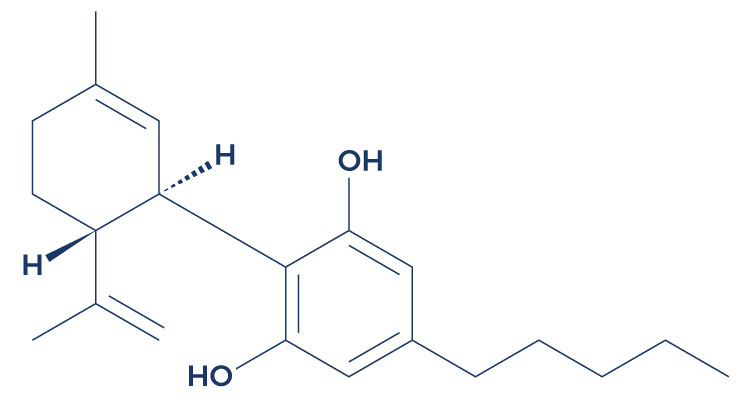
Chemical Structure of Naltrexone
IMG
Research on Low Dose Naltrexone
A. Fights Inflammation
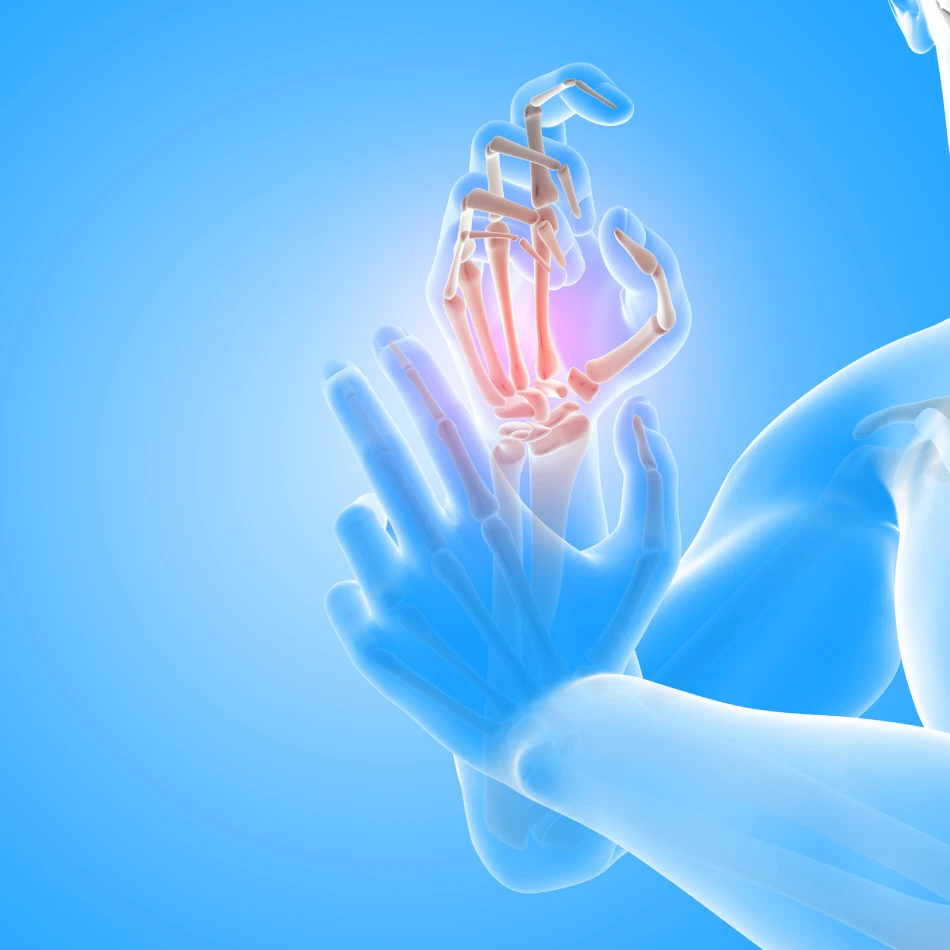
Low-dose naltrexone (LDN) reduces inflammation by modulating the body’s immune system. It blocks opioid receptors for a short period, leading to increased production of endorphins, which helps regulate immune responses and lower inflammatory markers like pro-inflammatory cytokines. This anti-inflammatory effect makes LDN beneficial in treating chronic inflammatory disorders such as multiple sclerosis, fibromyalgia, and Crohn’s disease.
- A review evaluated LDN’s safety and efficacy in managing chronic pain and inflammation in multiple sclerosis, fibromyalgia, and Crohn’s disease. It concluded that LDN effectively reduced inflammation and pain through immune system modulation and was well-tolerated with minimal side effects. [1]
- A study on chronic pain conditions demonstrated that LDN significantly reduced pro-inflammatory cytokines in fibromyalgia patients. The results showed notable improvements in pain levels and inflammatory markers, supporting LDN as a viable option for managing chronic inflammatory conditions. [2]
- LDN was investigated in patients with hyperinsulinemia, where it reduced inflammatory markers like IL-6 and TNF-alpha and improved insulin sensitivity. The findings suggest that LDN not only helps with inflammation but also improves metabolic health, making it useful in conditions like diabetes. [3]
- In inflammatory bowel disease (IBD) patients, LDN was found to induce remission by reducing inflammation. The clinical trial showed that patients receiving LDN had better remission outcomes compared to those on placebo, suggesting LDN’s potential as an adjunct therapy for IBD. [4]
- In fibromyalgia patients, an eight-week LDN treatment led to a significant reduction in pro-inflammatory cytokines. This reduction was associated with improvements in pain and overall quality of life, further supporting LDN’s role in treating inflammation-related conditions. [5]
- A systematic literature review assessed LDN’s effectiveness in treating fibromyalgia. It highlighted LDN’s ability to reduce inflammatory cytokines and improve pain symptoms, although more randomized controlled trials were recommended to confirm these findings. [6]
- A pilot study demonstrated significant reductions in fibromyalgia symptoms following LDN treatment. Patients reported improved pain, fatigue, and inflammation, providing early evidence for LDN’s role in managing chronic inflammatory conditions. [7]
- A retrospective analysis examined the predictors of treatment success or discontinuation of LDN in fibromyalgia and other chronic pain conditions over fourteen years. The study concluded that LDN is effective in improving pain outcomes and has a favorable safety profile. [8]
B. Fights Oxidative Stress
IMG
Low-dose naltrexone (LDN) combats oxidative stress by modulating immune function and promoting the release of endogenous opioids, which have antioxidant properties. This process helps neutralize free radicals, reducing oxidative damage to tissues. By minimizing oxidative stress, LDN may protect against chronic conditions linked to inflammation and oxidative damage.
- Research on chronic pain patients revealed that LDN has a significant anti-inflammatory effect by reducing oxidative stress markers. The study suggested that LDN decreases pro-inflammatory cytokines and oxidative damage, contributing to pain relief and better overall health. These results suggest that LDN may be a useful therapy for oxidative stress-related chronic conditions. [2]
- A study demonstrated that LDN extended both health span and lifespan in C. elegans through the activation of SKN-1, a regulator of oxidative stress response. This model supports LDN’s potential for reducing oxidative damage and promoting longevity in more complex organisms. The findings provide a foundation for future research into the role of LDN in managing oxidative stress and aging. [9]
- In patients with multiple sclerosis, LDN was proposed as a treatment for not only managing symptoms but also reducing oxidative stress and neuroinflammation. The hypothesis centers around LDN’s ability to modulate immune responses and reduce cellular damage caused by reactive oxygen species (ROS), potentially improving outcomes for patients with neurodegenerative diseases. [10]
- The combination of alpha-lipoic acid and LDN was studied in pancreatic cancer patients, showing improved outcomes, possibly due to the antioxidative properties of the treatment. The combination appeared to reduce oxidative stress and inflammation, potentially improving the patients’ overall condition and longevity. This approach offers promising adjunctive therapy for cancer treatment. [11]
- A randomized controlled trial investigated LDN’s role as an adjunct therapy for major depressive disorder, revealing that it reduced inflammation and oxidative stress in patients. The study highlighted how reducing oxidative damage can alleviate depressive symptoms, supporting LDN’s broader therapeutic potential. These findings open avenues for using LDN in mental health treatments linked to oxidative stress. [12]
- In cancer therapy, LDN was found to enhance the effects of conventional treatments by reducing oxidative stress and improving immune responses. This combination therapy demonstrated better outcomes in managing tumor progression, highlighting LDN’s role as an adjunct in fighting oxidative damage associated with cancer. The study supports LDN’s application in reducing oxidative stress in cancer patients. [13]
- A study on patients with systemic sclerosis found that LDN alleviated pruritus (itching) by reducing oxidative stress and inflammation. The treatment’s impact on oxidative damage contributed to symptom relief, supporting LDN’s use in conditions characterized by inflammation and oxidative stress. These findings highlight the broad therapeutic scope of LDN beyond pain management. [14]
C. Modulates Immune Function

Low-dose naltrexone (LDN) modulates the immune system by regulating the production of pro-inflammatory cytokines and enhancing immune balance. LDN temporarily blocks opioid receptors, which triggers the body to release endogenous opioids, helping to modulate immune cell activity. This modulation reduces inflammation and promotes immune homeostasis, making LDN beneficial in treating autoimmune and immune-mediated conditions.
- In fibromyalgia patients, LDN was found to significantly reduce pro-inflammatory cytokines after eight weeks of treatment. The reduction in these cytokines was associated with improved symptoms, highlighting LDN’s capacity to modulate immune function in chronic pain conditions. [5]
- A scoping review evaluated LDN’s utility in non-cancer centralized pain conditions and found that LDN modulates immune responses, reducing inflammation and pain. The study highlighted LDN’s role in adjusting immune system activity to alleviate symptoms of chronic pain conditions, making it an effective therapy for patients with immune-mediated pain syndromes. [15]
- In a case study on chronic fatigue syndrome, LDN was found to reduce immune dysfunction by regulating inflammatory markers. The study demonstrated improvements in fatigue and immune function, suggesting that LDN’s immune-modulating properties could be beneficial for patients suffering from immune-related fatigue conditions. [16]
- A hypothesis-driven study proposed LDN for disease prevention and improving quality of life by modulating immune responses. The study emphasized LDN’s potential role in balancing immune function, which could prevent the development of autoimmune and chronic diseases. [17]
- A review of LDN’s role in rheumatological diseases highlighted its ability to modulate immune responses, specifically by reducing pro-inflammatory cytokines. This study suggested that LDN could be an effective treatment for autoimmune diseases, particularly those affecting the joints and connective tissues. [18]
- In a study investigating the long-term effects of LDN on mesenchymal stem cells, it was shown that LDN enhances the immunomodulatory properties of these cells. This indicates that LDN has the potential to be used in regenerative therapies and immune system modulation. [19]
- LDN was found to regulate macrophage activity in an animal model, leading to reduced inflammation. The study provided evidence of how LDN impacts immune cells to promote anti-inflammatory effects, supporting its use in chronic inflammatory conditions. [20]
- In a study focusing on the potential repurposing of LDN for COVID-19, researchers found that LDN might help prevent and treat immunothrombosis by modulating immune responses. The study demonstrated LDN’s ability to reduce excessive immune reactions, making it a potential therapeutic option for managing COVID-19-related complications. [21]
- A study on BV-2 microglia cells showed that LDN has immunometabolic effects, reducing inflammation and modulating cellular energy metabolism. These findings support LDN’s role in managing neuroinflammatory conditions by balancing immune and metabolic responses in immune cells. [22]
- A study found that LDN enhanced the maturation of bone marrow dendritic cells, crucial players in immune system activation. This research supports LDN’s role in promoting immune balance by enhancing immune cell functionality. [23]
- LDN was investigated in a case report on lung cancer, where it was found to modulate the immune system to slow tumor growth. The immune modulation contributed to a better response to cancer therapy, providing insights into LDN’s potential in oncology. [24]
- A therapeutic review discussed the widespread utility of LDN in various conditions, emphasizing its role in immune modulation. The study noted that LDN’s ability to regulate immune function makes it an effective and versatile treatment option across a wide range of immune-related disorders. [25]
D. Fights Cancer

Low-dose naltrexone (LDN) shows potential in cancer therapy by modulating the immune system and promoting apoptosis in cancer cells. It can upregulate the body’s natural immune response to target cancer cells, reduce tumor progression, and enhance the effects of traditional cancer treatments like chemotherapy. LDN’s ability to modulate macrophage activity and suppress oncogenic pathways, such as the PI3K/AKT/mTOR pathway, makes it a promising adjunctive treatment in various cancers.
- Research on the use of LDN as an adjuvant in cancer therapy found that it enhances the effects of chemotherapy and radiotherapy. The study demonstrated that LDN improves the body’s immune response to target cancer cells while reducing the side effects associated with cancer treatments, making it a promising complementary therapy. [13]
- A scoping review investigated LDN’s utility in non-cancer pain conditions and highlighted its immune-modulating properties that could be beneficial in cancer therapy. The review found that LDN helps reduce inflammation and might have protective effects in patients undergoing cancer treatment due to its regulatory impact on immune function. [15]
- In a case report on lung cancer, LDN was shown to have beneficial effects when combined with standard cancer treatments. The report highlighted the role of LDN in modulating immune function, which contributed to better outcomes in lung cancer patients. [24]
- A study discussed the relevance of LDN in cancer therapy, showing that it can enhance immune system activity and promote tumor cell apoptosis. It also highlighted that LDN’s ability to regulate cytokine production and immune cell activity might provide a complementary approach in cancer treatment alongside conventional therapies. [25]
- A study exploring LDN’s role in immune-related diseases and cancer therapy found that it helps regulate the immune response and may slow tumor progression. The research suggested that LDN could be a valuable treatment option in immune-mediated cancers, particularly due to its immunomodulatory properties. [26]
- In colorectal cancer, LDN was shown to promote apoptosis and inhibit cancer progression by increasing the activity of M1-type macrophages. This study suggested that LDN’s role in enhancing immune cell activity could be crucial in controlling cancer growth and promoting tumor cell death. [27]
- LDN was found to upregulate unique gene expressions in cancer cells, distinct from higher doses, which contributes to its antitumor effects. This study highlighted how LDN’s unique gene expression modulation could be leveraged in cancer therapy for better outcomes. [28]
- In an ovarian cancer study, LDN was shown to suppress tumor growth and enhance the effects of cisplatin. The research demonstrated that LDN could act synergistically with chemotherapy, reducing tumor size and improving patient response to treatment. [29]
- A study on cervical cancer demonstrated that LDN inhibits cancer progression by suppressing the PI3K/AKT/mTOR pathway. The results indicate that LDN not only prevents cancer growth but also enhances immune cell activity against tumor cells, making it a promising treatment for cervical cancer. [30]
- Another case report on lung cancer confirmed the beneficial effects of LDN in combination with traditional cancer treatments. The study emphasized that LDN’s immune-modulating properties could enhance the therapeutic response and reduce the risk of cancer progression. [31]
- In vitro studies on cervical cancer cells found that LDN inhibits the epithelial-mesenchymal transition, which plays a critical role in cancer metastasis. Additionally, LDN’s indirect effects on tumor-associated macrophages further suppressed tumor progression, highlighting its potential in preventing cancer metastasis. [32]
E. Treats Autoimmune Conditions
Low-dose naltrexone (LDN) has shown potential in treating autoimmune conditions by modulating the immune system. LDN works by briefly blocking opioid receptors, which leads to increased endorphin production, subsequently regulating immune responses. This action helps reduce inflammation and autoimmune activity, making it a promising therapy for conditions such as multiple sclerosis, psoriasis, and other immune-mediated disorders.
- A quasi-experimental study investigated the effects of LDN in patients with multiple sclerosis (MS), focusing on medication use. The study found that LDN helped reduce the need for other medications, indicating its potential to manage MS symptoms effectively. This suggests that LDN can offer a complementary approach to standard MS therapies by reducing inflammation and modulating immune function. [33]
- In a case report, LDN was used to treat a patient with guttate psoriasis, an autoimmune skin condition. The patient experienced significant improvement in symptoms, including reduced skin lesions and inflammation, after starting LDN therapy. This case highlights LDN’s potential as an alternative treatment for psoriasis, offering symptom relief and improved quality of life for patients with autoimmune skin conditions. [34]
F. Reduces Insulin Resistance
Low-dose naltrexone (LDN) has been found to reduce insulin resistance by addressing inflammation, which plays a critical role in metabolic disorders. LDN modulates the immune system and reduces pro-inflammatory cytokines, which can improve insulin sensitivity and reduce the risk of diabetes and other metabolic conditions.
- Another study explored the anti-inflammatory effects of LDN in chronic pain conditions, including fibromyalgia, and noted improved insulin sensitivity in patients with chronic inflammation. By reducing pro-inflammatory markers, LDN contributed to better metabolic outcomes, highlighting its utility in addressing both pain and metabolic disorders like insulin resistance. [2]
- A study on hyperinsulinemia demonstrated that LDN effectively reduced inflammation and insulin resistance. The study showed that LDN lowered markers such as IL-6 and TNF-alpha, leading to improved insulin sensitivity in patients with hyperinsulinemia. These findings suggest LDN’s potential as a therapeutic agent for managing insulin resistance and improving metabolic health. [3]
- A fourteen-year retrospective analysis of patients with fibromyalgia and other chronic pain conditions revealed that LDN not only helped manage pain but also had an impact on metabolic functions. The long-term study identified predictors of treatment success, with many patients showing improved inflammatory and metabolic profiles. This suggests LDN’s broader application in conditions linked to insulin resistance. [8]
G. Improves Skin Health
Low-dose naltrexone (LDN) has been increasingly studied for its potential benefits in improving skin health. By modulating the immune system and reducing inflammation, LDN may help alleviate various dermatological conditions, including chronic skin disorders like eczema, psoriasis, and Hailey-Hailey disease. LDN’s ability to reduce inflammation and modulate immune responses contributes to better skin barrier function and healing.
- A review on LDN’s role in dermatology highlighted its effectiveness in treating various skin conditions. The study focused on inflammatory skin disorders, such as eczema and psoriasis, where LDN helped reduce symptoms by modulating immune responses and lowering inflammatory markers. The review suggested that LDN could serve as an adjunct therapy in dermatological practice. [35]
- A study on excoriation disorder demonstrated that LDN helped improve compulsive skin-picking behaviors. Patients showed significant reductions in skin lesions and overall improvement in their skin health, with LDN helping to control the psychological and inflammatory aspects of the condition. These findings indicate LDN’s potential as a treatment for skin-picking disorders. [36]
- In a report discussing LDN’s broader applications, it was noted that the drug’s anti-inflammatory properties helped reduce flare-ups in skin conditions such as psoriasis and atopic dermatitis. The study suggested that LDN could improve skin health by regulating immune function and reducing chronic inflammation, thus promoting healing in long-standing skin conditions. [37]
- LDN has also been used to treat Hailey-Hailey disease, a rare genetic skin disorder characterized by painful blisters. In this case report, patients treated with LDN showed remarkable improvement in skin lesions and reduced flare-ups. This suggests that LDN can be an effective treatment for chronic, difficult-to-treat skin conditions. [38]
- Another study on excoriation disorder further validated LDN’s efficacy, showing reductions in both skin-picking behaviors and related skin damage. The patients experienced significant healing in excoriated areas, highlighting LDN’s potential to improve not just skin conditions but also behavioral patterns contributing to skin damage. [39]
H. Treats Chronic Pain
Low-dose naltrexone (LDN) has been shown to alleviate chronic pain by modulating the body’s immune and inflammatory responses. By temporarily blocking opioid receptors, LDN triggers a compensatory increase in the production of endorphins and other endogenous opioids, which helps reduce pain perception. Additionally, LDN decreases inflammation by reducing pro-inflammatory cytokines, making it a promising option for managing chronic pain conditions like fibromyalgia, neuropathy, and corneal pain.
- In a study investigating LDN as an anti-inflammatory treatment for chronic pain, researchers found that LDN reduced pro-inflammatory cytokines and improved pain symptoms. The study was conducted on patients with various chronic pain conditions, and it provided evidence of LDN’s dual effect on pain relief and inflammation reduction. These results suggest that LDN could be an effective alternative therapy for patients suffering from chronic pain conditions. [2]
- A systematic review examined the safety and efficacy of LDN in patients with fibromyalgia. The review highlighted LDN’s ability to reduce pain intensity, improve mood, and enhance overall quality of life. The findings suggest that LDN offers a well-tolerated and effective treatment option for managing chronic pain in fibromyalgia patients. [40]
- A case series at a single institution evaluated LDN’s efficacy in treating chronic pain patients. Results showed that patients experienced a significant reduction in pain levels and improved quality of life after LDN treatment. The study further supported the potential of LDN as a low-risk, cost-effective treatment for chronic pain management. [41]
Research on High Dose Naltrexone
A. Promotes Weight Loss
High-dose naltrexone, especially in combination with bupropion, has shown promise in promoting weight loss through mechanisms involving appetite suppression and the modulation of reward pathways in the brain. This combination acts on the hypothalamus and mesolimbic dopamine pathways to reduce food cravings and increase feelings of satiety, helping patients manage their weight more effectively. Naltrexone also blocks the opioid receptors that can enhance the pleasurable effects of food, reducing overeating and binge behaviors.
- A review on the use of naltrexone for obesity treatment highlighted its efficacy in reducing body weight, particularly when combined with bupropion. The study noted that the combination of these medications is beneficial for patients with obesity, helping to suppress appetite and manage food cravings. [52]
- A systematic review confirmed the safety and efficacy of naltrexone for weight loss in adult patients. The analysis showed significant weight reductions in patients treated with naltrexone, and it highlighted its potential as a sustainable long-term option for managing obesity. [53]
- An investigation into the combination of naltrexone and bupropion revealed its effectiveness in both initial weight loss and weight maintenance. Patients treated with this combination experienced significant and sustained reductions in body weight, supporting its role as an effective long-term therapy for obesity management. [54]
- A study focused on patients with Type 2 diabetes found that naltrexone/bupropion is effective in reducing body weight while improving glycemic control. This dual benefit makes the combination particularly useful for managing obesity in patients with metabolic disorders like diabetes. [55]
- Research into the psychiatric safety of naltrexone/bupropion as an add-on to antidepressant therapy in patients with obesity found it to be well-tolerated. The combination promoted significant weight loss without exacerbating psychiatric symptoms, making it a safe option for patients undergoing mental health treatments. [56]
- An earlier clinical trial examined the long-term effects of naltrexone therapy on body weight in obese patients. Results showed that extended treatment with naltrexone resulted in substantial weight loss over time, underscoring its potential as a long-term solution for obesity management. [57]
- A more recent update on the efficacy of naltrexone/bupropion for obesity treatment reinforced the combination’s safety and effectiveness. The study confirmed that the combination therapy leads to clinically significant weight loss, with minimal adverse effects, further solidifying its role in weight management strategies.[58]
- A meta-analysis of unpublished clinical study reports on naltrexone-bupropion for obesity management demonstrated its significant effects on weight reduction. The analysis highlighted the combination’s ability to provide meaningful and sustained weight loss across various clinical trials, offering a robust therapeutic option for obesity.[59]
- A study explored the relationship between early weight loss and long-term maintenance in patients using naltrexone-bupropion therapy. The results indicated that early weight loss success was strongly correlated with sustained long-term weight maintenance, emphasizing the importance of initial treatment success in obesity management.[60]
- Another study examined naltrexone/bupropion’s effects on weight loss in non-diabetic patients, finding that weight reduction occurred independently of nausea, a common side effect. This finding suggests that the weight loss effects are not dependent on adverse gastrointestinal effects, improving its tolerability for broader patient populations.[61]
- A multicenter, randomized, double-blind, placebo-controlled trial evaluated naltrexone combined with bupropion in overweight and obese adults. The study found that the combination significantly increased weight loss compared to placebo, highlighting its effectiveness as a pharmacological intervention for obesity. [62]
- A systematic review and meta-regression analysis further confirmed the positive effects of bupropion and its combination with naltrexone on weight loss. The combination therapy was found to be superior in promoting weight loss, supporting its use as a highly effective pharmacotherapy for obesity. [63]
- A case report of a patient with severe monogenic obesity demonstrated successful weight loss following treatment with naltrexone-bupropion after multiple prior treatment failures. This case suggests the combination therapy’s potential utility in patients with more complex forms of obesity. [64]
- Another randomized phase 3 trial evaluated the long-term effects of naltrexone SR/bupropion SR on weight and obesity-related risk factors. Results showed that the combination not only promoted weight loss but also reduced obesity-related health risks, including cardiovascular and metabolic disorders. [65]
- A study investigating naltrexone/bupropion for treating altered eating behaviors and weight loss in patients with binge eating disorder found that the combination was effective in reducing both binge eating episodes and body weight. This suggests that the combination therapy may be beneficial for patients struggling with disordered eating behaviors. [66]
- A review discussed the new-generation anti-obesity drugs, including naltrexone/bupropion, and highlighted its role as a promising treatment option. The review emphasized its safety profile and efficacy in managing obesity, particularly in conjunction with lifestyle changes and behavioral therapy. [67]
- Another review provided an overview of the combination therapy for obesity, highlighting its mechanisms of action and clinical benefits. The study concluded that naltrexone/bupropion is an effective pharmacotherapy for weight loss, offering a well-tolerated option for long-term management of obesity. [68]
B. Promotes Smoking Cessation
Naltrexone, primarily used for alcohol and opioid dependence, has been explored for its efficacy in helping smokers quit by reducing cravings and withdrawal symptoms. By blocking opioid receptors, naltrexone reduces the rewarding effects of nicotine, making smoking less pleasurable and reducing urges. Studies suggest that naltrexone, either alone or in combination with other therapies like bupropion or nicotine replacement, may support smoking cessation, particularly in heavy drinkers and individuals with co-occurring substance use disorders.
- A study explored the combined effects of naltrexone and alcohol on cigarette cravings in heavy-drinking smokers. It was found that naltrexone reduced cigarette cravings in the context of alcohol consumption, suggesting that it could help smokers who also struggle with heavy alcohol use to reduce their smoking urges. [69]
- Research focused on smoking cessation outcomes with naltrexone in nicotine-dependent men and women, also addressing concerns about weight gain. The study revealed that naltrexone was effective in aiding smoking cessation and helped mitigate the typical weight gain associated with quitting smoking. [70]
- A clinical trial compared the combination of bupropion and naltrexone with a placebo for smoking cessation. The combination therapy was more effective than placebo in helping individuals quit smoking, demonstrating the potential of using naltrexone alongside bupropion to enhance cessation outcomes. [71]
- In a study examining the augmentation of nicotine replacement therapy with low-dose naltrexone, researchers found that the combination helped with smoking cessation while minimizing weight gain. This suggests that naltrexone could complement nicotine replacement therapy by reducing both nicotine cravings and post-cessation weight gain. [72]
- A randomized clinical trial investigated the combination of varenicline and naltrexone for smoking cessation and drinking reduction. The results showed that the combination was effective in reducing both smoking and drinking, making it a promising treatment option for individuals struggling with both nicotine and alcohol use disorders. [73]
- Naltrexone was studied for its effects on both short-term and long-term smoking cessation, with positive outcomes observed. Smokers using naltrexone had higher quit rates both in the short-term and after sustained periods, suggesting its potential for long-term cessation support. [74]
- A randomized controlled trial examined naltrexone’s impact on smoking-related behaviors in smokers preparing to quit. Naltrexone was found to reduce smoking urges and facilitate the quitting process, making it an effective option for smokers preparing to reduce or quit smoking. [75]
- A study focused on patients with schizophrenia explored the combination of naltrexone and bupropion for smoking cessation and weight loss. The combination treatment was effective in reducing cigarette use and promoting weight loss, offering a valuable option for patients with complex health conditions like schizophrenia. [76]
- In a double-blind randomized placebo-controlled trial, naltrexone was evaluated for its effectiveness in heavy-drinking smokers seeking smoking cessation treatment. Naltrexone showed efficacy in reducing both smoking and alcohol consumption, providing dual benefits for individuals with these co-occurring issues. [77]
- A study on heavy-drinking smokers found that naltrexone improved quit rates, reduced smoking urges, and decreased alcohol use in those attempting to quit smoking. This highlights naltrexone’s potential as an effective aid in both smoking cessation and alcohol use reduction. [78]
- Research examined the effects of naltrexone on nicotine’s reinforcing effects in smokers, revealing that naltrexone blocked nicotine’s rewarding properties. This made smoking less satisfying for participants, helping them reduce their cigarette consumption. [79]
- Another study looked at the impact of depressive symptoms on the efficacy of naltrexone for smoking cessation. The findings suggested that naltrexone’s effectiveness was reduced in individuals with high levels of depressive symptoms, highlighting the need to consider mental health when prescribing naltrexone for smoking cessation. 80]
- A preliminary study explored the combination of naltrexone and nicotine patches for smoking cessation, showing promising results. Naltrexone helped reduce cravings and supported long-term abstinence from smoking when combined with nicotine patches. [81]
- A preliminary investigation into the combination of naltrexone and bupropion for smoking cessation found that the dual therapy helped individuals quit smoking while minimizing the associated weight gain. The combination showed promise in helping smokers achieve better outcomes with fewer adverse side effects. [82]
- A secondary analysis of a clinical trial focused on individuals with methamphetamine use disorder found that naltrexone plus bupropion was effective in reducing cigarette smoking. This combination showed potential as a treatment for individuals with multiple substance use challenges. [83]
- A study on naltrexone’s role in treating alcohol dependence revealed that nicotine use influenced naltrexone’s efficacy. Smokers with alcohol dependence who used naltrexone showed better treatment outcomes, indicating that addressing both smoking and alcohol use together could enhance the effectiveness of naltrexone treatment. [84]
C. Treats Impulse Control Disorders
Naltrexone has shown potential in treating impulse control disorders by modulating the brain’s reward system, which is often implicated in compulsive behaviors. It works by blocking opioid receptors, which play a role in the release of dopamine, a neurotransmitter associated with reward and pleasure. By inhibiting these pathways, naltrexone can reduce the compulsive urges and behaviors seen in disorders like pathological gambling and substance abuse.
- A UK case series explored the use of naltrexone in treating pathological and problem gambling. The study observed several patients who were prescribed naltrexone, reporting significant reductions in gambling urges and behaviors. These findings highlight naltrexone’s potential as a therapeutic option for individuals struggling with gambling addiction, offering a way to manage compulsive gambling through opioid receptor antagonism. [85]
- Another study examined how naltrexone modulates the neural mechanisms of motor impulse control in individuals with a history of alcohol and polysubstance dependence. Using neuroimaging, the research revealed that naltrexone had differential effects on brain regions responsible for impulse control, helping individuals maintain better self-regulation. This study supports the role of naltrexone in improving impulse control in those with a history of substance use disorders, further expanding its utility beyond substance abuse to impulsive behaviors in general. [86]
D. Treats Chronic Pain
Naltrexone, particularly in low doses, has shown effectiveness in managing chronic pain through its unique mechanism of modulating the central nervous system’s opioid receptors. By temporarily blocking these receptors, naltrexone triggers an increase in endorphins and other neurotransmitters that help reduce pain perception and inflammation. This mechanism is especially beneficial in conditions like fibromyalgia, multiple sclerosis, and chronic pain syndromes, offering patients relief with a low risk of addiction or tolerance.
- Naltrexone/Bupropion ER was examined for its effectiveness in chronic weight management, and while the study’s primary focus was on weight loss, it also highlighted naltrexone’s role in managing chronic pain through its opioid receptor-blocking mechanism. The findings suggest that, in addition to aiding weight loss, naltrexone can reduce pain perception in patients with obesity-related pain conditions. [87]
- A comprehensive review highlighted the safety and efficacy of low-dose naltrexone (LDN) in managing chronic pain and inflammation in conditions like multiple sclerosis and fibromyalgia. The review emphasized LDN’s ability to reduce inflammatory cytokines and improve pain outcomes, presenting it as a promising therapeutic option with minimal side effects for chronic pain disorders. [88]
- An observational study explored the effective doses of LDN for chronic pain management, finding that doses between 2.5 to 4.5 mg provided significant pain relief in conditions like fibromyalgia and neuropathic pain. The study showed that LDN not only improved pain scores but also enhanced overall quality of life, with few adverse effects reported. [89]
- A case series from a single institution demonstrated the benefits of LDN in managing chronic pain in patients with fibromyalgia and other pain syndromes. The series showed a reduction in pain scores and improvement in daily functioning, supporting LDN as a well-tolerated, effective option for pain management. [90]
- A systematic review highlighted the use of LDN for chronic pain, summarizing studies that investigated its analgesic effects in conditions like fibromyalgia, complex regional pain syndrome (CRPS), and multiple sclerosis. The review confirmed that LDN is an emerging treatment for chronic pain with a favorable safety profile. [91]
- A scoping review explored the utilization of low-dose naltrexone for chronic pain management, emphasizing its potential in reducing inflammation and hyperalgesia in chronic pain patients. This study reinforced the growing evidence of LDN’s effectiveness in various pain syndromes, including fibromyalgia and neuropathic pain. [92]
- A fourteen-year retrospective analysis examined the efficacy of LDN in fibromyalgia and chronic pain conditions, identifying predictors of treatment success and discontinuation. The study found that patients who continued LDN therapy reported long-term improvements in pain, sleep, and quality of life, underscoring its role as a viable treatment for chronic pain. [93]
- Research into the use of LDN for fibromyalgia highlighted its ability to significantly reduce pain and fatigue in patients. The findings suggest that LDN may modulate neuroinflammation and improve pain outcomes, positioning it as a potential adjunct therapy for managing fibromyalgia symptoms. [94]
- A review focusing on the safety and efficacy of LDN in fibromyalgia confirmed its positive effects on pain and inflammation. The study emphasized that LDN provides an alternative to traditional opioid medications, making it an important option in treating chronic pain with fewer risks of dependence or tolerance. [95]
- Research on the effects of LDN on opioid-induced hyperalgesia and fibromyalgia revealed that LDN could reduce heightened pain sensitivity caused by long-term opioid use. The study showed that LDN could serve as a therapeutic alternative for patients suffering from opioid-related hyperalgesia and chronic pain. [96]
- A systematic review on the safety and efficacy of LDN in patients with fibromyalgia concluded that LDN is a promising treatment for reducing pain and improving quality of life. The study highlighted that LDN’s anti-inflammatory and neuroprotective effects make it a valuable option in managing fibromyalgia and other chronic pain conditions. [97]
- A scoping review on perioperative naltrexone management explored its role in chronic pain management in surgical settings. The findings indicated that naltrexone could be used perioperatively to manage pain while minimizing the risks of opioid dependence, positioning it as a useful tool in the perioperative pain management strategy. [98]
E. Treats Alcohol Dependence
Naltrexone, an opioid antagonist, has been widely researched for its efficacy in treating alcohol dependence by reducing cravings and heavy drinking episodes. It works by blocking the rewarding effects of alcohol, helping to reduce the urge to drink.
- A review of the efficacy of naltrexone in managing alcohol dependence found that it significantly reduced relapse rates and heavy drinking episodes in individuals receiving treatment. The study concluded that naltrexone is effective when used in combination with counseling and support programs for alcohol dependence. [99]
- Another study focused on the specific effects of naltrexone on heavy drinking patterns. It found that naltrexone helped reduce the frequency and intensity of heavy drinking episodes in individuals with alcohol dependence, making it a valuable tool for long-term management of alcohol use disorders. [100]
- A large randomized controlled trial examined naltrexone’s effectiveness in treating alcohol dependence in veterans. The results indicated that naltrexone significantly reduced alcohol consumption and helped participants maintain sobriety over time. [101]
- In a clinical trial, naltrexone was found to significantly reduce the number of heavy drinking days in patients with alcohol dependence compared to placebo. The study underscored naltrexone’s role as an effective intervention for reducing alcohol consumption and improving long-term outcomes. [102]
- A systematic review evaluated the efficacy and tolerability of naltrexone in alcohol dependence treatment. It concluded that naltrexone is generally well-tolerated and effective in reducing alcohol cravings, making it a valuable option in addiction treatment. [103]
- In a placebo-controlled trial comparing naltrexone and nefazodone, naltrexone demonstrated a greater ability to reduce alcohol consumption in dependent patients. The findings highlighted naltrexone’s superior efficacy in managing alcohol dependence compared to other pharmacotherapies. [104]
- A systematic review and meta-analysis compared various pharmacological treatments for alcohol dependence, including naltrexone, nalmefene, and acamprosate. The review found naltrexone to be one of the most effective medications in reducing alcohol consumption, particularly for individuals with heavy drinking patterns. [105]
- Another meta-analysis assessed the efficacy of naltrexone and acamprosate in treating alcoholism. The results showed that both medications were effective, but naltrexone had a slight edge in reducing relapse rates and maintaining abstinence. [106]
- A report by the Center for Substance Abuse Treatment outlined naltrexone’s role in alcoholism treatment. It emphasized the importance of integrating naltrexone into comprehensive treatment programs, combining medication with behavioral therapies for optimal outcomes. [107]
F. Treats Opioid Addiction
Naltrexone, especially in its extended-release form, has been found to be an effective pharmacological treatment for opioid addiction by blocking opioid receptors, reducing cravings, and preventing the euphoric effects of opioids. Its use is beneficial for individuals aiming to maintain long-term abstinence from opioids, particularly in countries where other opioid-replacement therapies like methadone and buprenorphine are not available.
- A study in countries without access to methadone and buprenorphine demonstrated that naltrexone effectively reduced opioid cravings and helped individuals maintain abstinence. This research emphasizes the utility of naltrexone in environments where opioid substitution therapy is limited. [108]
- Research has shown that naltrexone’s effectiveness in treating opioid dependence can be improved when individuals undergo regular testing to ensure proper opioid blockade. This study highlights the importance of adherence and proper dosing in maintaining the drug’s efficacy. [109]
- A study on the attitudes of African Americans toward extended-release naltrexone found favorable views, with participants noting it as a potential treatment option for opioid use disorder. This study underscores the need for culturally tailored approaches in addiction treatment programs. [110]
- In a trial involving opioid-dependent federal probationers, naltrexone pharmacotherapy was shown to reduce opioid relapse rates and criminal behavior. The findings suggest that naltrexone could be an important tool in rehabilitation programs for individuals under legal supervision. [111]
- A clinical trial testing rapid initiation of injection naltrexone showed promising results in treating opioid use disorder. The study demonstrated that initiating treatment with extended-release naltrexone led to high retention rates and better outcomes in preventing relapse. [102]
- A systematic review of extended-release injectable naltrexone found it to be highly effective in preventing relapse among individuals with opioid use disorder. The review emphasized naltrexone’s role as an essential component of opioid addiction treatment strategies, particularly for those seeking abstinence. [103]
- A meta-analysis examined the efficacy of naltrexone implants for treating opioid dependence and found significant reductions in opioid use among participants. The results support the use of long-acting naltrexone formulations to aid in long-term recovery efforts. [104]
- A study on the use of naltrexone in pregnant women with opioid dependency stressed a cautious and measured approach. While the findings were positive, further research is necessary to assess long-term outcomes for both mothers and infants. [105]
- In a study involving youth with opioid use disorder, extended-release naltrexone was found to be effective in reducing opioid use and promoting abstinence. The results highlight the potential of naltrexone for younger populations battling opioid addiction. [106]
- Naltrexone is increasingly being recognized for its broader utility beyond treating opioid addiction. A review noted its potential applications in managing other forms of substance abuse and impulse control disorders, making it a versatile option for comprehensive addiction care. [107]
- A study identified predictors of continued use of extended-release naltrexone in opioid-dependent individuals, particularly heroin and non-heroin users. This research can help tailor treatment plans for sustained adherence to naltrexone therapy. [108]
- A randomized clinical trial comparing injectable naltrexone to daily buprenorphine-naloxone found both treatments to be effective for opioid dependence, with naltrexone demonstrating comparable efficacy in preventing relapse. This study reinforces naltrexone’s viability as an alternative to opioid-replacement therapies. [109]
- A U.S. population-based study compared utilization and discontinuation rates of injectable and oral naltrexone with buprenorphine for opioid use disorder. The findings showed that extended-release naltrexone had higher retention rates, making it a preferred choice for long-term opioid addiction management. [110]
- A meta-analysis focused on healthcare utilization related to extended-release naltrexone for opioid and alcohol dependence. The study found that patients receiving extended-release naltrexone had lower healthcare costs and fewer hospitalizations compared to those on oral naltrexone or no treatment. [111]
Naltrexone Side Effects
Naltrexone side effects are very uncommon. There have been some side effects associated with the use of this drug wherein the patient had one of the issues listed below at some point while being on naltrexone. However, these side effects weren’t confirmed to be associated with the treatment and could have been a coincidence and not related to the use of naltrexone. Despite this, it was listed as a side effect associated with naltrexone even though these associated side effects are very uncommon.
Side effects associated with naltrexone may include the following:
- Nausea
- Sleepiness
- Headache
- Dizziness
- Vomiting
Differences Between Low Dose Naltrexone and Higher Dosing of Naltrexone
A. Mechanism of Action
- Low-Dose Naltrexone (LDN):
- Dose Range: Typically 1.5 mg to 4.5 mg daily.
- Mechanism of Action: LDN functions by transiently blocking opioid receptors for a short duration (approximately 4-6 hours). This temporary blockade triggers a compensatory upregulation of the body’s endogenous opioid system (e.g., endorphins and enkephalins), which promotes a range of immune-modulating effects. The immune system becomes better regulated, inflammation is reduced, and healing is promoted.
- Effects: LDN has an anti-inflammatory and immune-modulating effect, which has been leveraged to treat various autoimmune and inflammatory conditions, including multiple sclerosis, Crohn’s disease, fibromyalgia, and chronic pain syndromes.
- Higher-Dose Naltrexone (HDN):
- Dose Range: Typically 50 mg to 100 mg daily.
- Mechanism of Action: At higher doses, naltrexone acts as a potent opioid receptor antagonist, blocking the effects of exogenous opioids for an extended period. This blockade prevents opioids from producing their euphoric and analgesic effects, making it effective for treating opioid dependence by reducing cravings and preventing relapse. It also reduces the rewarding effects of alcohol, which is why it’s used in alcohol use disorder treatment.
- Effects: HDN primarily reduces opioid and alcohol dependence by blocking the rewarding pathways in the brain. Its primary use is in addiction treatment rather than autoimmune or inflammatory conditions.
B. Therapeutic Benefits
- Low-Dose Naltrexone (LDN):
- Autoimmune Diseases: LDN has shown promise in improving symptoms in autoimmune conditions such as multiple sclerosis, Crohn’s disease, rheumatoid arthritis, and lupus by modulating the immune response and reducing inflammation.
- Chronic Pain and Inflammation: LDN is used for conditions like fibromyalgia and chronic pain syndromes due to its anti-inflammatory properties.
- Mental Health and Well-Being: LDN may help improve mood and reduce symptoms of depression and anxiety by increasing the levels of endorphins (natural feel-good chemicals in the body).
- Higher-Dose Naltrexone (HDN):
- Opioid and Alcohol Dependence: HDN is used to block the effects of opioids and reduce the desire to drink alcohol. It has been FDA-approved for these purposes.
- Prevention of Relapse: HDN helps patients maintain abstinence by preventing the euphoric effects of opioids and reducing cravings for alcohol, supporting long-term recovery.
C. Side Effects and Tolerability
- Low-Dose Naltrexone (LDN):
- Side Effects: LDN is generally well tolerated, with minimal side effects. Some patients report vivid dreams or sleep disturbances when first starting treatment, but these usually resolve over time. LDN does not usually cause the same side effects as higher doses since it has a shorter duration of receptor blockade.
- Tolerability: Due to the low dosage, LDN is often considered a safe treatment option, even in long-term use, for patients with chronic conditions.
- Higher-Dose Naltrexone (HDN):
- Side Effects: HDN has a broader side effect profile, including nausea, headaches, fatigue, dizziness, and potential liver toxicity with prolonged use. These side effects tend to be more pronounced due to the higher dose and longer duration of action.
- Tolerability: Tolerability may be an issue for some patients, particularly with long-term use at high doses. Monitoring of liver function may be required when patients are on HDN.
D. Additional Factors
- Availability and Usage:
- LDN: LDN is not FDA-approved for autoimmune or chronic pain conditions, so it is typically prescribed off-label. It may not be as widely available or covered by insurance for these conditions, although it is growing in popularity as evidence for its effectiveness accumulates.
- HDN: HDN is FDA-approved for opioid and alcohol dependence, and it is widely used in addiction treatment centers. It is usually covered by insurance for these indications.
- Effect on Endogenous Opioids:
- LDN: Enhances the body’s own production of endorphins due to its short-duration receptor blockade, leading to an improvement in mood and pain relief.
- HDN: Completely blocks opioid receptors for an extended period, preventing not just exogenous opioids but also endogenous opioids from exerting their effects. This can lead to dysphoria or mood-related side effects in some patients.
Naltrexone Uses
Naltrexone is widely used in the treatment of alcohol and opioid addiction. It works by blocking the receptors in the brain that respond to these substances, thereby reducing cravings and preventing the euphoric effects that typically reinforce addiction. This makes Naltrexone a key component in many addiction recovery programs, especially for individuals who have already undergone detoxification.
Beyond addiction treatment, naltrexone is also used at lower doses for off-label applications, such as managing chronic pain and autoimmune disorders. In low-dose form (Low-Dose Naltrexone or LDN), it is believed to modulate the immune system and reduce inflammation, offering relief for conditions like fibromyalgia, multiple sclerosis, and Crohn’s disease. Although research is still ongoing, many patients report significant benefits from LDN therapy.
Naltrexone is available in both oral and extended-release injectable forms, allowing for flexible treatment options. The oral form is typically taken daily, while the injectable version, which lasts for about a month, is often chosen for patients who struggle with medication adherence. By offering multiple uses and formulations, Naltrexone has become a versatile tool in managing both addiction and various chronic conditions.
Naltrexone Drug Class
Naltrexone belongs to the drug class known as opioid antagonists. These drugs work by blocking the opioid receptors in the brain, preventing the euphoric and sedative effects of opioids. This makes Naltrexone particularly effective in treating opioid addiction, as it reduces cravings and eliminates the reinforcing effects of opioid use.
In addition to its role in opioid addiction, Naltrexone is also used to manage alcohol dependence. By modulating the brain’s reward system, Naltrexone decreases the pleasure derived from alcohol consumption, helping individuals maintain sobriety. Its versatility in treating both alcohol and opioid use disorders highlights its importance within the opioid antagonist drug class.
Low-Dose Naltrexone (LDN) is an off-label use that falls outside traditional addiction treatment. In lower doses, Naltrexone is used for its anti-inflammatory and immune-modulating properties, offering benefits for patients with chronic pain and autoimmune diseases. This expanded application shows how the drug’s classification extends beyond addiction management to address broader health conditions.
Naltrexone Dosage

Naltrexone dosage varies depending on the condition being treated and the formulation used. For alcohol or opioid addiction, the standard oral dosage is typically 50 mg per day. Alternatively, an extended-release injectable form, administered as a 380 mg dose once every four weeks, is often prescribed for individuals who struggle with daily adherence to oral medication.
In some cases, Naltrexone is prescribed in much lower doses, known as Low-Dose Naltrexone (LDN), ranging from 1.5 mg to 4.5 mg per day. LDN is used off-label for managing chronic pain, autoimmune conditions, and certain inflammatory diseases. The low-dose regimen leverages the drug’s anti-inflammatory and immune-modulating effects, offering potential benefits beyond its traditional use in addiction treatment.
Before initiating treatment, it is crucial for individuals to be opioid-free for at least 7-10 days to avoid precipitated withdrawal. Dosage adjustments and careful monitoring by a healthcare provider are necessary to ensure safety and effectiveness, particularly in patients with liver or kidney conditions, as Naltrexone can impact liver function at higher doses.
Naltrexone Weight Loss
Naltrexone has gained attention as a potential aid for weight loss, particularly when combined with other medications like bupropion in formulations such as Contrave. The drug works by modulating the brain’s reward pathways and reducing food cravings, particularly for high-calorie, highly palatable foods. By influencing these pathways, Naltrexone may help people better control their appetite and reduce emotional or binge eating.
In low doses, often referred to as Low-Dose Naltrexone (LDN), the medication is also believed to have an impact on metabolic function and inflammation, which are key factors in weight management. Some research suggests that LDN can help regulate insulin sensitivity, reduce chronic inflammation, and support a healthier metabolism, all of which contribute to improved weight loss outcomes.
However, while some studies and anecdotal reports show promising results, more extensive clinical trials are needed to confirm Naltrexone’s effectiveness and safety specifically for weight loss. As with any weight loss medication, it should be used under the guidance of a healthcare provider, alongside a balanced diet and regular exercise, to achieve the best long-term results.
Naltrexone Off-Label Uses
Naltrexone, primarily known for its role in treating alcohol and opioid addiction, has garnered attention for its off-label uses in recent years. One notable off-label application is its use in managing chronic pain and inflammation. Low-Dose Naltrexone (LDN) has been found to potentially reduce symptoms associated with conditions such as fibromyalgia and multiple sclerosis by modulating the immune system and decreasing inflammation.
In addition to pain management, LDN is being explored for its potential benefits in treating autoimmune disorders. Research suggests that it may help modulate the immune response in conditions like Crohn’s disease and rheumatoid arthritis, offering a complementary approach to traditional treatments. The mechanism behind this effect is believed to involve the regulation of immune system activity and reduction of inflammatory responses.
Despite the promising results from various studies, more research is needed to fully understand the efficacy and safety of naltrexone for these off-label uses. Its application outside of addiction treatment remains an area of active investigation, and patients should consult with healthcare providers to weigh the potential benefits and risks based on their individual health needs.
Naltrexone Sinclair Method
The Sinclair Method is a treatment approach for alcohol addiction that involves using Naltrexone as a key component. This method, developed by Dr. John Sinclair, leverages Naltrexone’s ability to block opioid receptors in the brain, which are associated with the pleasure and reward system of drinking alcohol. By taking Naltrexone before drinking, the method aims to reduce the positive reinforcement of alcohol consumption, gradually diminishing the urge to drink over time.
The Sinclair Method is unique because it integrates Naltrexone into a gradual reduction strategy. Instead of aiming for immediate abstinence, the method encourages individuals to continue drinking, but with Naltrexone reducing the pleasurable effects of alcohol. This approach helps in retraining the brain’s reward pathways, allowing individuals to develop a new relationship with alcohol and reduce their dependence more sustainably.
Research on the Sinclair Method suggests that it can be highly effective for many individuals struggling with alcohol addiction. Studies have shown that the method can lead to significant reductions in drinking behavior and alcohol cravings. However, success with the Sinclair Method requires adherence to the prescribed Naltrexone regimen and a commitment to following the treatment plan, emphasizing that it is most effective when combined with behavioral support and counseling.
Naltrexone vs Suboxone
Naltrexone is an opioid antagonist that blocks the effects of opioids by binding to opioid receptors without activating them. This helps to reduce cravings and prevent relapse in individuals who have already detoxified from opioids. It can also be used in the treatment of alcohol dependence and has a non-addictive profile, making it a suitable option for long-term management.
Suboxone, on the other hand, is a combination of buprenorphine and naloxone. Buprenorphine is a partial opioid agonist, meaning it activates opioid receptors but to a lesser extent than full agonists like heroin or prescription opioids. This helps to alleviate withdrawal symptoms and cravings without producing the intense high associated with opioid use. Naloxone is included to prevent misuse by causing withdrawal symptoms if the medication is injected. Suboxone is often used during the initial stages of opioid recovery and can be effective for long-term maintenance therapy.
Choosing between Naltrexone and Suboxone depends on various factors, including the patient’s current state of opioid use, treatment goals, and individual health conditions. Naltrexone is typically used after a period of opioid detoxification, while Suboxone is often employed during the early stages of recovery to manage withdrawal symptoms and cravings. Both medications play important roles in addiction treatment, and their use should be tailored to each individual’s needs and circumstances.
Naltrexone Injection
Naltrexone injection is a long-acting formulation used primarily to support the treatment of alcohol and opioid dependence. Administered as an intramuscular injection, it offers a convenient alternative to daily oral naltrexone, providing continuous therapeutic levels of the medication. This method of administration ensures consistent medication levels in the bloodstream, which can enhance adherence and efficacy for individuals struggling with addiction.
The injection is typically administered once a month, making it a practical choice for those who prefer less frequent dosing compared to daily oral tablets. This long-acting approach can be particularly beneficial for individuals who have difficulty adhering to a daily medication regimen. It also helps reduce the risk of relapse by maintaining a steady blockade against the euphoric effects of alcohol and opioids, which can support sustained recovery.
One key advantage of the naltrexone injection is its ability to provide a consistent therapeutic effect without the fluctuations that can occur with daily oral dosing. However, it’s important for patients to be committed to abstinence from alcohol or opioids before starting the injection, as using the medication while still consuming these substances can lead to severe withdrawal symptoms. Regular follow-ups with a healthcare provider are essential to monitor the injection’s effectiveness and manage any potential side effects.
Naltrexone Treatment for Opioid Withdrawal Symptoms
Naltrexone treatment for opioid withdrawal symptoms involves the use of this medication to manage and reduce cravings for opioids. By blocking opioid receptors in the brain, Naltrexone effectively prevents the euphoric effects of opioids, which can help individuals remain abstinent. This approach supports recovery by diminishing the psychological and physical drive to use opioids, thus aiding in the transition away from dependence.
During the initial phase of opioid withdrawal, patients may experience a range of symptoms including anxiety, muscle aches, and gastrointestinal distress. Naltrexone, however, is generally not recommended for use until after the patient has completed the detoxification process, as taking it too early can precipitate withdrawal symptoms or exacerbate discomfort. Once detoxified, patients can start Naltrexone therapy to maintain abstinence and support long-term recovery efforts.
In addition to its role in preventing relapse, Naltrexone can be an important component of a comprehensive treatment plan for opioid dependence. It is often used in conjunction with counseling, behavioral therapies, and support groups to address the multifaceted nature of addiction. Overall, Naltrexone provides a valuable tool for managing opioid withdrawal and supporting sustained recovery, helping individuals regain control of their lives and work towards a healthier future.