Amla Fruit

Overall Health Benefits of Amla Fruit

  • Improves symptoms of diabetes [1-3]
  • Lowers blood pressure [4]
  • Boosts sexual vitality and improves sexual health [5]
  • Speeds up wound healing [6-10]
  • Prevents and treats nerve damage [11-12]
  • Lowers the risk of stroke [13-15]
  • Improves kidney function [16-20]
  • Lowers the risk of cardiovascular disease [21-25]
  • Prevents Alzheimer’s disease (AD) and boosts cognitive health [26-31]
  • Prevents cancer [32-39]
  • Wards off depression and improves mood [40-41]
  • Improves skin health [42-43]

What is Amla Fruit?

Amla fruit, also known as Indian Gooseberry, is a super fruit that is cultivated in all parts of India. It is jam-packed with various nutrients such as vitamin C (20 times more than an orange), proteins, carbohydrates, fiber, iron, calcium, and potassium. It also has an uncommon balance of sweet, sour, bitter, and pungent flavors. Amla can be consumed raw and it’s available in the form of juice and powder.

How Amla Fruit Works

The phytonutrients and antioxidants in amla fruit help fight damaging free radicals in the body, which in turn reduces cellular damage. Since it contains high concentrations of vitamin C, it can help speed up the regeneration of wounds and damaged nerves.

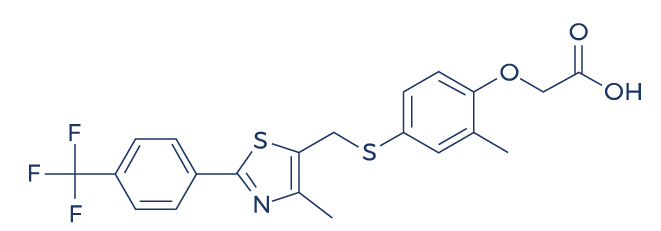
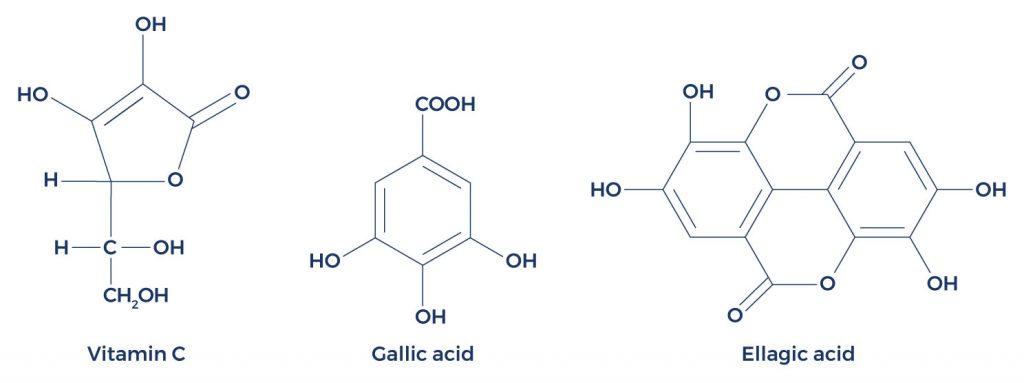
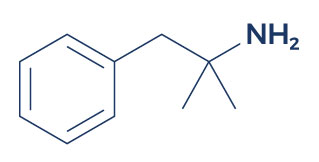
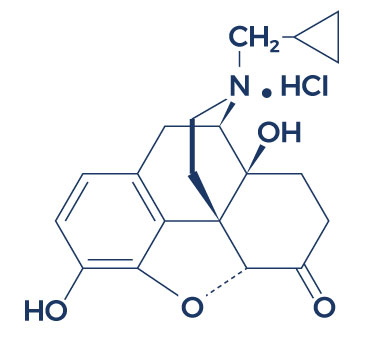
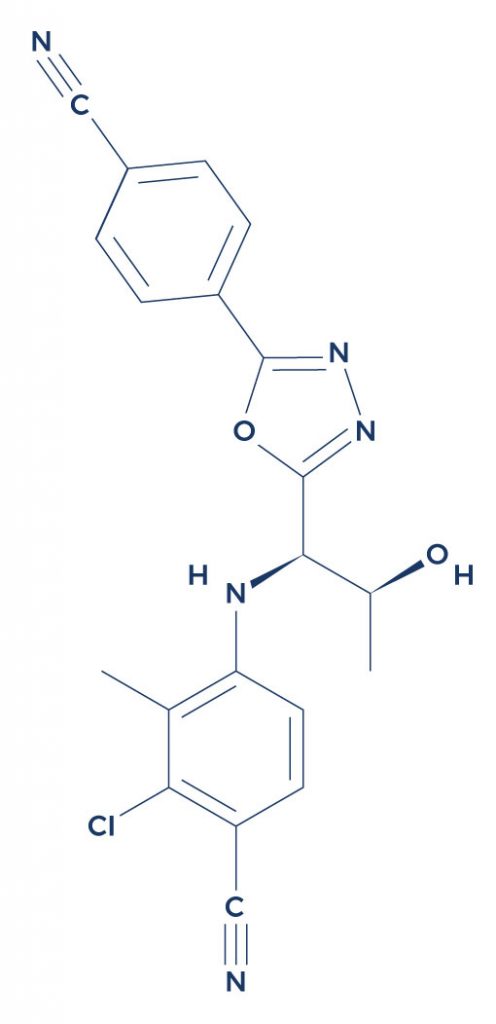
Chemical Structure of Amla Fruit

Amla Fruit

Research on Amla Fruit

A. Improves Symptoms of Diabetes

Evidence suggests that amla fruit exerts potent anti-diabetic effects:

  1. In diabetic volunteers, amla powder significantly improved high-density lipoprotein-cholesterol and lowered low-density lipoprotein cholesterol levels. [1]
  2. A study found that amla fruit extract inhibited the production of enzymes responsible for increasing blood sugar levels. [2]
  3. A study reported that amla fruit has phytochemicals that can act as a hypolipidemic agent (reduces blood lipid levels) that could reduce the risk of cardiovascular complications in diabetics [3]

B. Lowers Blood Pressure

There’s also evidence that shows that the hypolipidemic effect of amla fruit can be beneficial to blood pressure:

  1. A study found that amla produced a notable hypolipidemic effect along with a reduction in blood pressure. [4]

C. Boosts Sexual Vitality and Improves Sexual Health

In animal models, amla fruit has been found to influence sexual behavior:

  1. A study of Drosophila (fruit flies) found that amla fruit may improve sexual behavior. [5]

D. Speeds Up Wound Healing

Numerous studies also support the regenerative properties of amla fruit:

  1. In a mouse model of arsenic-induced injury, amla fruit reversed injuries associated with toxicity and inflammation. [6]
  2. A study found that amla fruit increased cellular proliferation and collagen migration at the wound site. [7]
  3. A study found that amla tonic can increase the amount of hemoglobin in the blood, suggesting that it can also boost blood circulation at the site of injury. [8]
  4. In human primary dental pulp fibroblasts, amla improved the regeneration of dental tissues. [9]
  5. A study found that amla exerts its regenerative effects through its antioxidant, anti-inflammatory, and anti-ulcer properties. [10]

E. Prevents and Treats Nerve Damage

There’s increasing evidence supporting the beneficial effects of amla on pain and nerve dysfunction associated with different nerve problems:

  1. A study found that amla has potent analgesic effects in both postoperative and neuropathic pain models. [11]
  2. In an animal model of diabetic neuropathy, amla fruit supplementation improved nerve function by reducing the levels of oxidative stress. [12]

F. Lowers the Risk of Stroke

There’s also a great deal of evidence suggesting that amla fruit consumption can improve cognitive function in stroke:

  1. In male Sprague-Dawley rats, amla fruit supplementation decreased the degeneration of neurons (nerve cells) in the brain.[13]
  2. In rats, amla fruit supplementation improved cognitive performance by increasing the levels of antioxidant enzymes in the brain. [14]
  3. A study found that amla fruit can lower the risk of stroke by reducing lipid levels. [15]

G. Improves Kidney Function

Studies found that amla fruit can help improve kidney function and reduce the risk of kidney disease:

  1. A study reported that amla can help prevent age-related kidney disease through its antioxidant properties. [16]
  2. In an animal model of kidney disease, amla reduced the levels of harmful free radicals in the kidneys.[17]
  3. In hypothyroid female Wistar rats, treatment with amla fruit extract reduced reactive oxygen species, which cause inflammation and organ damage. [18-20]

H. Lowers the Risk of Cardiovascular Disease

Amla has been found to lower the risk of cardiovascular disease by improving different health parameters:

  1. In obese adults, amla fruit reduced the risk of cardiovascular disease by reducing platelet aggregation. [21]
  2. A study also found that amla extract can prevent heart disease by reducing the levels of total cholesterol and triglycerides. [22]
  3. In rats fed with a high-fat diet, supplementation with ethanolic amla extract improved cardiac autonomic functions. [23]
  4. In healthy human subjects, the consumption of amla fruit increased the levels of high-density lipoprotein (good cholesterol) and decreased the levels of low-density lipoprotein (bad cholesterol) – both mechanisms can help lower the risk of heart disease. [24]
  5. A rat study found that oral administration of amla fruit extract (50 mg/kg body weight) significantly decreased the concentrations of pro-inflammatory cytokines, TNF-a, and IL-6 in serum – both of which are linked to cardiovascular disease. [25]

I. Prevents Alzheimer’s Disease (AD) and Boosts Cognitive Health

An overwhelming body of clinical evidence suggests that amla fruit can help reduce AD and age-related cognitive dysfunction:

  1. In rats, amla protected against aluminum chloride-induced Alzheimer’s disease. [26]
  2. A rat study found that amla can protect against AD and other neurodegenerative diseases by increasing the levels of antioxidant enzymes in the brain. [27]
  3. In rats, amla supplementation reversed aluminum-induced neurotoxicity. [28]
  4. In human subjects, amla supplementation enhanced memory and vitality performance without any adverse effects. [29]
  5. A study reported that amla possesses memory-enhancing effects possibly through its antioxidant and anti-cholinesterase activities. [30]
  6. In rats with diet-induced cognitive impairment, amla fruit supplementation alleviated cognitive dysfunction. [31]

J. Prevents Cancer

This super fruit also has potent anti-cancer properties which can be beneficial in killing various types of malignant cells in the body:

  1. A study found that the antioxidant properties of amla account for its anticancer activities. [32]
  2. A cell study found that amla fruit can kill cancer cells by inducing programmed cell death (apoptosis). [33]
  3. A cell study showed that amla extract inhibited ovarian cancer cell growth. [34]
  4. A study found that amla exerts its chemotherapy-like effects through its free radical scavenging properties, [35]
  5. A study reported that amla fruit can be an alternative medicine for cancer prevention and treatment. [36]
  6. A cell study found that amla extract can inhibit the growth and multiplication of resistant ovarian cancer cells. [37]
  7. A study found that amla extract can help reduce the risk of cancer by preventing cell instability. [38]
  8. In tumor-bearing animals, amla fruit extract consumption decreased the progression of oral cancer. [39]

K. Wards off Depression and Improves Mood

Consumption of amla fruit has also been associated with improvement in mood and reduction of depressive symptoms:

  1. A study found that amla showed antidepressant-like activity probably by inhibiting MAO-A and GABA and due to its antioxidant activities. [40]
  2. A study also reported that amla fruit exerts its antidepressant effects through its neuroprotective properties. [41]

L. Improves Skin Health

Amla fruit can help protect the skin from damaging free radicals and can positively affect the structures of the skin, according to studies:

  1. A study found that amla fruit protected against ultraviolet radiation-induced inflammation and programmed cell death (apoptosis). [42]
  2. In human skin cells, amla fruit extract promoted the production of procollagen, a protein necessary for the maintenance of skin structures. [43]

Associated Side Effects of Amla Fruit

Amla fruit side effects are very uncommon. There have been some side effects associated with its use wherein the patient had one of the issues listed below at some point while being on amla fruit. However, these side effects weren’t confirmed to be associated with the treatment and could have been a coincidence and not related to the use of amla fruit. Despite this, it was listed as a side effect associated with amla fruit even though these associated side effects are very uncommon.

Side effects associated with amla fruit may include the following:

  • Hair fall, itchiness, and other hair-related issues
  • Dehydration

References

  1. Akhtar, Muhammad &Ramzan, Ayesha & Ali, Amanat& Ahmad, maqsood_mul. (2011). Effect of Amla fruit (EmblicaofficinalisGaertn.) on blood glucose and lipid profile of normal subjects and type 2 diabetic patients. International journal of food sciences and nutrition. 62. 609-16. 10.3109/09637486.2011.560565.
  2. Available fromhttps://onlinelibrary.wiley.com/doi/10.1002/jsfa.10020.
  3. Available fromhttps://www.ijcmas.com/special/5/K.%20V.%20Santhi%20Sri,%20et%20al.pdf.
  4. Gopa B, Bhatt J, Hemavathi KG. A comparative clinical study of hypolipidemic efficacy of Amla (Emblicaofficinalis) with 3-hydroxy-3-methylglutaryl-coenzyme-A reductaseinhibitor simvastatin. Indian J Pharmacol. 2012;44(2):238-242. doi:10.4103/0253-7613.93857.
  5. Pathak P, Prasad BR, Murthy NA, Hegde SN. The effect of Emblicaofficinalis diet on lifespan, sexual behavior, and fitness characters in Drosophila melanogaster. Ayu. 2011;32(2):279-284. doi:10.4103/0974-8520.92544.
  6. Singh, M.K., Yadav, S.S., Yadav, R.S. et al. Protective effect of Emblica-officinalis in arsenic induced biochemical alteration and inflammation in mice. SpringerPlus 4, 438 (2015).
  7. Sumitra M, Manikandan P, Gayathri VS, Mahendran P, Suguna L. Emblicaofficinalis exerts wound healing action through up-regulation of collagen and extracellular signal-regulated kinases (ERK1/2). Wound Repair Regen. 2009;17(1):99-107. doi:10.1111/j.1524-475X.2008.00446.x.
  8. Available from http://www.jorr.org/article.asp?issn=2249-4987;year=2015;volume=7;issue=2;spage=65;epage=68;aulast=Grover.
  9. Baliga MS, Dsouza JJ. Amla (EmblicaofficinalisGaertn), a wonder berry in the treatment and prevention of cancer. Eur J Cancer Prev. 2011;20(3):225-239. doi:10.1097/CEJ.0b013e32834473f4.
  10. Bulbule AM, Mandroli PS, Bhat KG, Bogar CM. In vitro evaluation of cytotoxicity of Emblicaofficinalis (amla) on cultured human primary dental pulp fibroblasts. J Indian SocPedodPrev Dent 2019;37:251-7.
  11. Gaire, B.P., Subedi, L. Phytochemistry, pharmacology and medicinal properties of Phyllanthusemblica Linn.. Chin. J. Integr. Med. (2014). https://doi.org/10.1007/s11655-014-1984-2.
  12. Lim DW, Kim JG, Kim YT. Analgesic Effect of Indian Gooseberry (Emblicaofficinalis Fruit) Extracts on Postoperative and Neuropathic Pain in Rats. Nutrients. 2016;8(12):760. Published 2016 Nov 26. doi:10.3390/nu8120760.
  13. Kumar NP, Annamalai AR, Thakur RS. Antinociceptive property of EmblicaofficinalisGaertn (Amla) in high fat diet-fed/low dose streptozotocin induced diabetic neuropathy in rats [published correction appears in Indian J Exp Biol. 2009 Oct;47(10):778. Dosage error in article text]. Indian J Exp Biol. 2009;47(9):737-742.
  14. Uddin MS, Mamun AA, Hossain MS, Akter F, Iqbal MA, Asaduzzaman M. Exploring the Effect of Phyllanthusemblica L. on Cognitive Performance, Brain Antioxidant Markers and Acetylcholinesterase Activity in Rats: Promising Natural Gift for the Mitigation of Alzheimer’s Disease. Ann Neurosci. 2016;23(4):218-229. doi:10.1159/000449482.
  15. Gopa B, Bhatt J, Hemavathi KG. A comparative clinical study of hypolipidemic efficacy of Amla (Emblicaofficinalis) with 3-hydroxy-3-methylglutaryl-coenzyme-A reductase inhibitor simvastatin. Indian J Pharmacol. 2012;44(2):238-242. doi:10.4103/0253-7613.93857.
  16. Hashem-Dabaghian F, Ziaee M, Ghaffari S, Nabati F, Kianbakht S. A systematic review on the cardiovascular pharmacology of EmblicaofficinalisGaertn. J CardiovascThorac Res. 2018;10(3):118-128. doi:10.15171/jcvtr.2018.20.
  17. TakakoYokozawa, Hyun Young Kim, Hyun Ju Kim, Takashi Tanaka, Hidetoshi Sugino, Tsutomu Okubo, Djong-Chi Chu, and Lekh Raj Juneja Journal of Agricultural and Food Chemistry 2007 55 (19), 7744-7752.
  18. Yokozawa, Takako& Kim, Seung& Kim, Hyun & Tanaka, Takashi &Sugino, Hidetoshi & Okubo, Tsutomu & Chu, Djong-Chi &Juneja, Lekh. (2007). Amla( EmblicaofficinalisGaertn.) Attenuates Age-Related Renal Dysfunction by Oxidative Stress. Journal of agricultural and food chemistry. 55. 7744-52. 10.1021/jf072105s.
  19. Vasant RA, Narasimhacharya AV. Amla as an antihyperglycemic and hepato-renal protective agent in fluoride induced toxicity. J Pharm Bioallied Sci. 2012;4(3):250-254. doi:10.4103/0975-7406.99067.
  20. Available from https://www.degruyter.com/view/journals/jbcpp/29/2/article-p175.xml?tab_body=abstract.
  21. Khanna S, Das A, Spieldenner J, Rink C, Roy S. Supplementation of a standardized extract from Phyllanthusemblica improves cardiovascular risk factors and platelet aggregation in overweight/class-1 obese adults. J Med Food. 2015;18(4):415-420. doi:10.1089/jmf.2014.0178.
  22. Upadya, H., Prabhu, S., Prasad, A. et al. A randomized, double blind, placebo controlled, multicenter clinical trial to assess the efficacy and safety of Emblicaofficinalis extract in patients with dyslipidemia. BMC Complement Altern Med 19, 27 (2019). https://doi.org/10.1186/s12906-019-2430-y.
  23. Kanthe PS, Patil BS, Bagali SC, Reddy RC, Aithala MR, Das KK. Protective effects of Ethanolic Extract of Emblicaofficinalis (amla) on Cardiovascular Pathophysiology of Rats, Fed with High Fat Diet. J ClinDiagn Res. 2017;11(9):CC05-CC09. doi:10.7860/JCDR/2017/28474.10628.
  24. Vishala TC, Pitchaiah G, Pravadha D, Annapurna A. Effect of plain and fortified amla fruit powder on aluminum-induced Alzheimer’s Disease in Wistar Rats. Phcog Res 2019;11:406-9.
  25. Rao, T. P., Okamoto, T., Akita, N., Hayashi, T., Kato-Yasuda, N., & Suzuki, K. (2013). Amla (Emblica officinalis Gaertn.) extract inhibits lipopolysaccharide-induced procoagulant and pro-inflammatory factors in cultured vascular endothelial cells. The British journal of nutrition, 110(12), 2201–2206. https://doi.org/10.1017/S0007114513001669.
  26. Kapoor, M. P., Suzuki, K., Derek, T., Ozeki, M., & Okubo, T. (2019). Clinical evaluation of Emblica Officinalis Gatertn (Amla) in healthy human subjects: Health benefits and safety results from a randomized, double-blind, crossover placebo-controlled study. Contemporary clinical trials communications, 17, 100499. https://doi.org/10.1016/j.conctc.2019.100499.
  27. Uddin MS, Mamun AA, Hossain MS, Akter F, Iqbal MA, Asaduzzaman M. Exploring the Effect of Phyllanthusemblica L. on Cognitive Performance, Brain Antioxidant Markers and Acetylcholinesterase Activity in Rats: Promising Natural Gift for the Mitigation of Alzheimer’s Disease. Ann Neurosci. 2016;23(4):218-229. doi:10.1159/000449482.
  28. Arokiasamy Justin Thenmozhi, MathiyazahanDhivyabharathi, Tharsius Raja William Raja, ThamilarasanManivasagam&Musthafa Mohamed Essa (2016) Tannoid principles of Emblicaofficinalis renovate cognitive deficits and attenuate amyloid pathologies against aluminum chloride induced rat model of Alzheimer’s disease, Nutritional Neuroscience, 19:6, 269-278.
  29. Shah JS, Goyal RK. Usage trends for memory and vitality-enhancing medicines: A pharmacoepidemiological study involving pharmacists of the Gujarat region. Int J Ayurveda Res. 2010;1(3):138-143. doi:10.4103/0974-7788.72484.
  30. Golechha M, Bhatia J, Arya DS. Studies on effects of Emblicaofficinalis (Amla) on oxidative stress and cholinergic function in scopolamine induced amnesia in mice. J Environ Biol. 2012;33(1):95-100.
  31. Husain I, Akhtar M, Madaan T, Vohora D, Abdin MZ, Islamuddin M and Najmi AK (2018) Tannins Enriched Fraction of Emblicaofficinalis Fruits Alleviates High-Salt and Cholesterol Diet-Induced Cognitive Impairment in Rats via Nrf2–ARE Pathway. Front. Pharmacol. 9:23.
  32. Zhao T, Sun Q, Marques M, Witcher M. Anticancer Properties of Phyllanthusemblica (Indian Gooseberry). Oxid Med Cell Longev. 2015;2015:950890. doi:10.1155/2015/950890.
  33. Available from https://cancerres.aacrjournals.org/content/68/9_Supplement/5471.
  34. De A, De A, Papasian C, Hentges S, Banerjee S, Haque I, et al. (2013) Emblicaofficinalis Extract Induces Autophagy and Inhibits Human Ovarian Cancer Cell Proliferation, Angiogenesis, Growth of Mouse Xenograft Tumors. PLoS ONE 8(8): e72748.
  35. Available from https://www.greenpharmacy.info/index.php/ijgp/article/view/272.
  36. Kumnerdkhonkaen, P., Saenglee, S., Asgar, M.A. et al. Antiproliferative activities and phenolic acid content of water and ethanolic extracts of the powdered formula of HouttuyniacordataThunb. fermented broth and Phyllanthusemblica Linn. fruit. BMC Complement Altern Med 18, 130 (2018).
  37. De A, De A, Sharma R, Suo W, Sharma M. Sensitization of Carboplatinum- and Taxol-Resistant High-Grade Serous Ovarian Cancer Cells Carrying p53, BRCA1/2 Mutations by Emblicaofficinalis (Amla) via Multiple Targets. J Cancer 2020; 11(7):1927-1939. doi:10.7150/jca.36919.
  38. Guo XH, Ni J, Xue JL, et al. Phyllanthusemblica Linn. fruit extract potentiates the anticancer efficacy of mitomycin C and cisplatin and reduces their genotoxicity to normal cells in vitro. J Zhejiang UnivSci B. 2017;18(12):1031-1045.
  39. Krishnaveni, M., & Mirunalini, S. (2012). Chemopreventive efficacy of Phyllanthus emblica L. (amla) fruit extract on 7,12-dimethylbenz(a)anthracene induced oral carcinogenesis–a dose-response study. Environmental toxicology and pharmacology, 34(3), 801–810. https://doi.org/10.1016/j.etap.2012.09.006.
  40. Dhingra D, Joshi P, Gupta A, Chhillar R. Possible involvement of monoaminergic neurotransmission in antidepressant-like activity of Emblicaofficinalis fruits in mice. CNS NeurosciTher. 2012;18(5):419-425. doi:10.1111/j.1755-5949.2011.00256.x.
  41. Husain I, Zameer S, Madaan T, et al. Exploring the multifaceted neuroprotective actions of Emblicaofficinalis (Amla): a review. Metab Brain Dis. 2019;34(4):957-965. doi:10.1007/s11011-019-00400-9.
  42. Kunchana, K., Jarisarapurin, W., Chularojmontri, L., & Wattanapitayakul, S. K. (2021). Potential Use of Amla (Phyllanthus emblica L.) Fruit Extract to Protect Skin Keratinocytes from Inflammation and Apoptosis after UVB Irradiation. Antioxidants (Basel, Switzerland), 10(5), 703. https://doi.org/10.3390/antiox10050703.
  43. Fujii, T., Wakaizumi, M., Ikami, T., & Saito, M. (2008). Amla (Emblica officinalis Gaertn.) extract promotes procollagen production and inhibits matrix metalloproteinase-1 in human skin fibroblasts. Journal of ethnopharmacology, 119(1), 53–57. https://doi.org/10.1016/j.jep.2008.05.039.

Viagra

Viagra is a brand name of the generic drug known as sildenafil. This drug is commonly used to treat erectile dysfunction (ED). Its mechanism of action works by relaxing the muscles and arteries inside the penis, resulting in increased blood flow. This in turn fills the penis with blood and produces an erection. Aside from its effectiveness in treating sexual dysfunction in men, this drug has also been proven to effectively treat hypertension, cardiovascular disease, cancer, and other medical conditions.

Overall Health Benefits

  • Treats erectile dysfunction [1-7]
  • Lowers risk of heart disease [8-19]
  • Helps lose weight [20-22]
  • Accelerates wound healing [23]
  • Prevents cancer [24-26]
  • Boosts brain power [27-28]
  • Prevents age-related blindness [29-30]
  • Lowers blood pressure [31-34]

Proven Health Benefits

Treats Erectile Dysfunction (ED)

A convincing number of studies support the primary health benefits of Viagra:

  1. Clinical evidence showed the safety and effectiveness of Viagra in treating ED. [1]
  2. In Chinese male patients with ED, the use of Viagra increased sexual satisfaction. [2]
  3. A study conducted in couples showed that men with ED who received Viagra reported better sexual satisfaction. [3]
  4. A 4-year study assessing the effects of Viagra on men with ED found that the treatment was associated with better sexual function and a lower incidence of adverse events. [4]
  5. Studies found that Viagra treatment in men with ED resulted in significant improvement in the quality of erections, successful attempts at sexual intercourse, and overall satisfaction. [5-7]

Lowers Risk of Heart Disease

Studies show that Viagra can help protect against cardiovascular disease by improving blood pressure and other health parameters:

  1. A clinical trial showed that the proper use of Viagra can effectively reduce the risks of heart disease. [8]
  2. A study showed that Viagra can reduce cardiovascular disease risk in hypertensive patients by reducing blood pressure. [9]
  3. A study reported that Viagra can help regulate blood flow to the heart. [10]
  4. In patients with pulmonary hypertension, supplementation with Viagra improved quality of life and cardiopulmonary exercise testing measurements. [11]
  5. In male patients, administration of Viagra significantly decreased blood pressure and heart disease risk. [12]
  6. In Spanish men, Viagra supplementation treated hypertension. [13]
  7. In mice models, Viagra treatment reduced the symptoms of heart disease. [14]
  8. In men with cardiovascular disease, Viagra improved heart function without any adverse effects. [15]
  9. In male patients with heart failure, Viagra supplementation reduced complications associated with the disease. [16]
  10. In patients with heart failure, Viagra supplementation resulted in improved heart performance. [17]
  11. A study showed that Viagra treatment can help prevent heart failure. [18]
  12. In patients with heart disease, Viagra supplementation reduced symptoms of congestive heart failure. [19]

Helps Lose Weight

Viagra has also been shown to promote weight loss and improve body composition:

  1. A study showed that Viagra can help lower the risk of obesity. [20]
  2. A mice study showed that long-term treatment with Viagra prevented weight gain. [21]
  3. In obese mice models, long-term Viagra supplementation gave resistance to obesity by burning excess fat cells. [22]

Accelerates Wound Healing

The ability of Viagra to improve blood flow can have positive effects on wound healing.

In a rat study assessing the effects of topical administration of Viagra on full thickness skin defects, researchers observed a faster wound healing rate. [23]

Prevents Cancer

Evidence also suggests that Viagra has anti-cancer properties:

  1. In mice models, administration of a daily dose of Viagra prevented colorectal cancer. [24]
  2. In patients with colorectal cancer, Viagra administration prevented the spread of cancer cells especially to those who underwent open surgery. [25]
  3. Studies conducted on Sweden men showed that the use of Viagra was associated with a reduced risk of colorectal cancer. [26]

Boosts Brain Power

Viagra has also been shown to improve cognitive function in patients with brain disorders:

  1. In patients with Alzheimer’s disease (AD), administration of Viagra improved brain performance. [27]
  2. A study showed that Viagra can treat minor cognitive impairments. [28]

Prevents Age-Related Blindness

Studies show that Viagra can be beneficial in patients with age-related vision problems:

  1. A study showed that Viagra can help recover the vision of patients with age-related macular degeneration (AMD). [29]
  2. In patients with AMD, administration of Viagra improved blood flow in the eyes. [30]

Lowers Blood Pressure

Studies support the blood pressure-lowering effects of Viagra:

  1. In adult males, a dose of Viagra resulted in lower blood pressure. [31]
  1. In adult males, Viagra lowered blood pressure and pulse. [32]
  2. A study conducted on hypertensive patients found that Viagra produced therapeutic effects. [33]
  3. A study showed that Viagra alone can effectively lower blood pressure. [34]

References:

  1. Hatzimouratidis K. Sildenafil in the treatment of erectile dysfunction: an overview of the clinical evidence. Clin Interv Aging. 2006;1(4):403-414. doi:10.2147/ciia.2006.1.4.403.
  2. Tang WH, Zhuang XJ, Ma LL, et al. Effect of sildenafil on erectile dysfunction and improvement in the quality of sexual life in China: a multi-center study. Int J Clin Exp Med. 2015;8(7):11539-11543. Published 2015 Jul 15.
  3. Heiman JR, Talley DR, Bailen JL, Oskin TA, Rosenberg SJ, Pace CR, Creanga DL, Bavendam T. Sexual function and satisfaction in heterosexual couples when men are administered sildenafil citrate (Viagra) for erectile dysfunction: a multicentre, randomised, double-blind, placebo-controlled trial. BJOG. 2007 Apr;114(4):437-47. doi: 10.1111/j.1471-0528.2006.01228.x. Epub 2007 Feb 5. PMID: 17284249.
  4. Four-Year Review of Sildenafil CitrateMcMurray JG, Feldman RA, Auerbach SM, Deriesthal H, Wilson N; Multicenter Study Group. Long-term safety and effectiveness of sildenafil citrate in men with erectile dysfunction. Ther Clin Risk Manag. 2007;3(6):975-981.
  5. Morales A, Gingell C, Collins M, Wicker PA, Osterloh IH. Clinical safety of oral sildenafil citrate (Viagra) in the treatment of erectile dysfunction. Int J Impotence Res. 1998;10:69–74.
  6. Boolell M, Gepi-Attee S, Gingell JC, Allen MJ. Sildenafil, a novel effective oral therapy for male erectile dysfunction. Br J Urol. 1996;78:257–261.
  7. Goldstein I, Lue TF, Padma-Nathan H, Rosen RC, Steers WD, Wicker PA. Oral sildenafil in the treatment of erectile dysfunction. N Engl J Med. 1998;338:1397–1404.
  8. Speakman MT, Kloner RA. Viagra and Cardiovascular Disease. J Cardiovasc Pharmacol Ther. 1999 Oct;4(4):259-267. doi: 10.1177/107424849900400407. PMID: 10684547.
  9. Iosa D. Sildenafil citrate for the treatment of patients with cardiovascular diseases with exclusion of coronary artery disease and hypertrophic subaortic stenosis. Its beneficial effect on patients chronic Chagas’s and diabetic cardioneuromyopathies, hypertensive and hypertrophic cardiomyopathies, with or without chronic congestive heart failure. Rev Fac Cien Med Univ Nac Cordoba. 2003;60(2):23-33. PMID: 14763430.
  10. Available at https://www.ajconline.org/article/S0002-9149(02)03368-4/fulltext.
  11. Available at https://www.nature.com/articles/hr201573.
  12. Lue TF Erectile dysfunction.  N Engl J Med. 2000;3421802- 1813.
  13. Pedro Aranda, Luis M. Ruilope, Carlos Calvo, Manuel Luque, Antonio Coca, Ángel Gil De Miguel, Sildenafil Study Group, Erectile dysfunction in essential arterial hypertension and effects of sildenafil: results of a Spanish national study, American Journal of Hypertension, Volume 17, Issue 2, February 2004, Pages 139–145, https://doi.org/10.1016/j.amjhyper.2003.09.006.
  14. Available at https://journals.physiology.org/doi/full/10.1152/ajpheart.ajpheart.91438.2007.
  15. Tran D, Howes LG. Cardiovascular safety of sildenafil. Drug Saf. 2003;26(7):453-60. doi: 10.2165/00002018-200326070-00002. PMID: 12735784.
  16. Freitas D, Athanazio R, Almeida D, Dantas N, Reis F. Sildenafil improves quality of life in men with heart failure and erectile dysfunction. Int J Impot Res. 2006 Mar-Apr;18(2):210-2. doi: 10.1038/sj.ijir.3901385. PMID: 16121207.
  17. Hirata K, Adji A, Vlachopoulos C, O’Rourke MF. Effect of sildenafil on cardiac performance in patients with heart failure. Am J Cardiol. 2005 Nov 15;96(10):1436-40. doi: 10.1016/j.amjcard.2005.06.091. Epub 2005 Sep 27. PMID: 16275194.
  18. Blum A. Treating heart failure with sildenafil. Congest Heart Fail. 2009 Jul-Aug;15(4):181-5. doi: 10.1111/j.1751-7133.2008.00026.x. PMID: 19627292.
  19. Amin A, Mahmoudi E, Navid H, Chitsazan M. Is chronic sildenafil therapy safe and clinically beneficial in patients with systolic heart failure? Congest Heart Fail. 2013 Mar-Apr;19(2):99-103. doi: 10.1111/chf.12008. Epub 2012 Dec 12. PMID: 23241003.
  20. Moon KH, Park SY, Kim YW. Obesity and Erectile Dysfunction: From Bench to Clinical Implication. World J Mens Health. 2019;37(2):138-147. doi:10.5534/wjmh.180026.
  21. Doghri Y, Chetaneau F, Rhimi M, et al. Sildenafil citrate long-term treatment effects on cardiovascular reactivity in a SHR experimental model of metabolic syndrome. PLoS One. 2019;14(11):e0223914. Published 2019 Nov 7. doi:10.1371/journal.pone.0223914.
  22. Available at https://www.uni-bonn.de/Press-releases/viagra-converts-fat-cells.
  23. Cakmak E, Karasoy Yesilada A, Sevim KZ, Sumer O, Tatlidede HS, Sakiz D. Effect of sildenafil citrate on secondary healing in full thickness skin defects in experiment. Bratisl Lek Listy. 2014;115(5):267-71. doi: 10.4149/bll_2014_055. PMID: 25174056.
  24. Mei XL, Yang Y, Zhang YJ, et al. Sildenafil inhibits the growth of human colorectal cancer in vitro and in vivo. Am J Cancer Res. 2015;5(11):3311-3324. Published 2015 Oct 15.
  25. Available at https://www.nature.com/articles/s41467-020-17028-4.
  26. Available at https://www.gastrojournal.org/article/S0016-5085(19)40892-5/fulltext.
  27. Sheng M, Lu H, Liu P, et al. Sildenafil Improves Vascular and Metabolic Function in Patients with Alzheimer’s Disease. J Alzheimers Dis. 2017;60(4):1351-1364. doi:10.3233/JAD-161006.
  28. Available at https://www.nature.com/articles/s41598-019-53136-y.
  29. Available at https://www.karger.com/Article/FullText/486105#.
  30. Metelitsina TI, Grunwald JE, DuPont JC, Ying GS, Liu C. Effect of viagra on retinal vein diameter in AMD patients. Exp Eye Res. 2006 Jul;83(1):128-32. doi: 10.1016/j.exer.2005.11.012. Epub 2006 Mar 10. PMID: 16530757.
  31. Mahmud A, Hennessy M, Feely J. Effect of sildenafil on blood pressure and arterial wave reflection in treated hypertensive men. J Hum Hypertens. 2001 Oct;15(10):707-13. doi: 10.1038/sj.jhh.1001244. PMID: 11607801.
  32. Available at https://www.nature.com/articles/1001244.
  33. Available at https://onlinelibrary.wiley.com/doi/full/10.1111/jch.12850.
  34. Available at https://www.ajconline.org/article/S0002-9149(99)00044-2/fulltext.

Cialis

Cialis is the brand name of the generic drug known as tadalafil. It is mainly used for treatment of erectile dysfunction. Its mechanism of action works by relaxing the blood vessels in the penis. This in turn increases blood flow going to the penis, resulting in an erection. Studies show that Cialis is not just a medication for ED but also for different medical conditions.

Overall Health Benefits

  • Improves erection [1-27]
  • Lowers risk of heart disease [28-33]
  • Treats complex regional pain syndrome (CRPS) [34]
  • Fights depression [35]
  • Treats pulmonary arterial hypertension (PAH) [36]

Proven Health Benefits

Improves Erection

An overwhelming body of clinical evidence supports the safety and efficacy of Cialis in the treatment of erectile dysfunction:

  1. Several studies suggest that Cialis administration can help improve and maintain erections in men with erectile dysfunction without any adverse side effects. [1-19]
  2. In diabetic patients, Cialis treatment resulted in improved erections. [20]
  3. In men with mild to moderate impairments in erectile function, Cialis treatment once daily significantly improved erectile function. [21]
  4. In men with erectile dysfunction, Cialis treatment once daily improved satisfaction, psychosocial outcomes, and spontaneous erections. [22]
  5. In patients taking antidepressant medications, Cialis treatment was well tolerated and improved erectile function. [23]
  6. In patients who had surgical removal of the prostate, Cialis improved morning erections. [24]
  7. In men with erectile dysfunction following spinal cord injury, Cialis treatment for 4 weeks improved erections. [25]
  8. In men with erection problems, sustained improvement in sexual function after 12 months of Cialis administration was caused by an increase in testosterone. [26]
  9. In rats with erectile dysfunction due to spinal cord injury, Cialis administration improved erectile function. [27]

Lowers Risk of Heart Disease

A number of convincing studies support the cardioprotective effects of Cialis:

  1. A study has shown that Cialis administration protected against cardiovascular disease. [28]
  2. A clinical trial showed that Cialis administration can help improve cardiovascular health in patients with or without heart disease. [29]
  3. In adult male mice, Cialis administration produced cardioprotective effects. [30]
  4. In mouse models, Cialis treatment reduced the narrowing of arteries, thus preventing heart failure. [31]
  5. In rats, Cialis supplementation prevented future complications through its protective effects against heart disease. [32]
  6. In a mouse model, Cialis treatment demonstrated protective effects against heart dysfunction. [33]

Treats Complex Regional Pain Syndrome (CRPS)

Evidence suggests that Cialis has potent pain-relieving properties.

In one study, a daily dose of Cialis relieved pain in patients with CRPS, a condition characterized by excess and prolonged pain and inflammation resulting from an injury or trauma. [34]

Fights Depression

A study also reported that Cialis has antidepressant effects.

In a study of men experiencing depression due to erectile dysfunction, a daily dose of Cialis eliminated depressive symptoms and improved their mood. [35] Researchers believed that this was associated with improvement in sexual function following the treatment.

Treats Pulmonary Arterial Hypertension (PAH)

PAH, also known as pulmonary hypertension, is characterized by high blood pressure in the lungs. This increased pressure in the blood vessels results from obstruction in the small arteries. Evidence shows that Cialis can help treat this lung condition.

In one clinical trial, patients with PAH were given Cialis to assess the effects of the medication. [36] Results showed that the patients demonstrated significantly improved exercise capacity, decreased clinical complications, improved cardiopulmonary hemodynamics, and increased quality of life.

References:

  1. Coward RM, Carson CC. Tadalafil in the treatment of erectile dysfunction. Ther Clin Risk Manag. 2008;4(6):1315-1330. doi:10.2147/tcrm.s3336.
  2. Frajese GV, Pozzi F, Frajese G. Tadalafil in the treatment of erectile dysfunction; an overview of the clinical evidence. Clin Interv Aging. 2006;1(4):439-449. doi:10.2147/ciia.2006.1.4.439.
  3. Guo YL, Viswanathan VP, Chiang HS, et al. Efficacy and safety of tadalafil taken as needed for the treatment of erectile dysfunction in Asian men: results of an integrated analysis. Asian J Androl. 2009;11(4):423-433. doi:10.1038/aja.2009.11.
  4. Young JM, Feldman RA, Auerbach SM, Kaufman JM, Garcia CS, Shen W, Murphy AM, Beasley CM Jr, Hague JA, Ahuja S. Tadalafil improved erectile function at twenty-four and thirty-six hours after dosing in men with erectile dysfunction: US trial. J Androl. 2005 May-Jun;26(3):310-8. doi: 10.2164/jandrol.04126. PMID: 15866997.
  5. Carson CC, Rajfer J, Eardley I, Carrier S, Denne JS, Walker DJ, Shen W, Cordell WH. The efficacy and safety of tadalafil: an update. BJU Int. 2004 Jun;93(9):1276-81. doi: 10.1111/j.1464-410X.2004.04819.x. PMID: 15180622.
  6. Skoumal R, Chen J, Kula K, Breza J, Calomfirescu N, Basson BR, Kopernicky V. Efficacy and treatment satisfaction with on-demand tadalafil (Cialis) in men with erectile dysfunction. Eur Urol. 2004 Sep;46(3):362-9; discussion 369. doi: 10.1016/j.eururo.2004.04.026. PMID: 15306109.
  7. Montorsi F, Verheyden B, Meuleman E, Jünemann KP, Moncada I, Valiquette L, Casabé A, Pacheco C, Denne J, Knight J, Segal S, Watkins VS. Long-term safety and tolerability of tadalafil in the treatment of erectile dysfunction. Eur Urol. 2004 Mar;45(3):339-44; discussion 344-5. doi: 10.1016/j.eururo.2003.11.010. PMID: 15036680.
  8. Washington SL 3rd, Shindel AW. A once-daily dose of tadalafil for erectile dysfunction: compliance and efficacy. Drug Des Devel Ther. 2010;4:159-171. Published 2010 Sep 7. doi:10.2147/dddt.s9067.
  9. Ali ST. Effectiveness of sildenafil citrate (Viagra) and tadalafil (Cialis) on sexual responses in Saudi men with erectile dysfunction in routine clinical practice. Pak J Pharm Sci. 2008 Jul;21(3):275-81. PMID: 18614424.
  10. Karabakan M, Keskin E, Akdemir S, Bozkurt A. Effect of tadalafil 5mg daily treatment on the ejaculatory times, lower urinary tract symptoms and erectile function in patients with erectile dysfunction. Int Braz J Urol. 2017;43(2):317-324. doi:10.1590/S1677-5538.IBJU.2016.0376.
  11. Sharlip ID, Shumaker BP, Hakim LS, Goldfischer E, Natanegara F, Wong DG. Tadalafil is efficacious and well tolerated in the treatment of erectile dysfunction (ED) in men over 65 years of age: results from Multiple Observations in Men with ED in National Tadalafil Study in the United States. J Sex Med. 2008 Mar;5(3):716-25. doi: 10.1111/j.1743-6109.2007.00712.x. PMID: 18304286.
  12. Giuliano F, Oelke M, Jungwirth A, Hatzimouratidis K, Watts S, Cox D, Viktrup L. Tadalafil once daily improves ejaculatory function, erectile function, and sexual satisfaction in men with lower urinary tract symptoms suggestive of benign prostatic hyperplasia and erectile dysfunction: results from a randomized, placebo- and tamsulosin-controlled, 12-week double-blind study. J Sex Med. 2013 Mar;10(3):857-65. doi: 10.1111/jsm.12039. Epub 2013 Jan 24. PMID: 23346990.
  13. Cui H, Liu B, Song Z, Fang J, Deng Y, Zhang S, Wang H, Wang Z. Efficacy and safety of long-term tadalafil 5 mg once daily combined with sildenafil 50 mg as needed at the early stage of treatment for patients with erectile dysfunction. Andrologia. 2015 Feb;47(1):20-4. doi: 10.1111/and.12216. Epub 2014 Jan 6. PMID: 24387078.
  14. McMahon CG, Carson CC, Fischer CJ, Wang WC, Florio VA, Bradley JD. Tolerance to the therapeutic effect of tadalafil does not occur during 6 months of treatment: A randomized, double-blind, placebo-controlled study in men with erectile dysfunction. J Sex Med. 2006 May;3(3):504-11. doi: 10.1111/j.1743-6109.2006.00248.x. PMID: 16681476.
  15. Jiang H, Zhao LM, Lin HC, et al. Evaluation of the long-term safety and effectiveness of tadalafil once daily in Chinese men with erectile dysfunction: interim results of a multicenter, randomized, open-label trial. Asian J Androl. 2018;20(6):587-592. doi:10.4103/aja.aja_47_18.
  16. Gong B, Ma M, Xie W, Yang X, Huang Y, Sun T, Luo Y, Huang J. Direct comparison of tadalafil with sildenafil for the treatment of erectile dysfunction: a systematic review and meta-analysis. Int Urol Nephrol. 2017 Oct;49(10):1731-1740. doi: 10.1007/s11255-017-1644-5. Epub 2017 Jul 24. PMID: 28741090; PMCID: PMC5603624.
  17. Hatzimouratidis K. A review of the use of tadalafil in the treatment of benign prostatic hyperplasia in men with and without erectile dysfunction. Ther Adv Urol. 2014 Aug;6(4):135-47. doi: 10.1177/1756287214531639. PMID: 25083163; PMCID: PMC4054509.
  18. McMahon CN, Smith CJ, Shabsigh R. Treating erectile dysfunction when PDE5 inhibitors fail. BMJ. 2006;332(7541):589-592. doi:10.1136/bmj.332.7541.589.
  19. Smith-Harrison LI, Patel A, Smith RP. The devil is in the details: an analysis of the subtleties between phosphodiesterase inhibitors for erectile dysfunction. Transl Androl Urol. 2016;5(2):181-186. doi:10.21037/tau.2016.03.01.
  20. Porst H. IC351 (tadalafil, Cialis): update on clinical experience. Int J Impot Res. 2002 Feb;14 Suppl 1:S57-64. doi: 10.1038/sj.ijir.3900807. PMID: 11850737.
  21. Kim ED, Seftel AD, Goldfischer ER, Ni X, Burns PR. A return to normal erectile function with tadalafil once daily after an incomplete response to as-needed PDE5 inhibitor therapy. J Sex Med. 2014 Mar;11(3):820-30. doi: 10.1111/jsm.12253. Epub 2013 Jul 10. PMID: 23841532.
  22. Porst H, Brock GB, Kula K, Moncada I, Montorsi F, Basson BR, Kinchen K, Aversa A. Effects of once-daily tadalafil on treatment satisfaction, psychosocial outcomes, spontaneous erections, and measures of endothelial function in men with erectile dysfunction but naive to phosphodiesterase type 5 inhibitors. J Androl. 2012 Nov-Dec;33(6):1305-22. doi: 10.2164/jandrol.111.015289. Epub 2012 Jul 12. PMID: 22790642.
  23. Segraves RT, Lee J, Stevenson R, Walker DJ, Wang WC, Dickson RA. Tadalafil for treatment of erectile dysfunction in men on antidepressants. J Clin Psychopharmacol. 2007 Feb;27(1):62-6. doi: 10.1097/jcp.0b013e31802e2d60. PMID: 17224715.
  24. Brock G, Montorsi F, Costa P, Shah N, Martinez-Jabaloyas JM, Hammerer P, Ludovico GM, Lee JC, Henneges C, Hamidi K, Rossi A, Mulhall J, Büttner H. Effect of Tadalafil Once Daily on Penile Length Loss and Morning Erections in Patients After Bilateral Nerve-sparing Radical Prostatectomy: Results From a Randomized Controlled Trial. Urology. 2015 May;85(5):1090-1096. doi: 10.1016/j.urology.2014.11.058. Epub 2015 Mar 24. PMID: 25813656.
  25. Giuliano F, Sanchez-Ramos A, Löchner-Ernst D, Del Popolo G, Cruz N, Leriche A, Lombardi G, Reichert S, Dahl P, Elion-Mboussa A, Casariego J. Efficacy and safety of tadalafil in men with erectile dysfunction following spinal cord injury. Arch Neurol. 2007 Nov;64(11):1584-92. doi: 10.1001/archneur.64.11.nct70001. Epub 2007 Sep 10. PMID: 17846260.
  26. Greco EA, Pili M, Bruzziches R, Corona G, Spera G, Aversa A. Testosterone:estradiol ratio changes associated with long-term tadalafil administration: a pilot study. J Sex Med. 2006 Jul;3(4):716-722. doi: 10.1111/j.1743-6109.2006.00264.x. PMID: 16839328.
  27. Tavukçu HH, Sener TE, Tinay I, Akbal C, Erşahin M, Cevik O, Cadirci S, Reiter RJ, Sener G. Melatonin and tadalafil treatment improves erectile dysfunction after spinal cord injury in rats. Clin Exp Pharmacol Physiol. 2014 Apr;41(4):309-16. doi: 10.1111/1440-1681.12216. PMID: 24552354.
  28. Liu Y. [Cardiovascular-protective effect of tadalafil in the treatment of erectile dysfunction]. Zhonghua Nan Ke Xue. 2013 Dec;19(12):1147-51. Chinese. PMID: 24432631.
  29. Kloner RA, Mitchell M, Emmick JT. Cardiovascular effects of tadalafil. Am J Cardiol. 2003 Nov 6;92(9A):37M-46M. doi: 10.1016/s0002-9149(03)00074-2. PMID: 14609622.
  30. Available at https://link.springer.com/article/10.1007/s11010-020-03710-0.
  31. Salloum FN, Chau VQ, Hoke NN, Kukreja RC. Tadalafil prevents acute heart failure with reduced ejection fraction in mice. Cardiovasc Drugs Ther. 2014 Dec;28(6):493-500. doi: 10.1007/s10557-014-6559-0. PMID: 25322707.
  32. Available at https://faseb.onlinelibrary.wiley.com/doi/abs/10.1096/fasebj.31.1_supplement.1070.2.
  33. Available at https://www.journal-of-cardiology.com/article/S0914-5087(13)00135-4/fulltext.
  34. Groeneweg G, Huygen FJ, Niehof SP, et al. Effect of tadalafil on blood flow, pain, and function in chronic cold complex regional pain syndrome: a randomized controlled trial. BMC Musculoskelet Disord. 2008;9:143. Published 2008 Oct 20. doi:10.1186/1471-2474-9-143.
  35. Kim, Kyu Shik MD, PhDa; Jeong, Tae Yoong MD, PhDb; Moon, Hong Sang MD, PhDa,∗ Effect of daily tadalafil on reported outcomes in patients with erectile dysfunction and depressive symptoms, Medicine: June 05, 2020 – Volume 99 – Issue 23 – p e20546 doi: 10.1097/MD.0000000000020546.
  36. Available at https://www.ncbi.nlm.nih.gov/pmc/articles/PMC4636095/.

Cabergoline

Cabergoline is a medication used to treat hyperprolactinemia, a condition characterized by high levels of prolactin hormone in the body. Abnormally high levels of prolactin can cause unpleasant symptoms such as infertility, abnormal lactation (gallactoria), infrequent or irregular periods, reduced libido, disappearance of ovulation periods, breast pain, and painful intercourse due to vaginal dryness. In men, high prolactin levels can cause erectile dysfunction, breast enlargement (gynecomastia), infertility, and low libido. Aside from hyperprolactinemia, cabergoline is also used to treat Parkinson’s disease, a nervous system disorder that affects movement, balance, and muscle control. Cabergoline is usually taken by mouth and the dosage is adjusted based on a patient’s medical condition and prolactin levels.

Overall Health Benefits of Cabergoline

  • Improves Cognitive Function [1-6]
  • Fights Cancer [7-29]
  • Wards Off Depression [30-34]
  • Treats Polycystic Ovary Syndrome (PCOS) [35-43]
  • Improves Sexual Function and Fertility [44-52]
  • Improves Cholesterol Levels [53-56]
  • Improves Blood Sugar Levels [57-63]
  • Treats Alcohol Addiction [64]
  • Promotes Weight Loss [29] [56] [65]

How Cabergoline Works

Cabergoline works by mimicking the activity of a brain chemical (neurotransmitter) known as dopamine. This in turn inhibits the production of prolactin from the pituitary gland.

Proven Benefits of Cabergoline

Improves Cognitive Function

Studies show that the ability of cabergoline to mimic the activity of dopamine produces beneficial effects on various cognitive parameters:

  1. In patients with hyperprolactinemia, cabergoline treatment led to a significant improvement in the speed of processing, working memory, visual learning and reasoning, and problem-solving skills. [1]
  2. In patients with Parkinson’s disease, combination of cabergoline and other dopamine-enhancing drugs slowed the onset of cognitive impairment. [2]
  3. In healthy participants, low doses of cabergoline improved working memory and attentional domains. [3]
  4. In patients with invasive brain tumor, cabergoline administration at a dose of 250 μg weekly successfully restored severely impaired cognitive functions. [4]
  5. In healthy human subjects, cabergoline administration reduced excessive risk-taking behaviors. [5]
  6. In participants who took low-dose cabergoline, a significant improvement in visuospatial working memory was observed. [6]

Fights Cancer

There’s also a good deal of evidence supporting the anti-cancer and anti-tumor properties of cabergoline:

  1. In patients with metastatic breast cancer, oral cabergoline administration at 1 mg twice weekly improved survival rate. [7]
  2. Cabergoline administration at 0.5 mg once per week in cancer patients enhanced the efficacy of the classical endocrine therapy for advanced breast cancer. [8-9]
  3. In patients with pituitary tumors, cabergoline administration was associated with tumor shrinkage. [10-12]
  4. In patients with macroprolactinoma, a benign, noncancerous tumor of the pituitary gland, long-term and low-dose treatment with cabergoline resulted in tumor volume reduction greater than 80%. [13]
  5. Studies revealed that cabergoline may be toxic to various types of cancer such as breast, lung, gastric, ovarian, liver, and esophageal cancer, as well as pituitary tumors. [14-19]
  6. In rat pituitary tumor cell lines, cabergoline treatment enhanced suppression of cell proliferation. [20]
  7. Cabergoline also reduced rat pituitary tumor size by suppressing signaling pathways and inducing cell death. [21]
  8. In patients with prolactinomas, which are the most common pituitary tumor, cabergoline treatment at a dose of 0.25 mg twice weekly reduced tumor size. [22-29]

Wards Off Depression

Evidence suggests that cabergoline has antidepressant effect. Studies show that this may be attributed to its ability to mimic dopamine activity and reduce prolactin levels:

  1. In patients with depression who failed to attain complete remission, cabergoline treatment resulted in dramatic improvement in energy levels and fatigue. [30]
  2. In patients with major depressive disorder induced by hyperprolactinemia, cabergoline treatment led to complete absence of depressive symptoms. [31]
  3. Addition of cabergoline in the treatment regimen of patients with depression augmented the effect of antidepressants. [32]
  4. In depressed patients, cabergoline treatment for 8 weeks improved Hamilton Depression Rating Scale (HAM-D) and Montgomery-Asberg Depression Rating Scale (MADRS). [33]
  5. In rats, cabergoline administration produced anti-depressant effect as evidenced by decreased immobility time in the forced swimming test. [34]

Treats Polycystic Ovary Syndrome (PCOS)

PCOS is caused by numerous small collections of fluid (follicles) in the ovaries, resulting in failure to release eggs, abnormal menstrual periods, and excess androgen (male hormone) levels. Studies also show that cabergoline may help treat PCOS by improving ovarian function:

  1. In hyperprolactinemic patients with PCOS, cabergoline administration was associated with better clinical control of ovarian response. [35]
  2. In PCOS patients with hyperprolactinemia, cabergoline administration safely and effectively improved the menstrual cycles. [36]
  3. Cabergoline administration also increased uterine blood perfusion and regulated menstrual cycle in PCOS patients. [37-39]
  4. In patients with both PCOS and hyperprolactinemia, cabergoline administration induced ovulation. [40-41]
  5. Chronic administration of cabergoline in women with PCOS normalized androgen secretion and improved menstrual cycles. [42]
  6. A study found that cabergoline is more effective and better tolerated than bromocriptine (dopamine-boosting drug) in treating women with hyperprolactinemic amenorrhea associated with PCOS. [43]

Improves Sexual Function and Fertility

Studies also show that cabergoline can help restore sexual function and improve fertility in men and women with higher prolactin levels:

  1. In young hyperprolactinemic men and women, cabergoline improved sexual desire in both genders, improved erectile and orgasmic function in men, and improved sexual arousal in women. [44]
  2. In men with psychogenic erectile dysfunction, cabergoline improved sexual desire, orgasmic function, and sexual satisfaction. [45]
  3. In hyperprolactinemic males, cabergoline restored sexual potency by normalizing testosterone levels. [46]
  4. In men with orgasmic disorder, cabergoline treatment was associated with subjective improvement in orgasm. [47]
  5. In men with erectile dysfunction who did not respond to sildenafil (viagra), cabergoline treatment improved scores on International Index of Erectile Function (IIEF) and intravaginal ejaculatory latency time (IVELT). [48]
  6. In women with hyperprolactinemia, cabergoline achieved a high pregnancy rate. [49]
  7. In hyperprolactinemic males, cabergoline administration increased penile erections and improved seminal fluid parameters. [50]
  8. In women with severe ovarian hyperstimulation syndrome (swelling of the ovaries), cabergoline treatment improved fertility by decreasing ovarian volume. [51-52]

Improves Cholesterol Levels

There’s also increasing evidence supporting the beneficial effects of cabergoline on cholesterol profile:

  1. In patients with hyperprolactinemia, normalization of elevated prolactin levels by cabergoline treatment was accompanied by significant reductions in low-density lipoprotein (bad cholesterol) and total cholesterol. [53]
  2. Six months of cabergoline treatment in patients with elevated prolactin levels was also associated with significant reduction in total cholesterol levels. [54]
  3. Cabergoline treatment reduced triglycerides and increased high-density lipoprotein (good cholesterol) in patients with elevated prolactin levels. [55]
  4. Higher doses (greater than 0.50 mg per week) of cabergoline significantly increased HDL and reduced LDL. [56]

Improves Blood Sugar Levels

According to studies, cabergoline has direct beneficial effects on blood sugar levels and in diabetic patients:

  1. In type 2 diabetic patients who do not respond to anti-diabetic medications, cabergoline treatment reduced fasting and postprandial plasma glucose levels as well as glycosylated hemoglobin (HbA1c). [57]
  2. Three months of cabergoline treatment also decreased HbA1C in type 2 diabetic patients. [58]
  3. Six months of cabergoline treatment among patients with high prolactin levels resulted in significant reduction in plasma glucose. [59]
  4. In patients with benign noncancerous tumor of the pituitary gland, cabergoline administration for 6 months caused an improvement in insulin sensitivity and inflammatory markers. [60]
  5. In patients with prediabetes, cabergoline administration at a dose of 0.25 mg twice weekly for two weeks improved glucose metabolism. [61]
  6. In patients with hyperprolactinemia, normalization of elevated prolactin levels by cabergoline treatment was accompanied by reduction in plasma glucose levels. [62]
  7. In patients with type 2 diabetes mellitus and prolactinoma, cabergoline treatment improved blood sugar control. [63]

Treats Alcohol Addiction

A 2009 study published in the Journal of Biological Psychiatry found that cabergoline can decrease alcohol-drinking and -seeking behaviors of mice by increasing glial cell line-derived neurotrophic factor (GDNF). [51] This study suggests that cabergoline can be a therapeutic option for alcohol abuse and addiction. [64]

Promotes Weight Loss

Evidence also suggests that cabergoline can help improve body composition through its fat-burning properties:

  1. In patients with polycystic ovarian syndrome (PCOS) who has high prolactin levels, supplementation with cabergoline at a dose of 0.5 g tablet weekly for 3 months significantly decreased body mass index (BMI). [65]
  2. In patients with prolactinoma, higher doses of cabergoline decreased waist circumference. [56]
  3. In patients with prolactinomas, cabergoline treatment reduced the prevalence of metabolic syndrome and cardiometabolic risk associated with visceral obesity. [29]

References:

  1. Montalvo I, Llorens M, Caparrós L, et al. Improvement in cognitive abilities following cabergoline treatment in patients with a prolactin-secreting pituitary adenoma. Int Clin Psychopharmacol. 2018;33(2):98-102.
  2. Brusa L, Pavino V, Massimetti MC, Bove R, Iani C, Stanzione P. The effect of dopamine agonists on cognitive functions in non-demented early-mild Parkinson’s disease patients. Funct Neurol. 2013;28(1):13–17.
  3. Frank MJ, O’reilly RC. A mechanistic account of striatal dopamine function in human cognition: psychopharmacological studies with cabergoline and haloperidol. Behav Neurosci. 2006;120(3):497-517.
  4. Bukowczan J, Lois K, Mathiopoulou M, Grossman AB, James RA. Reversal of severe cognitive impairment following medical treatment of cystic invasive giant prolactinoma. Endocrinol Diabetes Metab Case Rep. 2016;2016:150111. doi:10.1530/EDM-15-0111.
  5. Norbury A, Manohar S, Rogers RD, Husain M. Dopamine modulates risk-taking as a function of baseline sensation-seeking trait. J Neurosci. 2013;33(32):12982-6.
  6. Broadway JM, Frank MJ, Cavanagh JF. Dopamine D2 agonist affects visuospatial working memory distractor interference depending on individual differences in baseline working memory span. Cogn Affect Behav Neurosci. 2018;18(3):509-520. doi:10.3758/s13415-018-0584-6.
  7. Costa R, Santa-maria CA, Scholtens DM, et al. A pilot study of cabergoline for the treatment of metastatic breast cancer. Breast Cancer Res Treat. 2017;165(3):585-592.
  8. Lissoni P, Vaghi M, Villa S, et al. Antiprolactinemic approach in the treatment of metastatic breast cancer: a phase II study of polyneuroendocrine therapy with LHRH-analogue, tamoxifen and the long-acting antiprolactinemic drug cabergoline. Anticancer Res. 2003;23(1B):733-6.
  9. Available from https://clinicaltrials.gov/ct2/show/results/NCT01730729?view=results.
  10. Vieira Neto L , Wildemberg LE , Moraes AB , Colli LM , Kasuki L , Marques NV , Gasparetto EL , de Castro M , Takiya CM , Gadelha MR . Dopamine receptor subtype 2 expression profile in nonfunctioning pituitary adenomas and in vivo response to cabergoline therapy. Clin Endocrinol (Oxf) . 2015;82(5):739–746.
  11. Suda K , Inoshita N , Iguchi G , Fukuoka H , Takahashi M , Nishizawa H , Yamamoto M , Yamada S , Takahashi Y . Efficacy of combined octreotide and cabergoline treatment in patients with acromegaly: a retrospective clinical study and review of the literature. Endocr J . 2013;60(4):507–515.
  12. Feelders RA , de Bruin C , Pereira AM , Romijn JA , Netea-Maier RT , Hermus AR , Zelissen PM , van Heerebeek R , de Jong FH , van der Lely AJ , de Herder WW , Hofland LJ , Lamberts SW . Pasireotide alone or with cabergoline and ketoconazole in Cushing’s disease. N Engl J Med . 2010;362(19):1846–1848.
  13. Colao A, Di sarno A, Landi ML, et al. Long-term and low-dose treatment with cabergoline induces macroprolactinoma shrinkage. J Clin Endocrinol Metab. 1997;82(11):3574-9.
  14. Borcherding DC , Tong W , Hugo ER , Barnard DF , Fox S , LaSance K , Shaughnessy E , Ben-Jonathan N . Expression and therapeutic targeting of dopamine receptor-1 (D1R) in breast cancer. Oncogene . 2016;35(24):3103–3113.
  15. Kanakis G , Grimelius L , Spathis A , Tringidou R , Rassidakis GZ , Öberg K , Kaltsas G , Tsolakis AV . Expression of somatostatin receptors 1-5 and dopamine receptor 2 in lung carcinoids: implications for a therapeutic role. Neuroendocrinology . 2015;101(3):211–222.
  16. Ganguly S , Basu B , Shome S , Jadhav T , Roy S , Majumdar J , Dasgupta PS , Basu S . Dopamine, by acting through its D2 receptor, inhibits insulin-like growth factor-I (IGF-I)-induced gastric cancer cell proliferation via up-regulation of Krüppel-like factor 4 through down-regulation of IGF-IR and AKT phosphorylation. Am J Pathol . 2010;177(6):2701–2707.
  17. Ferrero H , Garcia-Pascual CM , Gaytan M , Morales C , Simon C , Gaytan F , Pellicer A , Gomez R . Dopamine receptor 2 activation inhibits ovarian vascular endothelial growth factor secretion in an ovarian hyperstimulation syndrome (OHSS) animal model: implications for treatment of OHSS with dopamine receptor 2 agonists. Fertil Steril . 2014;102(5):1468–1476e.1.
  18. Lu M , Li J , Luo Z , Zhang S , Xue S , Wang K , Shi Y , Zhang C , Chen H , Li Z . Roles of dopamine receptors and their antagonist thioridazine in hepatoma metastasis. Onco Targets Ther . 2015;8:1543–1552.
  19. Li L , Miyamoto M , Ebihara Y , Mega S , Takahashi R , Hase R , Kaneko H , Kadoya M , Itoh T , Shichinohe T , Hirano S , Kondo S. DRD2/DARPP-32 expression correlates with lymph node metastasis and tumor progression in patients with esophageal squamous cell carcinoma. World J Surg . 2006;30(9):1672–1679; discussion 1680–1681.
  20. Lin SJ, Wu ZR, Cao L, et al. Pituitary Tumor Suppression by Combination of Cabergoline and Chloroquine. J Clin Endocrinol Metab. 2017;102(10):3692-3703.
  21. Lin SJ, Leng ZG, Guo YH, et al. Suppression of mTOR pathway and induction of autophagy-dependent cell death by cabergoline. Oncotarget. 2015;6(36):39329-41.
  22. Rahmanian M, Meybodi HA, Larijani B, Mohajeri-Tehrani MR. Giant prolactinoma: case report and review of literature. J Diabetes Metab Disord. 2013;12(1):3. Published 2013 Jan 8. doi:10.1186/2251-6581-12-3.
  23. Berwaerts J, Verhelst J, Abs R, Appel B, Mahler C. A giant prolactinoma presenting with unilateral exophthalmos: effect of cabergoline and review of the literature. J Endocrinol Invest. 2000;23(6):393-398. doi:10.1007/BF03343743.
  24. Available from https://www.heighpubs.org/hjcr/acr-aid1031.php.
  25. Verhelst J, Abs R, Maiter D, et al. Cabergoline in the treatment of hyperprolactinemia: a study in 455 patients. J Clin Endocrinol Metab. 1999;84(7):2518-2522. doi:10.1210/jcem.84.7.5810.
  26. Available from https://www.karger.com/Article/FullText/504000.
  27. Colao A, Vitale G, Cappabianca P, et al. Outcome of cabergoline treatment in men with prolactinoma: effects of a 24-month treatment on prolactin levels, tumor mass, recovery of pituitary function, and semen analysis. J Clin Endocrinol Metab. 2004;89(4):1704-1711. doi:10.1210/jc.2003-030979.
  28. Wang AT, Mullan RJ, Lane MA, et al. Treatment of hyperprolactinemia: a systematic review and meta-analysis. Syst Rev. 2012;1:33. Published 2012 Jul 24. doi:10.1186/2046-4053-1-33.
  29. Auriemma RS, Granieri L, Galdiero M, et al. Effect of cabergoline on metabolism in prolactinomas. Neuroendocrinology. 2013;98(4):299-310. doi:10.1159/000357810.
  30. Takahashi H, Yoshida K, Higuchi H, Shimizu T, Inoue T, Koyama T. Addition of a dopamine agonist, cabergoline, to a serotonin-noradrenalin reuptake inhibitor, milnacipran as a therapeutic option in the treatment of refractory depression: two case reports. Clin Neuropharmacol. 2003;26(5):230-2.
  31. Liao WT, Bai YM. Major depressive disorder induced by prolactinoma–a case report. Gen Hosp Psychiatry. 2014;36(1):125.e1-2.
  32. Available from https://journals.lww.com/intclinpsychopharm/Citation/2004/05000/Augmentation_effect_of_cabergoline_to_milnacipran.46.aspx.
  33. Available from http://jnm.snmjournals.org/content/51/supplement_2/273.
  34. Chiba S, Numakawa T, Ninomiya M, Yoon HS, Kunugi H. Cabergoline, a dopamine receptor agonist, has an antidepressant-like property and enhances brain-derived neurotrophic factor signaling. Psychopharmacology (Berl). 2010;211(3):291-301.
  35. Papaleo E, Doldi N, De santis L, et al. Cabergoline influences ovarian stimulation in hyperprolactinaemic patients with polycystic ovary syndrome. Hum Reprod. 2001;16(11):2263-6.
  36. Ghaneei A, Jowkar A, Hasani Ghavam MR, Ghaneei ME. Cabergoline plus metformin therapy effects on menstrual irregularity and androgen system in polycystic ovary syndrome women with hyperprolactinemia. Iran J Reprod Med. 2015;13(2):93–100.
  37. Mohammadbygi R, Yousefi SR, Shahghaybi S, Zandi S, Sharifi K, Gharibi F. Effects of Cabergoline administration on uterine perfusion in women with polycystic ovary syndrome. Pak J Med Sci. 2013;29(4):919–922.
  38. Ajossa S, Paoletti AM, Guerriero S, Floris S, Mannias M, Melis GB. Effect of chronic administration of cabergoline on uterine perfusion in women with polycystic ovary syndrome. Fertil Steril. 1999;71:314–318.
  39. Ajossa S, Guerriero S, Paoletti AM, Orru M, Melis GB. The antiandrogenic effect of flutamide improves uterine perfusion in women with polycystic ovary syndrome. Fertil Steril. 2002;77(6):1136–1140.
  40. Bracero N, Zacur HA. Polycystic ovary syndrome and hyperprolactinemia. Obstet Gynecol Clin North Am. 2001;28(1):77-84.
  41. Papaleo E, Doldi N, De Santis L, Marelli G, Marsiglio E, Rofena S, et al. Cabergoline influences ovarian stimulation in hyperprolactinaemic patients with polycystic ovary syndrome. Hum Reprod. 2001;16:2263–2266.
  42. Paoletti AM, Cagnacci A, Depau GF, Orrù M, Ajossa S, Melis GB. The chronic administration of cabergoline normalizes androgen secretion and improves menstrual cyclicity in women with polycystic ovary syndrome. Fertil Steril. 1996;66:527–532.
  43. Webster J, Piscitelli G, Polli A, Ferrari CI, Ismail I, Scanlon MF. A comparison of cabergoline and bromocriptine in the treatment of hyperprolactinemic amenorrhea. Cabergoline Comparative Study Group. N Engl J Med. 1994;331(14):904-9.
  44. Krysiak R, Okopień B. Sexual Functioning in Hyperprolactinemic Patients Treated With Cabergoline or Bromocriptine. Am J Ther. 2018.
  45. Nickel M, Moleda D, Loew T, Rother W, Pedrosa gil F. Cabergoline treatment in men with psychogenic erectile dysfunction: a randomized, double-blind, placebo-controlled study. Int J Impot Res. 2007;19(1):104-7.
  46. De rosa M, Zarrilli S, Vitale G, et al. Six months of treatment with cabergoline restores sexual potency in hyperprolactinemic males: an open longitudinal study monitoring nocturnal penile tumescence. J Clin Endocrinol Metab. 2004;89(2):621-5.
  47. Hollander AB, Pastuszak AW, Hsieh TC, et al. Cabergoline in the Treatment of Male Orgasmic Disorder-A Retrospective Pilot Analysis. Sex Med. 2016;4(1):e28–e33. doi:10.1016/j.esxm.2015.09.001.
  48. Safarinejad MR. Salvage of sildenafil failures with cabergoline: a randomized, double-blind, placebo-controlled study. Int J Impot Res. 2006;18(6):550-8.
  49. Ono M, Miki N, Amano K, et al. Individualized high-dose cabergoline therapy for hyperprolactinemic infertility in women with micro- and macroprolactinomas. J Clin Endocrinol Metab. 2010;95(6):2672-9.
  50. De Rosa M, Colao A, Di Sarno A, et al. Cabergoline treatment rapidly improves gonadal function in hyperprolactinemic males: a comparison with bromocriptine. Eur J Endocrinol. 1998;138(3):286-293. doi:10.1530/eje.0.1380286.
  51. Inoue T, Hashimoto S, Iwahata H, Ito K, Nakaoka Y, Morimoto Y. Cabergoline administration prevents development of moderate to severe ovarian hyperstimulation syndrome and it contributes to reduction in ovarian volume. Reprod Med Biol. 2014;14(2):79-84. Published 2014 Nov 11. doi:10.1007/s12522-014-0198-9.
  52. Available from https://www.researchgate.net/publication/319314910_Severe_ovarian_hyperstimulation_syndrome_in_spontaneous_pregnancy_treated_successfully_with_cabergoline.
  53. Schwetz V, Librizzi R, Trummer C, et al. Treatment of hyperprolactinaemia reduces total cholesterol and LDL in patients with prolactinomas. Metab Brain Dis. 2017;32(1):155-161.
  54. Pala NA, Laway BA, Misgar RA, Dar RA. Metabolic abnormalities in patients with prolactinoma: response to treatment with cabergoline. Diabetol Metab Syndr. 2015;7:99. Published 2015 Nov 14. doi:10.1186/s13098-015-0094-4.
  55. Krysiak R, Okopien B. Different effects of cabergoline and bromocriptine on metabolic and cardiovascular risk factors in patients with elevated prolactin levels. Basic Clin Pharmacol Toxicol. 2015;116(3):251-6.
  56. Ciresi A, Amato MC, Guarnotta V, Lo castro F, Giordano C. Higher doses of cabergoline further improve metabolic parameters in patients with prolactinoma regardless of the degree of reduction in prolactin levels. Clin Endocrinol (Oxf). 2013;79(6):845-52.
  57. Taghavi SM, Fatemi SS, Rokni H. Cabergoline effect on blood sugar in type 2 diabetic patients with oral agent failure. Med J Malaysia. 2012;67(4):390-2.
  58. Bahar A, Kashi Z, Daneshpour E, Akha O, Ala S. Effects of cabergoline on blood glucose levels in type 2 diabetic patients: A double-blind controlled clinical trial. Medicine (Baltimore). 2016;95(40):e4818. doi:10.1097/MD.0000000000004818.
  59. Pala NA, Laway BA, Misgar RA, Dar RA. Metabolic abnormalities in patients with prolactinoma: response to treatment with cabergoline. Diabetol Metab Syndr. 2015;7:99. Published 2015 Nov 14. doi:10.1186/s13098-015-0094-4.
  60. Inancli SS, Usluogullari A, Ustu Y, et al. Effect of cabergoline on insulin sensitivity, inflammation, and carotid intima media thickness in patients with prolactinoma. Endocrine. 2013;44(1):193-9.
  61. Saadat N, Esmaily H, Abbasinazari M, et al. Does Twice-weekly Cabergoline Improve Anthropometrical and Biochemical Profiles in Prediabetes? A Randomized Double-blind Clinical Trial Pilot Study. Iran J Pharm Res. 2015;14(Suppl):77-86.
  62. Pala NA, Laway BA, Misgar RA, Shah ZA, Gojwari TA, Dar TA. Profile of leptin, adiponectin, and body fat in patients with hyperprolactinemia: Response to treatment with cabergoline. Indian J Endocrinol Metab. 2016;20(2):177-81.
  63. dos Santos Silva CM, Barbosa FR, Lima GA, et al . BMI and metabolic profile in patients with prolactinoma before and after treatment with dopamine agonists. Obesity 2011; 19: 800– 805.
  64. Carnicella S, Ahmadiantehrani S, He DY, et al. Cabergoline decreases alcohol drinking and seeking behaviors via glial cell line-derived neurotrophic factor. Biol Psychiatry. 2009;66(2):146-153. doi:10.1016/j.biopsych.2008.12.022.
  65. Elsersy MAM. Efficacy of Combined Cabergoline and Metformin Compared to Metformin Alone on Cycle Regularity in Patients with Polycystic Ovarian Disease with Hyperprolactinemia: A Randomized Clinical Trial. J Obstet Gynaecol India. 2017;67(5):363-369. doi:10.1007/s13224-017-1022-3.

Tesofensine

Potential Health Benefits of Tesofensine

Tesofensine offers a range of potential benefits, including promoting weight loss, improving cognitive health, enhancing mood, regulating blood sugar levels, boosting energy, addressing sexual dysfunction, treating eating disorders, managing ADHD, improving sleep quality, and aiding in the fight against alcohol addiction.

  • Promotes weight loss [6-23]
  • Improves cognitive health [24-32]
  • Improves mood [33-35]
  • Improves blood sugar levels [36-38]
  • Increases energy levels [35, 39]
  • Treats sexual dysfunction [35, 40]
  • Treats eating disorders [8, 41-45]
  • Treats attention-deficit/hyperactivity disorder (ADHD) [46-49]
  • Improves sleep quality [50-57]
  • Fights alcohol addiction [58-62]

Key Takeaways of Tesofensine Guide 2023

  • Tesofensine is a triple re-uptake inhibitor that increases the levels of three neurotransmitters in the brain: Serotonin, norepinephrine, and dopamine.
  • Tesofensine benefits include weight loss, fat loss, increased energy levels, improved sex drive, better erections, improved mood, improved memory, improved concentration, better sleep, and better blood glucose levels by improving insulin sensitivity and glucose metabolism. Tesofensine causes a significant increase in weight loss and fat loss by reducing appetite, increasing resting energy expenditure (ie increasing metabolism and calories burned), increasing fat oxidation, and reducing fat tissue.
  • Tesofensine is one of the most effective, powerful weight-loss medications available on the market. Studies have shown more weight loss with higher tesofensine doses was up to 1 mg. A clinical study found that participants receiving tesofensine at doses of 0.25 mg, 0.5 mg, and 1.0 mg in conjunction with a prescribed diet for 6 months had a mean weight loss of 4.5%, 9.2%, and 10.6%. Comparatively, patients in this study treated with a placebo only lost an average of 2% of their body weight. There was a 4-point drop in BMI in a period of 24 weeks in those treated with 0.5 mg and 1 mg.
  • Tesofensine has been shown to have a good safety profile and was well tolerated although an increased number of adverse events (e.g., increased heart rate and blood pressure) were observed in the higher dose groups of 0.5 mg and 1.0 mg. Blood pressure and heart rate were increased by 1–3 mmHg and up to 8 bpm, respectively. Other side effects of Tesofensine may include dry mouth, headache, nausea, insomnia, diarrhea, and constipation. Although some studies show it may have anti-anxiety properties, some people may experience an increase in anxiety levels. Side effects are dose-dependent and are more significant when using higher doses.
  • The tesofensine dosage range used in studies was 0.25 mg to 1 mg. The weight loss of 9.2% in the 0.5 mg tesofensine dose vs 10.6% in those using the 1 mg tesofensine dose may not justify the dose-dependent increases in side effects. Based on this, the best tesofensine dose for most patients would be 0.5 mg or lower. You should consult your weight loss expert doctor to determine if tesofensine is right for you and the dosage should be custom tailored.
  • Only purchase tesofensine through a legally accredited US pharmacy prescribed by your expert weight loss doctor custom tailored for you. Do not buy tesofensine online because there are no testing requirements or regulations of these products to guarantee that it is even tesofensine, that is high-quality tesofensine, and that it is pure and does not contain any harmful chemicals. Consult with an expert weight loss doctor who has a lot of experience prescribing tesofensine and understands its potential side effects, contraindications, and drug interactions. A thorough medical history and exam should be completed along with the appropriate blood work. Caution: Tesofensine is a prescription medication that can cause side effects and it may not be a good weight loss option for you based on your medical history, blood work, or current medication use. An expert weight loss doctor will help you determine this. Tesofensine is not a supplement and should not be purchased online as a supplement. It is also very unwise for humans to use this medication by purchasing it online on websites that sell it with the legal loophole that it is being sold “for research purposes only”.

What is Tesofensine?

Tesofensine (NS2330) is a serotonin–noradrenaline–dopamine reuptake inhibitor or also known as a triple reuptake inhibitor, which means that it inhibits the reabsorption of the neurotransmitters (brain chemicals) serotonin, norepinephrine, and dopamine. This process increases the levels of these neurotransmitters. The therapeutic benefits of tesofensine are attributed to this effect because each of these neurotransmitters exerts an important function at different locations in the brain. Tesofensine peptide has been investigated in clinical trials for its use in medical weight loss.

How Does Tesofensine Work?

Tesofensine works by boosting the levels of brain chemicals (neurotransmitters) such as dopamine, norepinephrine, and serotonin. Dopamine is associated with the regulation of motor function, mood, motivation, reward, cognitive function, and reproductive behaviors. Norepinephrine increases the force of the contraction of the skeletal muscle and the heart to ensure optimal body function. Serotonin is responsible for the regulation of mood, memory, sleep, and appetite.

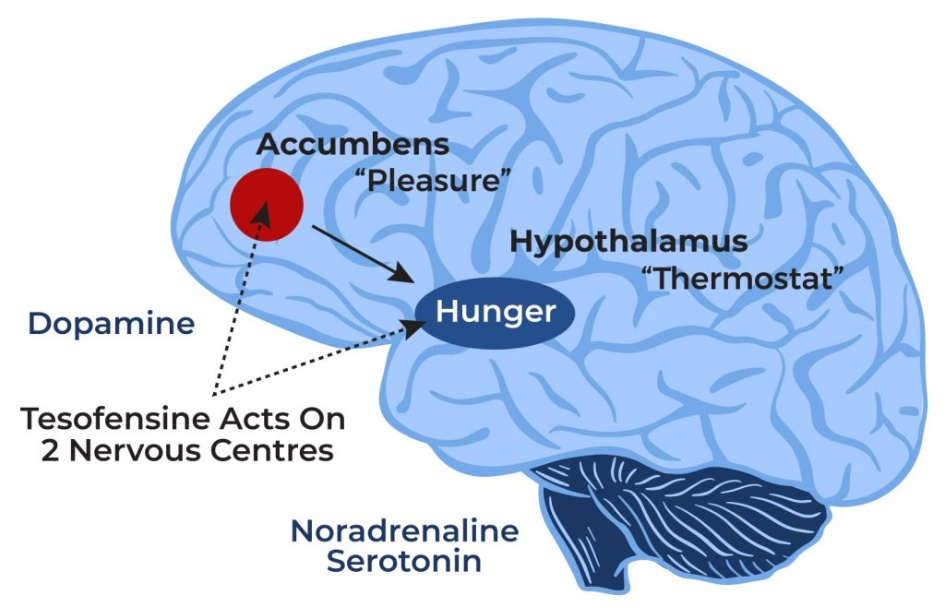
Illustration of a brain with tesofensine targeting two nervous centers. Tesofensine, represented by arrows, interacts with specific regions of the brain involved in neurotransmission and signaling pathways.

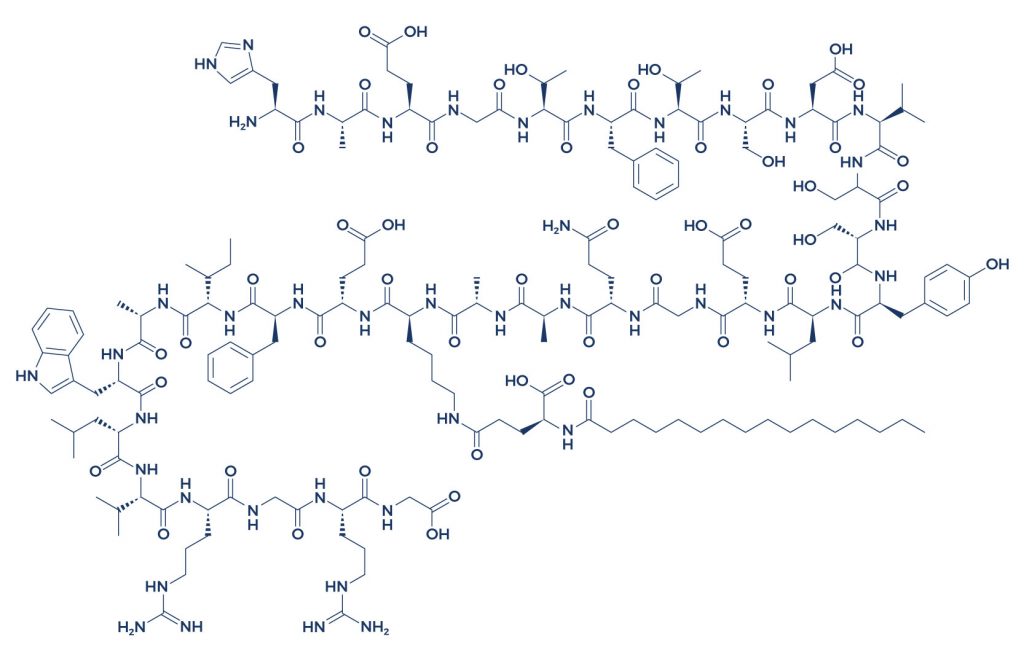
Chemical Structure of Tesofensine

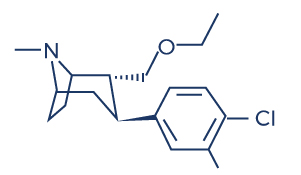
A visual representation of the chemical structure of Tesofensine, a pharmaceutical compound. The structure consists of interconnected carbon, hydrogen, oxygen, and nitrogen atoms forming a complex molecular arrangement.

Research Studies/Clinical Trials on Tesofensine

A. Promotes Weight Loss

Promotes Weight Loss

Optimal dopamine levels have a positive impact on appetite regulation, metabolism, and motivation. On the other hand, dopamine deficiency can promote weight gain. Dopamine suppresses appetite, reduces cravings, and lowers calorie consumption. It also boosts metabolism by increasing thermogenesis, leading to improved calorie burning and increased energy expenditure. Moreover, dopamine enhances motivation and satisfaction, which helps produce feelings of satiety.

Tesofensine is widely known as a weight loss drug. Researchers believe that tesofensine may help treat obese and overweight patients because it boosts the levels of dopamine in the brain. A deficiency in this neurotransmitter has been shown to be linked with overeating and obesity. [1-5]

Fat oxidation, also known as lipid oxidation or fat burning, refers to the process by which stored fat is broken down and converted into usable energy within the body. There are some mechanisms by which tesofensine may contribute to increased fat burning such as increased metabolism, appetite suppression, and modulation of neurotransmitters. As an appetite suppressant, it may indirectly promote increased physical activity which leads to increased fat oxidation. When combined with lifestyle modification, the body responds well to the effects of tesofensine.

Discover the Power of Peptides for Weight Loss! Learn how peptides can support your weight loss journey and improve your overall health. Explore our comprehensive guide on peptides for weight loss at Genemedics and take the first step towards a healthier, happier you!

Clinical trials involving tesofensine have evaluated its efficacy and safety in promoting weight loss:

  1. The results of phase III trials such as the 2018 phase 3 Viking study showed that obese participants who received both doses of oral tesofensine (0.25 and 0.50 mg once daily) had statistically and clinically significant reductions in weight with low incidence of adverse events at week 24. [6]
  2. The results of clinical trials such as the Phase II b trial (TIPO-1) showed that obese patients lost an average of 12.8 kg on the 1 mg dose, 11.3 kg on the 0.5 mg dose, and 6.7 kg on the 0.25 mg dose of tesofensine (dose-dependent increase), and showed no statistically significant increases in systolic or diastolic blood pressure, compared with a 2.2 kg loss in the placebo group. [7] The 24-hour fat oxidation (fat burning) also increased by 15% and there was a reduction in protein oxidation (the breakdown of protein due to the presence of reactive oxygen species).
  3. In the TIPO-2 trial, tesofensine administration in obese individuals reduced their desire to eat and increased their satiety levels after 14 days of treatment. [8]
  4. In patients with obesity, tesofensine treatment at varying doses (0.25 mg, 0.5 mg, or 1.0 mg) resulted in statistically significant and clinically relevant weight reductions with positive effects on energy balance and appetite. The patients were also able to increase their physical activity gradually, which led to improved quality of life. Significant results were seen in the highest dose groups. [9]
  5. In obese participants, tesofensine administration at a dose of 0.5 mg for 26 weeks produced weight reductions twice that of anti-obesity agents such as sibutramine or rimonabant. [10]
  6. In overweight patients, tesofensine administration for 24 weeks is associated with enhanced appetite suppression and significant weight reductions. [11]
  7. In phase II clinical trials with tesofensine in obese individuals, significant reductions in weight, body fat, and waist circumference were observed without any adverse side effects. [12]
  8. In obese individuals, long-term tesofensine supplementation was well-tolerated and resulted in statistically significant and clinically relevant weight loss. [13]
  9. In patients with Parkinson’s or Alzheimer’s disease, tesofensine administration once daily for 14 weeks induced weight loss of approximately 4%, which is similar to that of sibutramine. [14]
  10. In healthy males, multiple administrations of tesofensine at doses of 0.125–1 mg resulted in the following positive results: increased dopamine levels and appetite suppression. [15]
  11. In diet-induced obese rats, tesofensine administration resulted in appetite suppression and weight loss with a reversal of low forebrain dopamine levels. [16-17]
  12. In a rat model of diet-induced obesity (DIO), administration of tesofensine (2.0 mg/kg, s.c.) for 16 days significantly reduced body weights. [18]
  13. In diet-induced obese rats, tesofensine treatment at 2 mg/kg for 28 days decreased food consumption and produced dramatic weight losses while preventing weight gain. [19]
  14. In 203 obese persons, tesofensine 0.5 mg produced a weight loss twice that of currently approved anti-obesity medications. [20]
  15. In obese participants, tesofensine administration resulted in a 10% average weight loss in 24 weeks. The patients were also able to increase their physical activity gradually after the treatment. [21]
  16. A study showed that tesofensine showed a more significant effect on body weight than that of currently approved anti-obesity drugs. [22]
  17. In obese patients, tesofensine in combination with an energy-restricted diet effectively reduced the weight of the subjects. [23]

B. Improves Cognitive Health

Improves Cognitive Health Tesofensine

Research indicates that tesofensine helps preserve cognitive health by indirectly potentiating cholinergic neurotransmission, which is a process whereby nerve cells relay messages to each other. [24] This has been proven to have beneficial effects on various areas in the central nervous system and cognitive health including learning, memory, and thinking skills. This suggests that tesofensine may be used in the treatment of brain disorders such as Alzheimer’s and Parkinson’s disease. The following studies support this effect:

  1. The first results of two small 4-week phase IIa clinical trials performed in patients with mild Alzheimer’s disease (AD) showed that tesofensine treatment induced significant improvement in cognitive function, indicating the need for phase III trials. [25-26]
  2. A growing body of research indicates that obesity is a major risk factor for cognitive impairment, especially in the older population. [27-30] With its anti-obesity effect, tesofensine may help protect against cognitive impairment.
  3. In a mouse model of Alzheimer’s disease, tesofensine administration decreased the brain concentrations of amyloid beta, which are abnormal protein aggregates and is the causative agent of the disease. [31]
  4. In patients with advanced Parkinson’s disease and motor fluctuations, low-dose tesofensine improved activities of daily living and motor function. [32]

C. Improves Mood

Tesofensine Improve Mood

The mood centers of the central nervous system have also been shown to be positively affected by tesofensine. Sustained treatment with tesofensine has been shown to improve overall mood through its antidepressant effect. Studies show that tesofensine affects mood by:

  1. Increasing the levels of brain-derived neurotrophic factor (BDNF), thereby triggering an antidepressant effect. [33]
  2. Triggering an anti-anxiety effect in obese individuals with comorbid depression and anxiety symptoms. [34]
  3. Increasing the levels of the neurotransmitters serotonin, noradrenaline, and dopamine. [35]

D. Improves Blood Sugar Levels

An image depicting insulin as a key unlocking a door, representing its role in facilitating the entry of blood sugar into cells.

Tesofensine has also been found to have beneficial effects on blood sugar. By promoting weight loss, tesofensine may indirectly contribute to improving insulin sensitivity in individuals with obesity or overweight. Insulin sensitivity refers to the body’s ability to respond to the effects of insulin, a hormone that acts as a key to unlocking cells, thus allowing glucose (blood sugar) from the bloodstream to enter and be utilized by cells for energy production. Weight loss also plays a significant role in reducing blood sugar levels and decreasing the incidence of type II diabetes.

Clinical trials have shown that weight loss drugs such as tesofensine demonstrate efficacy in improving blood sugar levels:

  1. In obese patients, administration of tesofensine at varying doses (0.25 mg, 0.5 mg, and 1.0 mg) resulted in a reduction in blood sugar levels and improvement in quality of life with significant results observed in the highest dose groups. [36]
  2. In rodents, tesofensine also induced a significant reduction in blood sugar levels in addition to weight loss. [37-38]

E. Increases Energy Levels

Tesofensine Increases Energy Levels

Tesofensine treatment is also beneficial in improving one’s productivity by increasing energy levels. Medical weight loss programs with this medication can cause a significant increase in energy levels by having the following positive results: reduced appetite with balanced nutrition, increased physical activity, increased metabolism resulting in more calories being burned, and hormonal balance. Evidence supports the energy-boosting effects of tesofensine:

  1. A study found that tesofensine can boost energy by increasing the levels of the neurotransmitters dopamine and norepinephrine, which help regulate energy balance, motivation, interest, and drive. [35]
  2. The administration of tesofensine in overweight and moderately obese men induced higher energy expenditure compared to placebo. [39]

F. Treats Sexual Dysfunction

Tesofensine Improves Sex Drive

Because of its potent antidepressant effect, tesofensine has also been studied for its therapeutic benefits on sexual dysfunction, according to studies:

  1. Tesofensine has the capacity to increase the levels of dopamine, a neurotransmitter that contributes to the desire for sexual activity, erection, and ejaculation, making it beneficial for patients with sexual dysfunction related to dopamine deficiency. [35]
  2. Tesofensine administration is effective in treating depression-related sexual dysfunction, suggesting that it can help ramp up sexual power. [40]

G. Treats Eating Disorders

Tesofensine Treats Eating Disorders

Studies reported that triple reuptake inhibitor such as tesofensine also holds therapeutic potential for eating disorders:

  1. In obese patients, tesofensine administration reduced their desire to eat and resulted in a significant increase in their satiety levels after 14 days of treatment without adverse events. [8]
  2. In patients with binge eating disorder, a condition in which a person eats large quantities of food when stressed, tesofensine administration has been shown to improve its symptoms, possibly due to tesofensine’s potent antidepressant effect, without an adverse event. [41-44]
  3. In the diet-induced obese rat, tesofensine induced appetite suppression by indirect stimulation of α1 adrenoceptor and dopamine d1 receptor pathways. [45]

H. Treats Attention-Deficit/Hyperactivity Disorder (ADHD)

Treats Attention-Deficit/Hyperactivity Disorder (ADHD)

ADHD is characterized by short attention span, hyperactivity, and impulsivity, and is common in children and even adults. Evidence suggests that tesofensine may have beneficial effects on this mental condition:

  1. Studies show that ADHD is strongly linked with low levels of dopamine and serotonin and that tesofensine can have beneficial effects on this condition by increasing the levels of these neurotransmitters. [46-48]
  2. A study reported that tesofensine can lower the risk of ADHD associated with obesity. [49]

I. Improves Sleep Quality

Tesofensine improves sleep quality

Studies suggest that tesofensine’s ability to increase the levels of certain neurotransmitters can help improve sleep quality:

  1. A deficiency in the neurotransmitter serotonin has been linked to insomnia and various sleeping difficulties. [50-55]
  2. Studies reported that increasing the levels of serotonin through selective serotonin reuptake inhibitor treatment has been shown to improve objective and subjective sleep quality in patients with sleeping difficulties – an effect similar to tesofensine. [56-57]

J. Fights Alcohol Addiction

Neurotransmitters play a significant role in alcohol addiction. Alcohol affects several neurotransmitter systems in the brain, leading to the addictive and rewarding effects associated with alcohol consumption. There’s also evidence suggesting that tesofensine can cure alcohol addiction via its ability to boost neurotransmitter levels:

  1. Studies show that low dopamine levels are associated with alcohol addiction – with tesofensine’s ability to increase dopamine levels, it may help reduce excessive alcohol intake along with its symptoms. [58-61]
  2. In ethanol-preferring rats, triple reuptake inhibitor administration reduced alcohol consumption without decreasing food or water consumption. [62]

Associated Side Effects of Tesofensine

Tesofensine side effects are very uncommon and similar to other currently approved diet pills and weight loss medications. There have been some side effects associated with the use of this drug wherein the patient had one of the issues listed below at some point while being on tesofensine. However, these side effects weren’t confirmed to be associated with the treatment and could have been a coincidence and not related to the use of tesofensine. Despite this, it was listed as a side effect associated with tesofensine even though these associated side effects are very uncommon.

Side effects associated with tesofensine may include the following:

  • Constipation
  • Diarrhea
  • Dry mouth
  • Headache
  • Changes in blood pressure (increase blood pressure)
  • Increased heart rate
  • Insomnia
  • Nausea

Tesofensine Dosage

Studies have indicated that the tesofensine dosage range employed was between 0.25 mg to 1 mg. However, the weight loss achieved with a 0.5 mg dose (9.2%) was only slightly lower than that of a 1 mg dose (10.6%). Considering the dose-dependent rise in side effects, it raises questions about the justifiability of higher doses.

Based on this information, for most patients, a tesofensine dose of 0.5 mg or lower appears to be the most suitable option. However, it is crucial to consult with your weight loss expert doctor to assess if tesofensine is appropriate for your specific circumstances and to determine the optimal dosage tailored to your needs.

The dosage of tesofensine is determined on an individual basis, taking into consideration various factors such as health conditions and medical history. It is important to note that not everyone may be eligible for tesofensine treatment due to specific health issues. Therefore, individuals are strongly advised to consult with a qualified tesofensine doctor or healthcare professional who has expertise in prescribing tesofensine. Seeking guidance from an expert will help ensure that tesofensine is prescribed in a safe and appropriate manner, tailored to the specific needs and circumstances of each individual.

Tesofensine vs Semaglutide

Tesofensine and semaglutide are both medications that have shown potential for weight loss in clinical trials, but they differ in their mechanisms of action and approved uses.

  • Mechanisms of Action: Tesofensine is an inhibitor of pre-synaptic uptake of the neurotransmitters serotonin, noradrenaline, and dopamine. This causes appetite suppression and produces feelings of satiety. Semaglutide, on the other hand, is a glucagon-like peptide-1 (GLP-1) receptor agonist. It works by mimicking the action of a naturally occurring hormone called GLP-1, which helps regulate blood sugar levels and reduce appetite.
  • Approved uses: Tesofensine is used for the treatment of obesity. On the other hand, semaglutide is an approved medication used for type 2 diabetes and obesity.

Tesofensine Before and After Results

About Dr. George Shanlikian

Dr. George Shanlikian, renowned as the world’s best hormone therapy doctor, possesses expertise in various medical domains. These include Bioidentical Hormone Replacement Therapy, Peptide Replacement Therapy, Anti-Aging Medicine, Regenerative Medicine, Stress Management, Nutrition Consulting, Nutritional Supplement Consulting, and Exercise Consulting.

Read more about him here: https://www.genemedics.com/dr-george-shanlikian-md-best-hormone-therapy-doctor

Read more success stories here:

Men’s Success Stories: https://www.genemedics.com/about-ghi/ghi-success-stories/mens-success-stories/
Women’s Success Stories: https://www.genemedics.com/about-ghi/ghi-success-stories/womens-success-stories/

Phentermine

Potential Health Benefits of Phentermine

  • Promotes healthy weight loss [2-38]
  • Lowers blood pressure [39-45]
  • Improves heart health [46-50]
  • Treats sleep problems [51-52]
  • Lowers cholesterol levels [53-55]

What is Phentermine?

Phentermine is used for a limited period of time (3 to 6 weeks) to significantly reduce weight in overweight and obese individuals. This FDA-approved weight loss medication belongs to a class of drugs known as sympathomimetic amines. It works by suppressing your appetite while increasing your energy expenditure. By stimulating the release of brain chemicals that will manipulate your mind to feel full with lesser food intake, phentermine helps achieve your weight loss goals without any adverse side effects. [1] This drug comes as tablets and extended-release capsules and is sold under the names Adipex or Suprenza.

How does Phentermine Work?

Phentermine is an anorectic drug, which means it is an appetite suppressant. The drug stimulates the release of chemicals, or neurotransmitters, in the brain. The neurotransmitters whose levels are increased by this drug are norepinephrine, dopamine, and serotonin.

Chemical Structure of Phentermine

Phentermine

Research on Phentermine

Promotes Healthy Weight Loss

Phentermine is a prescription medication that promotes healthy weight loss by suppressing appetite and increasing energy levels. It stimulates the central nervous system, helping reduce hunger and support calorie restriction, making it easier for individuals to adopt healthier eating habits and exercise routines. Often used in short-term weight management plans, phentermine is most effective when combined with lifestyle changes such as a balanced diet and regular physical activity.

    1. An analysis of several clinical trials found that phentermine can result in a weight loss of 3.6 kg at six months compared with placebo treatment. [2]
    2. In obese subjects, phentermine administration initially at 15 mg daily and slowly up-titrated to 37.5 mg daily resulted in a 13% reduction in baseline peak weight. [3]
    3. In obese or overweight patients with weight-related comorbidities, treatment with phentermine consistently demonstrated statistically significant weight loss after 56 weeks compared with placebo. [4-5]
    4. When combined with other weight loss drugs, phentermine can produce greater weight loss. [6-14]
    5. In one-hundred-eight obese women, continuous daily phentermine administration resulted in a mean weight loss of 27 pounds (12.2 kg) while intermittent phentermine (4 weeks on therapy and 4 weeks off of therapy) resulted in a mean weight loss of 28.7 pounds (13 kg). [15]
    6. Several studies also found that phentermine only reduces weight during the time that it is being taken. [16-22]
    7. When combined with topiramate, an anti-seizure drug, phentermine produced significant weight loss without any adverse side effects. [23-29]
    8. Studies suggest that phentermine promotes weight loss by inducing changes in eating behavior. [30-34]
    9. Studies found that overweight and obese patients as young as 3 years and as old as 88 years can be safely treated with phentermine. [35-36]
    10. An analysis of 6 studies found that patients using 15-30 mg of phentermine daily for 2 to 24 weeks had a mean total weight loss of 6.3 kg. [37]
    11. In healthy obese people, short-term phentermine administration significantly reduced weight and waist circumference without clinically problematic adverse events. [38]

Lowers Blood Pressure

While phentermine is primarily used as an appetite suppressant for weight loss, its indirect effect of promoting fat reduction can lead to lowered blood pressure in some individuals. As excess weight is a significant contributor to hypertension, the weight loss achieved with phentermine may help reduce strain on the cardiovascular system and improve overall heart health. However, phentermine itself can increase heart rate and blood pressure in some users, so its effects should be monitored by a healthcare professional.

    1. In overweight hypertensive patients, phentermine administration reduced blood pressure and was well tolerated. [39]
    2. In obese patients, phentermine treatment improved blood pressure and prevented the progression to hypertension. [40]
    3. The Swedish Obese Subjects (SOS) study found that phentermine reduced the incidence of hypertension by 2.6 times. [41]
    4. In overweight and obese individuals with type 2 diabetes, phentermine treatment was associated with a 5-mmHg decrease in diastolic blood pressure. [42]
    5. A recent phentermine clinical trial conducted in healthy obese patients reported a slight decrease in blood pressure. [38]
    6. In obese patients, administration of a 30 mg capsule of phentermine daily over a period of 12 weeks significantly reduced blood pressure. [43]
    7. In hypertensive patients, phentermine reduced systolic blood pressure by −7.5 to −11.8 mmHg. [44]
    8. In both lean and diet-induced obese mice, phentermine significantly reduced blood pressure. [45]

Improves Heart Health

Phentermine may contribute to improved heart health indirectly by promoting weight loss, which can reduce risk factors such as high blood pressure, high cholesterol, and insulin resistance. As excess body weight is a major contributor to cardiovascular disease, shedding pounds with the help of phentermine can ease the workload on the heart and improve overall circulation. However, because phentermine is a stimulant, it must be used under medical supervision to ensure it does not elevate heart rate or blood pressure to unsafe levels.

    1. Patients using phentermine had lower rates of hospitalization for acute myocardial infarction. [46]
    2. Phentermine increases heart rate due to its amphetamine-like side effect. [47]
    3. In overweight and obese adults with metabolic abnormalities, phentermine was associated with a slight increase in heart rate (0.1 to 1.3 beats per minute). [48-49]
    4. Since phentermine promotes weight loss, it can significantly reduce cardiovascular mortality for the following 4-5 years even in patients with pre-existing heart disease. [50]

Treats Sleep Problems

Phentermine is not typically used to treat sleep problems and may actually cause insomnia as a side effect due to its stimulant properties. As a central nervous system stimulant, taking phentermine increases alertness and energy, which can interfere with normal sleep patterns if taken too late in the day. While it aids in weight loss by suppressing appetite and boosting metabolism, individuals taking phentermine should be cautious about its potential impact on sleep and discuss any sleep-related issues with their healthcare provider.

    1. In obese subjects with moderate to severe obstructive sleep apnea who were unable or unwilling to comply with standard treatment, administration of phentermine 15 mg plus extended-release topiramate 92 mg significantly reduced symptoms. [51]
    2. In obese adults, phentermine treatment reduced the incidence of apnea. [52]

Lowers Cholesterol Levels

Phentermine may help lower cholesterol levels indirectly by promoting weight loss, which is often associated with improvements in lipid profiles. As individuals lose weight, levels of LDL (bad cholesterol) and triglycerides tend to decrease, while HDL (good cholesterol) may increase. By suppressing appetite and supporting calorie reduction, phentermine aids in reducing overall body fat, which plays a crucial role in improving cholesterol balance and supporting cardiovascular health.

    1. In obese patients, phentermine administration resulted in lower total cholesterol and low-density lipoprotein (bad cholesterol) concentrations. [53]
    2. A review of the metabolic effects of phentermine found that this drug exerted favorable effects on lipid profile, especially on high-density lipoprotein (good cholesterol) and triglycerides. [54]
    3. In patients with abnormal lipid profiles, phentermine treatment was associated with significant improvements in blood levels of high-density lipoprotein (good cholesterol) and triglyceride as well as a net reduction in lipid-lowering medication use. [55]

Associated Side Effects of Phentermine

Phentermine side effects are very uncommon. There have been some side effects associated with the use of this drug wherein the patient had one of the issues listed below at some point while being on phentermine. However, these side effects weren’t confirmed to be associated with the treatment and could have been a coincidence and not related to the use of phentermine. Despite this, it was listed as a side effect associated with phentermine even though these associated side effects are very uncommon.

Side effects associated with phentermine may include the following:

  • Constipation
  • Dry mouth
  • Erectile dysfunction
  • High blood pressure
  • Increased heart rate
  • Insomnia
  • Nervousness
  • Sleeplessness
  • Tingling or prickling feeling in the hands and feet
  • Tremors

Phentermine Pills

Phentermine is a prescription medication primarily used as an appetite suppressant to aid weight loss in individuals who are overweight or have weight-related medical conditions. It belongs to a class of drugs known as sympathomimetic amines and works by stimulating the central nervous system, which increases heart rate and reduces appetite. Often prescribed as a short-term treatment alongside a low-calorie diet and regular exercise, phentermine helps individuals jumpstart their weight loss journey by decreasing hunger and food cravings.

Phentermine pills come in various forms, including tablets and capsules, and are typically taken once a day, either before breakfast or one to two hours after. The dosage may vary depending on the individual’s medical condition, response to treatment, and body weight. Common brand names include Adipex-P, Lomaira, and Suprenza. Patients using phentermine should be closely monitored by healthcare providers due to the potential for side effects such as increased blood pressure, dizziness, dry mouth, insomnia, or nervousness.

While phentermine can be highly effective in promoting short-term weight loss, it is not a long-term solution and should be used as part of a comprehensive weight management plan. Its use is typically limited to a few weeks, and it’s essential to adopt healthy lifestyle changes for sustainable results. Phentermine is also not suitable for everyone, particularly individuals with a history of cardiovascular disease, hyperthyroidism, or glaucoma. Consulting with a healthcare provider before starting phentermine ensures safe and effective use tailored to individual health needs.

Phentermine Tablets

Phentermine tablets are a widely prescribed weight loss aid designed to help individuals struggling with obesity or weight-related health issues. As an appetite suppressant, phentermine works by stimulating the central nervous system, which helps reduce hunger and increase energy levels. This makes it easier for users to follow a calorie-restricted diet and adopt healthier eating habits. Phentermine tablets are typically used short-term and are most effective when combined with lifestyle changes like improved diet and increased physical activity.

These tablets are available in various strengths, commonly ranging from 8 mg to 37.5 mg, and are usually taken once a day before breakfast or 1 to 2 hours after. The dosage depends on individual factors such as weight, response to the medication, and the presence of any other medical conditions. Brand names for phentermine tablets include Adipex-P and Lomaira. While effective, users may experience side effects such as dry mouth, insomnia, dizziness, or elevated heart rate, so regular monitoring by a healthcare provider is important.

Phentermine tablets are not intended for long-term use due to the risk of dependence and potential cardiovascular side effects. They serve as a jumpstart to weight loss, helping users build momentum toward healthier habits. For best results, phentermine should be part of a comprehensive weight management plan that includes regular exercise, nutritious meals, and behavioral support. As with any medication, it’s crucial to use phentermine under medical supervision to ensure safety and maximize its benefits.

Phentermine and Depression

Phentermine is a prescription medication commonly used as an appetite suppressant to aid weight loss in individuals with obesity. It works by stimulating the central nervous system, which increases heart rate and energy levels while decreasing appetite. While it can be effective for short-term weight management, phentermine is a stimulant similar to amphetamines and may influence mood and mental health in some users.

There have been reports of phentermine both improving and worsening symptoms of depression. For some individuals, the weight loss and increased energy brought on by the medication may lead to an improved mood and better self-esteem. However, for others, especially those with a history of mental health issues, phentermine may exacerbate symptoms of anxiety, irritability, or depression due to its stimulating effects and potential to disrupt sleep, particularly if not paired with a balanced diet and structured exercise program.

Because phentermine can affect neurotransmitter levels, it’s important for users with existing mood disorders to approach it with caution and consult their healthcare provider. Combining phentermine with certain antidepressants, particularly MAO inhibitors or SSRIs, can also lead to serious interactions. Monitoring mental health during phentermine use is essential, and any changes in mood or behavior should be reported to a medical professional promptly.

Phentermine Efficacy

Phentermine has proven to be an effective short-term aid in weight loss, particularly when combined with a reduced-calorie diet, regular physical activity, and behavioral changes. As a sympathomimetic amine, it works by suppressing appetite through the central nervous system, helping users reduce caloric intake. Clinical studies have shown that individuals using phentermine often experience greater weight loss over a few weeks compared to those relying on lifestyle changes alone.

The efficacy of phentermine is typically most noticeable during the initial 12-week treatment period. During this time, users may lose an average of 5% to 10% of their starting body weight, depending on dosage, adherence to dietary recommendations, and individual metabolic differences. The rapid weight reduction can also help improve obesity-related conditions like type 2 diabetes, hypertension, and high cholesterol, making phentermine a valuable tool in medical weight management.

However, phentermine’s long-term efficacy is limited due to its potential for tolerance and side effects. Over time, the appetite-suppressing effects may diminish, and prolonged use increases the risk of dependency or cardiovascular issues. Therefore, healthcare providers typically recommend using phentermine only for short durations, emphasizing the importance of long-term lifestyle changes to sustain weight loss after the medication is discontinued.

Phentermine Liquid

Phentermine liquid is an alternative form of the popular weight loss medication, designed for individuals who may have difficulty swallowing pills or prefer a liquid formulation. Like its tablet and capsule counterparts, liquid phentermine acts as an appetite suppressant by stimulating the central nervous system. This stimulation increases heart rate and energy expenditure while reducing hunger, which can help users maintain a calorie deficit for effective weight loss; however, some users may experience side effects such as feet trouble due to circulation changes or increased physical activity.

The liquid form is usually administered once daily, often in the morning to minimize the risk of insomnia, a common side effect. Dosage can be more easily adjusted with liquid phentermine, offering flexibility for those who may need lower or more precise amounts. It is typically prescribed for short-term use, as part of a broader weight management plan that includes dietary modifications, exercise, and behavioral strategies to support long-term results.

As with other forms of phentermine, the liquid version may cause side effects such as dry mouth, insomnia, increased heart rate, or nervousness. It should be used under the supervision of a healthcare provider, especially in individuals with pre-existing conditions like heart disease or high blood pressure. Although some weight loss aids are available over the counter, phentermine is a prescription medication and should not be confused with over the counter alternatives. While effective for jumpstarting weight loss, liquid phentermine is most successful when used alongside sustainable lifestyle changes rather than as a standalone solution.

Phentermine Diet Pills

Phentermine diet pills are a widely prescribed medication for short-term weight loss, primarily used in individuals with obesity or weight-related health conditions. As an appetite suppressant, phentermine stimulates the central nervous system, increasing energy levels and decreasing hunger signals. However, in rare cases, its stimulating effects may increase the risk of serious cardiovascular events such as a heart attack. This helps users reduce their calorie intake more effectively, making it easier to stick to a low-calorie diet and initiate weight loss.

These diet pills are most commonly prescribed as part of a medically supervised weight loss program that includes a healthy diet, regular physical activity, and behavior modification strategies. While phentermine can significantly aid in reducing body weight, it is not a miracle pill. Its effectiveness relies heavily on the user’s commitment to adopting healthier habits and maintaining them even after the medication course ends.

Although phentermine diet pills are generally considered safe when taken as directed, they can cause side effects such as dry mouth, insomnia, elevated blood pressure, and increased heart rate. They are typically prescribed for a limited duration—usually a few weeks—to jumpstart weight loss. For long-term success, healthcare providers often emphasize the importance of using phentermine as a tool to build lasting lifestyle changes rather than relying on it as a permanent solution, unless a doctor tells you otherwise.

Phentermine Interactions

Phentermine, while effective for short-term weight loss, can interact with various medications and substances, potentially altering its effects or increasing the risk of adverse reactions. One of the most critical interactions is with monoamine oxidase inhibitors (MAOIs); combining these can lead to dangerously high blood pressure and other serious cardiovascular issues, including a rapid spike in high blood pressure that can be life-threatening. In some cases, such interactions may also contribute to decreased interest in daily activities or overall well-being. For this reason, phentermine should not be taken within 14 days of using an MAOI.

Additionally, phentermine may interact with other medications used for weight loss or depression, such as SSRIs, SNRIs, or bupropion. These combinations can increase the risk of serotonin syndrome, a potentially life-threatening condition characterized by confusion, rapid heart rate, and muscle rigidity. It may also amplify stimulant effects when taken with other drugs that affect the central nervous system, leading to jitteriness, anxiety, or heart palpitations.

Patients with chronic conditions like hypertension, diabetes, or thyroid disorders must be especially cautious, as phentermine can affect blood pressure, blood sugar levels, metabolism, and may contribute to symptoms such as walking weakness. It’s essential to inform healthcare providers about all current medications, supplements, and underlying health issues before starting phentermine to ensure safe use and avoid harmful drug interactions that could compromise blood sugar control or the effectiveness of treatment.

Phentermine Dosage

Phentermine dosage varies depending on the specific formulation, patient needs, and medical guidance. It is typically prescribed in strengths ranging from 8 mg to 37.5 mg, with options available as tablets, capsules, or orally disintegrating tablets. The most common dosage is 37.5 mg once daily, usually taken in the morning to avoid sleep disturbances. Some formulations may be divided into smaller doses throughout the day, especially in patients sensitive to stimulants.

The appropriate dosage of phentermine is determined by the patient’s weight loss goals, health status, and how well they tolerate the medication. Physicians often start with a lower dose to assess side effects and gradually adjust based on the patient’s response. It’s important to follow dosing instructions closely, as exceeding the recommended amount can increase the risk of side effects such as insomnia, elevated blood pressure, or dependence, and may also result in changes in performance increased interest.

Because phentermine is intended for short-term use, usually for a few weeks, dosage should not be continued long-term without careful medical supervision. Abrupt discontinuation after prolonged use may lead to withdrawal symptoms, so dosage tapering might be necessary to avoid the following symptoms. Regular follow-ups with a healthcare provider help monitor effectiveness and ensure that the prescribed dosage remains safe and suitable throughout the treatment period.

Liraglutide

Overall Health Benefits of Liraglutide

Liraglutide benefits include weight loss, improved blood sugar control, and reduced risk of cardiovascular events in patients with type 2 diabetes. This medication also aids in appetite regulation and has shown positive effects on overall metabolic health.

  • Treats diabetes and improves blood sugar levels [1-9]
  • Lowers the risk of heart disease [10-18]
  • Lowers blood pressure [19-24]
  • Helps lose weight [25-33]
  • Accelerates wound healing [34-38]
  • Prevents cancer [39-42]
  • Boosts brain power [43-57]

Key Takeaways

  • Weight Loss: Liraglutide is effective in promoting significant weight loss, making it beneficial for individuals with obesity or those needing to manage their weight.
  • Blood Sugar Control: It improves blood sugar levels in patients with type 2 diabetes, helping to stabilize glucose levels and reduce HbA1c.
  • Cardiovascular Health: Liraglutide has been shown to lower the risk of major cardiovascular events, such as heart attacks and strokes, in people with type 2 diabetes.
  • Appetite Regulation: The medication helps regulate appetite, leading to reduced food intake and assisting in long-term weight management.
  • Metabolic Health: Liraglutide contributes to overall metabolic health by improving insulin sensitivity and promoting better glycemic control.

What is Liraglutide?

Liraglutide is mainly used in the treatment of type 2 diabetes mellitus and obesity. It stimulates the release of a hormone known as insulin, which brings down the levels of blood sugar. The more insulin that the pancreas secretes, the lower the chance that blood sugars will spike up. There’s increasing evidence suggesting that this medication can offer other health benefits.

How Liraglutide Works

IMG

Liraglutide works by helping the pancreas to release the right amount of insulin when blood sugar levels are elevated. Insulin allows the blood sugar to move from the blood into other body tissues where it is converted into energy. In addition, liraglutide also promotes weight loss by slowing the emptying of the stomach to decrease appetite.

Chemical Structure of Liraglutide

Research on Liraglutide

A. Treats Diabetes and Improves Blood Sugar Levels

Tips to lower your blood sugar

Liraglutide treats diabetes and improves blood sugar levels by mimicking the action of the incretin hormone GLP-1, which enhances insulin secretion in response to meals. It also slows gastric emptying, reducing the speed at which glucose enters the bloodstream, and decreases glucagon release, which helps lower blood sugar levels. Additionally, liraglutide promotes weight loss, which further contributes to improved glycemic control, making it an effective treatment for patients with type 2 diabetes.

  1. In diabetic patients, liraglutide significantly improved blood sugar control with a low risk of hypoglycemia (abnormally low blood sugar). [1]
  2. In children and adolescents with type 2 diabetes mellitus (T2D), a daily dose of liraglutide produced beneficial effects in controlling blood sugar levels. [2]
  3. In patients with type 1 diabetes mellitus (T1D), liraglutide plus insulin treatment was effective at lowering blood sugar levels. [3]
  4. In patients with T2D, liraglutide monotherapy or in combination with oral antidiabetic drugs was found to be efficacious and well-tolerated. [4]
  5. In patients with T2D, liraglutide treatment was effective in improving the symptoms associated with diabetes. [5]
  6. In overweight diabetic patients, liraglutide treatment resulted in a reduced risk of complications. [6]
  7. In diabetic patients undergoing intensive insulin therapy, liraglutide treatment improved blood sugar control. [7]
  8. In patients with T2D, liraglutide as an add-on treatment for 3 months was effective in decreasing glucose variability and ameliorating hyperglycemia without increasing the incidence of hypoglycemia. [8]
  9. In Indian patients with T2D, administration of liraglutide in addition to anti-diabetic drugs resulted in significant improvements in glycemic parameters. [9]

B. Lowers the Risk of Heart Disease

Inflammation and Heart Disease A Functional Medicine Approach to Prevention and Treatment

Liraglutide lowers the risk of heart disease by improving cardiovascular health through multiple mechanisms. It enhances glycemic control and promotes weight loss, both of which are critical in reducing heart disease risk factors like high blood sugar and obesity. Additionally, liraglutide reduces inflammation and oxidative stress, which play a role in atherosclerosis development. Clinical studies have shown that liraglutide can decrease the likelihood of major cardiovascular events, such as heart attack and stroke, particularly in people with type 2 diabetes or other risk factors for heart disease.

  1. In patients with advanced type 2 diabetes, liraglutide therapy significantly lowered the mortality rate from cardiovascular causes. [10]
  2. In diabetic patients, treatment with liraglutide was associated with reduced cases of cardiovascular-related deaths. [11]
  3. In patients with type 2 diabetes, liraglutide was shown to have beneficial effects on the function of the heart’s left ventricle. [12]
  4. A review of studies reported that liraglutide treatment lowered the risk of heart problems in diabetic patients. [13]
  5. In diabetic patients with high cardiovascular risk, liraglutide treatment lowered the cardiovascular outcomes. [14]
  6. A study showed that the use of liraglutide was associated with a lower risk of major heart diseases. [15]
  7. Liraglutide treatment was shown to be beneficial in patients with or without a history of heart failure. [16]
  8. In diabetic patients, liraglutide administration greatly lowered the risk of major adverse cardiovascular events. [17]
  9. In diabetic patients with coronary artery disease, monotherapy of liraglutide improved cardiovascular function. [18]

C. Lowers Blood Pressure

Ways to Work Towards Lower Blood Pressure

Liraglutide, a GLP-1 receptor agonist, lowers blood pressure by improving endothelial function and promoting vasodilation. It enhances nitric oxide production, which relaxes blood vessels, reducing vascular resistance and improving blood flow. Additionally, liraglutide helps with weight loss and glycemic control, both of which contribute to lowering blood pressure. By addressing these metabolic factors, liraglutide can reduce systolic and diastolic blood pressure in individuals with obesity, type 2 diabetes, or cardiovascular risk factors.

  1. A review of studies showed that liraglutide could significantly reduce blood pressure (BP). [19]
  2. In diabetic patients, treatment with liraglutide successfully reduced BP and provided extra cardiovascular benefits. [20]
  3. In diabetic patients, liraglutide produced systolic blood pressure (SBP) and weight reduction effects. [21]
  4. In diabetic patients with or without antihypertensive medication, liraglutide treatment greatly improved their SBP. [22]
  5. In Asian diabetic patients, daily administration of liraglutide resulted in significantly lowered SBP. [23]
  6. In patients with type 2 diabetes, liraglutide treatment lowered SBP. [24]

D. Helps Lose Weight

Tips and Diet Plan That Will Help You Lose Weight

Liraglutide helps with weight loss by mimicking a natural hormone in the body called GLP-1, which regulates appetite and food intake. It works by slowing down the emptying of the stomach, making you feel full for longer, and reducing hunger. Liraglutide also interacts with areas of the brain that control appetite, leading to a decrease in calorie consumption, which ultimately promotes weight loss when combined with a healthy diet and exercise.

  1. In patients with heart failure, liraglutide treatment was shown to be effective as a weight-loss agent. [25]
  2. In Asian patients, liraglutide produced weight-reducing effects. [26]
  3. When combined with a healthy diet and mild exercise, liraglutide was shown to produce significant weight reduction. [27]
  4. In obese Chinese patients with type 2 diabetes, daily injection of liraglutide greatly reduced their weight and waist circumference. [28]
  5. In obese patients with type 2 diabetes, prolonged liraglutide treatment reduced body weight. [29]
  6. In overweight adults with bodyweight-related disease, the addition of liraglutide to a healthy diet and exercise resulted in weight reduction. [30]
  7. In adolescents with obesity, the administration of liraglutide (3.0 mg) in addition to lifestyle therapy produced a significant reduction in body mass index (BMI) than placebo plus lifestyle therapy. [31]
  8. A review of randomized, placebo-controlled trials of liraglutide for weight management found that the treatment can help induce and sustain weight loss in patients with obesity. [32]
  9. In overweight and obese participants with type 2 diabetes, the administration of subcutaneous liraglutide at 3.0 mg daily, compared with placebo, produced significant weight loss over 56 weeks. [33

E. Accelerates Wound Healing

Wound Healing

Liraglutide accelerates wound healing by enhancing tissue repair processes, primarily through its anti-inflammatory and pro-angiogenic effects. It promotes the formation of new blood vessels (angiogenesis) and improves blood flow to the wound site, which facilitates oxygen and nutrient delivery essential for healing. Additionally, liraglutide reduces inflammation and oxidative stress, helping to create a more favorable environment for cell regeneration and tissue repair.

  1. In diabetic mice with skin ulcers, the application of liraglutide-containing ointment improved wound healing. [34]
  2. A study suggested that liraglutide can help treat diabetic foot ulcers possibly by reducing blood sugar levels. [35]
  3. In patients with diabetic wounds, the application of liraglutide-loaded PLGA/gelatin electrospun nanofibrous mats accelerated the wound repair process. [36]
  4. In mice, liraglutide improved wound healing and showed its potential in treating diabetic skin ulcers. [37]
  5. In patients with type 2 diabetes, liraglutide treatment was associated with a reduced risk of diabetes-related foot ulcer amputations. [38]

F. Prevents Cancer

Researchers identify how to prevent cancer metastases

Liraglutide, a GLP-1 receptor agonist, may help prevent cancer by reducing insulin resistance and lowering blood sugar levels, which are linked to cancer growth. It also promotes weight loss, reducing obesity-related cancer risks. Additionally, liraglutide may inhibit cancer cell proliferation and induce apoptosis (cell death) in certain cancer cells, contributing to its potential protective effects. These mechanisms make it a promising candidate for cancer prevention in metabolic-related cancers, such as colorectal and pancreatic cancer.

  1. The combined treatment of liraglutide and docetaxel (anti-cancer drug) worked synergistically in reducing the prostate cancer cells’ viability, causing cell cycle arrest, and inducing apoptosis (programmed cell death). [39]
  2. A review of studies showed that liraglutide treatment resulted in reduced multiplication of breast cancer cells. [40]
  3. A study reported that liraglutide treatment together with metformin produced anti-tumor effects against pancreatic cancer cells. [41]
  4. In pancreatic cancer cells, liraglutide inhibited cell proliferation, migration, and invasion. [42]

G. Boosts Brain Power

How to Improve Your Brain Power

Liraglutide may boost brain power by enhancing cognitive function through its neuroprotective effects. It works by activating GLP-1 receptors, which improve glucose metabolism in the brain and reduce inflammation, oxidative stress, and the accumulation of amyloid-beta plaques linked to neurodegenerative conditions like Alzheimer’s disease. This can lead to improved memory, learning, and overall brain health.

  1. In mice, liraglutide administration produced neuroprotective effects. [43]
  2. A study showed that liraglutide has beneficial effects on objective measures of cognitive function. [44]
  3. In mice, liraglutide prevented the loss of brain receptors and synapses and reversed memory impairment induced by Alzheimer’s disease (AD). [45]
  4. In medication-induced diabetic mice that exhibited impaired learning and memory, liraglutide treatment attenuated these effects. [46]
  5. A study showed that liraglutide can help treat AD by targeting the root cause of the disease. [47]
  6. In rats with ovarian cysts, liraglutide treatment reduced memory impairment. [48]
  7. In type 2 diabetic rats, liraglutide administration exerted a protective effect against brain cell damage. [49]
  8. In diabetic rats with cognitive impairment, liraglutide improved learning and memory. [50]
  9. In the mouse model of epilepsy, liraglutide reduced seizure susceptibility and cognitive dysfunction and exerted neuroprotective effects. [51]
  10. A study showed that liraglutide protected against diabetes-induced cognitive impairment. [52]
  11. In diabetic mice, liraglutide administration improved cognitive function. [53]
  12. In mice fed with a high-fat diet, liraglutide treatment improved metabolic parameters and had a beneficial effect on cognitive function. [54]
  13. In a mouse model of Alzheimer’s disease, liraglutide administration significantly increased memory retention and the total number of brain neurons. [55]
  14. In aged mice, liraglutide reversed memory impairment and synaptic loss and reduced plaque load. [56]
  15. In diabetic patients, liraglutide slowed down memory function decline. [57]

Liraglutide Side Effects

Liraglutide Side Effects You Should Know About

Liraglutide side effects are very uncommon. There have been some side effects associated with the use of this drug wherein the patient had one of the issues listed below at some point while being on liraglutide. However, these side effects weren’t confirmed to be associated with the treatment and could have been a coincidence and not related to the use of liraglutide. Despite this, it was listed as a side effect associated with liraglutide even though these associated side effects are very uncommon.

Side effects associated with liraglutide may include the following:

  • Constipation
  • Cough
  • Headache
  • Heartburn
  • Pain or burning sensation when urinating
  • Runny nose
  • Sneezing
  • Tiredness

Liraglutide Brand Name

Liraglutide is marketed under the brand name Victoza, primarily prescribed for the management of type 2 diabetes. Victoza works by mimicking the action of a natural hormone called GLP-1 (glucagon-like peptide-1), which helps regulate blood sugar levels. By stimulating insulin release and inhibiting glucagon secretion, it effectively reduces blood sugar levels, making it an essential medication for individuals struggling to control their diabetes through diet and exercise alone.

In addition to its use in diabetes management, Liraglutide is also sold under the brand name Saxenda for the treatment of obesity. Saxenda is administered at higher doses than Victoza and is specifically designed to aid in weight loss for adults and certain adolescents with obesity-related health issues. By promoting a feeling of fullness and reducing appetite, Saxenda helps patients achieve significant weight reduction, which can lead to improved overall health and a lower risk of obesity-related conditions.

Both Victoza and Saxenda have been thoroughly studied and proven effective in their respective uses, making Liraglutide a versatile medication with broad applications. The availability of Liraglutide under different brand names allows healthcare providers to tailor treatment plans to meet the specific needs of their patients, whether they require blood sugar management, weight loss, or both. This adaptability makes Liraglutide a valuable tool in addressing some of the most prevalent and challenging health issues today.

Victoza Drug

Victoza, a brand name for the drug liraglutide, is a medication primarily used to treat type 2 diabetes. It works by mimicking the action of the hormone GLP-1 (glucagon-like peptide-1), which increases insulin secretion in response to high blood sugar levels, thereby aiding in blood glucose control. By enhancing insulin production and lowering the amount of glucose produced by the liver, Victoza helps patients achieve better glycemic management, reducing the risk of long-term complications associated with diabetes.

In addition to its role in blood sugar regulation, Victoza has shown significant benefits in promoting weight loss. Many patients with type 2 diabetes struggle with obesity, which exacerbates their condition. Victoza addresses this by slowing gastric emptying and increasing feelings of fullness, leading to reduced calorie intake. Clinical trials have demonstrated that patients using Victoza not only experience improved glycemic control but also achieve meaningful weight loss, enhancing their overall health and well-being.

Beyond diabetes and weight management, Victoza has been proven to lower the risk of cardiovascular events in patients with type 2 diabetes and established cardiovascular disease. Studies have indicated that it can reduce the occurrence of heart attacks, strokes, and other cardiovascular complications. This dual benefit of managing both blood sugar and cardiovascular health makes Victoza a valuable therapeutic option for patients seeking comprehensive care for their diabetes and associated health risks.

Victoza Medication

Victoza, a brand name for the medication liraglutide, is an injectable prescription drug primarily used to manage type 2 diabetes. It belongs to a class of drugs called GLP-1 receptor agonists, which work by mimicking the incretin hormones that the body usually produces naturally to stimulate insulin release in response to meals. By enhancing insulin secretion, Victoza helps lower blood sugar levels and offers better control over diabetes, making it an essential treatment option for many patients struggling with this chronic condition.

One of the significant benefits of Victoza is its ability to promote weight loss. Many people with type 2 diabetes are overweight or obese, and Victoza’s appetite-suppressing properties can lead to significant weight reduction. This weight loss is beneficial not only for blood sugar control but also for reducing the risk of cardiovascular complications often associated with diabetes. Clinical trials have demonstrated that patients taking Victoza often experience improved metabolic health, which contributes to better overall management of diabetes and its related risks.

In addition to managing blood sugar and aiding in weight loss, Victoza has been shown to reduce the risk of major cardiovascular events, such as heart attacks and strokes. This cardiovascular benefit makes it a particularly valuable medication for patients with type 2 diabetes who are at higher risk for heart disease. By addressing multiple aspects of diabetes management—blood sugar control, weight reduction, and cardiovascular risk—Victoza offers a comprehensive approach to improving the health and quality of life for individuals with type 2 diabetes.

Liraglutide Saxenda

Liraglutide Saxenda is a medication primarily used for weight management in adults with obesity or overweight conditions. It is a glucagon-like peptide-1 (GLP-1) receptor agonist, which mimics the action of the hormone GLP-1. By stimulating insulin secretion and reducing appetite, Saxenda helps patients achieve and maintain a healthier weight. Clinical studies have demonstrated that Saxenda, when combined with a reduced-calorie diet and increased physical activity, leads to significant weight loss in many users.

Beyond its primary function of weight management, Liraglutide Saxenda also offers additional health benefits. It has been shown to improve metabolic health by enhancing insulin sensitivity and lowering blood glucose levels. This makes it particularly beneficial for individuals with prediabetes or metabolic syndrome, as it helps in managing and potentially preventing the progression to type 2 diabetes. Moreover, the weight loss achieved through Saxenda can lead to reductions in blood pressure, cholesterol levels, and overall cardiovascular risk, contributing to improved overall health and well-being.

Despite its benefits, Liraglutide Saxenda is not without potential side effects. Common side effects include nausea, vomiting, diarrhea, and constipation, which often subside as the body adjusts to the medication. More serious but less common side effects can include pancreatitis and gallbladder problems. Therefore, it is important for patients to be closely monitored by their healthcare provider while using Saxenda. Overall, Liraglutide Saxenda represents a valuable tool in the fight against obesity, offering significant benefits for weight loss and metabolic health when used appropriately.

Liraglutide Medication

Liraglutide is a medication primarily used for the treatment of type 2 diabetes and chronic weight management. As a glucagon-like peptide-1 (GLP-1) receptor agonist, liraglutide works by stimulating insulin secretion in response to meals, thereby improving blood sugar control. This medication also slows gastric emptying and promotes satiety, which helps reduce food intake and supports weight loss efforts. For individuals struggling with obesity or type 2 diabetes, liraglutide offers a dual benefit of glycemic control and significant weight reduction.

In clinical trials, liraglutide has demonstrated its efficacy in reducing HbA1c levels, a key marker of long-term blood sugar control, and in achieving meaningful weight loss. Patients using liraglutide have reported improved overall metabolic health, including better insulin sensitivity and lower cardiovascular risk. The medication’s ability to lower the risk of major cardiovascular events such as heart attacks and strokes adds an essential layer of protection for those with type 2 diabetes, who are often at higher risk for these complications.

Beyond its benefits in managing diabetes and obesity, liraglutide also addresses some of the challenges patients face with appetite control. By enhancing feelings of fullness and reducing hunger, liraglutide makes it easier for patients to adhere to dietary changes and maintain a healthier lifestyle. This medication is typically administered via a daily injection, and while it is generally well-tolerated, some patients may experience side effects such as nausea or gastrointestinal discomfort. Despite these potential drawbacks, liraglutide remains a valuable tool in the management of type 2 diabetes and obesity, offering significant benefits for long-term health and quality of life.

Liraglutide Injection

Liraglutide injection is a medication primarily used to manage type 2 diabetes and obesity. Administered once daily, it mimics the action of the glucagon-like peptide-1 (GLP-1) hormone, which plays a crucial role in regulating blood sugar levels and appetite. By enhancing insulin secretion in response to meals and inhibiting the release of glucagon, liraglutide helps stabilize blood glucose levels and reduces the risk of hyperglycemia.

Beyond its blood sugar regulation benefits, liraglutide injection is also effective in promoting weight loss. It works by slowing gastric emptying and increasing feelings of fullness, which helps individuals reduce their food intake. Clinical trials have demonstrated significant weight reduction in patients using liraglutide, making it a valuable option for those struggling with obesity or those who need to manage their weight due to associated health conditions.

Moreover, liraglutide has shown positive effects on cardiovascular health. Studies indicate that it can lower the risk of major cardiovascular events, such as heart attacks and strokes, in patients with type 2 diabetes. This added benefit makes liraglutide an important therapeutic option not only for glycemic control and weight management but also for enhancing overall cardiovascular health in individuals with diabetes.

Victoza Liraglutida/Victoza Liraglutide

Victoza, known generically as Liraglutide, is a medication primarily used for managing type 2 diabetes mellitus. It belongs to the class of glucagon-like peptide-1 receptor agonists (GLP-1 receptor agonists), which work by mimicking the effects of a hormone called GLP-1. This hormone helps regulate blood sugar levels by stimulating insulin secretion and inhibiting glucagon release from the pancreas after meals. By enhancing these processes, Victoza helps to lower blood sugar levels effectively, thereby improving glycemic control in diabetic patients.

In addition to its role in diabetes management, Victoza has garnered attention for its benefits beyond glucose control. It is also approved for use in weight management in adults with obesity or who are overweight and have at least one weight-related comorbidity. Studies have shown that Victoza can lead to significant weight loss when combined with lifestyle modifications, making it a valuable tool in addressing both diabetes and obesity—a common dual challenge in many patients.

Victoza is typically administered once daily via subcutaneous injection. Its convenience, coupled with its dual benefits of improving blood sugar levels and aiding weight loss, has made it a preferred choice for many healthcare providers and patients alike in managing type 2 diabetes and related conditions. However, like all medications, it is essential for individuals to discuss with their healthcare providers to determine if Victoza is suitable for their specific health needs and to manage any potential side effects effectively.

Victoza and Weight Loss

Victoza, known generically as Liraglutide, has gained recognition for its role in weight loss beyond its primary use in managing type 2 diabetes. This medication, when used at higher doses than typically prescribed for diabetes treatment, has been found to promote significant weight loss in clinical trials. Studies have shown that patients using Victoza experience greater reductions in body weight compared to those using a placebo, highlighting its potential as an effective tool for obesity management.

The mechanism behind Victoza’s weight loss benefits involves its action as a GLP-1 receptor agonist. By mimicking the effects of glucagon-like peptide-1 (GLP-1), Victoza enhances feelings of fullness, reduces appetite, and slows gastric emptying, which collectively contribute to reduced food intake and subsequent weight loss. This dual benefit of improving blood sugar control while aiding weight loss makes Victoza a valuable option for patients with type 2 diabetes who struggle with obesity or overweight conditions.

Beyond its pharmacological effects, Victoza’s use in weight management is supported by its safety profile and tolerability. Clinical trials have generally reported mild to moderate side effects, such as nausea and gastrointestinal discomfort, which tend to diminish over time. This combination of efficacy and manageable side effects underscores Victoza’s role not only in diabetes management but also in addressing the complex challenges of obesity and associated metabolic disorders.

Saxenda Dose

Saxenda, a brand name for liraglutide, is prescribed for weight management in adults who have obesity or overweight conditions with at least one weight-related health issue. The dosing regimen for Saxenda is crucial for achieving optimal results. Initially, patients typically start with a low dose to minimize potential side effects, such as nausea, which is common during the initial weeks of treatment. The dosage is gradually increased over several weeks to reach the maintenance dose, which is usually determined based on individual response and tolerance.

The recommended starting dose of Saxenda is typically 0.6 mg once daily. Over the course of the first five weeks, the dose is increased weekly by increments of 0.6 mg until the maintenance dose of 3.0 mg is reached. This gradual titration helps the body adjust to the medication and reduces the likelihood of side effects. It’s important for patients to follow their healthcare provider’s instructions closely regarding the dosing schedule and any adjustments that may be necessary based on their response to the treatment.

Monitoring and adherence to the prescribed Saxenda dose are essential for maximizing its effectiveness in weight management. Patients are advised to administer the injection at the same time each day, preferably around the same mealtime, to maintain consistency. Regular follow-up with healthcare providers ensures that any necessary adjustments to the Saxenda dose can be made based on individual progress and health considerations.

Victoza Pen

The Victoza pen is a user-friendly medical device designed for the administration of liraglutide, a medication used primarily for managing type 2 diabetes and promoting weight loss. This pen-like injector offers convenience and ease of use, allowing patients to self-administer their medication with minimal training. It features a pre-filled cartridge of Victoza (liraglutide) and a fine needle that delivers the precise dosage subcutaneously.

Patients using the Victoza pen appreciate its compact design and intuitive mechanism, which simplifies the injection process. The device typically includes dose adjustment settings to accommodate individual treatment needs, ensuring accurate delivery of the medication. This functionality not only enhances patient compliance but also supports consistent therapeutic outcomes.

Moreover, the Victoza pen incorporates safety features to prevent accidental needle sticks and misuse, prioritizing patient comfort and adherence. Its portable nature allows for discreet use in various settings, promoting flexibility in managing diabetes and supporting lifestyle integration. Overall, the Victoza pen exemplifies modern advancements in medical technology aimed at improving patient experience and treatment efficacy in diabetes management.

Saxenda vs Victoza

Saxenda and Victoza are both medications developed by Novo Nordisk, but they serve different purposes despite sharing the same active ingredient, liraglutide. Victoza, primarily used for managing type 2 diabetes, helps lower blood sugar levels by stimulating insulin release and inhibiting glucagon secretion. It is administered once daily via injection and is effective in improving glycemic control and reducing the risk of cardiovascular events in diabetic patients. In contrast, Saxenda is specifically approved for weight management in individuals with obesity or overweight conditions, regardless of whether they have diabetes. It operates by mimicking a natural hormone that regulates appetite and food intake, helping users achieve and maintain weight loss goals. Saxenda requires a higher dose than Victoza and is also administered via daily injection, but its focus is on managing obesity rather than diabetes control.

Despite their differences, both Saxenda and Victoza share a commonality in their active ingredient, liraglutide, which enhances the body’s response to insulin, improves glucose control, and offers potential cardiovascular benefits. This shared foundation underscores their efficacy in different therapeutic contexts: Victoza as a cornerstone for diabetes management and Saxenda as a tool for weight loss management. Understanding these distinctions is crucial for healthcare providers and patients alike in determining the most suitable treatment based on individual health needs and goals.

In terms of side effects, both medications may cause gastrointestinal issues such as nausea, diarrhea, and constipation, though these symptoms often diminish over time as the body adjusts to treatment. Additionally, Saxenda users may experience injection site reactions and potential thyroid changes, requiring monitoring during therapy. Conversely, Victoza may carry a risk of pancreatitis and should be used cautiously in patients with a history of this condition. Overall, while both Saxenda and Victoza offer significant therapeutic benefits, their distinct applications and potential side effects should be carefully considered in consultation with healthcare providers to optimize treatment outcomes.

Is Liraglutide Once a Week Injection for Type 2 Diabetes Good?

Liraglutide, administered once weekly, offers significant advantages for managing type 2 diabetes. This formulation provides convenience and improved adherence compared to daily medications, reducing the burden of frequent dosing for patients. By maintaining consistent levels of the medication throughout the week, it helps stabilize blood sugar levels effectively. This can lead to better glycemic control over time, lowering the risk of diabetes-related complications such as cardiovascular disease and kidney damage.

Moreover, the once-weekly injection of Liraglutide has demonstrated efficacy in promoting weight loss, which is particularly beneficial for individuals with type 2 diabetes who often struggle with obesity. This dual benefit of glucose control and weight management makes it a valuable treatment option, potentially enhancing overall quality of life for patients. Clinically, Liraglutide has shown to be well-tolerated with manageable side effects, further supporting its role as a favorable choice in diabetes management.

In conclusion, Liraglutide’s once-weekly injection offers a compelling option for individuals with type 2 diabetes seeking effective and convenient treatment. Its ability to improve both glycemic control and aid in weight loss underscores its significance in comprehensive diabetes care strategies, potentially leading to better long-term health outcomes for patients.

Victoza Dosage for Weight Loss

Victoza, known generically as liraglutide, is prescribed off-label at a higher dosage for weight loss compared to its standard use in managing type 2 diabetes. The typical starting dose for weight loss is 0.6 mg daily, gradually increasing to 3 mg daily over a period of weeks. This gradual titration helps patients adjust to the medication’s effects and minimize gastrointestinal side effects, such as nausea and diarrhea, which can occur during initial use.

The dosage escalation of Victoza for weight loss aims to maximize its efficacy in reducing appetite and promoting weight loss. Clinical studies have shown that patients often experience significant reductions in body weight when using liraglutide at higher doses, alongside improvements in metabolic parameters like blood sugar levels and cholesterol profiles.

Patients considering Victoza for weight loss should consult with their healthcare provider to determine the appropriate dosage and monitor for any potential side effects. Regular follow-up appointments are essential to assess progress and make adjustments to dosage or treatment plans as needed to achieve optimal weight management goals.

Liraglutide Cost

Liraglutide, marketed under brand names like Victoza and Saxenda, can be costly due to its status as a specialty medication. The price of Liraglutide varies depending on the dosage strength and whether it’s prescribed for diabetes management or weight loss. Patients often encounter higher costs for Liraglutide compared to traditional diabetes medications due to its unique mechanisms and additional benefits, such as weight loss support. Insurance coverage and pharmacy discounts may help mitigate some of these expenses, but out-of-pocket costs can still be significant for many individuals.

Despite its higher cost, Liraglutide’s effectiveness in managing both type 2 diabetes and aiding weight loss can justify its expense for those who benefit from its therapeutic effects. Healthcare providers may consider Liraglutide’s comprehensive benefits when determining its affordability and suitability for patients. In some cases, alternative medications or therapeutic approaches may be explored to balance clinical efficacy with financial considerations, ensuring that patients receive optimal care without undue financial strain.

Liraglutide Generic

Liraglutide, originally marketed under the brand name Victoza, is now also available as a generic medication. Generic Liraglutide offers a more affordable option for individuals managing type 2 diabetes and obesity, as it typically costs less than the brand-name version. This availability broadens access to effective treatment options, ensuring that more patients can benefit from its therapeutic effects without financial strain.

Generic medications undergo rigorous testing to ensure they are bioequivalent to their brand-name counterparts, meaning they have the same active ingredients and produce similar therapeutic outcomes. For patients using Liraglutide, switching to the generic version is generally safe and effective, provided they consult their healthcare provider to ensure continuity of care and monitoring. This transition to generic Liraglutide supports healthcare cost-efficiency initiatives and enhances affordability for both patients and healthcare systems.

Healthcare providers may recommend generic Liraglutide as part of a comprehensive treatment plan for managing type 2 diabetes and obesity. Its availability reinforces the importance of affordable access to essential medications, empowering patients to maintain their health through consistent and cost-effective treatment options. As with any medication change, patient education and adherence to prescribed regimens remain crucial to achieving optimal health outcomes with generic Liraglutide.

Liraglutide for Weight Loss in Non Diabetics

Liraglutide, originally developed as a treatment for type 2 diabetes, has also shown promising results as a weight loss medication for non-diabetic individuals. Its mechanism of action involves mimicking the effects of GLP-1, a hormone that regulates appetite and food intake. By binding to GLP-1 receptors in the brain, Liraglutide helps to reduce feelings of hunger and increase feelings of fullness, making it easier for non-diabetic users to adhere to reduced-calorie diets.

Clinical trials have demonstrated significant weight loss benefits with Liraglutide in non-diabetic populations. Studies indicate that patients using Liraglutide often achieve greater weight loss compared to those using placebo or other weight loss medications. This effectiveness has led to its approval for weight management in non-diabetic adults with a body mass index (BMI) above a certain threshold, typically 27 kg/m² or higher with comorbidities, or 30 kg/m² or higher without comorbidities.

Moreover, Liraglutide’s benefits extend beyond weight reduction alone. Users often experience improvements in metabolic health markers such as reduced waist circumference and improved blood pressure levels. These metabolic improvements underscore Liraglutide’s potential as a comprehensive treatment option for non-diabetic individuals seeking effective and sustainable weight loss solutions.

Liraglutide and Thyroid Cancer

Victoza liraglutide, a medication commonly used to treat type 2 diabetes and obesity, has been the subject of some scrutiny regarding its potential association with thyroid cancer. Several studies have explored this concern, particularly focusing on whether there is an increased risk of thyroid tumors or cancer development among users of victoza liraglutide. While initial animal studies suggested a possible link with victoza liraglutide, subsequent clinical trials and observational studies in humans have provided mixed results. Some studies have indicated a potential increased risk with victoza liraglutide, particularly in rodent models at high doses, but evidence in humans remains inconclusive and often conflicting.

In clinical practice, healthcare providers are cautious when prescribing victoza liraglutide, particularly in patients with a history of thyroid cancer or those at high risk. Regular monitoring of thyroid function and careful evaluation of risk factors are recommended to mitigate any potential concerns associated with victoza liraglutide. Despite these considerations, many healthcare professionals emphasize that the benefits of victoza liraglutide in managing diabetes and obesity generally outweigh the perceived risks associated with thyroid cancer, especially when victoza liraglutide is used judiciously and alongside appropriate medical supervision.

Overall, while the association between victoza liraglutide and thyroid cancer warrants ongoing research and vigilance, current evidence does not conclusively establish a causal relationship. Continued investigation and long-term studies are essential to further clarify the potential risks and benefits of victoza liraglutide, ensuring that healthcare decisions are informed by the most up-to-date scientific evidence available.

Liraglutide and Low Blood Sugar

Liraglutide, a medication commonly used to treat type 2 diabetes and obesity, has been the subject of some scrutiny regarding its potential association with thyroid cancer. Several studies have explored this concern, particularly focusing on whether there is an increased risk of thyroid tumors or cancer development among users. While initial animal studies suggested a possible link, subsequent clinical trials and observational studies in humans have provided mixed results. Some studies have indicated a potential increased risk, particularly in rodent models at high doses, but evidence in humans remains inconclusive and often conflicting.

In clinical practice, healthcare providers are cautious when prescribing victoza liraglutide, particularly in patients with a history of thyroid cancer or those at high risk. Regular monitoring of thyroid function and careful evaluation of risk factors are recommended to mitigate any potential concerns. Despite these considerations, many healthcare professionals emphasize that the benefits of victoza liraglutide in managing diabetes and obesity generally outweigh the perceived risks associated with thyroid cancer, especially when used judiciously and alongside appropriate medical supervision.

Overall, while the association between victoza liraglutide and thyroid cancer warrants ongoing research and vigilance, current evidence does not conclusively establish a causal relationship. Continued investigation and long-term studies are essential to further clarify the potential risks and benefits, ensuring that healthcare decisions are informed by the most up-to-date scientific evidence available.

Contrave

Potential Health Benefits of Contrave

Contrave benefits include appetite suppression and reduced cravings by targeting the brain’s reward system, helping with long-term weight management. It combines bupropion and naltrexone to support weight loss when paired with diet and exercise.

  • Promotes weight loss [2-22]
  • Wards off depression [23-36]
  • Reduces blood sugar levels [2, 37-38]
  • Improves sexual function [39-47]
  • Improves cholesterol levels [48-50]
  • Treats cigarette addiction [51-57]

Key Takeaways

  • Appetite Control – Contrave helps reduce hunger and food cravings by acting on the brain’s reward and hunger-regulating centers.
  • Combination Therapy – It contains bupropion and naltrexone, which work together to support weight loss efforts.
  • Prescription-Only – Contrave is available by prescription and is intended for individuals with obesity or overweight conditions with weight-related health risks.
  • Lifestyle Support – It is most effective when used alongside a reduced-calorie diet and increased physical activity.
  • Potential Side Effects – Common side effects include nausea, headache, dizziness, and insomnia, and it may not be suitable for individuals with certain medical conditions.

What is Contrave?

Contrave is an FDA-approved drug for adults with a body mass index (BMI) of 30 or higher who wants to lose weight. In some cases, doctors recommend this drug for patients with a BMI of 27 or higher who have one or more weight-related conditions or illnesses, such as hypertension, high cholesterol, or type 2 diabetes. [1] The active ingredients in contrave are bupropion, an antidepressant, and naltrexone, a drug used to combat opioid addiction.

How Contrave Works

The exact neurochemical mechanism by which contrave exerts its weight loss effects is by affecting the function of the hypothalamus, the hunger center of the brain. This, in turn, promotes satiety, reduces food intake, and boosts energy expenditure. As one of the notable weight loss products, the combination of bupropion and naltrexone also works on the mesolimbic pathway, the brain network that provides rewarding feelings. By regulating this pathway, food-seeking behaviors will be significantly reduced.

Chemical Structure of Contrave

Contrave

Research on Contrave

Promotes Weight Loss

Promotes Weight Loss

Taking this medicine, Contrave, promotes weight loss by targeting the brain’s hunger and reward centers with a combination of bupropion and naltrexone. Bupropion helps reduce appetite and boost energy levels, while naltrexone curbs cravings, making it easier to maintain a calorie deficit and achieve long-term weight management. Taking this medicine consistently, as prescribed, can enhance its effectiveness, but it should be combined with a healthy diet and regular exercise for the best results.

  1. In overweight/obese individuals with type 2 diabetes, administration of 32 mg naltrexone sustained-release (SR)/360 mg bupropion SR (NB) resulted in significantly greater weight reduction. [2]
  2. In non-diabetic patients, three phase 3 trials of naltrexone SR plus bupropion SR (NB) demonstrated significant weight loss without any adverse side effects. [3-5]
  3. When combined with lifestyle intervention and modest calorie reduction, the naltrexone–bupropion combination appears to achieve clinically significant weight loss (over 5% of total body weight)after 6 months to 1 year of treatment. [6]
  4. A study found that contrave treatment was associated with 3 to 7% weight loss and improvements in obesity-related comorbidities and cardiovascular risk factors. [7]
  5. Patients who received 1 year of naltrexone ER/bupropion ER combination therapy with greater than 5% weight lost were likely to maintain clinically significant results. [8]
  6. In overweight and obese patients, naltrexone/bupropion (NB) combination therapy was associated with significantly greater weight loss. [9]
  7. In patients with uncomplicated obesity, combined bupropion and naltrexone therapy caused gradual sustained weight loss over 48 weeks. [10]
  8. In middle-aged white females, contrave treatment significantly reduced weight. [11-13]
  9. In obese mice, contrave significantly reduced weight by increasing the activity of POMC cells, which are peptides that play an integral role in weight regulation. [14]
  10. Direct injection of bupropion and naltrexone in mice produced a greater reduction in food intake. [15-16]
  11. In obese patients, contrave treatment reduced body fat and visceral adipose tissue. [17]
  12. A study found that contrave has a greater weight loss efficacy than other FDA-approved drugs for obesity, such as orlistat and lorcaserin. [18]
  13. Studies also found that contrave has favorable effects on obesity, medication-related weight gain, and binge eating behaviors. [19-22]

Wards Off Depression

Wards Off Depression

Contrave, a combination of bupropion and naltrexone, may help ward off depression by influencing brain chemicals involved in mood regulation. Bupropion, an antidepressant, boosts dopamine and norepinephrine levels, while naltrexone may enhance endorphin activity, potentially improving mood and reducing emotional eating.

  1. An analysis of several studies found that there is a strong correlation between obesity and depression, suggesting that weight loss treatment with contrave can have positive effects on mood. [23-31]
  2. In overweight/obese women with major depressive disorder, contrave therapy for 24 weeks was associated with improvement in depressive symptoms. [32]
  3. A large pooled analysis of 5 clinical trials found that contrave was associated with lesser depressive symptoms and psychiatric adverse events compared to placebo. [33-34]
  4. In patients with major depression, treatment with contrave reduced binge eating, a common symptom of depression. [35]
  5. Administration of low-dose naltrexone in combination with bupropion in patients with major depressive disorder significantly reduced the incidence of relapse and recurrence. [36]

Reduces Blood Sugar Levels

Taking this medicine, Contrave, may help lower blood sugar levels by supporting weight loss, which in turn improves insulin sensitivity and glucose metabolism. The combination of bupropion and naltrexone also helps regulate appetite and energy balance, making it easier to manage blood sugar over time. By taking this medicine along with a healthy diet and regular exercise, individuals may see even greater improvements in overall metabolic health.

  1. In overweight and obese patients with type 2 diabetes, treatment with 32 mg naltrexone sustained-release (SR)/360 mg bupropion SR (NB) was associated with improvement in blood sugar control as evidenced by a greater reduction in hemoglobin A1c (HbA1c). [2]
  2. In diabetic patients, naltrexone/bupropion therapy decreased HbA1c approximately 0.5% more than placebo. [37]
  3. In overweight and obese patients, contrave also decreased major cardiovascular risk factors such as high blood sugar. [38]

Improves Sexual Function

Contrave (a combination of bupropion and naltrexone) may improve sexual function indirectly by promoting weight loss, enhancing mood, and increasing energy levels. Bupropion, one of its active ingredients, is known for its potential to boost libido and counteract sexual dysfunction often associated with obesity and depression.

  1. Studies suggest that obesity is linked with greater impairment in sexual function, suggesting that losing weight through contrave supplementation can have a positive impact on sexual health. [39-42]
  2. Bupropion, the component of contrave, has been reported to have pro‐sexual effects. [43-46]
  3. In obese patients, administration of contrave significantly improved sexual function as well as the quality of life. [47]

Improves Cholesterol Levels

Contrave may help improve cholesterol levels indirectly by promoting weight loss. As body weight decreases, levels of LDL (bad cholesterol) and triglycerides often decline, while HDL (good cholesterol) may increase, reducing the risk of cardiovascular issues.

  1. In obese patients, naltrexone/bupropion combination significantly reduced the levels of low-density lipoprotein (bad cholesterol) and increased the levels of high-density lipoprotein (good cholesterol). [48]
  2. In overweight and obese patients, daily treatment with contrave increased high-density lipoprotein cholesterol and decreased triglycerides. [49]
  3. In obese adults undergoing weight management, contrave administration also increased high-density lipoprotein cholesterol. [50]

Treats Cigarette Addiction

Contrave may help treat cigarette addiction due to its bupropion component, which is commonly used to aid smoking cessation. Bupropion works by influencing neurotransmitters like dopamine and norepinephrine, reducing cravings and withdrawal symptoms associated with nicotine dependence. Additionally, taking this medicine can help regulate the brain’s reward system, making smoking less satisfying over time. While Contrave is primarily used for weight loss, its effects on cravings and impulse control may provide additional benefits for those trying to quit smoking.

  1. A preliminary investigation of the combination of naltrexone and bupropion as a treatment for cigarette addiction showed increased smoking cessation rates. [51]
  2. Smokers who received contrave treatment for 7 weeks reported reduced nicotine withdrawal. [52]
  3. A study found that both naltrexone and bupropion can help improve adherence to smoking cessation interventions. [53]
  4. One clinical trial found that subjects treated with low-dose naltrexone combined with bupropion stopped cigarette smoking with lesser weight gain. [54]
  5. In overweight or obese smokers, combination therapy of naltrexone and bupropion was associated with decreased nicotine use, limited nicotine withdrawal symptoms, and no significant weight gain. [55]

Associated Side Effects of Contrave

Taking this medicine may cause some side effects, although they are very uncommon. There have been reports of patients experiencing certain symptoms while using Contrave, but these cases were not definitively linked to the medication and could have been coincidental. However, to ensure transparency, these potential side effects are still noted. It’s important to monitor any changes while on Contrave and consult a healthcare professional if any concerns arise.

Side effects associated with contrave may include the following:

  • Constipation
  • Diarrhea
  • Dizziness
  • Dry mouth
  • Headache
  • Insomnia
  • Nausea
  • Vomiting

Contrave Dosage

The recommended Contrave dosage follows a gradual titration schedule to minimize side effects. Patients typically start with one tablet in the morning for the first week. The dosage increases weekly until reaching the maintenance dose of two tablets taken twice daily, totaling four tablets per day.

It is important to take Contrave as prescribed and avoid crushing, chewing, or splitting the tablets. The medication should be taken with food but not high-fat meals, as this can increase the risk of side effects. If a dose is missed, patients should not double up but instead take the next scheduled dose as usual.

Healthcare providers may adjust the dosage based on an individual’s response and tolerance. Patients should regularly consult their doctor to monitor progress and address any concerns. If significant side effects occur, the provider may modify or discontinue the medication as needed.

Weight Loss Pill Contrave

Contrave is a prescription weight loss pill that combines two active ingredients, bupropion and naltrexone, to help manage weight in adults with obesity or overweight conditions. It works by targeting the brain’s hunger and reward centers, reducing appetite and food cravings. When combined with a reduced-calorie diet and regular exercise, Contrave can support long-term weight management.

One of the key benefits of Contrave is its dual-action approach, which helps individuals control both emotional eating and physical hunger. Bupropion, an antidepressant, can enhance metabolism and energy levels, while naltrexone, commonly used for addiction treatment, helps regulate cravings. This combination makes it particularly useful for those who struggle with compulsive eating habits.

However, like any medication, Contrave comes with potential side effects, including nausea, headache, dizziness, and an increased heart rate. It is not suitable for individuals with uncontrolled hypertension, seizure disorders, or a history of opioid use. Consulting a healthcare provider is essential to determine if Contrave is a safe and effective option for weight loss.

Contrave Generic

Contrave is a brand-name prescription medication used for weight management, but its generic equivalent, bupropion/naltrexone, offers the same active ingredients at a potentially lower cost. The combination of these two medications helps regulate appetite and cravings by targeting the brain’s reward and hunger centers. While the generic version may not always be available due to patent protections, it provides a more affordable alternative when offered.

The generic form, like Contrave, combines bupropion, an antidepressant that also aids in weight loss, and naltrexone, which reduces cravings and addictive behaviors. Together, they help individuals struggling with obesity or overweight conditions, especially when combined with a reduced-calorie diet and increased physical activity. Patients considering the generic should ensure it is FDA-approved to guarantee the same safety and efficacy as the brand-name drug.

Cost savings are a major advantage of using a generic version, making long-term treatment more accessible to patients. However, availability may vary depending on location and pharmacy stock, so checking with a healthcare provider or pharmacist is recommended. Whether using the brand-name Contrave or its generic, proper medical supervision is essential to monitor potential side effects and ensure safe, effective weight management.

Contrave and Alcohol

Contrave is a prescription weight-loss medication that combines bupropion and naltrexone to help regulate appetite and cravings. Since bupropion affects neurotransmitters in the brain, and naltrexone is commonly used to treat alcohol dependence, combining Contrave with alcohol can pose risks. Drinking while taking Contrave may increase the likelihood of side effects such as dizziness, drowsiness, nausea, and mood changes.

Alcohol can also interfere with Contrave’s effectiveness by counteracting its appetite-suppressing effects and worsening side effects like increased blood pressure or seizures. Bupropion, one of Contrave’s active ingredients, is known to lower the seizure threshold, and alcohol withdrawal or binge drinking can further heighten this risk. Those with a history of alcohol use disorder should be particularly cautious, as naltrexone in Contrave may alter alcohol’s effects, potentially reducing tolerance and increasing the chance of intoxication.

Due to these concerns, healthcare providers often recommend limiting or avoiding alcohol while taking Contrave. If you choose to drink, it’s best to do so in moderation and monitor your body’s response carefully. Always consult with a doctor before mixing alcohol with Contrave, as individual risk factors such as medical history and current health conditions can influence safety.

Contrave vs Wellbutrin

Contrave and Wellbutrin are both medications that affect brain chemistry, but they serve different primary purposes. Contrave is a weight loss medication that combines bupropion (the active ingredient in Wellbutrin) with naltrexone to help control appetite and food cravings. Wellbutrin, on the other hand, is primarily prescribed for depression and smoking cessation, as it influences dopamine and norepinephrine levels to improve mood and motivation.

While both medications contain bupropion, their effects and uses differ significantly. Contrave’s combination with naltrexone helps regulate the brain’s reward system to reduce overeating, making it effective for weight management. In contrast, Wellbutrin is used to treat major depressive disorder (MDD) and seasonal affective disorder (SAD), with some off-label use for ADHD. Despite their different purposes, both medications can have similar side effects, including insomnia, dry mouth, and increased heart rate.

Choosing between Contrave and Wellbutrin depends on individual health goals and medical history. If weight loss is the primary concern, Contrave may be a better option due to its appetite-suppressing effects. However, if treating depression or quitting smoking is the main goal, Wellbutrin is more appropriate. Consulting a healthcare provider is essential to determine the best choice based on personal needs and potential risks.

Contrave Contraindications

Contrave contraindications include a history of seizures, as the medication lowers the seizure threshold, increasing the risk of convulsions. Individuals with eating disorders such as bulimia or anorexia nervosa should also avoid Contrave due to the heightened likelihood of seizures associated with bupropion, one of its active ingredients. Additionally, those undergoing abrupt discontinuation of alcohol, benzodiazepines, barbiturates, or antiepileptic drugs are at a higher risk of seizures and should not use Contrave.

Another key contraindication is uncontrolled hypertension, as Contrave can elevate blood pressure and heart rate. Individuals with a history of cardiovascular disease, such as recent heart attack or stroke, should also avoid this medication due to potential cardiovascular risks. Furthermore, Contrave is not recommended for those with severe liver or kidney impairment, as these conditions can alter the metabolism of the drug, leading to increased side effects.

Contrave should not be used by individuals taking monoamine oxidase inhibitors (MAOIs) or those who have used them within the past 14 days, as this combination can lead to dangerous increases in blood pressure. Additionally, people with a known allergy to bupropion or naltrexone, the active ingredients in Contrave, should not take this medication due to the risk of severe allergic reactions. Pregnant women should also avoid Contrave, as weight loss medications are not recommended during pregnancy and may pose risks to fetal development.

Switching from Wellbutrin to Contrave

Switching from Wellbutrin to Contrave requires careful consideration, as both medications contain bupropion, but Contrave also includes naltrexone. Since bupropion affects dopamine and norepinephrine levels, while naltrexone influences the brain’s reward system, the transition should be managed under medical supervision to minimize side effects and ensure proper dosing. Gradually adjusting Wellbutrin while introducing Contrave can help reduce the risk of overstimulation, insomnia, or nausea.

Patients switching to Contrave may notice changes in appetite, weight, and mood, as the medication is specifically designed for weight management. While Wellbutrin can sometimes lead to weight loss as a side effect, Contrave is formulated to enhance appetite control and reduce food cravings. However, side effects such as nausea, dizziness, or an increased heart rate may occur, especially during the initial adjustment period.

To ensure a smooth transition, healthcare providers typically tailor the dosing schedule based on individual response and tolerance. It’s important to monitor any changes in mood, energy levels, or potential side effects, as the combination of bupropion and naltrexone can affect each person differently. Open communication with a doctor is key to managing the switch effectively and achieving the desired health outcomes.

Food to Avoid on Contrave

When taking Contrave, it’s important to avoid high-fat meals, as they can increase the absorption of the medication and raise the risk of side effects like nausea and dizziness. Fatty foods such as fried items, creamy sauces, and fast food can also contribute to weight gain, which contradicts the purpose of using Contrave for weight management. Instead, opting for lean proteins, whole grains, and vegetables can support your weight loss goals while minimizing adverse effects.

Sugary and processed foods should also be limited while on Contrave. Excess sugar, found in sweets, sodas, and baked goods, can lead to blood sugar spikes and increased cravings, making weight loss more challenging. Highly processed foods, like chips and packaged snacks, often contain unhealthy fats and additives that can interfere with the appetite-regulating effects of the medication. Choosing nutrient-dense, whole foods can help maintain stable energy levels and support a healthier metabolism.

Alcohol is another substance to avoid while taking Contrave. Drinking alcohol can increase the risk of serious side effects, including dizziness, drowsiness, and mood changes. Since Contrave affects the brain’s reward system, alcohol consumption may worsen these effects or reduce the medication’s ability to control cravings. Staying hydrated with water, herbal teas, or other non-sugary beverages is a safer choice for overall well-being.

Contrave Tablets

Contrave tablets are a prescription medication used for weight management in adults with obesity or overweight individuals who have weight-related health conditions. They contain a combination of naltrexone and bupropion, which work together to reduce appetite and control cravings. Contrave is most effective when combined with a reduced-calorie diet and increased physical activity.

The active ingredients in Contrave target brain pathways involved in hunger and reward, helping to regulate eating behaviors. Bupropion, an antidepressant, influences dopamine and norepinephrine levels, which may help with appetite suppression, while naltrexone, typically used for addiction treatment, affects opioid receptors to reduce cravings. This dual-action mechanism makes Contrave a unique option for individuals struggling with weight loss.

Although Contrave can be effective, it may cause side effects such as nausea, constipation, headache, or dizziness. It is not suitable for individuals with uncontrolled high blood pressure, seizure disorders, or those taking opioid medications. Patients should consult their healthcare provider to determine if Contrave is the right choice for their weight loss goals.

RAD-140 (Testolone)

Potential Health Benefits of RAD-140

RAD-140 benefits include increased lean muscle mass, enhanced strength, and improved endurance, making it popular among athletes and bodybuilders. It may also support fat loss and promote faster muscle recovery without the side effects commonly associated with anabolic steroids.

  • Improves muscle mass and strength [1-3]
  • Fights cancer [4-6]
  • Improves brain health [7-12]
  • Promotes weight loss [14]
  • Improves sexual health [15-18]
  • Treats benign prostatic hyperplasia (BPH) [19-20]
  • Improves bone health [21-23]

Key Takeaways

  • Muscle Growth and Strength: RAD-140 is known to promote significant increases in lean muscle mass and strength, making it popular among bodybuilders and athletes.
  • Enhanced Endurance: Users report improved stamina and physical performance, allowing for more intense and prolonged workouts.
  • Fat Loss Support: RAD-140 may help reduce body fat while preserving muscle, contributing to a leaner physique.
  • Selective Action: As a selective androgen receptor modulator (SARM), RAD-140 targets muscle and bone tissues, minimizing the side effects typically associated with anabolic steroids.
  • Potential Neuroprotective Effects: Early research suggests RAD-140 may offer neuroprotective benefits, potentially supporting brain health and cognitive function.

What is RAD-140?

RAD-140, also known as Testolone, is a compound that belongs to the class of molecules called selective androgen receptor modulators (SARMs). Unlike anabolic androgenic steroids, this orally ingestible product is non-steroidal in nature, which means that it has anabolic effects (e.g., increased muscle mass and strength, and accelerated bone growth) with almost zero side effects. This is because RAD-140 interacts only with androgenic receptors of the muscles and bones, but it doesn’t activate these receptors in other body parts.

How RAD-140 Works

RAD-140 works by allowing its molecules to bind to androgen receptors in the body. This, in turn, sends signals to the body, resulting in muscle build-up. This mechanism of action is similar to anabolic steroids. However, RAD-140 binds to androgen receptors only in bone and muscle tissue, making it a potential option for addressing muscle loss related to ageing and chronic diseases while decreasing the side effects.

Chemical Structure of RAD-140 (Selective Androgen Receptor Modulator)

Building Muscle After 40: The Definitive Guide For Men

Research on RAD-140

A. Improves Muscle Mass and Strength

Improves Muscle Mass and Strength

RAD-140 improves muscle mass and strength by selectively binding to androgen receptors in muscle and bone tissues, stimulating anabolic activity without affecting other organs. This targeted action promotes rapid muscle growth, enhances protein synthesis, and increases nitrogen retention, which are essential for building and maintaining lean muscle. Users often experience significant gains in strength, allowing for more intense training sessions and faster recovery times. Unlike traditional steroids, RAD-140 offers these benefits with a reduced risk of androgenic side effects, making it a popular choice for those seeking to improve performance and body composition.

  1. In patients with severe diseases (cancer, AIDS, and multiple sclerosis) that cause muscle wasting, RAD-140 treatment led to weight gain and increased bone and muscle cell growth. [1]
  1. In bodybuilders, RAD-140 administration increased muscle mass, decreased fat tissue, and improved stamina and endurance during high-intensity interval training. [2]
  1. In animals, RAD-140 administration appears to increase lean muscle mass. [3]

B. Fights Cancer

Fights Cancer

RAD-140 may help fight cancer by targeting androgen receptors found in certain cancer cells, particularly in breast cancer. Research suggests that RAD-140 can inhibit the growth of androgen receptor-positive breast cancer cells by blocking their ability to multiply. Unlike traditional hormone therapies, RAD-140 selectively activates androgen receptors in muscle and bone tissue while minimizing effects on other organs. This selective action may reduce cancer cell proliferation without the severe side effects associated with conventional treatments. Although promising, further clinical studies are needed to confirm its safety and effectiveness in cancer therapy.

  1. In patients with breast cancer, RAD-140 treatment suppressed the growth of cancer cells by blocking the effects of estrogen on tissues. [4-5]
  1. RAD-140 prevented the production of a protein called estrogen receptor 1 (ESR1), which is known to fuel cancer growth. [6]

C. Improves Brain Health

Improves Brain Health

RAD-140 may improve brain health by exhibiting neuroprotective properties through its selective activation of androgen receptors in the brain. This activation may help protect neurons from degeneration and oxidative stress, which is particularly beneficial in conditions linked to cognitive decline, such as Alzheimer’s disease. Preclinical studies suggest that RAD-140 may enhance brain cell survival and reduce the impact of neurotoxic environments. While these effects are promising, further human research is needed to fully understand its long-term impact on brain health.

  1. In rat models of Alzheimer’s disease (AD), RAD-140 administration protected the neurons and decreased the levels of amyloid beta, which are abnormal protein plaques and is considered a hallmark of AD. [7]
  1. RAD-140 mimics the activation of beneficial androgen pathways in the brain which leads to the growth and development of brain tissues, enhanced neuron communication, memory formation, and cell survival. [8-11]
  1. In rats, RAD-140 increased the survival of new neurons in the brain. [12]

D. Promotes Weight Loss

weight loss

RAD-140 may promote weight loss by increasing lean muscle mass and boosting metabolic activity. As muscle tissue requires more energy to maintain, users often experience a rise in their basal metabolic rate (BMR), leading to greater calorie expenditure throughout the day. Additionally, RAD-140 can help preserve muscle during a calorie deficit, which is crucial for maintaining strength while losing fat. By enhancing endurance and physical performance, it allows for more intense workouts, further supporting fat loss. However, its effects on weight loss are indirect and depend on diet and exercise habits.

  1. Supplementing with RAD-140 can lead to a dramatic fat loss over time. This is because RAD-140 can indirectly decrease fat tissue by increasing muscle mass. This effect also lowers circulating fat molecules known as low-density lipoprotein (LDL), which is implicated in obesity. [13] In addition, having higher levels of muscle mass increases the body’s metabolism, which ultimately leads to weight loss. [14]

E. Improves Sexual Health

RAD-140 may improve sexual health indirectly by increasing testosterone-like activity in the body, which can enhance libido, sexual performance, and overall vitality. Its anabolic properties may also boost energy levels, muscle mass, and confidence, all of which can contribute to a healthier sex drive. However, since RAD-140 suppresses natural testosterone production during use, these benefits may diminish without proper post-cycle therapy (PCT) to restore hormonal balance.

  1. In rats, SARMs enhanced the sexual preference of females for males but only if females had previous sexual experience. [15]
  1. In women, SARMs enhanced and stimulated libido and other parameters of sexuality. [16]
  1. In female rats that had undergone surgical removal of the ovaries, SARMs increased sexual motivation, with potency and efficacy comparable with testosterone propionate. [17]
  1. In male rats, SARMs improved various sexual parameters such as mounts, intromissions, ejaculations, and copulation efficiency. [18]

F. Treats Benign Prostatic Hyperplasia (BPH)

RAD-140 may help manage benign prostatic hyperplasia (BPH) by selectively targeting androgen receptors in muscle and bone tissue without significantly stimulating the prostate. Unlike traditional anabolic steroids or testosterone, which can enlarge the prostate, RAD-140’s selective action reduces androgenic effects on the prostate gland. This selective binding may limit prostate growth and potentially alleviate BPH symptoms. Although promising, more clinical research is needed to confirm RAD-140’s effectiveness and safety for treating BPH in humans.

  1. SARMs at varying doses (5, 10, and 25 mg/kg) decreased prostate weight and were equal in efficacy to finasteride, a medication used mainly to treat BPH. [19]
  1. Repeated treatment with SARMs decreased prostate weight just like flutamide, a medication for prostate cancer and BPH. [20]

G. Improves Bone Health

RAD-140 improves bone health by selectively binding to androgen receptors in bone tissue, which may enhance bone mineral density and strength. This selective activation mimics the effects of natural androgens, promoting bone growth without affecting other tissues. By stimulating bone-building processes, RAD-140 may help prevent bone loss, particularly in aging individuals or those experiencing hormonal deficiencies. Although research is still ongoing, early studies suggest RAD-140 could be beneficial for maintaining skeletal integrity and reducing the risk of fractures.

  1. In androgen-deficient rats, SARMs administration prevented bone loss and maintained bone quality by stimulating bone formation while inhibiting bone breakdown. [21]
  1. In men with late-onset hypogonadism (low levels of sex hormones), SARMs administration increased bone mineral density and strength just like testosterone replacement therapy. [22]
  2. In castrated male rats, SARMs administration led to a significantly larger increase in total body bone mineral density. [23]

RAD-140 Side Effects

RAD-140 side effects are very uncommon. There have been some side effects associated with the use of this drug, wherein the patient had one of the issues listed below at some point while being on RAD-140. However, these side effects weren’t confirmed to be associated with the treatment and could have been a coincidence and not related to the use of RAD-140. Despite this, it was listed as a side effect associated with RAD-140, even though these associated side effects are very uncommon.

Side effects associated with RAD-140 may include the following:

  • Acne
  • Aggression
  • Hair loss
  • Headache
  • Hormonal disorder
  • Nausea

RAD 140 vs MK 677

RAD-140 (Testolone) and MK-677 (Ibutamoren) are both popular in fitness and bodybuilding but serve different functions. RAD-140 is a selective androgen receptor modulator (SARM) known for its powerful muscle-building effects, strength gains, and neuroprotective properties, making it ideal for lean muscle growth and performance enhancement. On the other hand, MK-677 is a growth hormone secretagogue that boosts natural growth hormone and IGF-1 levels, promoting muscle recovery, fat loss, better sleep, and increased appetite. While RAD-140 is favored for fast, dry muscle gains, MK-677 is often used for long-term muscle preservation and overall well-being. Some users combine them to maximize muscle growth, recovery, and strength.

Most evidence suggests that any fertility-related effects from RAD-140 are reversible with proper post-cycle therapy (PCT) to restore natural hormone levels. However, the lack of extensive human studies means the long-term risks remain unclear. Individuals concerned about fertility should approach RAD-140 with caution and consider consulting a healthcare professional before use.

RAD vs RAD 140

RAD-150 vs. RAD-140: Key Differences
RAD-150 and RAD-140 are both selective androgen receptor modulators (SARMs) known for promoting muscle growth and enhancing physical performance. The primary difference lies in their chemical structure—RAD-150 is an esterified version of RAD-140, which allows for a slower release and longer half-life in the body. This means RAD-150 may require less frequent dosing while providing sustained effects, whereas RAD-140 typically needs more consistent administration to maintain optimal results.

Performance and Benefits Comparison
Both compounds are valued for their ability to increase lean muscle mass, strength, and endurance while aiding in fat loss. RAD-150’s extended half-life may lead to a more gradual and steady release, potentially reducing the risk of hormonal fluctuations. On the other hand, RAD-140 is known for delivering quicker results due to its faster absorption. Users of both SARMs report improved recovery times and enhanced athletic performance, but RAD-150’s longer activity window may be preferable for those seeking a more consistent anabolic effect.

Side Effects and Considerations
While both RAD-150 and RAD-140 are designed to target muscle and bone tissues selectively, they may still cause side effects such as hormonal suppression, mood changes, or mild liver stress. RAD-150’s esterified form could result in smoother effects and fewer side effects related to hormone spikes, while RAD-140’s quicker action may increase the likelihood of short-term hormonal imbalances. As with any SARM, responsible use, proper post-cycle therapy (PCT), and regular health monitoring are essential to minimize risks.

LGD 4033 vs RAD 140

LGD-4033 vs RAD-140: Muscle Growth and Strength
Both LGD-4033 (Ligandrol) and RAD-140 (Testolone) are popular selective androgen receptor modulators (SARMs) known for enhancing muscle growth and strength. LGD-4033 is often favored for gradual, steady gains in lean muscle mass, making it ideal for beginners or those seeking moderate muscle development. In contrast, RAD-140 is recognized for delivering faster, more substantial muscle gains and increased strength, which appeals to experienced users aiming for significant performance improvements.

Side Effects and Safety
While both compounds are designed to selectively target muscle and bone tissues, they carry potential side effects. LGD-4033 is generally considered milder, with a lower risk of hormonal suppression and minimal androgenic effects. RAD-140, however, is more potent and may cause more pronounced testosterone suppression and mood changes. Post-cycle therapy (PCT) is typically recommended after using either SARM to help restore natural hormone levels.

Best Use Cases
LGD-4033 is ideal for those seeking a balanced approach to muscle building with fewer side effects, making it suitable for longer cycles and beginners. On the other hand, RAD-140 is better suited for advanced users focused on maximizing muscle mass and strength in a shorter timeframe. The choice between the two depends on individual goals, experience level, and tolerance for potential side effects.

Ostarine

Potential Health Benefits

Ostarine benefits include increasing muscle mass and strength, reducing body fat, and maintaining bone health, making it popular for fitness and overall well-being. It also supports heart and metabolic health by improving cholesterol levels and blood sugar control, enhances sexual function, and may help prevent breast cancer.

  • Improves muscle mass and strength [1-8]
  • Reduces overall body fat [9-10]
  • Maintains bone strength and quality [11-12]
  • Improves sexual function [13-15]
  • Improves cholesterol profile [16-18]
  • Improves blood sugar level [19-22]
  • Prevents breast cancer [23-26]

Key Takeaways

  • Muscle Growth: Ostarine helps increase lean muscle mass and preserve muscle during calorie deficits.
  • Fat Loss Support: It aids in reducing body fat while maintaining muscle, enhancing overall body composition.
  • Strength Improvement: Users often experience increased strength and physical performance.
  • Joint and Bone Health: Ostarine may support joint healing and improve bone density.
  • Mild Side Effects: Compared to traditional steroids, it has fewer side effects but still requires proper dosing and post-cycle care.

What is Ostarine?

Ostarine, also known as enobosarm or MK-2866, is a widely known nonsteroidal selective androgen receptor modulator (SARM). It is commonly used by athletes to increase lean muscle mass and bone strength. Aside from improving athletic performance and exercise endurance, ostarine is also used for the treatment of involuntary weight loss due to debilitating medical conditions.

How Ostarine Works

Ostarine belongs to a class of drugs called selective androgen receptor modulators (SARMs) and works by binding to androgen receptors in muscle and bone tissue. This activation triggers muscle growth, improves strength, and enhances bone remodeling, making it beneficial for those looking to preserve lean mass and support skeletal health. Unlike traditional anabolic steroids, Ostarine selectively targets muscle and bone without significantly affecting other organs, reducing the risk of unwanted side effects. Additionally, its ability to promote muscle retention and fat loss makes it a popular option for both athletic performance and medical applications related to muscle-wasting conditions.

Chemical Structure of Ostarine

Research on Ostarine

A. Improves Muscle Mass and Strength

Improves Muscle Mass and Strength

Ostarine, a selective androgen receptor modulator (SARM), improves muscle mass and muscle strength by binding to androgen receptors in muscle and bone tissues. This activates anabolic (muscle-building) processes while minimizing androgenic (hormone-related) side effects. It promotes muscle protein synthesis, reduces muscle breakdown, and enhances muscle fiber growth, leading to increased muscle mass and improved physical performance. Compared to traditional anabolic steroids, ostarine is designed to target specific tissues, reducing the risk of side effects on other organs.

  1. A study showed that ostarine administration resulted in increased lean muscle mass and decreased fat mass. [1]
  2. In 3-month-old Sprague-Dawley rats, ostarine showed beneficial effects on muscle formation. [2]
  3. In elderly men and postmenopausal women, ostarine significantly improved total lean body mass and physical function. [3]
  4. A review of studies showed that ostarine could reverse the hypogonadal-related decline of muscle mass and bone density. [4]
  5. In cancer patients, daily oral administration of ostarine resulted in improved lean body mass. [5]
  6. A review of studies showed that ostarine treatment resulted in improved muscle mass. [6]
  7. In patients with muscle wasting caused by cancer, the administration of ostarine increased muscle mass. [7-8]

B. Reduces Overall Body Fat

Reduces Overall Body Fat

Ostarine supports this process by preventing muscle breakdown during a calorie deficit, ensuring that the weight lost comes primarily from fat rather than muscle. Together, these compounds promote a leaner physique, improved muscle definition, and better overall body composition without the muscle loss typically associated with cutting phases.

  1. A review of studies showed that ostarine increased lean body mass and decreased fat mass in obese and overweight subjects. [9]
  2. In a phase 2a study, ostarine was shown to increase lean body mass and decrease body fat percentage. [10]

C. Maintains Bone Strength and Quality

Maintains Bone Strength and Quality

Ostarine (MK-2866), as a selective androgen receptor modulator (SARM), stimulates bone-forming cells (osteoblasts) while reducing bone breakdown (osteoclast activity), which can enhance bone mineral density. This is especially beneficial for individuals at risk of bone loss due to aging or intense physical activity. While cardarine (GW-501516) does not directly affect bone tissue, its ability to improve endurance and recovery supports consistent weight-bearing exercises, which are crucial for maintaining strong bones. Together, these compounds may contribute to better bone health and reduced risk of fractures or osteoporosis.

  1. In rats that had surgical removal of the ovaries, ostarine administration had positive effects on early bone healing. [11]
  2. In mice that had surgical removal of the testes, ostarine has been shown to be a potential treatment for osteoporosis. [12]

D. Improves Sexual Function

Improves Sexual Function

Ostarine, when used in moderate doses, can support testosterone levels and muscle development, both of which are linked to better sexual performance and libido. Additionally, increased stamina and energy from cardarine can contribute to improved endurance during physical activities, including sexual activity. Users also report better mood and confidence, which can positively impact sexual desire and performance. However, it’s important to note that prolonged use of ostarine may suppress natural testosterone production, which could have the opposite effect if not managed properly.

  1. A review of studies showed that SARMs can treat sexual dysfunction due to hypogonadism (low testosterone). [13]
  2. In a castrated rodent model, SARMs ameliorated sexual dysfunction and motor activity deficits. [14]
  3. In rats that had surgical removal of the ovaries, SARMs increased sexual motivation, with potency and efficacy comparable with testosterone propionate. [15]

E. Improves Cholesterol Profile

Improves Cholesterol Profile

Cardarine is known to activate PPARδ receptors, which play a key role in regulating lipid metabolism. This activation can increase HDL (good cholesterol) levels while reducing LDL (bad cholesterol) and triglycerides. By improving these markers, cardarine may promote better cardiovascular health and reduce the risk of heart disease. Although ostarine itself does not directly affect cholesterol, it is considered less harmful to lipid profiles than traditional anabolic steroids, making the stack a potentially safer option for those concerned about cholesterol management.

  1. In rats that had surgical removal of the ovaries, ostarine treatment resulted in reduced serum cholesterol level. [16]
  2. In elderly men and postmenopausal women, ostarine treatment was associated with a reduction in low-density lipoprotein (bad cholesterol). [17]
  3. In elderly men and postmenopausal women, total cholesterol level was reduced with ostarine treatment. [18]

F. Improves Blood Sugar Level

Ostarine has shown potential to regulate glucose metabolism by increasing muscle mass, which aids in better glucose uptake and utilization. Cardarine, as a PPARδ receptor agonist, promotes the oxidation of fatty acids and improves the body’s ability to manage blood sugar by reducing insulin resistance. This combined effect can lead to more stable blood sugar levels, which is beneficial for overall metabolic health and may help prevent energy crashes during workouts. However, these effects are still under research, and long-term impacts on blood glucose regulation remain unclear.

  1. In elderly men and postmenopausal women, ostarine alleviated insulin resistance, a condition in which the body does not respond to the effects of insulin (a hormone that lowers blood sugar). [19]
  2. Subjects treated with 3 mg/d of ostarine had, on average, an 11% decline in fasting blood glucose, a 17% reduction in insulin levels, and a 27% reduction in insulin resistance. [20-22]

G. Prevents Breast Cancer

Ostarine may help prevent breast cancer by selectively binding to androgen receptors in breast tissue, which can inhibit the growth of estrogen receptor-positive (ER+) breast cancer cells. By reducing estrogenic activity and promoting muscle maintenance without significant hormonal imbalances, Ostarine provides a potential therapeutic benefit for conditions like breast cancer, particularly in cases where estrogen plays a role in tumor growth. Additionally, its ability to improve overall metabolic health, including cholesterol and blood sugar levels, may further support cancer prevention and overall well-being.

  1. In mice, oral administration of ostarine inhibited tumor growth. [23]
  2. In breast cancer patients, the combined treatment of enobosarm and pembrolizumab had modest benefits. [24]
  3. A study showed that enobosarm is an effective treatment for breast cancer. [25]
  4. In breast cancer patients, enobosarm successfully slowed breast cancer growth. [26]

Ostarine Side Effects

Ostarine side effects are very uncommon. There have been some side effects associated with the use of this SARM, wherein the patient had one of the issues listed below at some point while being on ostarine. However, the issue wasn’t’ confirmed to be caused by the treatment and could have been a coincidence and not related to the use of ostarine. Despite this, it was listed as a side effect associated with ostarine; even these associated side effects are very uncommon.

Side effects associated with ostarine may include the following:

Ostarine and Cardarine

Ostarine (MK-2866) and Cardarine (GW-501516) are two popular compounds often used in the fitness and bodybuilding community. Ostarine is a selective androgen receptor modulator (SARM) designed to promote muscle growth and prevent muscle wasting. It works by binding to androgen receptors in the muscles and bones, stimulating anabolic activity without the severe side effects associated with anabolic steroids. Users commonly take Ostarine for muscle preservation during cutting cycles or for lean muscle gains in bulking phases.

Cardarine, on the other hand, is a peroxisome proliferator-activated receptor delta (PPARδ) agonist rather than a SARM. It is primarily known for enhancing endurance, increasing fat oxidation, and improving metabolic efficiency. Athletes often use Cardarine to boost stamina during intense workouts and to accelerate fat loss without sacrificing muscle mass.

MK 2866 vs MK 677

MK-2866, also known as Ostarine, is a selective androgen receptor modulator (SARM) primarily used for muscle preservation and growth. It works by binding to androgen receptors in muscle and bone tissues, promoting anabolic activity without the androgenic side effects associated with traditional steroids. Athletes and bodybuilders often use MK-2866 for cutting or recomping phases due to its ability to maintain lean muscle mass while reducing body fat. It is also being researched for treating muscle-wasting conditions and osteoporosis.

In contrast, MK-677, also known as Ibutamoren, is not a SARM but a growth hormone secretagogue. It stimulates the release of growth hormone and insulin-like growth factor 1 (IGF-1) by mimicking the hormone ghrelin. This leads to increased muscle growth, improved recovery, and better sleep quality. Unlike MK-2866, MK-677 does not interact with androgen receptors, making it suitable for long-term use without suppressing natural testosterone levels. However, it may cause water retention, increased appetite, and potential insulin resistance with prolonged use.

While both compounds support muscle growth, their mechanisms and effects differ significantly. MK-2866 is favored for targeted muscle retention and fat loss, while MK-677 is known for enhancing growth hormone levels and overall recovery. Users should consider their specific goals—whether it’s muscle preservation, faster recovery, or long-term hormonal support—when choosing between the two.

Ostarine in Hair Products

Ostarine, a selective androgen receptor modulator (SARM), is primarily known for its use in promoting muscle growth and bone density. However, its presence in hair products has raised questions about its potential effects on hair health. Some manufacturers claim that ostarine may stimulate hair follicles and improve hair thickness by mimicking the effects of androgens without the severe side effects of anabolic steroids. Despite these claims, there is limited scientific evidence to support the efficacy or safety of using ostarine in topical hair treatments.

The potential risks of ostarine in hair products should not be overlooked. Since ostarine interacts with androgen receptors, it may disrupt hormonal balance when absorbed through the scalp. This disruption could lead to unintended side effects, such as hair shedding, hormonal imbalances, or skin irritation.

Consumers should exercise caution when considering hair products containing ostarine. It is advisable to seek hair treatments backed by robust clinical research and approved by reputable health authorities. For individuals concerned about hair loss or thinning, consulting with a dermatologist or trichologist can provide safer and more effective alternatives. Until more research is conducted, the risks associated with ostarine in hair products may outweigh any potential benefits.

Ostarine in Energy Drinks

Ostarine, also known as MK-2866, is a selective androgen receptor modulator (SARM) known for its ability to promote muscle growth and enhance physical performance. By binding to androgen receptors, it helps support lean muscle retention and endurance. Some energy drinks and supplements may include ostarine as an ingredient to boost performance benefits.

For athletes and fitness enthusiasts, understanding product ingredients is essential, as organizations like the World Anti-Doping Agency (WADA) prohibit SARMs in professional sports. Choosing reputable brands and reviewing product labels can help individuals make informed decisions about their nutrition and supplementation. As awareness grows, regulatory monitoring and responsible manufacturing practices play a key role in ensuring the quality and transparency of energy drinks on the market.

MK 2866 Dosage for Healing

MK-2866, also known as Ostarine, is a selective androgen receptor modulator (SARM) that is commonly used for muscle preservation and recovery. When it comes to healing, research suggests that Ostarine may aid in tissue repair by promoting muscle regeneration and improving bone density. Its ability to target androgen receptors in muscle and bone without affecting other organs makes it appealing for those recovering from injuries.

For healing purposes, the commonly reported dosage of MK-2866 ranges from 10 mg to 20 mg per day. Lower doses, such as 10 mg daily, are often used to support joint and tendon recovery, while higher doses closer to 20 mg may be more effective for promoting muscle and bone repair. The typical cycle length for therapeutic use ranges from 6 to 12 weeks, allowing time for tissue regeneration without causing significant suppression of natural testosterone production. Users often recommend post-cycle therapy (PCT) if using higher doses or longer cycles to restore hormonal balance.

It is crucial to approach MK-2866 with caution due to the lack of regulatory oversight and potential side effects. While most users report mild side effects such as fatigue or testosterone suppression at higher doses, long-term safety data is limited. Consulting with a healthcare professional before starting MK-2866 is advisable, especially for those with pre-existing conditions. Additionally, sourcing the compound from a reputable supplier is essential to ensure purity and reduce the risk of contaminants.

Ostarine Dosage Timing

Ostarine (MK-2866) is typically taken once daily due to its long half-life of approximately 24 hours. This allows users to maintain stable blood levels throughout the day without the need for multiple doses. Most users prefer to take ostarine in the morning for convenience and to establish a consistent routine, though the specific time of day is generally flexible.

Timing your ostarine dosage around workouts is a common practice, although not strictly necessary. Some users choose to take it 30-60 minutes before training, believing it may enhance performance and muscle recovery. However, due to its long-lasting effects, the exact timing relative to your workout does not significantly impact overall results, as the compound remains active in your system throughout the day.

Consistency is key when dosing ostarine. Taking it at the same time every day helps maintain stable plasma levels, which may optimize its anabolic effects. It is also recommended to take ostarine with food to improve absorption and minimize the risk of gastrointestinal discomfort. Always follow appropriate dosing guidelines and consult a healthcare professional before starting any new supplement regimen.

Is Ostarine a Steroid?

Ostarine, also known as MK-2866, is not a steroid but a selective androgen receptor modulator (SARM). Unlike anabolic steroids, which affect the entire body’s androgen receptors, SARMs like ostarine target specific tissues such as muscles and bones. This targeted action is believed to promote muscle growth and bone density while minimizing the side effects commonly associated with steroids, such as liver toxicity and hormonal imbalances.

Although ostarine is not classified as a steroid, it is still considered a performance-enhancing substance. It is banned by the World Anti-Doping Agency (WADA) due to its potential to improve athletic performance. Some users turn to ostarine to increase muscle mass, reduce fat, and aid in injury recovery, but its long-term effects on human health are not yet fully understood. Despite being marketed as a safer alternative to steroids, ostarine use carries risks, including hormone suppression and potential liver damage.

Ostarine and Cardarine Stack

Stacking ostarine (MK-2866) and cardarine (GW-501516) is a common practice among fitness enthusiasts aiming to enhance muscle growth and fat loss simultaneously. Ostarine is a selective androgen receptor modulator (SARM) known for preserving lean muscle mass during cutting phases and promoting slight muscle gains. Cardarine, on the other hand, is a PPARδ receptor agonist that boosts endurance and enhances fat metabolism. Together, they create a synergistic effect, making the stack popular for those seeking improved body composition without the harsh side effects of anabolic steroids.

The ostarine and cardarine stack is typically used in cycles ranging from 8 to 12 weeks. Doses often fall between 10-25 mg/day for ostarine and 10-20 mg/day for cardarine, depending on experience level and goals. Users report increased stamina, quicker recovery times, and a more defined physique when combining the two compounds. Post-cycle therapy (PCT) may be necessary after using ostarine to restore natural testosterone levels, though cardarine does not impact hormonal balance.

Users should approach these substances cautiously, conduct thorough research, and consider regular health monitoring throughout the cycle. Consulting with a healthcare professional before beginning any experimental compound regimen is strongly advised to mitigate potential health risks.

LGD-4033

Potential Health Benefits of LGD-4033

LGD-4033 enhances muscle mass, physical function, and exercise performance while also promoting fat loss and boosting libido. Additionally, it supports bone strength, reducing osteoporosis risk, and may contribute to brain health improvements.

  • Improves Muscle Mass and Physical Function [1-11]
  • Strengthens Bones and Lowers Risk of Osteoporosis [12-19]
  • Promotes Fat Loss [20-24]
  • Improves Exercise Performance [25]
  • Increases Libido [27-31]
  • Improves Brain Health [32-38]

Key Takeaways

  • Effective Muscle Builder – LGD-4033 is widely used for increasing lean muscle mass and strength.
  • Supports Stronger Bones – Helps improve bone density, contributing to better skeletal health.
  • Enhances Body Composition – Aids in fat loss while preserving muscle, making it useful for both cutting and bulking.
  • Boosts Performance and Vitality – Known to enhance exercise endurance, recovery, and libido.
  • Popular in Fitness and Research – Gaining attention in sports, bodybuilding, and scientific studies for its potential benefits.

What is LGD-4033?

LGD-4033, also known as Ligandrol, is a non-steroidal selective androgen receptor modulator (SARM) that is designed to cure muscle wasting associated with chronic, progressive, debilitating diseases as well as age-related muscle loss. LGD-4033 is proven to have promising results in gaining lean muscle mass and reducing overall body fat in a short time period. This powerful SARM works by binding itself with specific androgen receptors in the body, such as muscle and bone receptors. Unlike steroids, it doesn’t affect the prostate, liver, or oil glands, making it a safer alternative for those who want to achieve a well-defined body.

How LGD-4033 Works?

LGD-4033 binds with the androgen receptors within the cells. This in turn stimulates muscle growth, increases muscle strength, and fortifies the bones. With this mechanism, LGD-4033 increases the efficiency and improves the results of anabolic activities like lifting weights and other high-intensity exercises.

Chemical Structure of LGD-4033

Ligandrol (LGD-4033) | Androgen Receptor Modulator | MedChemExpress

Research on LGD-4033

A. Improves Muscle Mass and Physical Function

Improves Muscle Mass and Physical Function

LGD-4033, a selective androgen receptor modulator (SARM), has been shown to improve muscle mass and physical function by enhancing lean body mass and strength without the adverse effects associated with traditional anabolic steroids. Studies suggest that LGD-4033 increases muscle protein synthesis, leading to greater muscle retention and improved physical performance, making it a potential therapeutic option for conditions involving muscle wasting, such as sarcopenia or cachexia. Its favorable safety profile and ability to promote functional improvements highlight its promise for both clinical and athletic applications.

  1. In healthy men (21–50 years), ascending doses (0.1, 0.3, or 1.0 mg) of LGD-4033 administered daily for 21 days increased lean body mass without any adverse side effects. [1-2]
  2. In cancer patients with muscle wasting, LGD-4033 consistently increased lean body mass and improved physical function and quality of life. [3-4]
  3. In healthy men, LGD-4033 increased lean muscle mass and improved functional measures. [5]
  4. Phase I and II clinical studies have shown that LGD-4033 administration in patients with muscle wasting is safe and effective. [6-9]
  5. In aging men and women, LGD-4033 improved lean body mass and physical functioning. [10]
  6. In cancer patients with muscle wasting, LGD-4033 significantly decreased morbidity and mortality by improving muscle mass and strength, thereby allowing them to undergo more intensive treatments such as radiation and chemotherapy. [11]

B. Strengthens Bones and Lowers Risk of Osteoporosis

LGD-4033 has been shown to strengthen bones and lower the risk of osteoporosis by stimulating androgen receptors in bone tissue, enhancing bone mineral density and overall skeletal strength. Unlike traditional anabolic steroids, it promotes bone growth without significant side effects, making it a promising candidate for treating osteoporosis and other bone-related disorders. By improving both muscle mass and bone integrity, LGD-4033 may help reduce fracture risk and enhance mobility, particularly in aging populations or individuals with bone loss conditions.

  1. LGD-4033 appears to decrease bone breakdown, thereby preventing fractures and decreased bone mineral density (BMD). [12]
  2. In patients with osteoporosis, SARMs such as LGD-4033 increased BMD. [13]
  3. In preclinical models, LGD-4033 increases BMD and bone strength at various skeletal sites. [14]
  4. In rats, LGD-4033 promoted bone growth, prevented bone breakdown, and increased skeletal muscle mass/strength. [15-18]
  5. In animal models, LGD-4033 accelerated healing of bone injuries. [19]

C. Promotes Fat Loss

Promotes Fat Loss (1)

LGD-4033 may promote fat loss by increasing lean muscle mass and boosting metabolism, leading to greater energy expenditure. While not a direct fat burner, its ability to enhance muscle growth helps improve body composition by shifting the ratio of muscle to fat. Additionally, increased strength and endurance from LGD-4033 use can support more intense workouts, further contributing to fat reduction over time.

  1. In healthy, young men, LDG-4033 use is associated with a significant reduction in fat mass and an increase in lean body mass.[20]
  2. In men, oral administration of LGD-4033 promoted fat loss by reducing triglyceride levels. [21-23]
  3. In rats, LGD-4033 reduced body fat significantly. [24]

D. Improves Exercise Performance

Improves Exercise Performance

LGD-4033 supplementation may help athletes and physically active individuals stay fit by improving their exercise performance. Evidence suggests that with LGD-4033’s beneficial effects on muscle mass and strength as well as bone health, this powerful SARM may enhance exercise endurance, strength, and recovery. [25]

E. Increases Libido

LGD-4033 may increase libido by enhancing testosterone activity and promoting anabolic effects in the body. Its ability to support muscle growth, strength, and overall vitality can lead to improved energy levels and sexual function. Additionally, by preventing muscle wasting and promoting hormonal balance, LGD-4033 may contribute to a heightened sense of well-being, which can positively impact libido.

  1. In women, LGD-4033 enhanced libido and other parameters of sexuality. [26]
  2. In rats, LGD-4033 enhanced sexual preference of females for males. [27]
  3. In female rats that had undergone surgical removal of the ovaries, LGD-4033 increased sexual motivation, with potency and efficacy comparable with testosterone propionate. [28]
  4. In a rat study, LGD-4033 penetrated the brains of female rats and stimulated sexual behaviour. [29]
  5. In male rats, LGD-4033 and other SARMs improved mounts, intromissions, ejaculations, and copulation efficiency. [30]
  6. In castrated rodent models, LGD-4033 maintained the male reproductive behavior. [31]

F. Improves Brain Health

LGD-4033 may support brain health by preserving muscle mass, enhancing energy levels, and potentially influencing neuroprotective pathways. Increased physical strength and endurance contribute to better overall well-being, which can positively impact cognitive function.

  1. In an ongoing clinical trial, LGD-4033 protected the brains of men with minor cognitive impairment from further deterioration. [32]
  2. In rat models of Alzheimer’s disease (AD), LGD-4033 decreased the levels of abnormal protein plaques known as amyloid beta, which is the causative agent of AD. [33]
  3. Studies showed that LGD-4033 and other SARMs stimulated the growth and development of brain tissues, enhanced communication of neurons, and promoted cell survival. [34-37]
  4. In rats, LGD-4033 protected new neurons in the brain, resulting in decreased memory loss. [38]

Associated Side Effects of LGD-4033

LGD-4033 side effects are very uncommon. There have been some side effects associated with the use of this SARM, wherein the patient had one of the issues listed below at some point while being on LGD-4033. However, the issue wasn’t’ confirmed to be caused by the treatment and could have been a coincidence and not related to the use of LGD-4033. Despite this, it was listed as a side effect associated with LGD-4033; even these associated side effects are very uncommon.

Side effects associated with LGD-4033 may include the following:

  • Decreased sex drive
  • Headaches
  • Increased blood pressure
  • Low energy
  • Nausea
  • Fatigue
  • Itching

LGD 4033 Dosage

The optimal dosage of LGD-4033, also known as Ligandrol, depends on individual goals, experience level, and tolerance. In research settings and among users, doses typically range from 1 mg to 10 mg per day, with beginners often starting at 1-5 mg daily to assess tolerance. Intermediate users may increase to 5-8 mg daily, while advanced users sometimes experiment with up to 10 mg per day, though higher doses may increase the risk of side effects. Due to its long half-life of around 24-36 hours, LGD-4033 is usually taken once daily, making it a convenient option for those looking to enhance muscle growth and strength.

A typical LGD-4033 cycle lasts between 6 to 12 weeks, depending on individual response and goals. Shorter cycles (6-8 weeks) are preferred by those aiming to minimize suppression of natural testosterone, while longer cycles (10-12 weeks) may be used for more significant muscle gains but come with an increased risk of hormonal suppression. Because LGD-4033 can slightly suppress testosterone levels, many users choose to implement a post-cycle therapy (PCT) after their cycle, especially if using higher doses or longer cycles. A mild PCT with nolvadex or clomid for 4-6 weeks is often recommended to restore natural hormone production.

LGD-4033 is commonly stacked with other SARMs like MK-677 (Ibutamoren) for muscle growth or Cardarine (GW-501516) for fat loss and endurance. However, stacking increases the potential for side effects and should be approached cautiously. To ensure safety, users should monitor their health by tracking hormone levels, liver function, and lipid profiles during and after a cycle. Proper hydration, diet, and liver support supplements (such as NAC or TUDCA) can help mitigate potential side effects. Beginners should always start with the lowest effective dose and gradually increase as needed while paying close attention to their body’s response.

What does LGD do?

LGD-4033, also known as Ligandrol, is a selective androgen receptor modulator (SARM) designed to promote muscle growth, strength, and physical performance. It works by binding to androgen receptors in muscle and bone tissue, stimulating anabolic activity similar to testosterone but with fewer androgenic side effects. This makes it a popular option for those looking to increase lean muscle mass without the risk of excessive water retention or fat gain. Clinical studies have shown that even at low doses, LGD-4033 significantly enhances muscle size, strength, and recovery, making it an effective tool for bodybuilders, athletes, and individuals recovering from muscle-wasting conditions.

In addition to muscle-building effects, LGD-4033 plays a crucial role in bone health and recovery. It increases bone mineral density and strength, reducing the risk of fractures and conditions like osteoporosis. Since LGD-4033 selectively targets androgen receptors in bones, it helps improve structural integrity without the prostate enlargement or other negative effects linked to anabolic steroids. This property makes it beneficial not only for athletes looking to prevent injuries but also for older individuals or those suffering from bone-related conditions.

LGD-4033 can also contribute to fat loss and improved body composition by preserving lean muscle mass during a caloric deficit. While it is not primarily a fat-burning compound, its ability to increase muscle mass helps boost metabolism, leading to greater calorie expenditure throughout the day. Additionally, users report improved stamina, endurance, and recovery times, making it a valuable supplement for those engaged in intense training routines. When combined with a proper diet and exercise program, LGD-4033 can enhance overall athletic performance and body recomposition efforts.

LGD 4033 with Testosterone

Combining LGD-4033 with testosterone can create a powerful synergistic effect on muscle growth, strength, and recovery. LGD-4033 selectively binds to androgen receptors in muscle and bone tissue, while testosterone acts as a full agonist with a broader hormonal impact. Together, they enhance protein synthesis, nitrogen retention, and muscle hypertrophy, leading to faster and more significant gains than either compound alone. This combination is often used by bodybuilders and athletes seeking maximum muscle growth and strength enhancement without the extreme androgenic effects of high-dose testosterone alone.

Both LGD-4033 and testosterone contribute to stronger bones and improved joint health, reducing the risk of injuries during intense training. LGD-4033 increases bone mineral density by selectively activating androgen receptors in skeletal tissue, while testosterone plays a crucial role in bone remodeling and regeneration. This combination can be particularly beneficial for individuals at risk of osteoporosis or joint degradation, helping to maintain structural integrity and support overall athletic performance. Additionally, the anti-inflammatory properties of testosterone may help alleviate joint pain and improve mobility, making it easier to sustain high-intensity workouts.

While LGD-4033 is known for having minimal suppression of natural testosterone levels, using it alongside testosterone can help maintain hormonal balance and prevent the common side effects of SARMs, such as testosterone suppression and low libido. However, combining the two compounds still requires careful monitoring, as excessive androgenic activity can lead to acne, hair loss, or increased estrogen levels. To mitigate potential side effects, users often incorporate post-cycle therapy (PCT) after their cycle to help restore natural hormone production. Proper dosing, cycle length, and monitoring blood work are essential for optimizing results and minimizing risks when using LGD-4033 and testosterone together.

LGD 4033 Half Life

LGD-4033, also known as Ligandrol, has a half-life of approximately 24 to 36 hours, meaning it remains active in the body for an extended period. This relatively long half-life allows for once-daily dosing, making it convenient for users compared to other performance-enhancing compounds that require multiple doses per day. Due to its prolonged activity, LGD-4033 maintains stable blood concentrations throughout the day, leading to consistent muscle growth, strength gains, and recovery benefits without frequent fluctuations in hormone levels.

Because of its 24-36 hour half-life, LGD-4033 does not need to be taken multiple times daily, as a single daily dose is sufficient to maximize its effects. Users typically take 5-10 mg per day, depending on their experience level and fitness goals. Some prefer to take their daily dose in the morning to align with natural testosterone rhythms, while others opt for pre-workout dosing to take advantage of peak blood levels during training. The long half-life also means that LGD-4033 builds up in the system over time, requiring several days after discontinuation for it to fully clear from the body.

Due to its prolonged half-life, LGD-4033 can take about a week to fully leave the system after the last dose. This is an important consideration for users who plan on undergoing post-cycle therapy (PCT) to help restore natural testosterone production. Since LGD-4033 can cause mild suppression of endogenous testosterone, users often wait a few days post-cycle before starting PCT to ensure their body begins recovering naturally. Understanding the half-life of LGD-4033 allows for better cycle planning, optimized recovery, and minimized hormonal imbalances, ensuring long-term benefits while reducing potential side effects.

LGD 3033 vs 4033

LGD-3033 and LGD-4033 are both selective androgen receptor modulators (SARMs), but they differ in their anabolic potency and effects on muscle growth. LGD-4033, also known as Ligandrol, is one of the most well-researched SARMs, known for significantly increasing lean muscle mass, strength, and endurance with minimal androgenic side effects. In contrast, LGD-3033 is a newer and less-studied compound that is believed to have a stronger anabolic effect than LGD-4033 but with even fewer androgenic properties. While both compounds promote muscle growth, LGD-3033 may have a higher potential for muscle gain per dose but lacks the extensive human research available for LGD-4033.

Another key difference between LGD-3033 and LGD-4033 is their impact on fat loss and endurance. LGD-4033 is mainly used for bulking and strength cycles, as it primarily enhances muscle hypertrophy and recovery. However, LGD-3033 is reported to have a stronger effect on fat oxidation, making it potentially more suitable for cutting cycles or recomposition phases. Additionally, some users claim that LGD-3033 provides better endurance and stamina, which could be beneficial for athletes or individuals involved in high-intensity training. Despite these promising effects, more studies are needed to confirm its superiority over LGD-4033 in these areas.

When comparing LGD-3033 vs. LGD-4033, safety and side effects are important factors. LGD-4033 has been extensively studied in clinical trials, showing mild suppression of natural testosterone levels but with low liver toxicity and minimal side effects when used responsibly. On the other hand, LGD-3033 has less research, making it harder to assess its long-term safety and potential risks. Since both SARMs can suppress natural testosterone production, proper post-cycle therapy (PCT) is recommended after use. Ultimately, LGD-4033 is the more reliable and proven choice, while LGD-3033 may offer greater anabolic effects but comes with uncertainties regarding its safety and efficacy.

LGD 4033 vs RAD 140

LGD-4033 and RAD-140 are both powerful selective androgen receptor modulators (SARMs) that promote muscle growth and strength, but they work in slightly different ways. LGD-4033 (Ligandrol) is well-known for steady, lean muscle gains with minimal water retention, making it ideal for bulking and strength-building phases. It has been extensively studied and is considered one of the most effective SARMs for increasing muscle mass without the androgenic side effects of anabolic steroids. RAD-140 (Testolone), on the other hand, is often regarded as the more potent SARM and is sometimes compared to mild testosterone replacement therapy (TRT) due to its ability to significantly boost strength, endurance, and overall performance. While both compounds are excellent for muscle growth, RAD-140 may provide faster and more dramatic strength gains, whereas LGD-4033 offers a more gradual and controlled increase in size and strength. However, users should be aware that taking these SARMs can result in a positive test for performance-enhancing substances in competitive sports.

When it comes to fat loss and body recomposition, RAD-140 has a slight edge over LGD-4033. RAD-140 is known for its thermogenic properties, meaning it can increase fat oxidation and metabolic rate, making it ideal for those looking to gain lean muscle while shedding fat. It is commonly used in cutting or recomp cycles, where users aim to gain muscle while staying lean. LGD-4033, while effective for lean muscle mass, does not have the same fat-burning properties as RAD-140, making it better suited for bulking or maintaining muscle during a calorie deficit. That being said, both SARMs can be stacked together for a powerful recomposition effect, combining LGD-4033’s muscle-building abilities with RAD-140’s fat-burning and strength-boosting properties.

Both LGD-4033 and RAD-140 can cause testosterone suppression, meaning that post-cycle therapy (PCT) is required after a cycle to restore natural hormone levels. LGD-4033 is generally considered milder in terms of suppression, whereas RAD-140 has a stronger impact on natural testosterone production, making it more likely to require a longer or more intense PCT regimen. Additionally, RAD-140 may have a higher chance of androgenic side effects, such as increased aggression, slight hair shedding (in those prone to male pattern baldness), or mood changes, while LGD-4033 is better tolerated by most users. However, both compounds are non-liver toxic and do not convert to estrogen, making them safer alternatives to anabolic steroids. Choosing between them depends on your goals—LGD-4033 for lean, steady muscle gains and RAD-140 for extreme strength and fat loss.

Ibutamoren and SARM LGD 4033

Ibutamoren (MK-677) and LGD-4033 (Ligandrol) are often stacked together due to their complementary effects on muscle growth and recovery. LGD-4033 is a selective androgen receptor modulator (SARM) that directly stimulates muscle growth by binding to androgen receptors, leading to increased protein synthesis and lean muscle mass gains. On the other hand, Ibutamoren is a growth hormone secretagogue, meaning it boosts growth hormone (GH) and insulin-like growth factor-1 (IGF-1) levels, which further enhances muscle growth, recovery, and fat metabolism. When combined, these compounds create a potent muscle-building synergy, where LGD-4033 provides fast anabolic effects, and Ibutamoren supports long-term muscle development and improved recovery.

One of the biggest benefits of stacking Ibutamoren with LGD-4033 is their ability to enhance recovery and support joint health. LGD-4033 helps with muscle regeneration, reducing muscle breakdown during intense training, while Ibutamoren’s GH-boosting properties improve tendon, ligament, and joint repair. This makes the stack particularly useful for athletes or bodybuilders looking to train harder with faster recovery times. Additionally, Ibutamoren promotes deeper, more restorative sleep, which is crucial for muscle repair and overall performance. As a result, users often experience less soreness, better endurance, and a lower risk of injury when combining these two compounds. Given their recovery-enhancing properties, they are commonly included in sports supplements designed to optimize training performance.

While LGD-4033 is primarily used for lean muscle gains, Ibutamoren aids in fat loss and body recomposition by increasing GH and IGF-1 levels, which promote lipolysis (fat breakdown) and lean muscle retention. Unlike traditional SARMs, Ibutamoren does not suppress testosterone, making it an ideal addition to an LGD-4033 cycle to help maintain hormone balance. This combination allows users to build muscle while keeping body fat levels in check, making it a popular stack for those looking to achieve a lean, strong, and athletic physique. However, since Ibutamoren can increase appetite, users should monitor their caloric intake to maximize lean gains without excessive fat accumulation. Additionally, some users have reported fluctuations in alanine aminotransferase levels, indicating the need for liver function monitoring during prolonged use.

Injectable LGD 4033

Injectable LGD-4033 (Ligandrol) offers higher bioavailability and more efficient absorption compared to its oral counterpart. When taken orally, some of the compound is lost due to first-pass metabolism in the liver, reducing its overall effectiveness. However, an injectable form bypasses the digestive system, delivering a more potent and direct dose into the bloodstream. This can lead to faster onset of effects, stronger anabolic response, and potentially lower required dosages, making it an attractive option for those seeking maximized muscle growth and strength gains. As LGD-4033 remains one of the investigational drugs, ongoing research is necessary to fully understand its long-term safety and efficacy, particularly in its injectable form.

One of the key advantages of injectable LGD-4033 is its potential to reduce liver strain. Since oral LGD-4033 is metabolized through the liver, long-term or high-dose usage could put stress on liver function. Injectable administration minimizes this issue by avoiding direct liver metabolism, which could make it a safer alternative for extended cycles. Additionally, some users report experiencing fewer gastrointestinal side effects, such as bloating or nausea, when switching from oral to injectable forms. However, as with any injection-based compound, there is an increased risk of infections or improper administration if not handled correctly. Ligand Pharmaceuticals, the original developer of LGD-4033, has conducted research to understand its effects on muscle wasting and bone density. Further studies and trials by Ligand Pharmaceuticals could help determine the long-term safety and efficacy of injectable forms.

Injectable LGD-4033 is often favored for its ability to deliver consistent and long-lasting muscle-building effects. Due to improved bioavailability, users may experience stronger muscle retention, enhanced recovery, and a greater ability to maintain lean mass during cutting cycles. This version may also allow for lower dosages while achieving the same or better results compared to oral Ligandrol. However, despite these potential benefits, injectable SARMs are not as widely studied as oral versions, and quality control can vary between sources. Users should proceed with caution and ensure they are sourcing high-purity, properly dosed injectable LGD-4033 to minimize risks while optimizing lean mass gains. Additionally, drug cessation should be carefully managed to prevent hormonal imbalances or suppression effects.

Danazol

Potential Health Benefits of Danazol

  • Increases free testosterone [1-14]
  • Improves body composition [15-22]
  • Improves cardiovascular health [22, 23-26]
  • Boosts immune system function [27-43]
  • Combats cancer [44-60]
  • Improves fertility in women and increases pregnancy rate [61-75]
  • Treats uterine problems [76-95]
  • Treats bleeding disorders [84, 89, 96-98]

What is Danazol?

Danazol is a man-made form of a steroid and is similar to the hormone testosterone. This medication is commonly prescribed for women with pelvic pain and infertility associated with endometriosis, a painful condition in which the lining of the uterus known as the endometrium grows outside the uterus. Other indications for danazol treatment include fibrocystic breast disease (benign breast lumps) and hereditary angioedema (inflammation of the airway, face, arms, and legs).

How Danazol Works

Danazol exerts its beneficial effects through its anti-estrogenic and anti-progestogenic activities. This medication reduces the production of the hormones estrogen and progesterone by suppressing certain receptors in the endometrium, resulting in thinning of the lining of the uterus. Because of this mechanism of action, danazol is often prescribed for the treatment of leiomyoma (a benign smooth muscle tumor in the uterus) and endometriosis (a disorder in which tissue similar to the lining of the uterus grows outside of the uterine cavity). Danazol also causes marked suppression of sex hormone-binding globulin (SHBG) levels in the blood, which in turn increases free testosterone. This ultimately results in androgenic effects such as an increase in muscle mass and fat loss.

Chemical Structure of Danazol

Research on Danazol

Increases Free Testosterone

Free testosterone refers to the small amount of the total testosterone concentration that is not bound to any protein. The ability of danazol to boost testosterone levels via sex hormone-binding globulin suppression results in improved quality of life and is associated with various health benefits. The testosterone-boosting effects of danazol are backed by a number of studies:

  1. In women undergoing danazol treatment for endometriosis, a significant increase in free testosterone levels was found. [1]
  2. In patients treated with danazol, a greater increase in the percentage of free testosterone in the plasma samples was observed compared with patients treated with gestrinone. [2]
  3. A study showed that danazol increased free testosterone levels in normal females. [3]
  4. In women undergoing danazol treatment for endometriosis, a marked rise in free testosterone was found during danazol therapy. [4]
  5. In patients with endometriosis, danazol treatment resulted in increased free testosterone percentage. [5]
  6. A study showed that danazol therapy resulted in increased free testosterone levels by exerting a marked testosterone-displacing activity. [6]
  7. In patients treated with danazol, there was a significantly greater increase in the percentage of free testosterone in the blood samples compared to gestrinone-treated patients. [7]
  8. A study showed that danazol therapy significantly increased the percentage of free testosterone by about three folds. [8]
  9. In patients under danazol therapy, testosterone values increased because of cross-reaction with danazol metabolites. [9]
  10. In premenopausal women with endometriosis, the administration of danazol increased the tissue availability of testosterone. [10]
  11. In patients with hereditary angioedema, danazol therapy markedly increased blood levels of free testosterone. [11]
  12. In women who received danazol treatment, a significant increased in free testosterone levels were observed. [12]
  13. In non-obese women with minimal endometriosis, treatment with danazol increased free testosterone levels compared with the gonadotropin-releasing hormone analogue, goserelin. [13]
  14. In patients with hereditary angioedema treated with danazol for 10 months, a significant increase in the levels of free testosterone was observed. [14]

Improves Body Composition

By suppressing sex hormone-binding globulin (SHBG), danazol boosts the production of the primary male hormone testosterone. Studies show that this mechanism promotes fat loss and increased production of lean muscle mass:

  1. In women with endometriosis, treatment with 200 mg of danazol 3 times daily for 6 months increased the levels of leptin, a hormone that promotes weight loss via reduction of dietary intake and fat storage while modulating energy expenditure and carbohydrate metabolism. [15]
  2. In premenopausal women undergoing danazol treatment for endometriosis, a significant reduction in body fat and an increase in lean tissue mass were observed after 6 months. [16]
  3. In patients with endometriosis, danazol treatment resulted in fat reduction of the legs. [17]
  4. In premenopausal women undergoing danazol treatment for endometriosis, a significant increase in lean tissue mass was observed. [18]
  5. In patients with hereditary angioedema, danazol treatment improved body composition by decreasing inflammation in different body parts. [19-22]

Improves Cardiovascular Health

A growing body of evidence also found that danazol is good for the heart and can be beneficial in people with cardiovascular disease:

  1. In healthy volunteers and patients with hereditary angioedema, danazol administration improved the dilation of heart blood vessels. [22]
  2. In patients with recurrent painful ulcers of the lower extremities, low-dose danazol reduced cardiovascular risk factors by decreasing the levels of lipoprotein a. [23]
  3. In mice, injection of danazol induced prolonged cell survival of transplanted hearts. [24]
  4. In normal women, danazol treatment reduced the risk of atherosclerosis (plaque build-up within the heart arteries). [25]
  5. In patients undergoing dialysis, danazol administration has been found to treat blood clots. [26]

Boosts Immune System Function

Aside from its potent anti-cancer properties, numerous studies suggest that danazol has immune-modulating properties that can help ward off a wide array of diseases:

  1. In patients with thrombocytopenia (low platelet count), danazol therapy increased the production of the immune system cell T lymphocytes. [27]
  2. A 2013 study published in the Iranian Journal of Basic Medical Sciences found that danazol can treat human T-cell lymphotropic virus type I, an infection that can progress to leukemia. [28]
  3. In patients with primary immune thrombocytopenia, a low-to-medium dosage of danazol is better tolerated and resulted in long-term disease remission. [29]
  4. In patients with immune thrombocytopenic purpura, a blood clotting disorder, danazol treatment increased the production of white blood cells and reduced the number of abnormal platelets. [30-31]
  5. In patients with angio-immunoblastic lymphadenopathy, a cancer of the blood and lymph nodes caused by impaired immune function, danazol treatment showed immune-boosting properties. [32]
  6. In an animal model of immune-mediated anemia, danazol treatment reduced the binding of immunoglobulin to the red blood cell’s surface, thus preventing the formation of abnormal RBCs. [33]
  7. In older women with autoimmune hemolytic anemia, danazol modified cell membranes which in turn led to specific immune modulations. [34]
  8. In patients with hereditary angioedema, danazol exerts its therapeutic effect via the promotion of C4 synthesis and increasing C1 esterase inhibitor production. [35]
  9. In patients with IgA nephropathy, a kidney disease characterized by the build-up of the antibody immunoglobulin A (IgA) in the kidneys, danazol administration stabilized the disease. [36]
  10. In rats, danazol administration at a dose of 100 mg/kg per day ameliorated the endometrial implant-induced alterations of the immune system. [37]
  11. In a mouse model of lupus, a long-term autoimmune disease, danazol administration at an oral dose of 100 mg/kg, significantly prolonged survival. [38]
  12. In patients with aplastic anemia (inadequate production of blood cells), danazol therapy improved survival rate and increased T regulatory cells. [39-40]
  13. In patients with uterine problems, danazol treatment prevented the formation of antibodies that attack the immune system. [41-42]
  14. In patients with bleeding problems, danazol treatment increased platelet count. [43]

Combats Cancer

Evidence also suggests that danazol can help treat various types of malignant cells because of its potent anti-cancer properties:

  1. In premenopausal and postmenopausal patients with advanced breast cancer, danazol treatment for periods ranging between 3 days and 30 months resulted in stabilization of the disease. [44]
  2. In patients with metastatic breast cancer, danazol treatment at a dose of 200 mg three times daily significantly improved symptoms. [45]
  3. In patients with advanced breast cancer, danazol is associated with better treatment outcomes. [46]
  4. In breast cancer cells, danazol treatment induced cell cycle dysregulation and programmed cell death (apoptosis). [47]
  5. In patients with advanced breast cancer, danazol administration improved the survival rate. [48-49]
  6. In a human endometrial cancer cell line, danazol displayed growth-inhibitory effects. [50-51]
  7. In women with benign breast disease, danazol treatment reduced the risk of cancer progression. [52]
  8. In menopausal and postmenopausal women with uterine tumors, danazol decreased tumor size without further recurrence and/or progression of the disease. [53-54]
  9. In women with metastatic breast cancer, danazol has been found to be more effective than other chemotherapeutic drugs such as tamoxifen and fluoxymesterone. [55]
  10. A study also found that danazol can induce cell cycle arrest of multi-drug resistant cancer cells. [56]
  11. A cell study found that monotherapy with danazol induced apoptosis and cytotoxicity of leukemic cells. [57]
  12. A cell study found that danazol increased the sensitivity of cancer cells to chemotherapeutic drugs. [58]
  13. A cell study also found that danazol was toxic to human cervical cancer cells. [59]
  14. In patients with advanced breast cancer, danazol treatment stabilized the disease. [60]

Improves Fertility in Women and Increases Pregnancy Rate

An overwhelming body of high-quality studies shows that danazol can be a safe and effective therapeutic option in women with endometriosis and infertility:

  1. In patients with unsuccessful in vitro fertilization-embryo transfer, danazol treatment (400 mg/d orally for 12 weeks) showed a significant increase in the pregnancy rate. [61]
  2. Danazol treatment at 100 mg daily for 3 months is associated with a 40 to 50% pregnancy rate in women with endometriosis. [62]
  3. Danazol administration also improved pregnancy outcomes in women with endometriosis who had surgical procedures and those who had non-invasive laser treatment. [63-64]
  4. Danazol administration in women with endometriosis for 3-6 months is associated with regression and disappearance of endometriosis and a higher pregnancy rate. [65]
  5. A 6-year study assessing the benefits of danazol in infertile women found a higher pregnancy rate for the 800-mg danazol regimen than for the 400-mg regimen. [66]
  6. In women with endometriosis-associated infertility, danazol treatment is associated with a 45% pregnancy rate compared to 32% with lynestrenol (a fertility medication). [67]
  7. A study also found that danazol is as effective as gestrinone (a drug used for endometriosis) in the treatment of infertility. [68]
  8. A 3-year study on infertile women found that danazol therapy improved ovulation with minimal side effects. [69]
  9. Postoperative danazol therapy in infertile patients with severe endometriosis is associated with a higher pregnancy rate. [70]
  10. Vaginally administered danazol has been found to improve heavy menstrual bleeding and restore fertility in women with endometriosis. [71]
  11. A trial of 100mg danazol daily for 3 months in infertile women found that the treatment increased the pregnancy rate by 40-50%. [72]
  12. In patients with stage 1 endometriosis, treatment with danazol for 6 months resulted in more pregnancies. [73]
  13. In patients with mild or moderate endometriosis who had no previous treatments, administration of danazol increased the pregnancy rate. [74]
  14. In patients with severe endometriosis, danazol administration following surgery significantly improved the pregnancy rate. [75]

Treats Uterine Problems

Numerous studies have shown that danazol is highly effective in the treatment of various uterine problems such as uterine fibroids, endometriosis, and other uterine disorders:

  1. In patients with pelvic endometriosis, the lower than maximum doses of danazol ameliorated the symptoms. [76]
  2. In patients with laparoscopically-diagnosed endometriosis, danazol treatment at 200 mg three times a day for 24 weeks reduced the symptoms. [77]
  3. A study reported that danazol and goserline (an anti-cancer drug) were equally effective in symptomatic relief of endometriosis. [78-79]
  4. In patients with endometriosis treated with danazol for 6 months, a marked reduction in the size of the endometrium was observed. [80]
  5. In a woman with pulmonary endometriosis, a rare form of endometriosis where endometrial-like tissue is found in the lungs, danazol treatment for 6 months allowed the subject to remain symptom-free for 12 months. [81]
  6. In women with endometriosis who received danazol treatment, a significant reduction in autoantibodies such as total immunoglobulin levels (IgG, IgM, and IgA) was found. [82]
  7. In patients who received danazol vaginally before hysteroscopy (a surgery that allows the surgeon to look inside the uterus), a shorter operating time, lower infusion volume, fewer side effects, and higher surgeon satisfaction were observed. [83]
  8. In premenopausal women with dysfunctional uterine bleeding, danazol therapy for 6 weeks resulted in a significant increase in the uterine artery impedance, thus, reducing uterine bleeding. [84]
  9. In patients with advanced endometriosis, danazol treatment at a dose of 200 mg 3 times daily significantly alleviated pelvic pain. [85]
  10. A study reported that gestrinone is on par with danazol in treating and preventing the recurrence of the symptoms of endometriosis. [86]
  11. In patients with advanced endometriosis, the combination therapy of danazol and gonadotropin-releasing hormone agonist induced the regression of fluid. [87]
  12. In patients with adenomyosis (a condition in which the endometrium breaks through the muscle wall of the uterus) and myoma (smooth, noncancerous tumors in the uterus), the injection of a danazol suspension into the uterine cervix improved subjective symptoms after 24 weeks. [88]
  13. In patients with benign, severe menorrhagias (abnormal vaginal bleeding), danazol was found to be effective in reducing the amount of bleeding. [89]
  14. In women with endometriosis, long-term treatment with danazol caused shrinking of the endometrium similar to that induced by gestrinone. [90]
  15. Danazol administration in patients with endometriosis was associated with complete disease regression and symptom relief. [91]
  16. A cell study found that both danazol and testosterone have inhibitory effects on the growth of human endometrial cells. [92]
  17. In patients with mild-moderate endometriosis, the administration of danazol (200 mg 3 times daily) significantly alleviated endometriosis-associated pelvic pain, lower back pain, and defecation pain. [93-95]

Treats Bleeding Disorders

Strong clinical evidence suggests that danazol may help stop significant blood loss in people with bleeding disorders:

  1. In premenopausal women with dysfunctional uterine bleeding, danazol therapy for 6 weeks resulted in a significant increase in the uterine artery impedance, thus, reducing uterine bleeding. [84]
  2. In patients with abnormal vaginal bleeding, danazol was found to be effective in reducing the bleeding episodes. [89]
  3. In patients with chronic idiopathic thrombocytopenic purpura, a blood disorder characterized by abnormally low platelets in the blood and is associated with increased risk of bleeding, danazol therapy reduced the prevalence of bleeding. [96]
  4. In women with autoimmune thrombocytopenia (low platelet count), danazol treatment resulted in increased platelet count and eliminated the need for surgery. [97]
  5. In patients with chronic idiopathic thrombocytopenic purpura, a very low dose danazol regimen significantly increased CD4 cells (fight infection). [98]

Associated Side Effects of Danazol

Danazol side effects are very uncommon. There have been some side effects associated with the use of this drug wherein the patient had one of the issues listed below at some point while being on danazol. However, these side effects weren’t confirmed to be associated with the treatment and could have been a coincidence and not related to the use of danazol. Despite this, it was listed as a side effect associated with danazol even though these associated side effects are very uncommon.

Side effects associated with danazol may include the following:

  • Acne
  • Changes in the menstrual cycle
  • Decrease in breast size
  • Flushing
  • Irritability
  • Nervousness
  • Oily skin or hair
  • Sweating
  • Vaginal dryness, burning, itching, or bleeding

References

  1. Available at https://www.sciencedirect.com/science/article/abs/pii/S0015028216469414.
  2. Available at https://onlinelibrary.wiley.com/doi/abs/10.1111/j.1365-2265.1986.tb03285.x.
  3. Available at https://www.sciencedirect.com/science/article/abs/pii/S0015028216463958.
  4. Nilsson B, Södergård R, Damber MG, Damber JE, von Schoultz B. Free testosterone levels during danazol therapy. Fertil Steril. 1983 Apr;39(4):505-9. doi: 10.1016/s0015-0282(16)46941-4. PMID: 6682051.
  5. Forbes KL, Dowsett M, Rose GL, Mudge JE, Jeffcoate SL. Dosage-related effects of danazol on sex hormone binding globulin and free and total androgen levels. Clin Endocrinol (Oxf). 1986 Nov;25(5):597-605. doi: 10.1111/j.1365-2265.1986.tb03614.x. PMID: 3304725.
  6. Nilsson B, Södergård R, Damber MG, von Schoultz B. Danazol and gestagen displacement of testosterone and influence on sex-hormone-binding globulin capacity. Fertil Steril. 1982 Jul;38(1):48-53. doi: 10.1016/s0015-0282(16)46395-8. PMID: 7201414.
  7. Dowsett M, Forbes KL, Rose GL, Mudge JE, Jeffcoate SL. A comparison of the effects of danazol and gestrinone on testosterone binding to sex hormone binding globulin in vitro and in vivo. Clin Endocrinol (Oxf). 1986 May;24(5):555-63. doi: 10.1111/j.1365-2265.1986.tb03285.x. PMID: 3641693.
  8. Asai M, Ohsawa M, Ichikawa Y, Wu MC, Masahashi T, Narita O, Matsui N, Kashiwamata S. [Changes in % free testosterone and sex-hormone binding globulin during danazol administration]. Nihon Sanka Fujinka Gakkai Zasshi. 1985 Jun;37(6):1001-6. Japanese. PMID: 4040541.
  9. Rönnberg L, Ylöstalo P, Järvinen PA. Effects of danazol in the treatment of severe endometriosis. Postgrad Med J. 1979;55 Suppl 5:21-6. PMID: 537949.
  10. Meldrum, D. R., Pardridge, W. M., Karow, W. G., Rivier, J., Vale, W., & Judd, H. L. (1983). Hormonal effects of danazol and medical oophorectomy in endometriosis. Obstetrics and gynecology, 62(4), 480–485.
  11. Thon, V., Härle, P., Schölmerich, J., Kuklinek, P., Lokaj, J., & Straub, R. H. (2007). Lack of dehydroepiandrosterone in type I and II hereditary angioedema and role of danazol in steroid hormone conversion. Allergy, 62(11), 1320–1325. https://doi.org/10.1111/j.1398-9995.2007.01477.x.
  12. Haning, R. V., Jr, Carlson, I. H., Cortes, J., Nolten, W. E., & Meier, S. (1982). Danazol and its principal metabolites interfere with binding of testosterone, cortisol, and thyroxin by plasma proteins. Clinical chemistry, 28(4 Pt 1), 696–698.
  13. Golland, I. M., Vaughan-Williams, C. A., Shalet, S. M., Laing, I., & Elstein, M. (1990). Influence of danazol and goserelin on insulin and glucagon in non-obese women with endometriosis. Acta endocrinologica, 123(4), 405–410. https://doi.org/10.1530/acta.0.1230405.
  14. Schwarz, S., Tappeiner, G., & Hintner, H. (1981). Hormone binding globulin levels in patients with hereditary angiooedema during treatment with Danazol. Clinical endocrinology, 14(6), 563–570. https://doi.org/10.1111/j.1365-2265.1981.tb02966.x.
  15. Matalliotakis, I. M., Koumantaki, Y. G., Neonaki, M. A., Goumenou, A. G., Koumantakis, G. E., Kyriakou, D. S., & Koumantakis, E. E. (2000). Increase in serum leptin concentrations among women with endometriosis during danazol and leuprolide depot treatments. American journal of obstetrics and gynecology, 183(1), 58–62. https://doi.org/10.1067/mob.2000.105900.
  16. Bruce R, Lees B, Whitcroft SI, Mcsweeney G, Shaw RW, Stevenson JC. Changes in body composition with danazol therapy. FertilSteril. 1991;56(3):574-6.
  17. Whitehouse RW, Adams JE, Bancroft K, Vaughan-williams CA, Elstein M. The effects of nafarelin and danazol on vertebral trabecular bone mass in patients with endometriosis. Clin Endocrinol (Oxf). 1990;33(3):365-73.
  18. Bruce R, Lees B, Whitcroft SI, McSweeney G, Shaw RW, Stevenson JC. Changes in body composition with danazol therapy. Fertil Steril. 1991 Sep;56(3):574-6. PMID: 1894039.
  19. Higa, S., Hirata, H., Minami, S., Hashimoto, S., Suemura, M., Saeki, Y., Kawase, I., & Tanaka, T. (2002). Autoimmune acquired form of angioedema that responded to danazol therapy. Internal medicine (Tokyo, Japan), 41(5), 398–402. https://doi.org/10.2169/internalmedicine.41.398.
  20. Liu, S., Xu, Q., Xu, Y., Wang, X., & Zhi, Y. (2020). Current status of the management of hereditary angioedema in China: a patient-based, cross-sectional survey. European journal of dermatology : EJD, 30(2), 169–176. https://doi.org/10.1684/ejd.2020.3758.
  21. Craig T. J. (2008). Appraisal of danazol prophylaxis for hereditary angioedema. Allergy and asthma proceedings, 29(3), 225–231. https://doi.org/10.2500/aap.2008.29.3107.
  22. Birjmohun, R. S., Kees Hovingh, G., Stroes, E. S., Hofstra, J. J., Dallinga-Thie, G. M., Meijers, J. C., Kastelein, J. J., & Levi, M. (2008). Effects of short-term and long-term danazol treatment on lipoproteins, coagulation, and progression of atherosclerosis: two clinical trials in healthy volunteers and patients with hereditary angioedema. Clinical therapeutics, 30(12), 2314–2323. https://doi.org/10.1016/j.clinthera.2008.12.021.
  23. Criado PR, De souzaespineli DP, Valentef NS, Alavi A, Kirsner RS. Livedoidvasculopathy and high levels of lipoprotein (a): response to danazol. DermatolTher. 2015;28(4):248-53.
  24. Uchiyama M, Jin X, Zhang Q, et al. Danazol induces prolonged survival of fully allogeneic cardiac grafts and maintains the generation of regulatory CD4(+) cells in mice. Transpl Int. 2012;25(3):357-65.
  25. Luciano AA, Hauser KS, Chapler FK, Davis WA, Wallace RB. Effects of danazol on plasma lipid and lipoprotein levels in healthy women and in women with endometriosis. Am J Obstet Gynecol. 1983;145(4):422-6.
  26. Al-momen AK, Huraib SO, Gader AM, Sulaimani F. Low dose danazol is effective in management of erythropoietin induced thrombosis. Thromb Res. 1991;64(5):527-32.
  27. Mylvaganam R, Ahn YS, Harrington WJ, Kim CI. Immune modulation by danazol in autoimmune thrombocytopenia. ClinImmunolImmunopathol. 1987;42(3):281-7.
  28. Boostani R, Saber H, Etemadi M. Effects of Danazol on Clinical Improvement of Patients with Human T-cell Lymphotropic Virus Type I Associated Myelopathy/Tropical Spastic Paraparesis (HAM/TSP): A Placebo-Controlled Clinical Trial. Iran J Basic Med Sci. 2013;16(3):213–216.
  29. Liu W, Gu X, Fu R, et al. The Effect of Danazol in Primary Immune Thrombocytopenia: An Analysis of a Large Cohort From a Single Center in China. ClinApplThrombHemost. 2016;22(8):727-733.
  30. Schreiber AD, Chien P, Tomaski A, Cines DB. Effect of danazol in immune thrombocytopenic purpura. N Engl J Med. 1987;316(9):503-8.
  31. Mulroy E, Gleeson S, Chiruka S. Danazol: an effective option in acquired amegakaryocyticthrombocytopaenicpurpura. Case Rep Hematol. 2015;2015:171253. doi:10.1155/2015/171253.
  32. Miller E. The use of danazol in the therapy of immune-mediated disease of dogs. Semin Vet Med Surg Small Anim. 1997;12(3):167-9.
  33. Banavali SD, Parikh PM, Charak BS, et al. Danazol in treatment of angio-immunoblastic lymphadenopathy. Cancer. 1989;64(3):613-5.
  34. Ahn YS. Efficacy of danazol in hematologic disorders. ActaHaematol. 1990;84(3):122-9.
  35. Fabiani JE, Paulin P, Simkin G, Leoni J, Palombarani S, Squiquera L. Hereditary angioedema: therapeutic effect of danazol on C4 and C1 esterase inhibitors. Ann Allergy. 1990;64(4):388-92.
  36. Tomino Y, Sakai H, Miura M, Suga T, Endoh M, Nomoto Y. Effect of danazol on solubilization of immune deposits in patients with IgA nephropathy. Am J Kidney Dis. 1984;4(2):135-40.
  37. Katsuki Y, Takano Y, Futamura Y, et al. Effects of dienogest, a synthetic steroid, on experimental endometriosis in rats. Eur J Endocrinol. 1998;138(2):216-26.
  38. Connolly KM, Stecher VJ, Snyder BW, Bohnet E, Potts GO. The effect of danazol in the MRL/lpr mouse model of autoimmune disease. Agents Actions. 1988;25(1-2):164-70.
  39. Jaime-pérez JC, Colunga-pedraza PR, Gómez-ramírez CD, et al. Danazol as first-line therapy for aplastic anemia. Ann Hematol. 2011;90(5):523-7.
  40. Khurana H, Malhotra P, Sachdeva MU, Varma N, Bose P, Yanamandra U, Varma S, Khadwal A, Lad D, Prakash G. Danazol increases T regulatory cells in patients with aplastic anemia. Hematology. 2018 Sep;23(8):496-500. doi: 10.1080/10245332.2018.1435045. Epub 2018 Feb 8. Erratum in: Hematology. 2018 Dec;23(10):866. PMID: 29415633.
  41. Ota H, Maki M, Shidara Y, Kodama H, Takahashi H, Hayakawa M, Fujimori R, Kushima T, Ohtomo K. Effects of danazol at the immunologic level in patients with adenomyosis, with special reference to autoantibodies: a multi-center cooperative study. Am J Obstet Gynecol. 1992 Aug;167(2):481-6. doi: 10.1016/s0002-9378(11)91433-1. PMID: 1497054.
  42. Viganò P, Di Blasio AM, Busacca M, Vignali M. Immunosuppressive effect of danazol on lymphocyte-mediated cytotoxicity toward human endometrial stromal cells. Gynecol Endocrinol. 1994 Mar;8(1):13-9. doi: 10.3109/09513599409028452. PMID: 8059612.
  43. Edelmann DZ, Knobel B, Virag I, Meytes D. Danazol in non-splenectomized patients with refractory idiopathic thrombocytopenic purpura. Postgrad Med J. 1990;66(780):827-830. doi:10.1136/pgmj.66.780.827.
  44. Coombes RC, Perez D, Gazet JC, Ford HT, Powles TJ. Danazol treatment for advanced breast cancer. Cancer ChemotherPharmacol. 1983;10(3):194-5.
  45. Pronzato P, Amoroso D, Ardizzoni A, et al. A phase II study with danazol in metastatic breast cancer. Am J ClinOncol. 1987;10(5):407-9.
  46. Coombes RC, Dearnaley D, Humphreys J, et al. Danazol treatment of advanced breast cancer. Cancer Treat Rep. 1980;64(10-11):1073-6.
  47. Deka SJ, Roy A, Ramakrishnan V, Manna D, Trivedi V. Danazol has potential to cause PKC translocation, cell cycle dysregulation, and apoptosis in breast cancer cells. ChemBiol Drug Des. 2017;89(6):953-963.
  48. Hardy JR, Powles TJ, Judson IR, et al. Combination of tamoxifen, aminoglutethimide, danazol and medroxyprogesterone acetate in advanced breast cancer. Eur J Cancer. 1990;26(7):824-7.
  49. Peters TG, Lewis JD. Treatment of breast cancer with danazol. Surg Forum. 1976;27(62):97-8.
  50. Terakawa N, Ikegami H, Shimizu I, Aono T, Tanizawa O, Matsumoto K. Growth inhibition by danazol in a human endometrial cancer cell line with estrogen-independent progesterone receptors. J Steroid Biochem. 1987;28(5):571-4.
  51. Ikegami H, Terakawa N, Shimizu I, et al. Danazol binds to progesterone receptors and inhibits the growth of human endometrial cancer cells in vitro. Am J Obstet Gynecol. 1986;155(4):857-61.
  52. Panahy C, Puddefoot JR, Anderson E, et al. Effects of danazol on incidence of progesterone and oestrogen receptors in benign breast disease. Br Med J (Clin Res Ed). 1987;295(6596):464–466. doi:10.1136/bmj.295.6596.464.
  53. Soh E, Sato K. Clinical effects of danazol on endometrial hyperplasia in menopausal and postmenopausal women. Cancer. 1990;66(5):983-8.
  54. Brodovsky HS, Holroyde CP, Laucius JF, Dugery C, Serbin J. Danazol in the treatment of women with metastatic breast cancer. Cancer Treat Rep. 1987;71(9):875-6.
  55. Swain SM, Steinberg SM, Bagley C, Lippman ME. Tamoxifen and fluoxymesterone versus tamoxifen and danazol in metastatic breast cancer–a randomized study. Breast Cancer Res Treat. 1988;12(1):51-7.
  56. Available from https://www.nature.com/articles/s41598-019-48169-2.
  57. Podhorecka M, Macheta A, Chocholska S, et al. Danazol induces apoptosis and cytotoxicity of leukemic cells alone and in combination with purine nucleoside analogs in chronic lymphocytic leukemia. Ann Hematol. 2016;95(3):425–435. doi:10.1007/s00277-015-2579-5.
  58. Available from https://www.nature.com/articles/s41598-019-48169-2.
  59. Avaialble from https://www.unboundmedicine.com/medline/citation/26666360/Microbial_transformation_of_danazol_with_Cunninghamella_blakesleeana_and_anti_cancer_activity_of_danazol_and_its_transformed_products_.
  60. Pronzato P, Amoroso D, Ardizzoni A, Bertelli G, Conte PF, Michelotti A, Rosso R. A phase II study with danazol in metastatic breast cancer. Am J Clin Oncol. 1987 Oct;10(5):407-9. doi: 10.1097/00000421-198710000-00008. PMID: 3661491.
  61. Tei C, Miyazaki T, Kuji N, Tanaka M, Sueoka K, Yoshimura Y. Effect of danazol on the pregnancy rate in patients with unsuccessful in vitro fertilization-embryo transfer. J Reprod Med. 1998;43(6):541-6.
  62. Greenblatt RB. Danazol in the treatment of infertility. Drugs. 1980;19(5):362-9.
  63. Soong YK, Chang FH, Chou HH, et al. Life table analysis of pregnancy rates in women with moderate or severe endometriosis comparing danazol therapy after carbon dioxide laser laparoscopy plus electrocoagulation or laparotomy plus electrocoagulation versus danazol therapy only. J Am AssocGynecolLaparosc. 1997;4(2):225-30.
  64. Chatterjee S, Dey S, Chowdhury RG, Ganguly DD. Pregnancy outcome in pre-operative danazol treatment followed by laparoscopic correction in infertility associated with endometriosis. J Indian Med Assoc. 2012;110(10):694-9.
  65. Dmowski WP. Danazol in the treatment of endometriosis and infertility. ProgClinBiol Res. 1982;112Pt B:167-86.
  66. Buttram VC, Reiter RC, Ward S. Treatment of endometriosis with danazol: report of a 6-year prospective study. FertilSteril. 1985;43(3):353-60.
  67. Mettler L, Semm K. Clinical and biochemical experiences with danazol in the treatment of endometriosis in cases with female infertility. Postgrad Med J. 1979;55Suppl 5:27-32.
  68. Fedele L, Bianchi S, Viezzoli T, Arcaini L, Candiani GB. Gestrinone versus danazol in the treatment of endometriosis. FertilSteril. 1989;51(5):781-5.
  69. Ishimaru T, Masuzaki H, Samejima T, Fujishita A, Nakamura K, Yamabe T. Influence of ovarian endometrioma on fertility. Am J Obstet Gynecol. 1994;171(2):541-5.
  70. Wheeler JM, Malinak LR. Postoperative danazol therapy in infertility patients with severe endometriosis. FertilSteril. 1981;36(4):460-3.
  71. Godin R, Marcoux V. Vaginally Administered Danazol: An Overlooked Option in the Treatment of Rectovaginal Endometriosis?. J ObstetGynaecol Can. 2015;37(12):1098-103.
  72. Greenblatt RB. Danazol in the treatment of infertility. Drugs. 1980;19(5):362-9.
  73. Butler L, Wilson E, Belisle S, Gibson M, Albrecht B, Schiff I, Stillman R. Collaborative study of pregnancy rates following danazol therapy of stage I endometriosis. Fertil Steril. 1984 Mar;41(3):373-6. PMID: 6538145.
  74. Guzick DS, Rock JA. A comparison of danazol and conservative surgery for the treatment of infertility due to mild or moderate endometriosis. Fertil Steril. 1983 Nov;40(5):580-4. PMID: 6628703.
  75. Wheeler JM, Malinak LR. Postoperative danazol therapy in infertility patients with severe endometriosis. Fertil Steril. 1981 Oct;36(4):460-3. PMID: 7286267.
  76. Biberoglu, K. O., & Behrman, S. J. (1981). Dosage aspects of danazol therapy in endometriosis: short-term and long-term effectiveness. American journal of obstetrics and gynecology, 139(6), 645–654. https://doi.org/10.1016/0002-9378(81)90478-6.
  77. Shaw R. W. (1992). An open randomized comparative study of the effect of goserelin depot and danazol in the treatment of endometriosis. Zoladex Endometriosis Study Team. Fertility and sterility, 58(2), 265–272. https://doi.org/10.1016/s0015-0282(16)55205-4.
  78. Giorgino, F. L., Cetera, C., & de Laurentiis, G. (1991). Goserelin versus danazol in the treatment of endometriosis. Clinical and experimental obstetrics & gynecology, 18(2), 127–131.
  79. Damario, M. A., & Rock, J. A. (1994). Goserelin (Zoladex) versus danazol for endometriosis: the North American experience. British journal of obstetrics and gynaecology, 101 Suppl 10, 13–18. https://doi.org/10.1111/j.1471-0528.1994.tb13679.x.
  80. Marchini, M., Fedele, L., Bianchi, S., Arcaini, L., Brioschi, D., & Di Nola, G. (1991). Endometrial patterns during danazol and cyproterone acetate treatment for endometriosis: structural and ultrastructural study. European journal of obstetrics, gynecology, and reproductive biology, 40(2), 137–143. https://doi.org/10.1016/0028-2243(91)90105-t.
  81. Rönnberg, L., & Ylöstalo, P. (1981). Treatment of pulmonary endometriosis with danazol. Acta obstetricia et gynecologica Scandinavica, 60(1), 77–78. https://doi.org/10.3109/00016348109154114.
  82. el-Roeiy, A., Dmowski, W. P., Gleicher, N., Radwanska, E., Harlow, L., Binor, Z., Tummon, I., & Rawlins, R. G. (1988). Danazol but not gonadotropin-releasing hormone agonists suppresses autoantibodies in endometriosis. Fertility and sterility, 50(6), 864–871. https://doi.org/10.1016/s0015-0282(16)60363-1.
  83. Florio, P., Filippeschi, M., Imperatore, A., Mereu, L., Franchini, M., Calzolari, S., Mencaglia, L., & Litta, P. (2012). The practicability and surgeons’ subjective experiences with vaginal danazol before an operative hysteroscopy. Steroids, 77(5), 528–533. https://doi.org/10.1016/j.steroids.2012.01.017.
  84. Pepper, J., Dewart, P. J., & Oyesanya, O. A. (1999). Altered uterine artery blood flow impedance after danazol therapy: possible mode of action in dysfunctional uterine bleeding. Fertility and sterility, 72(1), 66–70. https://doi.org/10.1016/s0015-0282(99)00161-2.
  85. Telimaa, S., Rönnberg, L., & Kauppila, A. (1987). Placebo-controlled comparison of danazol and high-dose medroxyprogesterone acetate in the treatment of endometriosis after conservative surgery. Gynecological endocrinology : the official journal of the International Society of Gynecological Endocrinology, 1(4), 363–371. https://doi.org/10.3109/09513598709082709.
  86. Available from https://www.tandfonline.com/doi/abs/10.3109/01443619509015498.
  87. Sakata, M., Terakawa, N., Mizutani, T., Tanizawa, O., Matsumoto, K., Terada, N., & Sudo, K. (1990). Effects of danazol, gonadotropin-releasing hormone agonist, and a combination of danazol and gonadotropin-releasing hormone agonist on experimental endometriosis. American journal of obstetrics and gynecology, 163(5 Pt 1), 1679–1684. https://doi.org/10.1016/0002-9378(90)90650-v.
  88. Takebayashi, T., Fujino, Y., Umesaki, N., & Ogita, S. (1995). Danazol suspension injected into the uterine cervix of patients with adenomyosis and myoma. Preliminary study. Gynecologic and obstetric investigation, 39(3), 207–211. https://doi.org/10.1159/000292410.
  89. Guoth, J., Olajos, F., & Zsolnai, B. (1986). Endocrine consequences of danazol treatment in menorrhagia. European journal of obstetrics, gynecology, and reproductive biology, 23(1-2), 79–83. https://doi.org/10.1016/0028-2243(86)90108-5.
  90. Marchini, M., Fedele, L., Bianchi, S., Di Nola, G., Nava, S., & Vercellini, P. (1992). Endometrial patterns during therapy with danazol or gestrinone for endometriosis: structural and ultrastructural study. Human pathology, 23(1), 51–56. https://doi.org/10.1016/0046-8177(92)90011-q.
  91. Kennedy, S. H., Williams, I. A., Brodribb, J., Barlow, D. H., & Shaw, R. W. (1990). A comparison of nafarelin acetate and danazol in the treatment of endometriosis. Fertility and sterility, 53(6), 998–1003. https://doi.org/10.1016/s0015-0282(16)53574-2.
  92. Rose, G. L., Dowsett, M., Mudge, J. E., White, J. O., & Jeffcoate, S. L. (1988). The inhibitory effects of danazol, danazol metabolites, gestrinone, and testosterone on the growth of human endometrial cells in vitro. Fertility and sterility, 49(2), 224–228. https://doi.org/10.1016/s0015-0282(16)59706-4.
  93. Telimaa, S., Rönnberg, L., & Kauppila, A. (1987). Placebo-controlled comparison of danazol and high-dose medroxyprogesterone acetate in the treatment of endometriosis after conservative surgery. Gynecological endocrinology : the official journal of the International Society of Gynecological Endocrinology, 1(4), 363–371. https://doi.org/10.3109/09513598709082709.
  94. Selak, V., Farquhar, C., Prentice, A., & Singla, A. (2000). Danazol for pelvic pain associated with endometriosis. The Cochrane database of systematic reviews, (2), CD000068. https://doi.org/10.1002/14651858.CD000068.
  95. Dmowski W. P. (1982). Danazol in the treatment of endometriosis and infertility. Progress in clinical and biological research, 112 Pt B, 167–186.
  96. Maloisel, F., Andrès, E., Zimmer, J., Noel, E., Zamfir, A., Koumarianou, A., & Dufour, P. (2004). Danazol therapy in patients with chronic idiopathic thrombocytopenic purpura: long-term results. The American journal of medicine, 116(9), 590–594. https://doi.org/10.1016/j.amjmed.2003.12.024.
  97. Ahn, Y. S., Rocha, R., Mylvaganam, R., Garcia, R., Duncan, R., & Harrington, W. J. (1989). Long-term danazol therapy in autoimmune thrombocytopenia: unmaintained remission and age-dependent response in women. Annals of internal medicine, 111(9), 723–729. https://doi.org/10.7326/0003-4819-111-9-723.
  98. Very Low Dose Danazol in Idiopathic Thrombocytopenic Purpura and its Role as an Immune Modulator.

Clomiphene Citrate

Overall Benefits of Clomiphene Citrate

Clomiphene Citrate benefits include stimulating ovulation in women with infertility by increasing FSH and LH levels, which promotes egg maturation and release. It is also used in men to boost testosterone production by enhancing LH secretion, potentially improving fertility and hormonal balance.

  • Boosts testosterone levels [1-7]
  • Increases pregnancy rate [2-36]
  • Improves sperm quality [1-7, 37-56-59]

Key Takeaways

  • Ovulation Induction: Clomiphene is commonly used to treat female infertility by stimulating ovulation in women with irregular or absent menstrual cycles.
  • Hormonal Regulation: It works by blocking estrogen receptors in the hypothalamus, leading to increased secretion of FSH and LH, which are essential for reproductive function.
  • Male Fertility & Testosterone Boost: In men, Clomiphene can increase testosterone levels and sperm production by stimulating LH secretion, making it a potential treatment for hypogonadism and infertility.
  • Potential Side Effects: Common side effects include hot flashes, mood swings, nausea, headaches, and, in rare cases, ovarian hyperstimulation syndrome (OHSS) in women.
  • Limited Usage Duration: Due to the risk of side effects and diminishing effectiveness over time, Clomiphene is typically prescribed for short-term use under medical supervision.

What is Clomiphene Citrate?

Clomiphene citrate, also known by its brand name Clomid, is a U.S. Food and Drug Administration (FDA)-approved drug for infertility in both men and women. It’s touted as the “first-line” fertility medication recommended for the treatment of irregular ovulation and low sperm count. Clomiphene citrate has a proven safety record. In fact, the first successful clinical trials for this fertility medication date back to 1967 when it was used for ovulation induction. [1] People with fertility problems can benefit from clomiphene citrate by taking its oral form or via injections.

How Clomiphene Citrate Works

Clomiphene citrate stimulates the pituitary gland in the brain to increase the production of follicle-stimulating hormone (FSH) and LH (luteinizing hormone). This in turn promotes ovarian follicle growth and thus initiates ovulation.

How Clomiphene Citrate Works for Women

In women, clomiphene citrate works by blocking the production of the hormone estrogen. This mechanism stimulates the hypothalamus and pituitary glands in the brain to produce several hormones necessary for the maturation of the egg follicles, such as follicle-stimulating hormone (FSH), gonadotropin-releasing hormone (GnRH), and luteinizing hormone (LH). As the egg matures, the chances of ovulation and getting pregnant are usually higher.

How Clomiphene Citrate Works for Men

In men, clomiphene citrate also boosts the production of FSH and LH. These hormones are also present in men and are important for fertility. Specifically, LH stimulates the release of testosterone while FSH is required in the first stage of sperm production (spermatogenesis). With increased testosterone levels, the sperm can move properly through the female reproductive tract to reach the matured egg (motility). In addition, testosterone increases sex drive and sexual function.

Chemical Structure of Clomiphene Citrate

Clomiphene (citrate)

Research on Clomiphene Citrate

A. Boosts Testosterone Levels

Boosts Testosterone Levels

Clomiphene citrate boosts testosterone levels by acting as a selective estrogen receptor modulator (SERM), blocking estrogen receptors in the hypothalamus. This prevents negative feedback from estrogen, leading to increased release of gonadotropin-releasing hormone (GnRH), which in turn stimulates the pituitary gland to produce more luteinizing hormone (LH) and follicle-stimulating hormone (FSH). Higher LH levels signal the testes to produce more testosterone, effectively raising endogenous levels without suppressing sperm production, making it a preferred option over traditional testosterone replacement therapy (TRT) for men who wish to maintain fertility.

  1. A 2007 study in the Indian Journal of Physiology and Pharmacology reported that clomiphene citrate raised sperm count in men with oligospermia by increasing testosterone, FSH, and LH levels. [1]
  2. In infertile men, clomiphene citrate use has been linked to higher pregnancy rates in partners and elevated levels of testosterone, LH, and FSH. [2]
  3. Among young, obese men at high risk for infertility due to testosterone deficiency, clomiphene citrate significantly boosted testosterone levels. [3]
  4. Research suggests that clomiphene citrate improves semen quality only in infertile men who experience a testosterone increase after treatment. [4-5]
  5. In infertile men with low testosterone, clomiphene citrate treatment led to higher sperm concentration and testosterone levels. [6-7]

B. Increases Pregnancy Rate

Increases Pregnancy Rate

An overwhelming body of clinical evidence supports the beneficial effects of clomiphene citrate on fertility. Studies show that this fertility medication increases the chance of pregnancy:

  1. A study involving 114 961 pregnant women found that clomiphene citrate does not increase the risk for fetal malformations. [2]
  2. A 2004 study published in the Gynecological Endocrinology found that clomiphene citrate dose of 150-250 mg/day does not appear to increase adverse pregnancy outcomes. [8]
  3. In patients with polycystic ovary syndrome (PCOS), a condition characterized by irregular menstruation and difficulty getting pregnant, clomiphene citrate treatment for 3 months significantly improved ovulation rate. [9]
  4. A 1994 study published in the Australian & New England Journal of Obstetrics and Gynecology found that clomiphene citrate treatment is associated with higher rates of pregnancy. [10]
  5. In women trying to conceive, administration of clomiphene citrate for at least 6 cycles is recommended in order to get pregnant. [11]
  6. Data from the Yale-New Haven Medical Center showed that clomiphene citrate is associated with a 50% conception rate after 3 ovulations. [12]
  7. A 2016 study published in the Iranian Journal of Reproductive Medicine found that clomiphene citrate has a higher pregnancy rate compared to other fertility medications such as tamoxifen and letrozole. [13]
  8. Most studies recommend clomiphene citrate as first-line therapy for women with PCOS. [14-15]
  9. In women with PCOS, clomiphene citrate treatment is associated with 6%multiple pregnancies. [16]
  10. In women with anovulation (failure of ovaries to release egg), clomiphene citrate induced ovulation in 80% of the subjects but only 40% became pregnant. [17]
  11. A 2002 study published in Fertility and Sterility reported that clomiphene citrate treatment resulted in stimulation of ovarian folliculogenesis (maturation of the ovarian follicle) without any adverse effects on the thickness of the uterine lining. [18]
  12. In infertile women, administration of 100 mg clomiphene citrate for 5 days increased the pregnancy rate by 20%. [19]
  13. In patients with ovulatory infertility, clomiphene citrate had a higher pregnancy rate compared with letrozole. [20]
  14. In women with irregular ovulation, clomiphene citrate administration at doses between 50 to 250 milligrams daily effectively induced ovulation and improved fertility. [21]
  15. In women with anovulation associated with PCOS, clomiphene citrate treatment is associated with higher ovulation and pregnancy rates compared with metformin. [22]
  16. When combined with metformin, clomiphene citrate is associated with a higher pregnancy rate in women who do not respond to other fertility medications. [23-24]
  17. In women with unexplained infertility, administration of 100 mg of clomiphene citrate daily resulted in favorable pregnancy outcomes. [25]
  18. When combined with letrozole, clomiphene citrate produces a higher ovulation rate in women with polycystic ovary syndrome. [26]
  19. When combined with C. racemosa rhizome dry extract, clomiphene citrate induces a higher pregnancy rate and cycle outcomes. [27]
  20. When combined with dexamethasone, clomiphene citrate increases the number and diameter of follicles, endometrial thickness, ovulation rate, and pregnancy outcome in PCOS patients. [28]
  21. In women with PCOS, administration of clomiphene citrate significantly increased ovulation and pregnancy rates with no side effects. [29-39]
  22. Studies show that clomiphene citrate can help restore the normal ovulation cycle. [40-43]

C. Improves Sperm Quality

Improves Sperm Quality

Clomiphene citrate can also be used as a therapeutic option for male infertility. Numerous high-quality studies show that clomiphene citrate administration has beneficial effects on sperm quality, thus increasing the chance of fertilization:

  1. A 2007 study published in the Indian Journal of Physiology and Pharmacology found that clomiphene citrate increased sperm count in men with oligospermia (low sperm count) by boosting the levels of testosterone, FSH, and LH. [1]
  2. When administered in infertile men, clomiphene citrate is associated with a higher rate of impregnating partners and higher levels of testosterone, LH, and FSH. [2]
  3. In young, obese men who are at high risk for infertility related to testosterone deficiency, clomiphene citrate administration significantly increased testosterone levels. [3]
  4. Studies found that clomiphene citrate only improves semen quality in infertile men who had increases in testosterone levels after the treatment. [4-5]
  5. In infertile men with low testosterone levels, clomiphene citrate treatment increased sperm concentration as well as testosterone. [6-7]
  6. A review of several studies found that clomiphene citrate significantly increased sperm concentrations in infertile men. [44]
  7. A 2013 study published in Reproductive Science found that clomiphene citrate increased sperm parameters in males attempting to conceive. [45]
  8. A study reported that men treated with at least 25 mg of clomiphene citrate daily for male infertility had significant improvement in sperm concentration million and total motile count. [46]
  9. When administered in men with low sperm counts, clomiphene citrate appears to improve semen parameters. [47]
  10. In men with infertility of unknown cause, clomiphene citrate improved sperm count and sperm motility. [48-49]
  11. In infertile men, clomiphene citrate administration at 25 mg and 50 mg daily significantly improved semen quality. [50]
  12. A study comparing the efficacy of clomiphene citrate and vitamin C in treating male infertility found that both treatments improved sperm density. [51]
  13. When combined with vitamin E, clomiphene citrate significantly improved sperm motility in men with infertility of unknown cause. [52]
  14. A study found that clomiphene citrate treatment is associated with significant improvement in sperm motility percentage and sperm structure. [53]
  15. Studies found that clomiphene citrate treats male infertility by increasing the number of mature sperm cells (spermatogenesis). [54-55]
  16. Studies reported that clomiphene citrate treats male fertility by improving the quality of defective sperm. [56-59]

Clomiphene Citrate Side Effects

Clomiphene citrate side effects are very uncommon. There have been some side effects associated with the use of this drug wherein the patient had one of the issues listed below at some point while being on clomiphene citrate. However, these side effects weren’t confirmed to be associated with the treatment and could have been a coincidence and not related to the use of clomiphene citrate. Despite this, it was listed as a side effect associated with clomiphene citrate even though these associated side effects are very uncommon.

Side effects associated with clomiphene citrate may include the following:

  • Abdominal/pelvic fullness
  • Bloating
  • Breast tenderness
  • Dizziness
  • Flushing (“hot flashes”)
  • Headache
  • Stomach upset

Clomiphene Citrate Uses

Clomiphene Citrate is primarily used to treat infertility in women who have irregular or absent ovulation. It works by stimulating the release of hormones necessary for ovulation, making it a common first-line treatment for conditions like polycystic ovary syndrome (PCOS) and other ovulatory disorders. By enhancing follicle-stimulating hormone (FSH) and luteinizing hormone (LH) production, it helps trigger the growth and release of mature eggs, increasing the chances of conception.

In addition to female fertility, Clomiphene Citrate is also used in men to treat low testosterone levels and male infertility. It functions by increasing LH secretion, which stimulates the testes to produce more testosterone and improve sperm production. Unlike direct testosterone replacement therapy, Clomiphene does not suppress natural hormone production, making it a preferred option for men seeking to boost testosterone while maintaining fertility.

Beyond reproductive health, Clomiphene Citrate has been explored for off-label uses, such as treating secondary hypogonadism and certain hormonal imbalances. Some studies suggest it may help improve symptoms related to low testosterone, fatigue, and muscle loss in aging men. However, its use for these conditions requires medical supervision, as long-term safety and effectiveness are still being studied.

Clomiphene Citrate Pills

Clomiphene Citrate pills are a widely used medication for treating infertility in both women and men. In women, they stimulate ovulation by increasing the production of follicle-stimulating hormone (FSH) and luteinizing hormone (LH), which help in the maturation and release of eggs. These pills are typically prescribed to women with irregular or absent menstrual cycles due to conditions like polycystic ovary syndrome (PCOS) or other hormonal imbalances.

In men, Clomiphene Citrate pills are used to boost testosterone levels by stimulating LH secretion, which signals the testes to produce more testosterone. This makes it a potential treatment for men with low testosterone (hypogonadism) and male infertility caused by hormonal deficiencies. Unlike direct testosterone replacement therapy, Clomiphene helps maintain natural testosterone production without suppressing sperm count.

Although Clomiphene Citrate is generally well-tolerated, it can cause side effects such as hot flashes, mood swings, nausea, headaches, and vision disturbances. In women, there is also a small risk of ovarian hyperstimulation syndrome (OHSS) and multiple pregnancies. Due to these risks, the medication is usually prescribed for short-term use under a doctor’s supervision to monitor response and minimize potential complications.

Clomid

Clomid (clomiphene citrate) is a medication primarily used to treat infertility in women by stimulating ovulation. It works by blocking estrogen receptors in the hypothalamus, which triggers the release of follicle-stimulating hormone (FSH) and luteinizing hormone (LH). These hormones help the ovaries produce and release eggs, making Clomid a first-line treatment for conditions like polycystic ovary syndrome (PCOS) and other ovulatory disorders.

Beyond female fertility, Clomid is also used in men to increase testosterone levels and improve sperm production. By stimulating LH secretion, it encourages the testes to produce more testosterone, which can be beneficial for men with hypogonadism or low sperm counts. Unlike traditional testosterone replacement therapy (TRT), Clomid helps maintain the body’s natural hormonal feedback system, reducing the risk of testicular shrinkage and infertility.

While Clomid is generally well-tolerated, it can cause side effects such as hot flashes, mood swings, headaches, nausea, and, in rare cases, ovarian hyperstimulation syndrome (OHSS) in women. In men, potential side effects include visual disturbances and changes in mood or libido. Due to these risks, Clomid should be used under medical supervision and for a limited duration to maximize benefits while minimizing adverse effects.

Clomid for Bodybuilding

Clomid (Clomiphene Citrate) is commonly used in bodybuilding as a post-cycle therapy (PCT) drug to help restore natural testosterone production after anabolic steroid use. Since steroids can suppress the body’s ability to produce testosterone, Clomid stimulates the release of luteinizing hormone (LH) and follicle-stimulating hormone (FSH), which in turn boost testosterone levels. This helps bodybuilders maintain muscle mass, strength, and overall hormonal balance after a steroid cycle.

Another reason bodybuilders use Clomid is to prevent estrogen-related side effects such as gynecomastia (enlarged breast tissue in men). Since Clomid acts as a selective estrogen receptor modulator (SERM), it blocks estrogen from binding to receptors in certain tissues, reducing the risk of estrogen-driven side effects. This makes it a popular choice for PCT, as it not only supports testosterone recovery but also helps maintain a lean, dry physique.

Despite its benefits, Clomid is not without potential drawbacks. Some users report side effects such as mood swings, visual disturbances, headaches, and nausea. Additionally, excessive or prolonged use may lead to hormonal imbalances, making proper dosing and medical supervision essential. While Clomid is effective for post-cycle recovery, it should not be relied upon as a long-term solution for testosterone maintenance in bodybuilding.

Clomid Testosterone Booster

Clomid (Clomiphene Citrate) is often used off-label as a testosterone booster in men with low testosterone (low T). Unlike traditional testosterone replacement therapy (TRT), which directly introduces external testosterone into the body, Clomid works by stimulating the body’s natural production. It does this by blocking estrogen receptors in the hypothalamus, leading to increased secretion of luteinizing hormone (LH) and follicle-stimulating hormone (FSH), which in turn stimulate the testes to produce more testosterone.

One of the key benefits of using Clomid for testosterone boosting is that it helps maintain fertility while increasing testosterone levels. Traditional TRT can suppress natural testosterone production and sperm count, potentially leading to infertility. Clomid, on the other hand, supports both testosterone and sperm production, making it a preferred option for men who want to improve their hormonal balance without compromising fertility.

Despite its benefits, Clomid is not without risks. Some men may experience side effects such as mood swings, headaches, vision disturbances, and changes in libido. Additionally, Clomid may not be as effective for all individuals, especially those with primary testicular failure, where the testes do not respond adequately to hormonal stimulation. As with any hormone-modulating therapy, Clomid should be used under medical supervision to monitor effectiveness and minimize potential risks.

Clomiphene Mechanism of Action

Clomiphene works by acting as a selective estrogen receptor modulator (SERM), primarily blocking estrogen receptors in the hypothalamus. This prevents estrogen from exerting negative feedback on the hypothalamic-pituitary-gonadal (HPG) axis, leading to an increase in gonadotropin-releasing hormone (GnRH) secretion. As a result, the pituitary gland releases higher levels of follicle-stimulating hormone (FSH) and luteinizing hormone (LH), which are essential for reproductive function.

In women, the rise in FSH stimulates the growth and maturation of ovarian follicles, promoting ovulation in those with anovulatory or irregular cycles. The surge in LH further triggers ovulation, increasing the chances of conception. This mechanism makes Clomiphene an effective first-line treatment for ovulatory dysfunction, especially in conditions like polycystic ovary syndrome (PCOS).

In men, Clomiphene enhances LH secretion, which stimulates the Leydig cells in the testes to produce more testosterone. Unlike exogenous testosterone therapy, which suppresses natural hormone production, Clomiphene maintains the body’s ability to produce its own testosterone while potentially improving sperm production. This makes it a valuable treatment option for men with secondary hypogonadism or infertility linked to low testosterone levels.

Clomiphene Dosing

Clomiphene dosing varies depending on the condition being treated. For female infertility, the typical starting dose is 50 mg daily for five days, usually beginning on the third, fourth, or fifth day of the menstrual cycle. If ovulation does not occur, the dose may be increased to 100 mg daily in subsequent cycles. Treatment should not exceed six cycles due to the risk of ovarian hyperstimulation and diminishing effectiveness over time.

In men, Clomiphene is used off-label to treat low testosterone and infertility. The typical dosage ranges from 12.5 mg to 50 mg daily or every other day, depending on individual response. Unlike in women, Clomiphene therapy for men can be continued for several months under medical supervision to maintain hormone balance and improve fertility.

Since Clomiphene affects hormone levels, regular monitoring is essential to assess its effectiveness and minimize potential side effects. Blood tests measuring testosterone, estrogen, and LH/FSH levels help guide dosage adjustments. Patients should follow their healthcare provider’s recommendations carefully to achieve the best results while reducing the risk of adverse effects.

Clomiphene Citrate and Ovarian Hyperstimulation Syndrome

Clomiphene citrate is a commonly used medication for inducing ovulation in women with infertility, particularly those with polycystic ovary syndrome (PCOS). While it effectively stimulates the ovaries by increasing FSH and LH levels, excessive stimulation can lead to ovarian hyperstimulation syndrome (OHSS), a condition where the ovaries become swollen and fluid may accumulate in the abdomen.

Mild cases of OHSS present with symptoms such as bloating, mild abdominal discomfort, and temporary weight gain due to fluid retention. However, in severe cases, women may experience severe abdominal pain, rapid weight gain, nausea, vomiting, and even life-threatening complications such as blood clots or kidney dysfunction. The risk of OHSS is higher in women with high estrogen levels, multiple ovarian follicles, or previous OHSS episodes.

To reduce the risk of OHSS, doctors carefully monitor ovarian response through ultrasound and hormone testing during clomiphene treatment. In high-risk cases, they may adjust the dosage, delay treatment cycles, or switch to alternative medications like letrozole. Staying well-hydrated and maintaining close follow-ups with a healthcare provider can also help in managing and preventing complications associated with OHSS.

Clomiphene Citrate and Menstrual Cycle

Clomiphene citrate plays a crucial role in regulating the menstrual cycle by stimulating ovulation in women with irregular or absent cycles. It works by blocking estrogen receptors in the hypothalamus, which tricks the brain into perceiving low estrogen levels. This leads to an increase in gonadotropin-releasing hormone (GnRH), prompting the pituitary gland to release more follicle-stimulating hormone (FSH) and luteinizing hormone (LH), both essential for follicle development and ovulation.

During a typical menstrual cycle, FSH stimulates the growth of ovarian follicles, while LH triggers the release of a mature egg. Clomiphene enhances this natural process by increasing the levels of these hormones, making it particularly effective for women with conditions like polycystic ovary syndrome (PCOS) or anovulation. By ensuring the release of an egg, clomiphene citrate helps improve the chances of conception in women experiencing fertility challenges.

The timing of clomiphene citrate administration is critical for its effectiveness. It is usually taken in the early follicular phase (days 3–7 or 5–9 of the cycle) to allow sufficient follicular growth before ovulation occurs. Ovulation typically happens about 5 to 10 days after the last dose, making this window ideal for conception efforts. Monitoring through ultrasound or hormone tracking helps optimize results, ensuring the treatment aligns with the body’s natural cycle.

Clomiphene Citrate and Polycystic Ovary Syndrome

Clomiphene citrate is a first-line treatment for ovulation induction in women with polycystic ovary syndrome (PCOS), a condition characterized by hormonal imbalances that lead to irregular or absent ovulation. As a selective estrogen receptor modulator (SERM), clomiphene works by blocking estrogen receptors in the hypothalamus, stimulating the release of gonadotropin-releasing hormone (GnRH), which increases follicle-stimulating hormone (FSH) and luteinizing hormone (LH) production. This process helps trigger ovulation, improving fertility in women with PCOS.

Many women with PCOS experience anovulation, making it difficult to conceive naturally. Clomiphene citrate is often prescribed as a five-day oral medication early in the menstrual cycle to stimulate follicular development. Studies have shown that clomiphene can induce ovulation in 70-80% of women with PCOS, with pregnancy success rates around 30-40% per cycle. However, some women may not respond to clomiphene alone and may require additional treatments such as metformin, letrozole, or gonadotropin therapy.

Although clomiphene citrate is effective, it has potential side effects, including hot flashes, mood swings, bloating, and an increased risk of multiple pregnancies (twins or more). Additionally, long-term use beyond six cycles is generally not recommended due to diminishing success rates and potential health risks. For women who do not conceive with clomiphene, alternative treatments like letrozole, ovarian drilling, or in vitro fertilization (IVF) may be considered to improve fertility outcomes.

Clomiphene Citrate and Abnormal Vaginal Bleeding

Clomiphene citrate is a well-established medication for stimulating ovulation in women experiencing infertility. While generally well-tolerated, some women may notice changes in their menstrual cycle, including mild spotting or breakthrough bleeding. These effects are usually temporary and indicate the body’s hormonal response to increased estrogen activity and ovulation stimulation.

For many women, clomiphene citrate helps regulate irregular cycles and improve overall reproductive health. If minor bleeding occurs, it is often a sign that the body is adjusting to hormonal changes. Most women continue treatment without significant concerns, and the benefits of improved ovulation outweigh these temporary adjustments.

In rare cases, if bleeding is persistent or unusual, consulting a healthcare provider ensures optimal treatment outcomes. However, the majority of women using clomiphene citrate experience more predictable cycles and increased fertility success, making it a valuable option for those trying to conceive.

Anastrozole

Overall Health Benefits of Anastrozole

Anastrozole benefits include reducing the risk of breast cancer recurrence in postmenopausal women by lowering estrogen levels, and it can also be used to prevent breast cancer in high-risk women. Additionally, it may help induce ovulation in women with PCOS undergoing fertility treatment.

  • Combats cancer [1-39]
  • Increases pregnancy rate [40-55]
  • Improves sperm quality [56-71]
  • Improves body composition [72-74]

Key Takeaways

  • Breast Cancer Treatment: Anastrozole is primarily used to treat hormone receptor-positive breast cancer in postmenopausal women by lowering estrogen levels, which helps prevent cancer growth.
  • Prevention of Recurrence: It helps reduce the risk of breast cancer recurrence in women who have already undergone surgery or radiation therapy.
  • Fertility Treatment: Off-label, anastrozole can be used to induce ovulation in women with polycystic ovary syndrome (PCOS), improving fertility chances.
  • Postmenopausal Use: Anastrozole is most effective in postmenopausal women as it targets the primary source of estrogen in this group: the conversion of androgens to estrogen.
  • Side Effects: Common side effects of anastrozole may include hot flashes, joint pain, and bone thinning, making it essential for patients to be monitored during treatment.

What is Anastrozole?

Anastrozole, also known as Arimidex, is a drug prescribed for the treatment of breast cancer in women who have been through menopause and those with estrogen-receptor-positive breast cancer. This anti-estrogen drug may also be used as a preventive method to reduce the risk of breast cancer in women who have a family history of the disease. Men with breast cancer may also be treated with anastrozole.

How does Anastrozole Work?

Anastrozole belongs to a class of medications called nonsteroidal aromatase inhibitors. It works by inhibiting the production of the hormone estrogen by blocking aromatase, an enzyme that converts the hormone androgen into small amounts of estrogen. This mechanism results in less estrogen available to stimulate the growth of breast cancer cells.

What is the Effect of Unbalanced Aromatase?

Unbalanced aromatase is associated with fluctuations in estradiol, the main form of estrogen. Although estradiol production is a common problem in women, men also need to maintain balanced levels of this hormone. Since men do not have ovaries (where large amounts of estradiol are produced), estradiol in men is produced in fat cells, liver, and testicles through a complex process that requires aromatase. For optimal health, men and women should have an estradiol level of 18-30 picograms per milliliter (pg/mL).

As men age, aromatase activity in their bodies dramatically increases, resulting in higher estradiol and lower testosterone levels. Aside from old age, men on testosterone replacement therapy (TRT) can also experience an increase in estradiol and dihydrotestosterone (a stronger version of testosterone). Elevated levels of estradiol can cause unpleasant symptoms in men such as:

  • Benign prostatic hyperplasia (BPH)
  • Decreased muscle mass
  • Emotional disturbances such as anxiety and depression
  • Enlarged breasts (gynecomastia)
  • Fatigue
  • Increased abdominal fat
  • Sexual dysfunction (decreased libido and erectile dysfunction)
  • Type 2 diabetes

On the other hand, men can also produce too little aromatase, resulting in low estrogen levels. This causes serious health problems such as:

  • Bone problems
  • Depression and anxiety
  • Erectile dysfunction
  • Fatigue
  • Increased body fat
  • Irritability

Chemical Structure of Anastrozole

Anastrozole - Wikipedia

Research on Anastrozole

A. Combats Cancer

Combats Cancer 1

Anastrozole combats cancer by inhibiting the aromatase enzyme, which is responsible for converting androgens into estrogen. By blocking this enzyme, Anastrozole significantly reduces estrogen levels in the body. Since some types of breast cancer, particularly hormone receptor-positive breast cancer, rely on estrogen to grow and spread, lowering estrogen levels helps to slow or stop the growth of these cancer cells. This makes Anastrozole an effective treatment for postmenopausal women with estrogen-sensitive breast cancer.

  1. In postmenopausal women with advanced breast cancer, significant survival advantages and improvement in quality of life parameters were observed in subjects treated with anastrozole at 1 mg/day. [1]
  2. In postmenopausal women with early-stage breast cancer, treatment with anastrozole beyond 5 years further reduced the risk of breast cancer recurrence. [2]
  3. Phase III clinical trials have also demonstrated that anastrozole dramatically delays tumor progression compared with tamoxifen, an anti-estrogen drug, in postmenopausal women with advanced estrogen-receptor-positive breast cancer. [3]
  4. Anastrozole treatment at doses of 1 and 10 mg once daily has also been found to be effective in the treatment of postmenopausal women with advanced breast cancer who benefited from tamoxifen treatment. [4]
  5. Long-term follow-up data from the ATAC (Anastrozole, Tamoxifen Alone or in Combination) trial confirmed the efficacy of anastrozole in the treatment of hormone-sensitive early breast cancer in postmenopausal women. [5]
  6. A study found that anastrozole has been used in the chemoprevention and treatment of early-stage breast cancer in postmenopausal women. [6]
  7. A cell study found that treatment of tumor cells with anastrozole led to significant suppression of tumor cell growth. [7]
  8. Studies found that anti-estrogen treatment is associated with a significant reduction in lung cancer mortality. [8-9]
  9. In postmenopausal women with advanced non-small cell lung cancer, anastrozole slowed the time to when cancer progressed. [10]
  10. In a postmenopausal woman with advanced breast cancer which spread to the lungs, anastrozole treatment resulted in marked regression of the lung tumor. [11]
  11. In an animal model of lung cancer, anastrozole combined with ibuprofen showed enhanced anti-tumor effects. [12-13]
  12. A cell study found that anastrozole induced growth suppression and cell cycle arrest of breast cancer cells. [14]
  13. A 2017 study published in Saudi Medical Journal found that anastrozole showed anti-cancer activities against breast, liver, and prostate cancer cells in a dose-dependent manner. [15]
  14. In women who took anastrozole 1 mg per day for 5 years, a 49% reduction in breast cancer was observed. [16]
  15. In postmenopausal women, anastrozole has been found to have a more favorable overall risk-benefit profile and lower recurrence rate of breast cancer than tamoxifen. [17]
  16. In postmenopausal women with breast cancer, treatment with anastrozole at 1 mg or 10 mg once daily for 28 days improved symptoms by reducing estrogen levels. [18]
  17. The International Breast Cancer Intervention Study II (IBIS-II) trial found that anastrozole can help reduce the risk of breast cancer in postmenopausal women with an increased risk of cancer. [19]
  18. A review of several clinical trials found that anastrozole has superior efficacy to tamoxifen in the treatment of early breast cancer. [20]
  19. In postmenopausal women who are at increased risk for breast cancer, treatment with anastrozole at 1 mg/day in addition to chemotherapeutic drugs has been recommended as the standard therapy. [21]
  20. When combined with testosterone therapy, anastrozole significantly reduced the growth and multiplication of human breast cancer cells. [22]
  21. Several studies support that anastrozole significantly reduces the occurrence of breast cancer in high-risk postmenopausal women by inhibiting the aromatase enzyme, which lowers estrogen levels—a key factor in the development and progression of hormone-receptor-positive breast cancer. [23-37]
  22. An economic model based on the ATAC trial and Canadian healthcare data found that while Anastrozole costs 5,796 CAD more per patient than Tamoxifen, it reduces the risk of breast cancer returning by 5.6% and the risk of dying from breast cancer by 2.8%, making it a cost-effective and effective treatment for postmenopausal women with hormone receptor-positive early breast cancer. [38]
  23. Anastrozole, while more effective than Tamoxifen for treating early hormone-dependent breast cancer in postmenopausal women, increases bone turnover and causes significant bone loss at the spine and hip after one year, especially in women with recent menopause, low body mass index, or strong estrogen suppression, but this bone loss can be prevented at the hip and reduced at the spine with the use of the bisphosphonate risedronate. [39]

B. Increases Pregnancy Rate

Increases Pregnancy Rate 1

Anastrozole may increase pregnancy rates in certain cases by reducing estrogen levels and promoting hormonal balance. In women with ovulatory disorders, lowering estrogen through aromatase inhibition increases follicle-stimulating hormone (FSH) secretion. Elevated FSH stimulates the growth and maturation of ovarian follicles, enhancing ovulation. Anastrozole is sometimes used as an alternative to medications like clomiphene citrate for ovulation induction, particularly in women with polycystic ovary syndrome (PCOS) or unexplained infertility. By improving ovulation frequency and quality, it can increase the chances of conception.

  1. In women with polycystic ovarian syndrome who are resistant to the fertility medication clomiphene, anastrozole induced ovulation and is associated with a 15.1% pregnancy rate. [40]
  2. A 2013 study published in the Journal of Clinical Endocrinology & Metabolism found that anastrozole is effective at inducing ovulation in patients with polycystic ovarian syndrome and unexplained infertility. [41]
  3. Studies found that women treated with anastrozole had a higher pregnancy rate compared with subjects who received clomiphene citrate. [42-44]
  4. In women with endometriosis-associated infertility, anastrozole increased the pregnancy rate by 45% via inhibition of the growth of endometriotic cells. [45-46]
  5. A study showed that anastrozole does not only increase the pregnancy rate in women with endometriosis but it also helps relieve unpleasant symptoms such as pain and bone problems. [47]
  6. In infertile women, treatment with 1 mg of anastrozole daily resulted in favorable pregnancy outcomes. [48]
  7. In clomiphene-resistant women with polycystic ovarian syndrome, anastrozole increased ovulation and pregnancy rate. [49]
  8. Several studies support that anastrozole improves ovulation by lowering estrogen levels through aromatase inhibition, which increases follicle-stimulating hormone (FSH) production and enhances ovarian response. [50-55]

C. Improves Sperm Quality

Improves Sperm Quality 1

Anastrozole can improve sperm quality by reducing estrogen levels in men. Elevated estrogen can disrupt the hormonal balance necessary for healthy sperm production. Anastrozole, as an aromatase inhibitor, blocks the conversion of testosterone to estrogen, increasing testosterone levels. Higher testosterone supports spermatogenesis (sperm production), leading to improved sperm count, motility, and morphology. This hormonal balance may benefit men with low testosterone or estrogen-related fertility issues.

  1. In infertile men with low sperm count, anastrozole treatment resulted in an improvement in sperm concentration, motility (the ability of sperm to move and reach the egg), and structure. [56]
  2. A study found that anastrozole can treat male infertility by raising testosterone levels. [57]
  3. A 2018 study published in BJU International found that combination therapy with anastrozole and clomiphene citrate is a safe and effective alternative for subfertile men with elevated estradiol levels or low testosterone: estradiol ratio. [58]
  4. In men with low sperm count, semen analysis before and during anastrozole treatment found an increase in semen volume, sperm concentration, and motility index. [59]
  5. In men with low testosterone levels, treatment with 1 mg anastrozole daily significantly improved sperm parameters. [60]
  6. A 2012 study published in Fertility and Sterility found that treatment with 1 mg anastrozole orally every day for 6 months improved both hormonal and semen parameters in men with abnormally low sperm count. [61]
  7. A study found anastrozole (1 mg once daily) can treat male infertility by increasing the production of mature sperm cells (spermatogenesis). [62]
  8. In men with infertility secondary to morbid obesity, treatment with anastrozole normalized blood testosterone levels and spermatogenesis. [63]
  9. In men with low sperm count and men without sperm, anastrozole treatment resulted in a higher success rate of in vitro fertilization. [64]
  10. Several studies have found that Anastrozole significantly improves all evaluated hormonal and seminal outcomes while maintaining a safe tolerability profile. [65-71]

D. Improves Body Composition

Anastrozole improves body composition by reducing estrogen levels through the inhibition of the aromatase enzyme, which converts androgens into estrogen. Lower estrogen levels can decrease fat accumulation and promote a leaner physique, as estrogen is linked to increased fat storage. Additionally, by maintaining higher androgen (testosterone) levels, Anastrozole may support muscle retention and growth, leading to improved muscle-to-fat ratio. This effect is particularly beneficial in conditions where estrogen dominance contributes to excess fat and reduced muscle mass.

  1. In women with breast cancer who were undergoing chemotherapy, anastrozole treatment resulted in an increase in lean body mass and free testosterone levels. [72]
  2. In patients with morbid obesity, anastrozole and other aromatase inhibitors reversed the deposition of abdominal fat. [73]
  3. In animal models, the combination treatment of aromatase inhibitors and testosterone led to a significant decrease in body fat mass. [74]

Anastrozole Side Effects

Anastrozole side effects are very uncommon. There have been some side effects associated with the use of this drug wherein the patient had one of the issues listed below at some point while being on anastrozole. However, these side effects weren’t confirmed to be associated with the treatment and could have been a coincidence and not related to the use of anastrozole. Despite this, it was listed as a side effect associated with anastrozole even though these associated side effects are very uncommon.

Side effects associated with anastrozole may include the following:

  • Blurred vision
  • Bone pain
  • Chest pain or discomfort
  • Dizziness
  • Headache
  • Nervousness
  • Pounding in the ears
  • Slow or fast heartbeat
  • Swelling of the feet or lower legs

Anastrozole for Men

Anastrozole is an aromatase inhibitor primarily used to treat breast cancer in postmenopausal women, but it has gained attention for its off-label use in men. It works by blocking the enzyme aromatase, which converts testosterone into estrogen. This can be beneficial for men with conditions like gynecomastia, low testosterone due to high estrogen levels, or those undergoing testosterone replacement therapy (TRT) who want to prevent estrogen-related side effects.

In men, anastrozole is sometimes prescribed to help maintain a balanced testosterone-to-estrogen ratio, especially in athletes or bodybuilders using anabolic steroids. Excess estrogen in men can lead to symptoms such as water retention, mood swings, and decreased libido. By lowering estrogen, anastrozole may help enhance testosterone levels and improve overall hormonal balance, though its long-term effects on male health are still being studied.

However, anastrozole is not without risks. Overuse can lead to excessively low estrogen, which is crucial for bone health, cardiovascular function, and mood regulation. Some men may experience joint pain, fatigue, or decreased bone density if estrogen levels drop too low. Therefore, its use should be carefully monitored by a healthcare provider through regular blood tests to ensure optimal hormonal balance.

Anastrozole vs Tamoxifen

Anastrozole and tamoxifen are both medications used in the treatment of hormone receptor-positive breast cancer, particularly in postmenopausal women. Anastrozole is an aromatase inhibitor that works by blocking the enzyme aromatase, which converts androgens into estrogen. By reducing estrogen levels, anastrozole helps slow the growth of estrogen-dependent breast cancer cells. It is typically prescribed for postmenopausal women as part of adjuvant therapy or for metastatic breast cancer.

Tamoxifen, on the other hand, is a selective estrogen receptor modulator (SERM) that blocks estrogen receptors in breast tissue while acting as an estrogen agonist in other tissues, such as bones and the uterus. This dual action makes tamoxifen effective in both premenopausal and postmenopausal women. It is commonly used for breast cancer prevention in high-risk individuals and as an adjuvant therapy to reduce the risk of recurrence.

While both drugs are effective, they have different side effect profiles. Anastrozole is more likely to cause joint pain, osteoporosis, and an increased risk of fractures due to its estrogen-lowering effects. Tamoxifen, however, carries a higher risk of blood clots, endometrial cancer, and hot flashes. The choice between the two depends on factors such as menopausal status, individual risk factors, and tolerability of side effects.

Anastrozole vs Letrozole

Anastrozole and letrozole are both aromatase inhibitors commonly used in the treatment of hormone receptor-positive breast cancer in postmenopausal women. They work by blocking the aromatase enzyme, which is responsible for converting androgens into estrogen, thereby reducing estrogen levels in the body. Lowering estrogen levels helps slow the growth of hormone-sensitive tumors and reduces the risk of cancer recurrence.

While both drugs are effective, some differences exist between them. Letrozole is often considered slightly more potent in suppressing estrogen, which may make it more effective in certain cases, such as in fertility treatments or advanced-stage breast cancer. On the other hand, anastrozole is sometimes preferred due to a potentially lower risk of certain side effects, such as joint pain or osteoporosis, though both medications have similar safety profiles.

Choosing between anastrozole and letrozole depends on individual patient factors, including tolerability, preexisting conditions, and specific treatment goals. Some studies suggest minor differences in long-term outcomes, but both are widely used and considered first-line options in hormone therapy. Ultimately, the decision is best made in consultation with a healthcare provider based on the patient’s medical history and response to treatment.

Long Term Side Effects of Anastrozole

Anastrozole, a medication commonly used to treat hormone receptor-positive breast cancer, can have long-term side effects that impact various systems in the body. One of the most significant concerns is bone health, as anastrozole reduces estrogen levels, leading to decreased bone mineral density and an increased risk of osteoporosis and fractures. Patients on long-term therapy may require bone density monitoring and calcium or vitamin D supplementation to mitigate this risk.

Another potential long-term effect is joint pain and stiffness, which can significantly affect quality of life. Many patients experience persistent musculoskeletal discomfort, which may limit mobility and daily activities. In some cases, this side effect is severe enough to prompt discontinuation of the drug or the need for pain management strategies, such as physical therapy, anti-inflammatory medications, or exercise regimens.

Additionally, anastrozole can contribute to cardiovascular issues, as estrogen plays a protective role in heart health. Long-term use may lead to an increased risk of hypertension, high cholesterol, and other cardiovascular complications. While the absolute risk varies among individuals, lifestyle modifications such as maintaining a healthy diet, regular exercise, and monitoring cardiovascular markers are often recommended to reduce potential harm.

Anastrozole Dosage

Anastrozole is typically prescribed at a standard dosage of 1 mg per day for the treatment of hormone receptor-positive breast cancer in postmenopausal women. It is taken orally, with or without food, and should be taken at the same time each day for consistency. The medication works by inhibiting the enzyme aromatase, which is responsible for converting androgens into estrogen, thereby reducing estrogen levels in the body.

Dosage adjustments are generally not required for elderly patients or those with mild-to-moderate liver or kidney impairment. However, individuals with severe hepatic impairment may require closer monitoring due to potential changes in drug metabolism. Patients should always follow their healthcare provider’s recommendations and avoid altering the dosage without medical guidance, as improper use can impact treatment effectiveness and increase the risk of side effects.

Common side effects of anastrozole include joint pain, hot flashes, fatigue, and bone thinning. Long-term use may increase the risk of osteoporosis and fractures, so doctors may recommend bone density monitoring and supplementation with calcium and vitamin D. If severe side effects occur, such as signs of liver dysfunction or severe allergic reactions, medical attention should be sought immediately.

Nastrozole Drug Classification

Anastrozole is classified as an aromatase inhibitor, a type of medication used primarily in the treatment of hormone-receptor-positive breast cancer in postmenopausal women. By inhibiting the aromatase enzyme, it prevents the conversion of androgens into estrogen, a hormone that can stimulate the growth of certain types of breast cancer. As a result, it reduces the levels of estrogen in the body, slowing or stopping the growth of hormone-dependent tumors.

This drug is typically prescribed for adjuvant therapy in breast cancer patients following surgery, as well as for advanced breast cancer or metastatic cases. Anastrozole may also be used in certain cases to reduce the risk of breast cancer recurrence. It is often considered an alternative to tamoxifen, another anti-estrogen medication, particularly for postmenopausal women, as it does not carry the risk of uterine cancer that tamoxifen does.

Anastrozole is administered orally, usually in tablet form, and is generally well tolerated. However, common side effects include hot flashes, joint pain, fatigue, and bone thinning, which may increase the risk of fractures. Long-term use requires monitoring for bone health and other potential side effects.

Anastrozole Bodybuilding

Anastrozole is a medication primarily used to treat breast cancer by lowering estrogen levels in the body. In bodybuilding, some individuals use it to manage estrogenic side effects from anabolic steroid use. Anabolic steroids can increase estrogen levels, leading to issues such as gynecomastia (development of breast tissue in men). Anastrozole works by inhibiting the aromatase enzyme, which is responsible for converting androgens to estrogen, helping to keep estrogen levels in check and potentially preventing these unwanted side effects.

While some bodybuilders use anastrozole to control estrogen, its use is controversial, especially for those who aren’t under medical supervision. Estrogen plays a key role in muscle growth and joint health, and reducing it too much can hinder progress in both areas. Excessively low estrogen levels may also lead to other negative side effects, such as bone density loss, mood changes, and cardiovascular risks. Therefore, bodybuilders who choose to use anastrozole often do so with caution, aiming to strike a balance between preventing estrogen-related side effects and maintaining optimal health.

It’s important to note that using anastrozole or any other medication without a prescription or medical oversight can be dangerous. While it may offer short-term benefits in terms of managing estrogen levels during a cycle, long-term use of anastrozole without medical guidance can have serious health consequences. Athletes and bodybuilders should prioritize their health and consider safer alternatives or consult a healthcare provider to ensure they are using substances responsibly.

Anastrozole Indication

Anastrozole is a medication primarily indicated for the treatment of hormone receptor-positive breast cancer in postmenopausal women. It works by inhibiting the enzyme aromatase, which is responsible for converting androgens into estrogen. By reducing estrogen levels, anastrozole helps prevent the growth of estrogen-dependent breast cancer cells.

In addition to its use in breast cancer treatment, anastrozole is also prescribed as an adjuvant therapy following surgery in patients with early-stage breast cancer. It is often preferred over other treatments like tamoxifen due to its favorable side-effect profile and its effectiveness in reducing the risk of cancer recurrence in postmenopausal women.

Anastrozole may also be used off-label for other conditions, such as reducing the risk of breast cancer in high-risk women, though this is less common. It is typically well-tolerated but can cause side effects like hot flashes, joint pain, and bone thinning, which require careful management during treatment.

Anastrozole Contraindications

Anastrozole is contraindicated in patients with a known hypersensitivity to the drug or any of its components. Those who have had an allergic reaction to anastrozole should avoid its use, as it could lead to severe reactions such as swelling, rash, or difficulty breathing. It’s also not recommended for women who are pregnant or breastfeeding due to the potential harm it may cause to a developing fetus or infant.

Additionally, anastrozole is contraindicated in premenopausal women, as it is designed to lower estrogen levels and is ineffective in this population. In premenopausal women, ovarian function is still active, which can counteract the effects of the medication. The use of anastrozole is only approved for postmenopausal women or for those with specific medical conditions such as breast cancer where hormone suppression is necessary.

Patients with severe liver impairment should also avoid using anastrozole or use it with caution under the supervision of a healthcare provider. Liver dysfunction can alter the metabolism of the drug, leading to increased drug concentrations in the body, which could enhance the risk of side effects. Regular monitoring of liver function is advised for patients on anastrozole, especially those with preexisting liver conditions.

Anastrozole Drug Interactions

Anastrozole is a medication commonly used in the treatment of breast cancer, particularly in postmenopausal women. While it can be effective, it is important to be aware of potential drug interactions that could affect its efficacy or cause adverse effects. One significant interaction is with drugs that affect the CYP450 enzyme system, particularly CYP2A6, as anastrozole is metabolized by this pathway. Medications such as tamoxifen, which are used in breast cancer treatment, may interfere with anastrozole’s effectiveness due to competing metabolic processes.

Certain anticonvulsants, including carbamazepine and phenytoin, may also interact with anastrozole by increasing its metabolism, potentially reducing its therapeutic effect. This can be problematic, especially in patients who rely on anastrozole for controlling breast cancer. On the other hand, some antifungal agents like ketoconazole can inhibit the metabolism of anastrozole, which may lead to increased blood levels of the drug and a higher risk of side effects.

Additionally, anastrozole may interact with other medications that affect bone mineral density. As it can reduce estrogen levels, patients on anastrozole are at increased risk for osteoporosis. Concurrent use with bisphosphonates or denosumab for bone protection may be necessary, but this combination should be monitored carefully to avoid complications such as excessive suppression of bone turnover. Always consult a healthcare provider to assess the risks of drug interactions when taking anastrozole.

Arimidex

Arimidex, also known by its generic name anastrozole, is a medication primarily used in the treatment of hormone receptor-positive breast cancer in postmenopausal women. It works by inhibiting the enzyme aromatase, which is responsible for converting androgens into estrogens. By reducing estrogen levels in the body, Arimidex helps prevent the growth of estrogen-dependent cancer cells.

Typically, Arimidex is prescribed after surgery or radiation to reduce the risk of cancer recurrence. It is often used as part of adjuvant therapy and may be prescribed for a period of 5 to 10 years depending on individual circumstances. It can also be used to treat advanced or metastatic breast cancer in postmenopausal women, particularly when other treatments like tamoxifen have proven ineffective.

Common side effects of Arimidex include hot flashes, joint pain, and nausea. Long-term use may lead to bone thinning or osteoporosis, so monitoring bone health is important during treatment. Despite its benefits in treating breast cancer, it is not suitable for premenopausal women or men with breast cancer, as its mechanism relies on low estrogen levels found in postmenopausal women.

Foods to Avoid When Taking Anastrozole

When taking anastrozole, a medication commonly prescribed for breast cancer treatment, it’s important to avoid certain foods that may interfere with its effectiveness or increase side effects. One such food group is those high in phytoestrogens, such as soy products. These compounds, found in foods like tofu, tempeh, and soy milk, can mimic estrogen in the body and potentially reduce the medication’s effectiveness, as anastrozole works by lowering estrogen levels.

In addition to soy, it’s advisable to limit the consumption of foods rich in fat, especially saturated fats. Diets high in unhealthy fats can lead to increased levels of cholesterol, which may complicate the side effects of anastrozole, particularly on bone health. Maintaining a heart-healthy diet can help mitigate the risks of cardiovascular issues, which are more common with long-term use of the drug.

Lastly, alcohol should be consumed cautiously while on anastrozole. Excessive alcohol intake can interfere with the metabolism of the drug, potentially decreasing its effectiveness. It can also exacerbate the side effects of the medication, such as hot flashes or fatigue, and negatively impact liver function, further complicating the treatment. Moderation is key when drinking alcohol while undergoing treatment with anastrozole.

Anastrozole Brand Name

Anastrozole is a medication commonly used in the treatment of breast cancer, particularly in postmenopausal women. It belongs to a class of drugs known as aromatase inhibitors, which work by reducing the levels of estrogen in the body. Since estrogen can promote the growth of certain types of breast cancer, lowering its levels helps slow or stop the growth of these cancers.

The most well-known brand name for anastrozole is Arimidex, which is widely prescribed for patients with hormone receptor-positive breast cancer. Arimidex has become a standard treatment for many women as part of both adjuvant therapy (after surgery) and metastatic cancer treatment. It is typically taken orally, once a day, as part of a comprehensive treatment plan.

Anastrozole is generally well-tolerated, but it can come with side effects, including hot flashes, joint pain, and bone thinning. Patients are often monitored for these side effects, and their healthcare providers may recommend additional treatments to manage them. Arimidex has proven to be a key medication in improving survival rates and reducing cancer recurrence in many women with breast cancer.

What are the Major Side Effects of Anastrozole

Anastrozole is a medication commonly used to treat breast cancer in postmenopausal women by reducing estrogen levels. While it is effective in its role, it can cause a variety of side effects. One of the most common side effects is hot flashes, which occur due to the reduction in estrogen. These sudden feelings of warmth can be uncomfortable and may lead to sweating and redness.

Another major side effect of anastrozole is joint pain or stiffness, particularly in the hands, knees, or hips. This condition, known as arthralgia, can be debilitating and may interfere with daily activities. Some patients also report bone thinning, which increases the risk of fractures, making it important for those on anastrozole to monitor bone health.

Anastrozole can also lead to fatigue, nausea, and headaches in some patients. Although these symptoms are usually mild, they can still affect a person’s quality of life. Additionally, the drug can increase cholesterol levels, which may require monitoring and adjustments to diet or medication to manage cardiovascular health. Regular check-ups with a healthcare provider are essential to managing these potential side effects.

Does Anastrozole Cause Weight Gain?

Anastrozole, a medication commonly prescribed to treat hormone receptor-positive breast cancer, is known to inhibit estrogen production, which can slow or stop the growth of estrogen-dependent tumors. While weight gain is not listed as a direct side effect of anastrozole, many patients report changes in their weight during treatment. These changes could be due to a variety of factors, including the medication’s impact on metabolism and muscle mass.

Some studies suggest that anastrozole can lead to a loss of lean body mass, which may be mistaken for weight gain if patients retain more fat, especially abdominal fat. The changes in body composition could also be exacerbated by the menopause-like symptoms that anastrozole can induce, such as hot flashes, fatigue, and decreased physical activity, all of which can contribute to weight gain.

However, the evidence linking anastrozole directly to weight gain remains inconclusive. It’s important for patients to monitor their diet, exercise, and overall health during treatment. If weight gain becomes a concern, discussing it with a healthcare provider is essential, as they can help determine if the weight changes are related to the medication or other factors.

When to take Anastrozole with Testosterone?

Anastrozole is commonly prescribed alongside testosterone therapy to manage estrogen levels, as testosterone can be converted into estrogen through a process called aromatization. In men receiving testosterone replacement therapy (TRT), anastrozole is used to prevent excessive estrogen buildup, which can lead to unwanted side effects like gynecomastia (enlargement of breast tissue) and fluid retention. The timing of when to take anastrozole with testosterone largely depends on the individual’s treatment plan and specific needs.

For most patients, anastrozole is typically taken once daily or on alternate days, depending on the dosage prescribed by their healthcare provider. Some may take it at the same time as their testosterone injection or oral dose, while others may be instructed to take it separately. Since anastrozole works by inhibiting the aromatization process, it is important to follow the prescribed schedule to maintain optimal estrogen levels without interfering with the benefits of testosterone therapy.

It is important to monitor estrogen levels and any side effects regularly when using anastrozole with testosterone. Blood tests can help determine whether anastrozole is needed at all or if adjustments in dosage should be made. Overuse of anastrozole can lead to low estrogen, which may result in negative effects like joint pain, fatigue, and reduced bone density. Therefore, working closely with a healthcare provider to adjust the dosage and timing is essential to achieving the best therapeutic outcomes.

Anastrozole Uses

Anastrozole is a medication commonly used to treat hormone receptor-positive breast cancer in postmenopausal women. It works by inhibiting the enzyme aromatase, which is responsible for converting androgens into estrogen. Since some types of breast cancer rely on estrogen to grow, reducing estrogen levels helps slow the progression of the disease.

Anastrozole is also prescribed as a preventive treatment for breast cancer in high-risk women. By lowering estrogen levels, it reduces the likelihood of developing breast cancer in women who have a family history or other risk factors. The drug is typically used for a duration of five years to ensure long-term protection.

In addition to breast cancer, anastrozole may be used off-label for other conditions such as fertility treatment in women with polycystic ovary syndrome (PCOS). In these cases, the drug may help induce ovulation by reducing estrogen levels, thus improving the chances of conception. However, this use is less common and is typically guided by a healthcare professional.

Cardarine (GW-501516)

Potential Health Benefits of Cardarine

Cardarine benefits include enhanced endurance, improved fat metabolism, and increased energy efficiency by activating the PPAR-delta pathway. It may also support cardiovascular health and aid in reducing inflammation, making it popular among athletes and individuals seeking metabolic improvements.

  • Promotes fat loss [1-9]
  • Increases muscle mass and strength [10-16]
  • Improves exercise endurance [14, 17-18]
  • Lowers cholesterol levels [4, 19-24]
  • Improves brain health [25-29]
  • Lowers risk of heart disease [1, 30-34]
  • Improves blood sugar levels [14, 35-39]
  • Fights kidney disease [40-43]
  • Improves liver health [39, 44-51]
  • Prevents and Treats Cancer [52-54]

Key Takeaways

  • Enhances Endurance – Cardarine activates the PPAR-delta pathway, improving stamina and overall physical performance.
  • Boosts Fat Metabolism – It promotes fat oxidation, helping the body burn stored fat more efficiently.
  • Supports Cardiovascular Health – Research suggests it may improve heart health by reducing inflammation and enhancing blood vessel function.
  • Increases Energy Efficiency – By optimizing mitochondrial activity, Cardarine helps the body use energy more effectively.
  • Not a Steroid – Unlike anabolic steroids, Cardarine does not affect hormone levels, making it a distinct performance-enhancing compound.

What is Cardarine (GW-501516)?

Cardarine, also known by GW501516, was initially prescribed for the treatment of various disorders related to elevated cholesterol levels such as atherosclerosis, myocardial infarction, stroke, and other blood vessel diseases. Today, this drug has gained popularity among athletes and bodybuilders due to its ability to improve muscle strength and exercise endurance. Researchers believe that cardarine exerts its beneficial effects by activating the peroxisome proliferator-activated receptor-delta (PPAR-delta) pathway. Activation of the PPAR-delta pathway is associated with increased energy levels, fat reduction, muscle building, increased endurance, and decreased blood levels of cholesterol.

How does Cardarine work?

Cardarine works by increasing muscle cell metabolism and decreasing fat deposits by stimulating lipolysis or fat breakdown. Its active ingredient can significantly increase muscle growth and endurance. Cardarine also helps regulate cholesterol levels and maintain liver health. All of these beneficial effects can be attributed to cardarine’s ability to activate the peroxisome proliferator-activated receptor-delta (PPAR-delta) pathway.
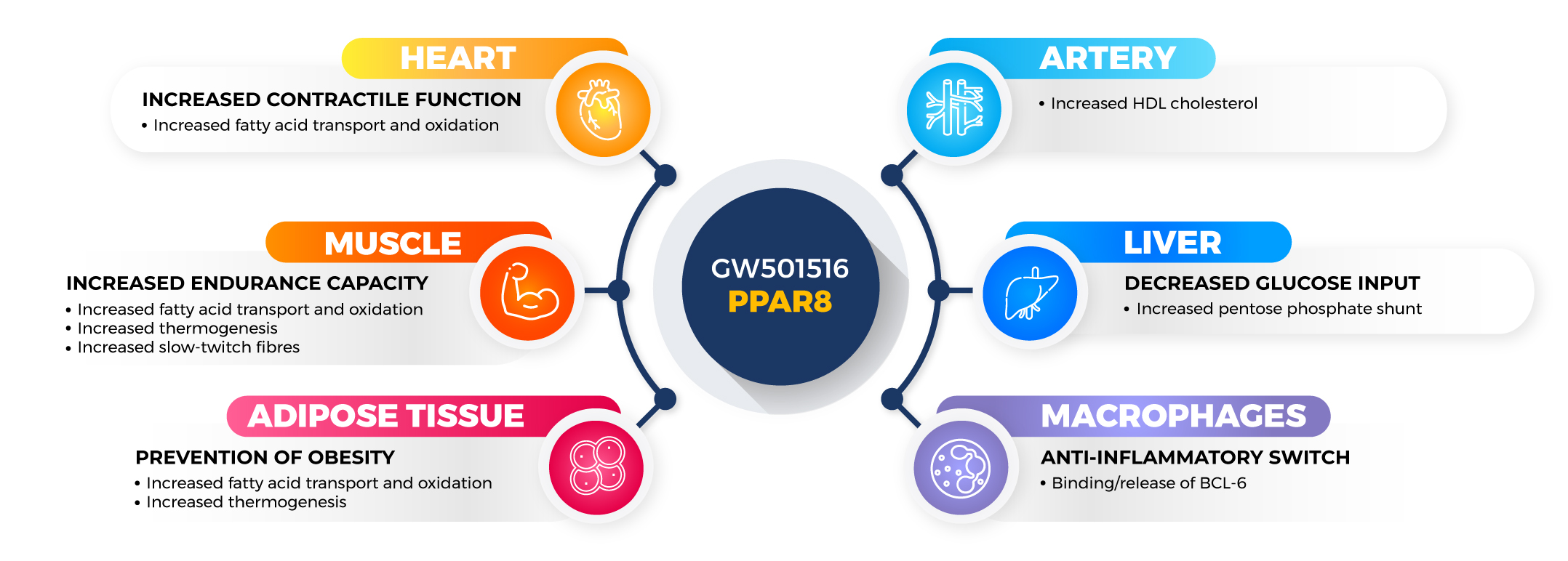
How does Cardarine work?

Chemical Structure of Cardarine

Chemical Structure of Cardarine

Research on Cardarine

Promotes Fat Loss

Promotes Fat Loss

Cardarine (GW501516) is a compound that has gained popularity for its potential to promote fat loss, primarily by enhancing fat oxidation and increasing endurance during physical activity. It works by activating the peroxisome proliferator-activated receptor delta (PPARδ), which leads to increased mitochondrial activity, boosting the body’s ability to burn fat for energy rather than storing it. This can result in improved exercise performance, greater energy expenditure, and more efficient fat utilization, making it a potential aid in weight management and body composition improvement. However, it’s important to note that Cardarine’s use is controversial due to safety concerns and its ban by major sporting organizations.

  1. In men with high belly fat, administration of 2.5 mg of cardarine daily for 6 weeks resulted in weight reduction. [1]
  2. In inactive volunteers, subjects treated with cardarine burned more fats (20%) compared to untreated subjects. [2]
  3. In mice, cardarine protected against diet-induced obesity. [3]
  4. In moderately obese men, cardarine reduced weight by increasing fatty acid oxidation. [4]
  5. In overweight and obese men and women, cardarine reduced body weight by improving cholesterol profile. [5]
  6. A study found that cardarine can significantly reduce weight by correcting the causes of insulin resistance and abnormal cholesterol profile. [6]
  7. A study also found that cardarine helps reduce weight by increasing energy expenditure in muscles. [7]
  8. In overweight and obese healthy volunteers, cardarine treatment at a dose of 10 mg for 12 weeks reduced body fat levels. [8]
  9. A cell study found that cardarine activates pathways involved in fat metabolism. [9]

Increases Muscle Mass and Strength

Increases Muscle Mass and Strength

Cardarine, also known as GW-501516, is often touted for its potential to enhance endurance and fat burning, but some claim it can indirectly promote muscle mass and strength by improving exercise performance. By enhancing the body’s ability to burn fat for fuel, Cardarine can help athletes maintain lean body mass during training, allowing them to focus more on strength-building exercises. Its role in improving cardiovascular endurance and stamina enables individuals to engage in longer, more intense workouts, which, over time, can lead to increased muscle mass and enhanced strength. However, its direct effects on muscle growth are not as pronounced as those of anabolic agents or other performance enhancers.

  1. Studies show that cardarine improves muscle health by regulating many different biological activities such as skeletal reprogramming, mitochondrial respiration, lipid and lipoprotein metabolism, body heat production, and muscle regeneration. [10-12]
  2. Studies show that cardarine improves exercise-induced reprogramming of muscle fibers by regulating the formation of genes associated with contractile proteins. [13]
  3. A study found that trained mice treated with cardarine had 113% more muscle fibers than untrained sedentary mice. [14]
  4. In mice with muscle abnormalities, cardarine treatment restored the integrity of skeletal muscle fibers. [15]
  5. A study found that PPAR-delta activator like cardarine regulates muscle fiber contraction and metabolism. [16]

Improves Exercise Endurance

Cardarine (GW501516) is a popular compound known for its potential to enhance exercise endurance. It works by activating the PPAR-δ receptor, which in turn boosts fat metabolism and increases the body’s ability to utilize stored fat for energy, sparing glycogen during prolonged physical activity. This mechanism can lead to improved stamina, allowing for longer and more intense workouts. Many users report experiencing enhanced endurance, quicker recovery times, and greater overall performance in endurance-based activities like running, cycling, and swimming. However, it’s important to note that the long-term safety and efficacy of Cardarine are still subjects of ongoing research.

  1. In both trained and untrained mice, cardarine treatment enhanced running endurance. [14]
  2. In adult mice, cardarine administration along with exercise training improved running endurance. [17]
  3. In sedentary mice, cardarine administration improved running endurance by preserving blood sugar. [18]

Lowers Cholesterol Levels

Cardarine (GW-501516) is often associated with benefits in improving cardiovascular health, particularly by lowering cholesterol levels. Studies suggest that Cardarine may help reduce LDL (bad) cholesterol while increasing HDL (good) cholesterol, which contributes to better lipid profiles and a reduced risk of heart disease. This compound works by activating the PPAR-δ receptor, which regulates fat metabolism and enhances the oxidation of fatty acids. As a result, it can support better cholesterol regulation and improve overall cardiovascular health, although it should be used with caution and under proper supervision due to potential side effects.

  1. In moderately obese men, treatment with cardarine reduced low density lipoprotein cholesterol by 23%. [4]
  2. In subjects with abnormally low high-density lipoprotein cholesterol levels, cardarine increased the levels of good cholesterol in just 12 weeks of treatment. [19]
  3. In patients with abnormal cholesterol profile, cardarine treatment reduced low density lipoprotein and increased high density lipoprotein cholesterol levels. [20-21]
  4. In healthy volunteers, cardarine enhanced the levels of high-density lipoprotein. [22]
  5. Administration of cardarine in patients with abnormal cholesterol profile for 12 weeks significantly reduced low-density lipoprotein. [23]
  6. In insulin-resistant middle-aged obese rhesus monkeys, cardarine administration resulted in a dramatic dose-dependent rise in blood levels of high-density lipoprotein cholesterol while lowering the levels of small-dense low-density lipoprotein and fasting triglycerides. [24]

Improves Brain Health

Cardarine (GW-501516) is primarily known for its effects on endurance and fat metabolism, but there is some evidence suggesting it may also have potential benefits for brain health. It activates the PPARδ receptor, which plays a role in improving mitochondrial function and enhancing neuroprotection. This could help reduce oxidative stress and inflammation in the brain, potentially supporting cognitive function and reducing the risk of neurodegenerative conditions. However, while studies in animals have shown promise, further research is needed to fully understand its impact on human brain health and its long-term safety.

  1. In mice, cardarine improved cognitive function by increasing blood flow to the brain. [25]
  2. In rat brain cells, treatment with cardarine reduced brain inflammation. [26]
  3. A cell study found that cardarine can lower the risk for central nervous system disorders by modulating inflammatory signaling network in the cells of the immune system. [27]
  4. In mice, cardarine improved spatial memory by promoting formation of new neurons (neurogenesis). [28]
  5. In a model of brain inflammation, cardarine protected against nerve cell damage by reducing inflammatory processes. [29]

Lowers Risk of Heart Disease

Cardarine (GW501516) is a synthetic compound that has been shown to potentially lower the risk of heart disease by improving lipid profiles and enhancing cardiovascular health. It works by activating the peroxisome proliferator-activated receptor delta (PPARδ), which plays a crucial role in fat metabolism and energy expenditure. By increasing the oxidation of fatty acids, Cardarine helps reduce triglyceride levels and raises high-density lipoprotein (HDL) cholesterol, often referred to as “good” cholesterol. Additionally, it may reduce the accumulation of visceral fat and improve overall blood vessel function, which can contribute to a reduced risk of atherosclerosis and other heart-related issues. However, its long-term safety and efficacy require further research to fully understand its impact on heart health.

  1. Cardarine may reduce the risk of plaque build-up in the arteries of the heart (atherosclerosis) by relaxing/widening the blood vessels via nitric oxide production. [1]
  2. Cardarine prevents atherosclerosis by antagonizing multiple proinflammatory pathways. [30]
  3. Cardarine also has the ability to prevent the formation of lesions. [31-32]
  4. Cardarine stimulates the growth of new blood vessels in the heart by boosting the levels of vascular endothelial growth factor (VEGF). [33]
  5. Cardarine improves overall heart health by regulating cardiomyocyte (heart cell) proliferation and cardiac repair. [34]

Improves Blood Sugar Levels

Cardarine (GW501516) has been shown to improve blood sugar levels by enhancing insulin sensitivity and promoting glucose uptake in muscles. This can lead to more efficient use of glucose, preventing excess buildup in the bloodstream. It works by activating the peroxisome proliferator-activated receptor delta (PPAR-δ), which increases fatty acid oxidation and helps regulate energy metabolism. As a result, Cardarine may support better blood sugar control, particularly in individuals with insulin resistance or metabolic syndrome, although its use should be approached with caution due to concerns over long-term safety.

  1. In mice, cardarine enhanced specific consumption of fatty acids and reduced blood sugar utilization. [14]
  2. In high fat-fed rats and mice, cardarine improved insulin response which in turn reduced blood sugar levels. [35]
  3. In a mouse model of metabolic syndrome, cardarine administration ameliorated insulin resistance. [36]
  4. In mice fed with a high-fat diet, cardarine improved blood sugar levels by enhancing insulin signaling. [37]
  5. Cardarine also improved blood sugar in mice with obesity-related disorders by regulating blood sugar metabolism and insulin sensitivity. [38]
  6. In mice, cardarine prevented cytokine-induced insulin resistance in liver cells. [39]

Fights Kidney Disease

Cardarine (GW501516) is a compound often linked to performance enhancement, but some studies suggest it may also offer benefits in fighting kidney disease. It is believed to work by activating the PPARδ (peroxisome proliferator-activated receptor delta), which helps regulate fat metabolism, reduce inflammation, and improve mitochondrial function. These actions may support kidney health by reducing oxidative stress, lowering inflammatory markers, and improving overall cellular function within kidney tissues. However, while these potential benefits are promising, more clinical research is needed to conclusively determine its effectiveness in combating kidney disease and its long-term safety.

  1. Cardarine protects against kidney disease by reducing the activity of MCP-1, a gene related to kidney disorders. [40]
  2. In high-fructose fed mouse model, cardarine improved inflammatory pathways in the kidneys. [41-42]
  3. A study found that cardarine has the potential to reduce kidney inflammation, thus, preventing kidney disease progression. [43]

Improves Liver Health

Cardarine (GW501516) has been suggested to improve liver health by promoting fat metabolism and reducing inflammation in the liver. It works by activating the peroxisome proliferator-activated receptor delta (PPARδ), which enhances the body’s ability to burn fat for energy, potentially reducing the accumulation of fat in liver cells, a key contributor to fatty liver disease. Additionally, Cardarine may help reduce oxidative stress, which can damage liver cells, leading to better overall liver function. However, it’s important to note that while some animal studies show promising results, further research is needed to fully understand its long-term effects on human liver health.

  1. A study found that cardarine has the potential to treat kidney diseases associated with metabolic syndrome. [44]
  2. In animal models of nonalcoholic fatty liver disease, cardarine treatment reduced liver inflammation. [45]
  3. In mice, cardarine treatment significantly reduced the prevalence of liver damage from a high-fructose diet and the development of nonalcoholic fatty liver disease. [39, 46]
  4. In animal models of non-alcholic steatohepatitis (fat build-up in the liver), cardarine ameliorated symptoms by enhancing fatty acid β-oxidation. [47-50]
  5. A study found that cardarine and other peroxisome proliferator-activated receptors have the ability to stimulate liver regeneration by modulating Akt and E2f Signaling. [51]

Prevents and Treats Cancer

Cardarine (GW501516) is a synthetic compound that has shown promise in research for its potential to prevent and treat cancer. It works by activating the PPARδ (peroxisome proliferator-activated receptor delta) pathway, which plays a key role in regulating metabolism, inflammation, and cellular growth. Studies suggest that Cardarine can help inhibit the proliferation of cancer cells and reduce tumor growth, particularly in cancers like breast, colon, and liver. Its anti-inflammatory effects, combined with its ability to enhance fat metabolism, may contribute to its potential as a cancer prevention and treatment agent. However, it’s important to note that more clinical trials are needed to fully understand its efficacy and safety in humans.

  1. A study showed the anti-inflammatory properties of cardarine in human pancreatic cancer. [52]
  2. In mice, cardarine inhibited tumor growth in nasopharyngeal carcinoma (NPC). [53]
  3. A study showed that cardarine induced apoptosis in invasive bladder cancer cells. [54]

Cardarine Side Effects

Cardarine side effects are very uncommon. There have been some side effects associated with the use of this drug wherein the patient had one of the issues listed below at some point while being on cardarine. However, the issue wasn’t’ confirmed to be caused by the treatment and could have been a coincidence and not related to the use of cardarine. Despite this, it was listed as a side effect associated with cardarine even these associated side effects are very uncommon.

Side effects associated with cardarine may include the following:

  • Dizziness
  • Flushing
  • Headache
  • Lightheadedness
  • Swelling of the ankles/feet

Cardarine vs ostarine

Cardarine, Ostarine, and MK-677 are all popular compounds in the fitness and bodybuilding community, but they serve different purposes. Cardarine (GW-501516) is a PPAR-delta agonist designed to enhance endurance, boost fat metabolism, and improve cardiovascular health. It does not affect muscle growth directly but helps users sustain longer workouts and burn fat more efficiently.

Ostarine (MK-2866), on the other hand, is a selective androgen receptor modulator (SARM) primarily used for muscle preservation and growth. It helps prevent muscle loss during cutting phases and supports lean muscle gains without the androgenic side effects of steroids. Unlike Cardarine, Ostarine directly influences muscle tissue by binding to androgen receptors, promoting muscle repair and growth. MK-677, also known for its growth hormone-releasing effects, can be stacked with these compounds to promote further muscle recovery and enhance muscle mass.

While both Cardarine and Ostarine can be used together in a cutting cycle, and MK-677 can support the process by improving muscle repair, they have distinct mechanisms of action. Cardarine focuses on endurance and fat oxidation, while Ostarine helps maintain muscle mass, and MK-677 supports muscle growth and recovery. Choosing between them depends on individual fitness goals—Cardarine is ideal for enhancing stamina and fat loss, while Ostarine is better suited for muscle retention and recovery, with MK-677 complementing these effects for overall muscle development.

Cardarine cycle length

Cardarine, Ostarine, and MK 677 are all popular compounds in the fitness and bodybuilding community, but they serve different purposes. Cardarine (GW-501516) is a PPAR-delta agonist designed to enhance endurance, boost fat metabolism, and improve cardiovascular health. It does not affect muscle growth directly but helps users sustain longer workouts and burn fat more efficiently.

Ostarine (MK-2866), on the other hand, is a selective androgen receptor modulator (SARM) primarily used for muscle preservation and growth. It helps prevent muscle loss during cutting phases and supports lean muscle gains without the androgenic side effects of steroids. MK 677, another compound used for muscle growth, promotes the secretion of growth hormone, further enhancing the potential for muscle recovery and growth. Unlike Cardarine, Ostarine and MK 677 directly influence muscle tissue by binding to androgen receptors and stimulating growth hormone release, respectively.

While all three compounds can be used together in a cutting cycle, they have distinct mechanisms of action. Cardarine focuses on endurance and fat oxidation, while Ostarine and MK 677 help maintain muscle mass and promote recovery. Choosing between them depends on individual fitness goals—Cardarine is ideal for enhancing stamina and fat loss, while Ostarine and MK 677 are better suited for muscle retention and growth.

Cardarine capsules

Cardarine capsules are a popular oral form of the PPAR-delta agonist, designed for convenient dosing and optimal absorption. These capsules are commonly used by athletes and fitness enthusiasts seeking to enhance endurance, boost fat metabolism, and improve energy efficiency without affecting hormone levels. Their standardized dosage makes it easier to track intake and maintain consistent results.

When taken as directed, Cardarine capsules work by stimulating the PPAR-delta pathway, increasing the body’s ability to burn fat while preserving muscle mass. This makes them especially appealing for individuals looking to improve body composition and athletic performance. Additionally, some research suggests potential cardiovascular benefits, such as reducing inflammation and improving lipid profiles.

Despite their potential advantages, users should be aware of ongoing debates regarding the long-term safety of Cardarine. While animal studies have raised concerns about prolonged use, human research is still limited. As with any supplement, it’s essential to source Cardarine capsules from reputable suppliers and consult a healthcare professional before use.

Cardarine and alcohol

Cardarine blood work is essential for monitoring its effects on lipid profiles, liver function, and overall metabolic health. Studies suggest that Cardarine can significantly improve cholesterol levels by increasing HDL (good cholesterol) and reducing LDL (bad cholesterol), which may contribute to cardiovascular benefits. Regular blood tests can help track these changes and ensure that lipid levels remain within a healthy range.

Liver function tests are also important when using Cardarine, as any compound affecting metabolism may influence liver enzymes. While research has not shown direct liver toxicity, routine blood work can help detect any potential abnormalities early. Checking markers such as ALT and AST levels can provide insights into liver health and ensure safe use over time.

Additionally, blood work can assess inflammation markers and glucose metabolism, as Cardarine is known to enhance insulin sensitivity. Monitoring fasting blood sugar and C-reactive protein (CRP) levels can help determine whether Cardarine is positively influencing metabolic health. Regular testing ensures that any unexpected side effects are detected early, allowing for adjustments if needed.

Cardarine blood work

Cardarine blood work is essential for monitoring its effects on lipid profiles, liver function, and overall metabolic health. Studies suggest that Cardarine can significantly improve cholesterol levels by increasing HDL (good cholesterol) and reducing LDL (bad cholesterol), which may contribute to cardiovascular benefits. Regular blood tests can help track these changes and ensure that lipid levels remain within a healthy range.

Liver function tests are also important when using Cardarine, as any compound affecting metabolism may influence liver enzymes. While research has not shown direct liver toxicity, routine blood work can help detect any potential abnormalities early. Checking markers such as ALT and AST levels can provide insights into liver health and ensure safe use over time.

Additionally, blood work can assess inflammation markers and glucose metabolism, as Cardarine is known to enhance insulin sensitivity. Monitoring fasting blood sugar and C-reactive protein (CRP) levels can help determine whether Cardarine is positively influencing metabolic health. Regular testing ensures that any unexpected side effects are detected early, allowing for adjustments if needed.

Cardarine rad140 stack

Stacking Cardarine (GW-501516) and RAD-140 (Testolone) is popular among athletes and bodybuilders for its potential synergy in enhancing endurance, fat loss, and muscle growth. Cardarine is known for improving stamina and metabolic efficiency by activating the PPAR-delta pathway, while RAD-140, a selective androgen receptor modulator (SARM), promotes lean muscle gains and strength. Together, they offer a combination of endurance enhancement and muscle-building effects.

This stack is often used during cutting cycles, as Cardarine helps with fat oxidation while RAD-140 preserves muscle mass and boosts recovery. Users report increased workout intensity, improved vascularity, and a leaner physique. Additionally, since Cardarine does not suppress natural testosterone production, it may help counterbalance some of the hormonal suppression caused by RAD-140.

Despite the benefits, potential side effects should be considered. RAD-140 can suppress testosterone, requiring post-cycle therapy (PCT), while Cardarine’s long-term safety remains debated due to animal studies linking it to cancer risk. Careful dosing, cycle length management, and regular health monitoring are essential for minimizing risks and maximizing results from this stack.

How long does cardarine take to work

Cardarine typically begins to take effect within a few days to a week, with users reporting increased endurance and energy levels early on. Since it activates the PPAR-delta pathway, which enhances fat metabolism and muscle efficiency, some benefits may be noticeable relatively quickly, especially during physical activity. However, the full effects on fat loss and endurance improvement may take a few weeks to become more pronounced.

Most users experience significant results within 4 to 6 weeks of consistent use, particularly in terms of stamina and fat oxidation. As the body adapts to the increased mitochondrial activity and improved metabolic efficiency, endurance continues to improve over time. Individual response varies based on dosage, activity level, and overall lifestyle factors like diet and exercise.

By the 8 to 12-week mark, users often see peak benefits, including noticeable improvements in cardiovascular performance and body composition. However, as with any performance-enhancing compound, results depend on sustained use, and cycling protocols are often recommended to optimize long-term effectiveness while minimizing potential risks.

Cardarine supplement

Cardarine is a research chemical often marketed as a supplement for its potential to enhance endurance, boost fat metabolism, and improve energy efficiency. Originally developed for treating metabolic and cardiovascular disorders, it gained popularity among athletes and fitness enthusiasts due to its ability to activate the PPAR-delta pathway, which promotes fat oxidation and muscle endurance. Unlike traditional stimulants, Cardarine does not act on the central nervous system, making it appealing for those looking to improve performance without jittery side effects.

Despite its promising benefits, Cardarine remains an experimental compound, and its long-term safety profile is not fully understood. Some studies in animal models raised concerns about potential cancer risks with prolonged use, leading to its discontinuation in pharmaceutical research. As a result, it is not approved for human consumption by regulatory bodies like the FDA and is primarily sold as a research chemical rather than a dietary supplement.

Individuals considering Cardarine should be cautious and aware of potential risks, as well as the legal status in their region. While some users report positive effects on endurance and fat loss, the lack of clinical trials in humans means its safety and efficacy remain uncertain. Consulting a healthcare professional before use is essential, especially for those with underlying health conditions or those subject to drug testing regulations.

Cardarine for women

Cardarine is often used by women seeking to improve endurance, boost fat metabolism, and enhance overall athletic performance. Unlike anabolic steroids, it does not interfere with hormone levels, making it an appealing option for women looking to increase stamina without the risk of masculinizing side effects. Its ability to promote fat oxidation can also help with body composition goals, making it a popular choice among female athletes and fitness enthusiasts.

For women, the typical Cardarine dosage is lower than that used by men, often ranging from 5 to 10 mg per day. This helps minimize any potential side effects while still providing significant benefits in endurance and fat burning. Since Cardarine does not directly stimulate muscle growth like steroids, it is commonly stacked with other supplements or training programs focused on lean muscle development.

While Cardarine is not known to cause hormonal imbalances, long-term safety remains a concern due to limited human research. Women considering its use should be cautious, monitor their response closely, and consult with a healthcare professional before starting. Additionally, sourcing high-quality products is essential to avoid contamination or counterfeit substances, as Cardarine is often sold in the research chemical market.

Cardarine dosage for males

The optimal Cardarine dosage for males typically ranges from 10-20 mg per day, depending on individual goals and experience with the compound. Beginners often start with 10 mg daily to assess tolerance, while more experienced users may increase to 20 mg per day for enhanced endurance and fat metabolism. It is usually taken once daily due to its long half-life of around 24 hours.

A common cycle length for Cardarine is 6-12 weeks, followed by a break to allow the body to reset. While it does not suppress natural testosterone production, taking periodic breaks can help minimize potential risks. Some users choose to stack Cardarine with other compounds like SARMs for synergistic benefits, but caution is advised when combining substances.

Since Cardarine is not liver-toxic, it does not require post-cycle therapy (PCT). However, maintaining a healthy diet and exercise routine is essential to maximize its effects. As with any research compound, consulting a healthcare professional before use is recommended to ensure safety and proper dosing.

When to take cardarine

The timing of taking Cardarine largely depends on your personal fitness goals and routine. For those using Cardarine to enhance endurance and performance, it’s commonly recommended to take it about 30 to 60 minutes before a workout. This timing allows the compound to activate the PPAR-delta pathway, optimizing fat metabolism and energy utilization during exercise, leading to better performance and stamina.

If you’re using Cardarine for fat loss or metabolic support, it can be taken at any time during the day, as it works by improving overall fat oxidation and energy efficiency. Some prefer to take it in the morning with their first meal to start the day with an energy boost, while others take it before a workout for maximum benefit during physical activity.

As with any supplement, consistency is key. To maintain stable levels in your system, taking Cardarine at the same time each day, whether before exercise or at a time that suits your routine, can help you achieve the best results over time. However, it’s essential to follow the recommended dosage and consult with a healthcare provider, particularly if combining it with other supplements or medications.

Cardarine dosage

Cardarine dosage typically starts at a lower range to assess individual tolerance and gradually increases if necessary. A common starting dose for athletes and individuals using Cardarine for performance enhancement is around 10 mg per day. This dosage is often taken once daily, although some users may split the dose into two smaller servings to reduce potential side effects. It’s important to note that the optimal dosage can vary based on factors like body weight, goals, and response to the compound.

For those seeking to maximize endurance or fat-burning effects, higher doses of up to 20 mg per day may be used, but it is essential to stay within safe limits to minimize any risks. Doses exceeding 20 mg per day are generally not recommended, as the long-term safety of higher doses is not well-established. Consistent use over extended periods is not typically advised, as there is limited data on the long-term effects of Cardarine.

As with any supplement or performance-enhancing compound, it is crucial to consult with a healthcare professional before starting Cardarine, especially if there are underlying health conditions. Monitoring for any adverse effects or unusual symptoms is recommended, and users should cycle off the compound after a set period to give the body a break and reduce the risk of potential side effects.

Ostarine and cardarine stack

The combination of Ostarine (MK-2866) and Cardarine (GW-501516), often referred to as a “stack,” is popular among athletes and fitness enthusiasts looking to improve performance, enhance fat loss, and increase endurance. Ostarine is a selective androgen receptor modulator (SARM) known for promoting lean muscle mass and strength without the side effects commonly associated with anabolic steroids. Cardarine, on the other hand, is a PPAR-delta activator that enhances endurance, fat metabolism, and cardiovascular health. Together, they create a synergy that can accelerate fat loss while maintaining or even increasing lean muscle mass.

Ostarine works by binding to androgen receptors in muscle tissue, stimulating muscle growth and repair, while Cardarine helps to improve the body’s ability to burn fat by boosting metabolic efficiency and increasing endurance. This combination makes the stack appealing for individuals aiming to get leaner, more toned, and stronger, as it helps maximize fat loss while preserving muscle. Moreover, Cardarine’s endurance-enhancing effects allow users to push harder in training, potentially leading to more effective workouts and greater overall progress.

However, while the Ostarine and Cardarine stack can offer performance benefits, it is important to approach it with caution, as both substances are not approved for long-term use outside of research settings. Side effects such as hormone imbalances with Ostarine or potential liver strain with Cardarine are concerns to monitor. Always consider consulting with a healthcare professional before using such compounds, especially when combining them for enhanced performance.

Ostarine and cardarine

Ostarine and Cardarine are both popular compounds in the fitness and bodybuilding communities, though they serve different purposes. Ostarine, also known as MK-2866, is a selective androgen receptor modulator (SARM) that promotes muscle growth, strength, and fat loss by binding to androgen receptors in the body. It is often used by athletes looking to enhance muscle mass without the negative side effects of anabolic steroids. Ostarine can help improve recovery, increase lean muscle, and support fat reduction during cutting phases.

Cardarine, on the other hand, is not a SARM but a PPAR-delta agonist. It works by activating the PPAR-delta pathway, which helps increase endurance, improve fat metabolism, and enhance cardiovascular performance. Athletes often use Cardarine to boost stamina and energy efficiency, allowing them to train harder and longer. Its fat-burning properties also make it a popular choice for those looking to improve body composition and overall metabolic health.

While both Ostarine and Cardarine are used to enhance athletic performance, they work through different mechanisms in the body. Ostarine primarily supports muscle growth and recovery, while Cardarine is more focused on increasing endurance and fat oxidation. Combining the two can provide synergistic benefits, as users may experience muscle gain and improved endurance, making them a popular pairing in training regimens. However, it is important to note that the long-term safety and regulatory status of these compounds remain uncertain, and they are not approved by major sports organizations for competition.

What does cardarine do

Cardarine, also known as GW-501516, is a synthetic compound that activates the PPAR-delta pathway, a receptor involved in regulating metabolism. By activating this pathway, Cardarine increases the body’s ability to oxidize fat, improving fat-burning processes and enhancing endurance. It is often used by athletes and bodybuilders to boost stamina during prolonged physical activity, as it helps the body use fat as a primary energy source rather than carbohydrates.

In addition to boosting endurance and fat metabolism, Cardarine is believed to support cardiovascular health. Research suggests that it can reduce inflammation and improve blood vessel function, contributing to better overall heart health. This makes it potentially beneficial for individuals looking to improve their cardiovascular fitness and reduce the risk of metabolic diseases such as obesity or diabetes.

While Cardarine does not influence hormones like anabolic steroids, it is valued for its ability to enhance energy efficiency and physical performance. Its effects on fat metabolism and endurance make it a popular choice for those seeking to improve exercise output and body composition, though long-term safety and regulatory status require further study.

Stenabolic vs cardarine

Stenabolic and Cardarine are both performance-enhancing compounds that target similar pathways in the body, but they differ in their mechanisms and uses. Stenabolic, also known as SR9009, is a Rev-Erb agonist that regulates circadian rhythms and boosts metabolism, leading to improved endurance, fat loss, and energy expenditure. It is often favored by athletes looking for enhanced physical performance and fat-burning effects without the need for stimulants.

Cardarine, also known as GW501516, works by activating the PPAR-delta pathway, which increases fat oxidation and improves endurance. It is primarily used by individuals aiming to improve cardiovascular health, increase stamina, and enhance fat metabolism. Cardarine is well-known for its ability to help burn fat while maintaining muscle mass, making it a popular choice for those focused on weight management and athletic performance.

While both compounds offer similar benefits, such as improved endurance and fat loss, their safety profiles and potential long-term effects differ. Stenabolic has not been extensively studied in humans, and there are concerns about its safety, particularly related to potential liver toxicity. On the other hand, Cardarine was linked to cancer development in animal studies, leading to concerns about its long-term use. Both substances should be approached with caution, and users should carefully consider the risks before incorporating them into their regimen.

DHEA

Dehydroepiandrosterone (DHEA), also known as androstenolone, is one of the most abundant circulating steroids in humans. Once secreted into the blood stream, the body converts DHEA into several other hormones such as testosterone and estrogen. Because of this vital function, DHEA is sometimes referred to as the “mother of all hormones” or “parent hormone”. DHEA is produced in the adrenal glands (small glands located on top of each kidney), the gonads (sex glands), and the brain.

Potential Health Benefits of DHEA

Aside from being a precursor to other important hormones, DHEA plays the following important functions:

  • Boosts immune function [1-16]
  • Decreases cholesterol [17-22]
  • Decreases formation of fatty deposits in the brain and blood vessels [23-30]
  • Enhances mood [31-54]
  • Improves cognitive function [55-60]
  • Improves quality of life [61-68]
  • Improves stress response [69-77]
  • Increases libido [78-83]
  • Lowers blood sugar [84-87]
  • Maintains healthy bones and prevents osteoporosis [88-97]
  • Maintains healthy heart [98-104]
  • Promotes weight loss [105-107]

DHEA in Women

Touted as the “super hormone”, DHEA plays several important functions in women:

  • Improves menopausal symptoms [108-117]
  • Improves fertility [118-132]
  • Treats low libido [133-138]
  • Improves skin quality [139-141]

DHEA in Men

In men, this powerful hormone works in numerous ways:

  • Increases muscle mass and strength [142-146]
  • Reduces fat mass [147-148]
  • Helps with addressing erectile dysfunction [149-153]

DHEA Deficiency

The levels of DHEA tend to gradually deteriorate with age. In addition, certain factors such as lifestyle, diet, emotional health, and stress levels can affect DHEA levels. It is a known fact that the level of this hormone start to decline after the age of 30, causing a wide array of negative health implications. Typical symptoms of DHEA deficiency (adrenal insufficiency) include:

  • Allergies
  • Decreased bone mineral density
  • Decreased sex drive
  • Depression
  • Dry eyes, skin, and hair
  • Elevated anxiety and stress levels
  • Erectile dysfunction
  • Extreme fatigue
  • Heightened sound sensitivity
  • Joint pain
  • Loss of muscle mass
  • Loss of pubic hair
  • Low immunity
  • Memory problems
  • Mood swings
  • Painful sexual intercourse
  • Sleeping difficulties
  • Weight gain/Obesity

If you are experiencing one or more of these symptoms, consult immediately with a qualified hormone replacement therapy doctor to assess your DHEA levels and come up with an appropriate medical management that is tailored to your needs.

Proven Health Benefits of DHEA Replacement Therapy

DHEA replacement therapy has gained worldwide attention over recent years. An overwhelming body of clinical research supports the significant beneficial effects of DHEA administration in patients with complete DHEA deficiency. Whether taken orally in the form of tablets or capsules, or given in the form of injections or applied directly to the skin, studies show that this “super hormone” can benefit almost every organ system in the body and can help combat a wide array of fatal diseases.

Fights Inflammation

Inflammation is the root cause of most diseases and is strongly linked with almost all age-related health problems. DHEA’s potent anti-inflammatory properties can help ward off various inflammatory disorders associated with advancing age and improve overall quality of life. Several research studies confirm the anti-inflammatory effects of DHEA:

  1. DHEA protects human neurons (nerve cells) from HIV-associated inflammation and prevents degeneration. [154-155]
  2. In patients with chronic inflammatory diseases, DHEA replacement therapy reduces the levels of inflammatory markers. [156]
  3. In patients with asthma and allergies, DHEA attenuates T helper 2 allergic inflammation and reduces airway hyperreactivity. [157]
  4. In patients with inflammatory bowel disease, DHEA restrains intestinal inflammation by modifying white blood cell activity and balancing the exacerbated immune responses. [158]
  5. In patients with Crohn’s disease and ulcerative colitis, DHEA decreases disease activity without any adverse side effects. [159]
  6. In patients with systemic lupus erythematosus (SLE), a chronic inflammatory disease, DHEA administration reduces dose of prednisone (thus avoiding its adverse effects) while also improving symptoms. [160]
  7. DHEA stops inflammation and restores normal colon length in mouse models of inflammatory bowel disease. [161]
  8. In mice, DHEA administration decreases the systemic inflammatory response induced by bilateral femoral fracture. [162]
  9. In animal models, DHEA suppresses experimental brain inflammation by reducing the levels of inflammatory substances. [163-168]

Improves Bone Strength and Quality

DHEA possesses potent anti-aging properties that help protect against loss of bone mineral density and strength, thereby reducing the risk of fractures and osteoporosis. Apart from aging, bone loss occur at higher rates in people with hormonal imbalances, poor eating habits, unhealthy lifestyle, and those with medical conditions that affect bone quality. As the “mother of all hormones”, evidence suggests that DHEA replacement therapy improves bone production and quality by boosting the production of other hormones necessary for bone production:

  1. In elderly men and women, DHEA replacement therapy significantly increases bone mineral density and the levels of the bone-boosting hormones insulin-like growth factor 1 and testosterone. [169-172]
  2. In women, 12 months of DHEA treatment increases bone mineral density of the lumbar spine as well as estrogen levels. [173-174]
  3. In men and women with low levels of DHEA due to disease, short duration of DHEA treatment improves bone mineral density and bone metabolism. [175-180]
  4. In older healthy individuals, DHEA prevents bone loss and osteoporosis. [181-182]
  5. DHEA acts protectively against osteoporosis by increasing bone-forming cells known as osteoblasts. [183]
  6. In older women, DHEA supplementation improves bone mineral density when co-administered with vitamin D and calcium. [184]
  7. In older adults, long-term (12–24 months) DHEA replacement therapy significantly increases or preserves bone mineral density while preventing bone breakdown. [185-188]
  8. In young adults, DHEA decreases bone breakdown and increases bone formation without any adverse side effects. [189]
  9. In young women with anorexia nervosa (eating disorder characterized by fear of gaining weight and strong desire to be thin), DHEA treatment significantly increases bone mineral density of both hip and spine. [190]
  10. In postmenopausal women, higher DHEA levels are associated with lesser bone loss. [191]
  11. In postmenopausal women, DHEA treatment significantly increases bone mineral density as well as blood levels of osteocalcin, a marker of bone formation. [192]

Maintains Heart Health

DHEA appears to play a major role in cardiovascular function and deficiency in this vital hormone may compromise heart health. In fact several high quality studies found a strong link between DHEA deficiency and higher incidence of heart diseases in both men and women. [193-207] This suggests that replacing DHEA to youthful levels can help boost heart health and prevent various fatal heart diseases. A number of clinical trials support the beneficial effects of DHEA replacement therapy on the cardiovascular system:

  1. In patients with coronary heart disease, DHEA inhibits human platelet aggregation and dissolves blood clots. [208]
  2. In patients with cardiovascular disease, DHEA relaxes the blood vessels of the heart, thereby improving blood flow and function. [209]
  3. In patients with coronary heart disease, DHEA replacement therapy significantly decreases the levels of fibrinogen, a protein associated with blood clotting. [210]
  4. In patients with cardiovascular disease, higher DHEA levels are associated with better prognosis. [211]
  5. In postmenopausal women, long-term treatment with DHEA lowers cardiovascular risk by improving insulin sensitivity and cholesterol levels. [212-213]

Improves Brain Function

As a nootropic agent or cognitive-enhancer, DHEA is among the most important neurosteroids. Neurosteroids are steroids synthesized within the brain that help maintain the functions of nerve cells. There is strong scientific evidence that DHEA supplementation can help boost brain function in the elderly as well as those with cognitive impairments related to various brain problems:

  1. In women, DHEA supplementation improves memory by stimulating neurons and inhibiting the stress hormone cortisol. [214]
  2. In patients with depression and anxiety, DHEA enhances emotional regulation of memory by improving the function of the hippocampus (memory center of the brain). [215-216]
  3. In young adults, DHEA improves visual processing. [217]
  4. In women, DHEA supplementation improves working memory, attention and verbal fluency. [218]
  5. In elderly men and women, DHEA supplementation significantly improves executive function and memory. [219]
  6. In men, DHEA replacement therapy at a dose of 300 mg daily improves memory recollection and mood and decreases cortisol levels. [220]
  7. In older women with mild to moderate cognitive impairment, oral DHEA supplementation at a dose of 25 mg daily for 6 months improves cognition and activities of daily living. [221]
  8. In rat models of Alzheimer’s disease, DHEA supplementation reduces symptoms and improves memory. [222]

Increases Pregnancy Rate

For women who want to increase their chances of getting pregnant, DHEA supplementation can help. In fact, DHEA supplements are actually prescribed by doctors in women with diminished ovarian reserve (DOR), a condition in which the ovaries lose their reproductive potential. Several clinical trials assessing the beneficial effects of DHEA replacement therapy on pregnancy rate have shown positive outcomes for many women:

  1. In young women who do not respond well to in vitro fertilization (IVF), DHEA supplementation at dose of 25 mg three times daily for at least 12 weeks significantly increases spontaneous pregnancy rate. [223]
  2. In women with lower fertility rates, DHEA improves ovarian function, increases pregnancy chances and lowers miscarriage rates. [224]
  3. DHEA significantly reduces miscarriages in women by preventing aneuploidy (presence of an abnormal number of chromosomes in a cell). [225-229]
  4. In women with lower fertility rates, DHEA supplementation improves pregnancy rate by increasing the number and quality of oocyte (egg cell) and embryo. [230-232]
  5. In women with hormonal imbalances, DHEA supplementation for at least 3 months is associated with spontaneous and treatment-induced pregnancies. [233-234]
  6. In women with DOR, DHEA replacement therapy increases the levels of Anti-Mullerian Hormone (AMH), an indicator of good ovarian reserve. [235]

Promotes Weight Loss

While proper diet and regular exercise are important factors involved in maintaining a healthy weight, hormones like DHEA play an important role too. This “super hormone” boosts the body’s natural ability to utilize energy reserves and burn fat, two metabolic processes that gradually decline with advancing age. Studies show that DHEA replacement therapy promotes weight loss, thus reducing one’s risk of developing obesity-related diseases:

  1. In obese men, DHEA supplementation reduces body mass index (BMI). [236]
  2. In overweight men and women, DHEA supplementation promotes weight loss by increasing metabolic rate. [237]
  3. In overweight adults, DHEA supplementation is associated with a three-fold decrease in body weight and fat mass. [238]
  4. In young athletes, DHEA reduces BMI, waist-to-hip ratio (WHR) and body fat while increasing testosterone and estrogen levels. [239]
  5. In age-advanced men, 100 mg daily dose of DHEA decreases fat body mass. [240]

Lowers Blood Sugar Levels

Acquiring more DHEA can help combat diabetes and other diseases linked with high blood sugar levels. Results of human studies assessing the anti-diabetic effects of DHEA suggest that it can protect against insulin resistance induced by aging and unhealthy lifestyle:

  1. In older men and women, 6 months of DHEA replacement therapy improves insulin action, thereby reducing blood sugar levels. [241]
  2. In women with stress hormone deficiency, DHEA replacement therapy lowers blood sugar levels by improving the body’s response to insulin. [242]
  3. In older men and women, DHEA treatment at a dose of 50 mg daily for 6 months reduces adiposity while improving blood sugar levels. [243]
  4. In middle-aged and elderly men and women, higher DHEA levels are associated with a lower risk of type 2 diabetes. [244]
  5. In older men and women, DHEA prevents insulin resistance by reducing the levels of inflammatory cytokines such as IL-6 and TNFα. [245-250]
  6. DHEA reverses insulin resistance by activating peroxisome proliferator-activated receptor (PPARα), a group of proteins that play a role in the metabolism of carbohydrates, lipids, and proteins. [251-261]
  7. Another mechanism by which DHEA improves insulin action is by improving the activation of phosphatidyl inositol 3-kinase and Akt/PkB pathway, both of which play a key role in blood sugar metabolism. [262-264]

Improves Sleep Quality

Troublesome and frustrating, sleeping problems associated with aging can negatively impact one’s quality of life. Hormonal imbalance during this stage is thought to affect sleep quality, resulting in lack of sleep and extreme fatigue. Specifically, the age-related decline in various hormones such as testosterone, estrogen, and DHEA contributes to insomnia. Because DHEA is a precursor to several other important hormones in the body, researchers believe that restoring DHEA to youthful levels can help improve sleep quality. A number of clinical trials support the beneficial effects of DHEA on sleep:

  1. In men, a single dose of DHEA (500 mg) induces a significant increase in rapid eye movement (REM), one of the deepest stages of sleep. [265]
  2. In healthy postmenopausal women, oral DHEA administration at a dose of 50 mg daily for 3 weeks enhances sleep quality. [266]

Improves Muscle Mass and Strength

Regular exercises along with proper diet are known to increase muscle mass and strength. However, not all older individuals may benefit from these strategies due to reduced activity levels and slower metabolism. Interestingly, there is increasing evidence that DHEA supplementation can aid in improving muscle mass and strength especially in the older population. Studies show that DHEA replacement therapy is beneficial in both older men and women:

  1. In elderly men and women, DHEA replacement therapy enhances the effect of weightlifting training on muscle strength. [267]
  2. In postmenopausal women, DHEA supplementation improves muscle strength and function. [268]
  3. In elderly men and women, DHEA supplementation improves muscle mass and strength as well as gait speed. [269]
  4. In healthy non-obese age-advanced (50-65 years of age) men, a daily oral 100 mg dose of DHEA for 6 months increases knee muscle strength as well as lumbar back strength. [270]
  5. DHEA also helps protect against muscle wasting by preventing cell oxidation and cell death. [271]
  6. In frail older women, DHEA supplementation improves lower extremity strength and physical function. [272]

Relieves Menopausal Symptoms

Menopausal women often experience debilitating symptoms that ruin their quality of life, including hot flushes, sleeping difficulties, fatigue, sexual dysfunction, headaches, body pains, and mood swings.  Researchers believe that menopause and low DHEA levels go hand in hand, and by restoring DHEA to youthful levels through hormone replacement therapy, menopausal women can significantly experience relief from these unpleasant symptoms. A number of high quality studies conducted in menopausal women support the benefits of DHEA:

  1. Intravaginal administration of DHEA improves vaginal health and lessens pain during sexual intercourse. [273]
  2. In postmenopausal women, intravaginal administration of DHEA prevents vaginal atrophy (thinning, drying and inflammation of the vaginal walls). [274]
  3. Daily intravaginal administration of DHEA causes highly statistically significant improvements in vaginal dryness, vaginal pH acidity, and pain during sexual activity. [275-277]
  4. In menopausal women, four weeks of DHEA therapy decreases hot flushes by 50%. [278]
  5. In early and late postmenopausal women, DHEA replacement therapy for 3-6 months improves hot flushes and night sweats. [279]
  6. In early postmenopausal women, DHEA replacement therapy improves sexual function and frequency of sexual intercourse. [280]

Treats Erectile Dysfunction (ED)

DHEA doesn’t only treat sexual dysfunction in women, but also in men with ED. As a building block for testosterone, the key male sex hormone, DHEA may be able to ramp up sexual power in men with ED. Strong scientific evidence supports the beneficial effects of DHEA on this condition:

  1. In men with ED, DHEA therapy at an oral dose of 50 mg daily for 6 months improves scores in International Index of Erectile Function (IIEF). [281]
  2. In patients with ED who have hypertension, DHEA treatment is associated with statistically higher mean scores in IIEF. [282]
  3. In men with ED, DHEA supplementation improves sexual interest, arousal, orgasm and sexual frequency. [283]
  4. In men with ED caused by chronic prostate inflammation, DHEA supplementation significantly improves sexual function. [284]

Fights Cancer

DHEA does not only have anti-aging capability but it also has potent anti-cancer properties. There is strong scientific evidence that this hormone is capable of destroying various cancer cell types, thereby preventing its spread in different body parts (metastasis). Results from numerous studies show that DHEA fights cancer through various mechanisms:

  1. In patients with colon cancer, DHEA prevents the metastatic progression of colon cancer cells by targeting the prenylation pathway, a process that contributes to the spread of cancer cells. [285]
  2. In cancer patients, DHEA administration at a dose of 25-50 mg daily induces significant normalization of abnormal cancer parameters. [286]
  3. DHEA inhibits the growth and reproduction of different human breast cancer cell lines by inhibiting the production of inflammatory substances and proteins related with cell migration and metastasis. [287-288]
  4. In postmenopausal women, DHEA inhibits the growth of breast cancer cells. [289]
  5. In patients with advanced prostate cancer who are unresponsive to chemotherapy and other standard treatment regimens, DHEA significantly improves symptoms. [290]
  6. Dietary supplementation with 0.6% DHEA significantly inhibits pancreatic cancer cell growth. [291]
  7. DHEA inhibits the growth, reproduction, and migration of human uterine cervical cancers by inducing programmed cell death. [292-293]

Boosts Immune Function

The age-related decline in DHEA levels is believed to contribute to various medical conditions, including impairment of immune function. This predisposes older individuals to a wide array of fatal diseases like autoimmune disorders and inflammatory conditions. Research suggests that DHEA supplementation may help improve symptoms and even prevent immune system-related disorders by boosting immune function via several different mechanisms:

  1. In patients with systemic lupus erythematosus (SLE), DHEA significantly reduces symptoms and improves health related quality of life. [294-306]
  2. In patients with tuberculosis, DHEA helps relieve symptoms by clearing bacteria and preventing tissue damage. [307]
  3. DHEA improves immune function by reducing the levels of the stress hormone cortisol. [308]
  4. DHEA has strong antiviral, antibacterial, and anti-parasitic properties capable of protecting against a variety of lethal infections. [309-310]
  5. In age-advanced men with low DHEA levels, administration of oral DHEA at a daily dose of 50 mg significantly activates immune function by increasing the levels of insulin-like growth factor 1 (IGF-1), a hormone that has immune-modulating effects. [311]
  6. DHEA improves immune function by regulating the production of pro-inflammatory cytokines such as IL-2, IL-1, IL-6 and TNFα. [312-319]
  7. DHEA is metabolized to other sex hormones such as estrogen and testosterone, both of which regulate immune cell development and function. [320-324]
  8. In elderly men and women, DHEA boosts immune function by increasing the production of immune system cells such as CD4+ T cells. [325-332]
  9. DHEA mediates its immune-boosting effects by suppressing the mitogen-activated protein kinases (MAPK) pathway in activated lymphocytes (white blood cells). [333] An increase in this pathway is associated with compromised immune function. [334]
  10. DHEA improves immune function by enhancing natural killer cell activity. [335]
  11. DHEA supplementation is used to enhance the antibody response to tetanus and influenza vaccines. [336-338]
  12. In patients with asthma, DHEA reduces allergic inflammatory airway reactions, thereby improving symptoms. [339]

Wards off Depression and Improves Mood

Low mood and depression are among the most common psychological symptoms associated with old age. There is increasing evidence that age-related DHEA deficiency is strongly linked with depression, [340-341] suggesting that DHEA replacement therapy can be beneficial in improving depressive symptoms as well as quality of life. Results from various human studies assessing the beneficial effects of DHEA on mood show that this hormone can help maintain a positive outlook, energy and motivation:

  1. In older men and women (40-70 years), DHEA administration at 50 mg daily improves energy levels and ability to handle stress. [342]
  2. In patients with depression that is mild or resistant to conventional therapy, DHEA supplementation improves depressive symptoms. [343]
  3. In middle-aged and elderly patients with major depression and low DHEA levels, treatment with DHEA at 30-90 mg daily for 6 months significantly improves depression ratings and memory performance while increasing DHEA levels. [344]
  4. In men, DHEA administration reduces activity in brain regions associated with generation of negative emotion, thereby improving mood. [345]
  5. In patients with major depressive disorder, DHEA administration is associated with significant reduction in depressive symptoms. [346-348]
  6. In men, DHEA administration increases activity in the anterior cingulate cortex, a region in the brain involved with emotion formation. [349]
  7. DHEA also modulates dopamine and serotonin release in the brain, both of which play a key role in emotion regulation and episodic memory. [350]
  8. In patients with anxiety disorder, DHEA administration improves the function of the amygdala, a brain region that plays a key role in the processing of emotions. [351]
  9. In patients with post-traumatic stress disorder (PTSD), DHEA administration is positively associated with adaptive responses to stress and symptom improvement and coping. [352-353]
  10. In depressed and nondepressed men and women, DHEA administration has mood-elevating effects. [354-357]
  11. In women with adrenal insufficiency (lack of steroid hormones, primarily cortisol), DHEA significantly improves overall well-being as well as scores for depression and anxiety. [358-360]
  12. In patients with depression, low-dose topical DHEA treatment improves subjective measures of fatigue, depression, and vitality. [361]

Improves Cholesterol Levels

Cholesterol is required for DHEA production. In fact, the process by which DHEA is produced starts when cholesterol enters the “powerhouse” of cells known as mitochondria. [362] Researchers believe that this process may help lower cholesterol and increase DHEA levels in the body, thereby boosting overall health. Results from several studies support the beneficial effects of DHEA supplementation on cholesterol levels:

  1. In overweight individuals, higher DHEA levels are associated with lower cholesterol levels. [363]
  2. In older women with frailty characteristics, DHEA supplementation improves total cholesterol and low-density lipoprotein (LDL) levels. [364]
  3. In men aged 41-60 years, DHEA therapy at a dose of 150 mg daily for 40 days reduces total cholesterol levels. [365]
  4. In postmenopausal women, DHEA supplementation has favourable effect on cholesterol levels. [366]

Reduces Wrinkles and other Signs of Skin Aging

DHEA can reduce wrinkles and other skin imperfections associated with aging. Studies show that this hormone exerts its anti-aging effect through various mechanisms:

  1. In postmenopausal women aged 60-65 years, skin application of DHEA cream twice daily for 13 weeks improves skin health and appearance by increasing the levels of collagen, a protein that makes the skin radiant and younger-looking. [367]
  2. In postmenopausal women, skin application of DHEA cream is associated with greater procollagen and collagen production. [368-370]
  3. In older women, oral DHEA supplementation at a dose of 50 mg daily for 1 year improves skin hydration, skin thickness and oil production, and reduces skin pigmentation. [371]
  4. In patients with skin atrophy (skin thinning), oral DHEA prevents frequent skin tearing. [372]
  5. In postmenopausal women, skin application of DHEA cream reduces wrinkles and blemishes. [373]
  6. In postmenopausal women, DHEA decreases the production of the collagenase enzymes that destroy collagen. [374]
  7. DHEA also decreases the production of genes associated with the formation of calluses and rough skin in postmenopausal women. [375]

Prevents Stroke

Stroke is one of the most deadly diseases worldwide. Interestingly, aside from diet and lifestyle, studies show that low DHEA levels are strongly associated with increased risk of stroke and related death. [376] Fortunately, increasing DHEA levels through replacement therapy can significantly prevent stroke, according to studies:

  1. DHEA prevents the death of healthy cells in the brain by inhibiting inflammatory processes. [377]
  2. In post-stroke patients, DHEA supplementation can improve functional outcome. [378]
  3. DHEA protects nerve cells in the brain from injury. [379]

Estrogen

Estrogen or oestrogen, is the primary female sex hormone that plays a key role in the regulation and development of the female reproductive system as well as secondary sex characteristics. In men, estrogen is also present but in smaller amounts. During puberty, the ovaries start to release estrogen hormones and its levels rise significantly halfway through the menstrual cycle, which triggers the release of an egg. After ovulation, estrogen levels fall back to normal. Aside from the ovaries, estrogen is also produced in the adrenal glands and fat tissues. As a hormone, estrogen usually travels through the bloodstream and interacts with various body tissues to deliver a message.

The estrogen family includes any of a group of chemically similar hormones such as:

  1. Estrone (E1)

E1 is considered as a weak form of estrogen and the only type found in postmenopausal women. It is present in lesser amounts in most body tissues, primarily in fats and muscles.

  1. Estradiol (E2)

E2 is responsible for the development of female secondary sexual characteristics such as breast enlargement, erection of nipples, growth of body hair, widening of the hips, changes in genital structure, and feminine pattern of fat distribution. It also maintains female reproductive tissues such as uterus, vagina, and mammary glands.

  1. Estriol (E3)

E3 is considered as the weakest of estrogens. The levels of E3 are almost undetectable in women who are not pregnant. However, significant amounts of E3 are produced by the placenta during pregnancy.

Potential Health Benefits of Estrogen

  • Maintains Bone Strength and Quality [11-67]
  • Relieves Menopause Symptoms [68-88]
  • Improves Sexual Function [89-113]
  • Reduces Overall Body Fat [116-137]
  • Improves Muscle Mass and Strength [139-170]
  • Improves Mood and Energy Levels [171-190]
  • Reduces Wrinkles and Maintains Younger, Tighter Skin [192-245]
  • Improves Cognitive Function [246-308]
  • Improves Sleep Quality [310-331]
  • Enhances Exercise Performance [332-340]
  • Decreases Urinary Tract Infections (UTI) [341-356]
  • Decreases Risk of Heart Disease [357-403]
  • Improves Cholesterol Profile [404-423]
  • Improves Blood Sugar Levels [424-440]
  • Improves Blood Pressure [441-456]
  • Decreases Risk of Stroke [458-490]
  • Boosts Immune Function [491-507]

Estrogen in Women

Estrogen is crucial to a woman’s reproductive function and cycle. This powerful hormone affects the following body areas:

  • Ovaries: Estrogen is responsible for stimulating the growth of an egg follicle.
  • Vagina: Estrogen stimulates the growth of the vagina and its structures. It also increases vaginal acidity to help fight bacterial infections and it lubricates the vagina.
  • Fallopian tubes: It also stimulates the growth of the muscular walls of the fallopian tubes, and for the muscular contractions that transport the egg cells.
  • Uterus: It helps maintain the lining of the uterus (endometrium) and enhances blood flow and uterine contractions during childbirth. In addition, estrogen also helps get rid of dead tissue in the uterus during menstruation.
  • Cervix: It aids in the fertilization process by enhancing the transport of a sperm cell to an egg.
  • Mammary glands: During adolescence, estrogen stimulates the growth of breast tissue. It also regulates the flow of milk during breastfeeding.

Aside from its key role in maintaining the growth and development of the female reproductive system, estrogen also has the following important functions:

  • During puberty, estrogen slows down the growth of females and enhances the body’s response to insulin.
  • In the liver, estrogen works to regulate cholesterol production.
  • It causes body hair to become finer.
  • It creates the ideal female body frame by making the bones smaller and shorter, the shoulders narrower, and the pelvis broader.
  • It enhances body contour by increasing fat storage around the hips and thighs.
  • It enhances the effects of certain brain chemicals.
  • It gives females a higher-pitched voice by making the voice box smaller and vocal cords shorter.
  • It helps maintain bone strength and quality.
  • It helps regulate body temperature.
  • It improves skin thickness and quality by increasing the production of collagen.
  • It reduces the incidence of acne and oily skin by suppressing the activity of the oil glands.
  • It regulates the brain region that is linked to sexual development.

Estrogen in Men

Men also produce estrogen in smaller amounts. In order for this process to happen, an enzyme called aromatase converts testosterone into estradiol. Research indicates that certain cells in the testis known as Leydig cells, contain the aromatase enzyme and produce some estrogen. [1]The aromatase enzyme is also abundant in the brain and penis. However, as men age, their aromatase levels can sometimes spike, which causes their testosterone to be converted into excess estradiol. [2] This in turn results in low testosterone while spiking estradiol levels. In some men, their aromatase levels are insufficient and suffer from estrogen deficiency. Other men produce abnormally low levels of testosterone that there isn’t enough to convert into estrogen, thus, causing a deficiency in both testosterone and estradiol.

Just like women, men also need estrogen to perform at optimal levels. Estradiol, the predominant form of estrogen, is thought to play a major role in male sexual function. [3] Estradiol in men modulates libido, erectile function, and production of sperm cells. In the brain, estradiol production is increased in areas that regulate sexual arousal. Moreover, several estrogen receptors are distributed throughout the erectile tissues of the penis (corpus cavernosum) with high concentrations found in the nerves, arteries, veins, and other blood vessels.

Estrogen Deficiency

In women over age 40, estrogen levels will significantly decline due to approaching menopause, which is medically known as perimenopause. During this time of transition, a woman’s ovaries will still produce estrogen, however, in smaller amounts. By the time that estrogen production completely stopped, a woman has already reached menopause. This age-related decline in estrogen levels can lead to debilitating signs and symptoms such as:

  • Breast tenderness
  • Brittle bones
  • Cognitive impairment (memory issues, difficulty concentrating, and thinking problems)
  • Difficulty sleeping
  • Frequently missed periods (amenorrhea)
  • Hot flashes
  • Low libido
  • Mood swings
  • Night sweats
  • Painful intercourse
  • Thin, dry, or wrinkled skin

In men, low estrogen levels can also lead to the following signs and symptoms:

  • Anxiety
  • Bone loss
  • Depression
  • Erectile dysfunction
  • Joint pains
  • Fat accumulation
  • Fatigue
  • Irritability
  • Oversleeping or sleeping difficulties
  • Sexual dysfunction
  • Water retention
  • Hot flashes

Aside from the natural process of aging, certain medical conditions, lifestyle choices, and processes can lead to estrogen deficiency. These include:

  • An underactive pituitary gland
  • Anorexia nervosa
  • Breastfeeding
  • Certain medications, such as clomiphene
  • Childbirth
  • Chronic kidney disease
  • Fat and calorie restriction
  • Genetics
  • Ovarian failure
  • Polycystic ovarian syndrome (PCOS)
  • Pregnancy failure
  • Strenuous exercise or training
  • Toxins
  • Turner syndrome

Estrogen Replacement Therapy (ERT)

Over time, the gradual decline in women’s estrogen levels can lead to debilitating signs and symptoms which can ultimately impair one’s quality of life. Women who had their uterus surgically removed (hysterectomy) can also experience these detrimental effects. Fortunately, for those suffering from estrogen deficiency, ERT can be used to increase estrogen levels, alleviate unpleasant symptoms, and improve overall quality of life.

There are different ways ERT is administered. These include:

  • Oral – The oral route is the most frequently utilized method of ERT because it effectively delivers estrogen into the bloodstream. Estrogen tablets are relatively convenient and inexpensive for most women.
  • Transdermal patches (Skin patches) – Skin patches bypass the liver and are recommended for patients who do not respond to estrogen tablets. This route of administration allows the estrogen to be gradually absorbed by the skin.
  • Transdermal gels or creams – This method makes use of a measured amount of gel or cream that is applied on the skin. Application of transdermal gel also allows the estrogen to be gradually absorbed into the bloodstream.
  • Sublingual – This route involves placing estrogen tablets under the tongue. It is absorbed through the lining of the mouth into the blood vessels and then into the bloodstream.
  • Intramuscular injections – Injection of estrogen into the muscles is the most common method of ERT used by many physicians. The hormone is usually mixed with a substance to allow slow release into the bloodstream once injected.
  • Subcutaneous implantations – This method involves implantation of estrogen pellets into the tissue layer between the skin and the muscle at 3-6-month interval. The most commonly used body areas are the abdomen or buttocks.

Potential candidates for ERT usually undergo measurement of estrogen levels first through   comprehensive saliva, blood, urine and serum test. By determining the baseline estrogen levels, the ERT physician will be able to customize a treatment plan that is tailored to the individual needs of the patient.

Proven Health Benefits of ERT

Compelling evidence indicates that restoring estrogen to youthful levels through ERT can help treat and prevent a wide range of medical conditions that can improve one’s quality of life. The following are among the diverse health benefits of ERT:

Maintains Bone Strength and Quality

The body constantly builds and remodels bone. However, after menopause, this process slows down causing women to lose as much as 20% of their bone mass. [4] As a result, postmenopausal women begin to experience osteoporosis, fractures, and other bone disorders.  [5-7] In aging men, low estrogen levels can also increase their risk of developing bone problems.  [8-10] An overwhelming body of clinical evidence suggests that this age-related bone loss can be prevented and treated with ERT:

  1. In both men and women, estrogen regulates bone metabolism and maintains bone formation. [11-13]
  2. In postmenopausal women, low-dose ERT as well as the standard dose ERT is associated with significant reduction in the incidence of osteoporosis and fractures. [14-23]
  3. In postmenopausal women, ERT significantly increases bone mineral density (BMD) of different skeletal sites without any adverse side effects. [24-37]
  4. In postmenopausal women, discontinuation of ERT results in acceleration of bone breakdown, decrease in BMD and eventual loss of anti-fracture efficacy. [38-44]
  5. In early and late postmenopausal women, ERT slows bone breakdown and increases bone BMD at all skeletal sites. [45-46]
  6. In postmenopausal women with osteoporosis and other bone disorders, ERT appears to be safe and effective in increasing bone mass. [47-55]
  7. In humans and animals with bone fractures, ERT accelerates bone healing and prevents further bone breakdown. [56-67]

Relieves Menopause Symptoms

Menopause can bring in a number of physiological changes that can permanently affect a woman’s life. These significant changes include unpleasant symptoms that appear before, during and after the onset of menopause. In order to treat menopause symptoms and replace the declining estrogen levels, most doctors prescribe ERT. There is mounting clinical evidence that ERT is safe and effective in alleviating menopause symptoms:

  1. In healthy women in the perimenopausal transition who are experiencing bothersome symptoms, very-low-dose estrogen therapy (0.3 mg daily) [68-69] or transdermal estradiol (0.025 mg weekly) [70] often is effective in alleviating hot flushes and is associated with minimal side effects.
  2. In postmenopausal women, ERT appears to treat mood swings and other menopause symptoms without any adverse side effects. [71-88]

Improves Sexual Function

When estrogen levels decline, both men and women may experience reduced libido which can ultimately affect their self-confidence as well as quality of life. In women, estrogen deficiency can cause changes to the structures and pH of the vagina, which in turn leads to vaginal health issues such as vaginal dryness, inflammation of vaginal tissues, irritation, and painful sexual intercourse (dyspareunia). In men, low estrogen levels can cause erectile dysfunction and reduced sexual desire. Studies show that undergoing ERT can help treat a wide array of sexual health issues associated with age-related decline in estrogen levels:

  1. In castrated men, elevations in estrogen help maintain some sexual function and do not appear to be harmful. [89]
  2. In male rats, estrogen is considered essential for normal intromission and ejaculatory function. [90]
  3. In postmenopausal women with dyspareunia due to vaginal dryness, ERT restores vaginal cells, pH, lubrication, and blood flow, which in turn improves sexual function.   [91-95]
  4. In pre-menopausal women with estrogen deficiency on hemodialysis, transdermal estradiol treatment is associated with restoration of regular menses and a marked improvement in their sexual function. [96]
  5. In postmenopausal women with decreased libido, ERT improves female sexual functioning by acting on the central nervous system to increase sexual desire. [97-101]
  6. In women who had hysterectomy, ERT is associated with significant improvements in lubrication, orgasm, sexual satisfaction, and general well-being. [102-110]
  7. In postmenopausal women, ERT is associated with higher frequency of sexual activity and improvements in various sexual parameters such as satisfaction, interest, enjoyment, desire, thoughts and fantasies, arousal, responsiveness, and pleasure. [111-113]

Reduces Overall Body Fat

In addition to diet, lifestyle, and genetic factors, the aging process can also contribute to weight gain. In fact, the older we get, the more difficult it is to lose weight. Not only does our metabolism slows down, but also the production of estrogen. In women, the age-related decline in estrogen levels causes their bodies to look for other sources of estrogen, which can be found in fat cells. [114] As a result, their bodies learn to convert more calories into fat, leading to weight gain. In men, the age-related decline in estrogen causes fat accumulation, which in turn results in weight gain. [115] While diet and lifestyle modifications are critical elements to weight loss, there is increasing evidence that restoring estrogen to youthful levels through ERT may help you achieve healthier weight:

  1. In obese menopausal women, three months of ERT significantly reduces weight by increasing energy expenditure. [116]
  2. In healthy postmenopausal women, both intranasal and oral estrogen therapy promotes weight loss by increasing the levels of leptin, a hormone that inhibits hunger. [117-127]
  3. In menopausal women, ERT lowers visceral adipose tissue (fatty tissue) by improving the body’s response to insulin. [128-129]
  4. In postmenopausal women, ERT reduces weight and abdominal fat by lowering cholesterol levels. [130-131]
  5. In postmenopausal women, ERT is associated with a significant reduction in body mass index (BMI). [132-133]
  6. In rats, estrogen prevents weight gain by regulating body adiposity and fat distribution. [134-137]

Improves Muscle Mass and Strength

One of the most undesirable consequences of aging is the loss of muscle mass and strength. Current research suggests that low sex hormone concentration, specifically estrogen, may be among the key mechanisms for muscle wasting (sarcopenia) and weakness. [138] Interestingly, a large body of scientific evidence suggests that restoring estrogen levels through ERT may help diminish age-associated muscle loss and improve overall muscle function:

  1. In postmenopausal women, one-year ERT intervention appears to increase muscle size, vertical jump height and running speed. [139-140]
  2. In older females, ERT increases isometric muscle strength. [141]
  3. In women aged 55–56 years, ERT results in more muscle power, higher vertical jump, faster walking speed, greater lean body mass and less fat mass. [142]
  4. In postmenopausal women, ERT significantly increases muscle mass and improves muscle function by increasing protein synthesis as well as growth factors. [143-146]
  5. In older women with muscle weakness, ERT significantly increases muscle mass, muscle function, muscle force and power generation. [147-149]
  6. In peri- and postmenopausal women, ERT prevents muscle strength loss by improving the function of the existing muscle. [150-153]
  7. In premenopausal and postmenopausal women, ERT significantly increases quadriceps femoris muscle strength. [154-155]
  8. In postmenopausal women, ERT improves performance, mass and composition of various muscle groups in the body. [156-165]
  9. In rodents, estrogen administration reduces muscle structural damage and muscle membrane disruption following potentially damaging exercise. [166-170]

Improves Mood and Energy Levels

Women’s emotional symptoms as they approach menopause vary. Some may experience no symptoms at all while others may have mood swings, depression, anxiety, panic attacks, anger, short temper, snappiness, crying episodes, and irritation. These symptoms can be debilitating and may significantly impair one’s quality of life. In addition, menopausal women suffering from low mood and decreased energy levels may increase their risk of developing mood disorders. Thus, ERT has been proposed as a potentially effective therapeutic strategy for mood disorders experienced during menopause. A number of high quality studies support the mood-enhancing effects of ERT:

  1. In perimenopausal women with DSM-IV-defined major depressive disorder who have minimal response to antidepressants, ERT significantly improves depressive symptoms and scores in the Hamilton Rating Scale for Depression (HAM-D). [171]
  2. In younger mid-life women, 3 months of ERT is associated with significant improvements in mood, everyday memory, working memory, and delayed verbal memory. [172]
  3. In women with postpartum depression, transdermal and sublingual estradiol therapy appears to be safe and effective in alleviating depressive symptoms. [173-174]
  4. In perimenopausal and postmenopausal women, ERT reduces both physical and depressive symptoms while increasing energy levels. [175-187]
  5. In depressed perimenopausal women, estrogen favorably influences neurotransmitters (brain chemicals) involved in mood regulation. [188-190]

Reduces Wrinkles and Maintains Younger, Tighter Skin

During the menopausal years, the age-related decline in skin thickness accelerates by as much as   1.13% per year. [191] The decline in estrogen during this stage results in gradual decrease in collagen, water, and glycosaminoglycans (GAGs) content, which ultimately leads to thinning and sagging of the skin. Fortunately, these age-related skin imperfections can be diminished with ERT. Studies show that estrogen exerts potent anti-aging effect on the skin by reducing wrinkles and improving skin elasticity, which helps maintain a younger, tighter skin:

  1. In postmenopausal women, six months of oral estrogen administration results in an increase in skin thickness, volume, and number of skin cells (keratinocytes). [192-193]
  2. In elderly men and women, application of estrogen on the skin increases keratinocyte proliferation and epidermal thickness after only two weeks. [194]
  3. In postmenopausal women, one year of oral ERT increases dermal thickness by 30% while six months of treatment increases skin collagen by 6.49%. [195-196]
  4. In elderly men and women, application of estrogen on the skin appears to increase levels of type I, II and type III procollagen. [197-211]
  5. In women who were at least five years post-menopause, continuous oral estrogen therapy significantly reduces wrinkles. [212]
  6. Estrogen appears to fight skin aging in both men and women by increasing collagen and moisture content and maintaining skin barrier function. [213-221]
  7. In cultured human epidermal keratinocytes, estrogen stimulates proliferation and DNA synthesis. [222-227]
  8. In cultured human epidermal keratinocytes, estrogen provides protection against photoaging. [228-230]
  9. In postmenopausal women, estrogen administration alleviates skin atrophy (thinning of skin) and xerosis (abnormally dry skin). [231-233]
  10. In postmenopausal women, ERT reverses progressive skin slackness, resulting in younger, tighter skin. [234-235]
  11. In perimenopausal women, ERT reduces the number and depth of wrinkles. [236-238]
  12. In early menopausal women, ERT mitigates age-related changes in tensile properties. [240-241]
  13. In postmenopausal women with sagging skin, both transdermal and oral estrogen preparations increase forearm skin elasticity by 5.2%. [242-243]
  14. In women with wrinkles caused by pregnancy and menopause, ERT use is associated with significant reduction in facial wrinkling as assessed by an eight-point photographic scale. [244]
  15. In postmenopausal women, ERT mitigates the effects of skin aging as assessed by a computerized suction device measuring facial skin distensibility, viscosity and elasticity. [245]

Improves Cognitive Function

Evidence, accumulated over the past several decades, shows that estrogen plays a critical role in the modulation of cognitive function in animals and humans. Modulation begins in the womb when estrogens exert their effect on various brain regions involved in cognitive function. Estrogen influences the nervous system, and this continues through adulthood when its production reaches the highest levels. With aging, estrogen levels gradually decline and contribute to impairment in memory, learning, and thinking skills. Research in basic neuroscience and other clinical research shows that ERT protects against the age-related decline in cognitive function:

  1. In postmenopausal women and women with Alzheimer’s disease (AD), ERT significantly improves memory and attention. [246]
  2. In young surgically menopausal women, injection of 10 mg estradiol every month for 3 months improves verbal memory, abstract reasoning, speed and accuracy. [247]
  3. In healthy postmenopausal women, ERT lowers the risk of Alzheimer’s disease by 29% to 34%. [248-250]
  4. In patients with lesions in the frontal cortex of the brain, ERT use is associated with significant improvements in verbal memory. [251-254]
  5. In patients with age-related cognitive decline, estrogen helps maintain cognitive functions mediated by the frontal lobes. [255-261]
  6. In postmenopausal women, ERT enhances performance on certain tests of working memory and cognitive set-shifting. [262-273]
  7. Neuroimaging studies reveal that estrogen enhances function of the frontal lobe of the brain in women during cognitive challenges. [274-281]
  8. In postmenopausal women, estrogen enhances cognitive function by modulating information processing in the brain. [282-292]
  9. Observational studies of menopausal women taking ERT show that the treatment is associated with better verbal memory, working memory, and visuospatial function, and with a lower risk of dementia. [293-302]
  10. In naturally postmenopausal women, ERT is associated with better verbal fluency, working memory, and psychomotor speed. [303]
  11. Studies show that estrogen exerts its cognition-enhancing efficacy by boosting the regeneration of brain neurons, protecting against programmed cell death (apoptosis), modulating transmission of electrical signals between each neuron, increasing blood flow to the brain, preventing formation of abnormal proteins in the brain (β-amyloid), and fighting inflammation and free radicals. [304-308]

Improves Sleep Quality

As women transition into menopause, sleep disorders become more common. They may have trouble falling asleep and staying asleep. In fact, studies show that menopausal women spend less time in one of the deepest cycles of sleep known as the rapid eye movement (REM) sleep. [309] This in turn results in fatigue or tiredness upon waking up. Interestingly, several lines of evidence show that ERT improves sleep quality, reduces time to fall asleep and number of times a patient awakens, and increases amount of REM sleep:

  1. In postmenopausal women, ERT significantly improves sleep quality, facilitates falling asleep, and decreases nocturnal restlessness and awakenings. [310-313]
  2. In postmenopausal women with sleep apnea syndrome (SAS), ERT increases REM sleep and decreases the number of waking episodes. [314-317]
  3. In postmenopausal women with mild-to-moderate sleep-disordered breathing (SDB), ERT is associated with significant reduction in measures of sleep-related breathing abnormalities. [318-319]
  4. In women suffering from menopausal symptoms, estrogen administration at a dose of 0.625 mg significantly improves time spent awake after sleep onset and subjective measures of sleep (questionnaires). [320-321]
  5. In postmenopausal women with sleeping difficulties, ERT is associated with significant decrease in hot flushes associated with awakenings, as well as improvement in sleep efficiency and a reduction in the rate of cyclic alternating pattern (EEG marker of unstable sleep). [322]
  6. In menopausal and postmenopausal women, ERT improves sleep by decreasing night time awakenings. [323]
  7. In perimenopausal and postmenopausal women, ERT improves sleep quality by decreasing frequent nighttime awakenings as well as vasomotor symptoms (night sweats, hot flushes and headaches). [324-330]
  8. Estrogen treatment after menopause restores the normal sleep electroencephalogram pattern in postmenopausal women. [331]

Enhances Exercise Performance

With aging, a person’s activity level can significantly decrease because of various changes in body composition. Older persons start to gain weight, lose muscle and bone mass, and become susceptible to a wide array of debilitating diseases that affect their daily routine as well as overall quality of life. Fortunately, aside from diet and lifestyle modifications, restoring estrogen to youthful levels can be beneficial for older people who want to engage in any form of exercise to keep them in shape. By restoring muscle mass and bone quality, studies show that ERT can help enhance one’s exercise performance so that they can become physically active again:

  1. In sedentary overweight adults, ERT appears to improve exercise performance by reducing body fat and improving lipid levels. [332]
  2. In early menopausal women, ERT improves knee extensor strength, vertical jump height, and running speed. [333-334]
  3. In females with estrogen deficiency, ERT lowers risk of stress fracture, thereby allowing them to sustain a high level of physical training. [335]
  4. In older females, ERT is associated with significantly better postural balance. [336]
  5. In postmenopausal females, ERT enhances hand grip strength. [337]
  6. In postmenopausal women with muscle wasting, ERT enhances intense resistance exercises by increasing muscle mass. [338-339]
  7. In healthy postmenopausal women, ERT appears to have beneficial effects on body composition and muscle performance. [340]

Decreases Urinary Tract Infections (UTI)

Postmenopausal women are often vulnerable to bacterial infections such as UTI. During this stage, falling estrogen levels result in deterioration of the urinary tract and vagina, as well as alteration in vaginal flora (bacteria that live inside the vagina). These changes predispose postmenopausal women to recurrent rate of UTIs. A growing body of scientific evidence indicates that ERT can restore vaginal flora and acidic pH to its premenopausal state, thus reducing the prevalence of UTIs in postmenopausal women:

  1. In postmenopausal women with a history of recurrent UTIs, high-dose ERT cures urinary stress and urge incontinence. [341]
  2. In postmenopausal women with urogenital complaints related to estrogen deficiency, low-potency estrogens do not only improve urogenital complaints effectively but also prevent recurrent UTI. [342]
  3. Estrogen prevents UTI by stimulating the proliferation of lactobacillus in the vaginal epithelium, reducing pH, preventing vaginal colonization with Enterobacteriaceae (causative agent of UTI), and maintaining vaginal structure. [343]
  4. In women with atrophic vaginitis (chronic and progressive inflammation of the vagina), use of estriol orally or vaginally is safe and improves urogenital complaints. [344-345]
  5. In elderly women, vaginal estrogen treatment for one month dramatically reduces the incidence of UTI by increasing Lactobacilli and restoring vaginal pH. [346-347]
  6. In women without liver disease, application of 0.5 mg of estriol cream produces similar beneficial effects with that of oral estriol in treating UTI. [348-349]
  7. In menopausal women with recurrent UTI, estrogen stimulates the production of the body’s own antibiotic and strengthens the cells in the urinary tract. [350]
  8. In postmenopausal women with recurrent UTI, use of vaginal estrogen ring for nine months reduces the incidence of UTI by 45%.[351]
  9. Oral estrogen administration at a dose of 3 mg of daily for 8 weeks and 1 mg thereafter also reduces the incidence of UTI in postmenopausal women. [352]
  10. In postmenopausal incontinent women, short duration (3-6 months) of ERT has significant benefits on UTI, overactive bladder symptoms, and incontinence. [353-354]
  11. In postmenopausal women with recurrent UTI, ERT is more effective than antibiotics at alleviating urinary symptoms. [355]
  12. If administered preoperatively, estrogen can improve outcomes of incontinence repair procedures, thereby preventing UTI. [356]

Decreases Risk of Heart Disease

The age-related decline in estrogen increases one’s risk of heart disease. This is because estrogen is believed to play a crucial role in the maintenance of a healthy heart by keeping blood vessels flexible, thereby improving the heart’s pumping power and overall blood circulation. In addition, falling estrogen levels increase blood pressure, blood sugar and cholesterol levels – all of which are major risk factors for heart disease! Recent research adds to the evidence that estrogen protects against heart attack and other adverse cardiovascular events:

  1. Transdermal ERT may actually reduce the risk of heart disease among smokers and obese patients. [357-358]
  2. Results from observational studies assessing the safety and benefit of ERT in young menopausal women show that local administration of estrogen in the form of vaginal creams, vaginal rings and transdermal patches is not associated with any adverse cardiovascular events. [359-360]
  3. Observational studies also show that postmenopausal women who receive ERT have a lower rate of cardiovascular disease and cardiac death than those not receiving ERT. [361-362]
  4. Estrogen helps activate nitric oxide, which in turn dilates the blood vessels of the heart and improves blood circulation. [363-366]
  5. In the heart, estrogen receptors preserve cardiac function and protect against tissue damage caused by lack of oxygen (ischemia). [367-368]
  6. Estrogen protects against heart disease by reducing oxidative stress, which is one of the major causes of heart failure. [369-372]
  7. Estrogen has a profound antiapoptotic (prevents cells death) and pro-survival effect on heart muscle cells (cardiomyocytes). [373-374]
  8. Estrogen protects against heart disease by reducing inflammatory markers. [375-376]
  9. Estrogen promotes migration of stem cells into the injured heart muscle after ischemia, thereby improving endothelial and myocardial function. [377-379]
  10. ERT decreases the risk of cardiovascular disease (CVD) and reduces mortality in postmenopausal women with heart disease. [380-381]
  11. ERT use early after menopause significantly reduces risk of mortality, heart failure, or myocardial infarction. [382-386]
  12. ERT use in postmenopausal women is associated with the cessation and potentially with the reversal of the progression of carotid artery atherosclerosis (plaque build-up) as assessed by ultrasonography. [387]
  13. Estrogen exerts its antiatherogenic activity (fights plaque build-up) by improving cholesterol levels and preventing oxidation in the walls of the blood vessels of the heart.      [388-395]
  14. In postmenopausal women with stable angina, atypical chest pain, or an abnormal exercise electrocardiogram (ECG), intravenous administration of estrogen significantly improves blood flow to the heart. [396-397]
  15. In postmenopausal women, ERT significantly increases brachial arterial blood flow, which is an independent marker of blood circulation in the heart. [398-403]

Improves Cholesterol Profile

Cholesterol levels spike in men and women with advancing age. For women, however, this age-related change is striking at the menopausal transition stage. With falling estrogen levels, high-density lipoprotein (HDL) cholesterol, also known as the “good cholesterol”, starts to decline. On the other hand, the age-related decline in estrogen levels increases low-density lipoprotein (LDL) cholesterol, also known as the “bad cholesterol”. These changes in cholesterol levels are very detrimental to health because it drastically increases one’s risk of developing fatal medical conditions such as heart disease, stroke, cancer, diabetes, and hypertension. While diet and lifestyle modifications can be beneficial in improving cholesterol profile, there is strong evidence that ERT may also help normalize cholesterol levels:

  1. In healthy postmenopausal women, oral estrogen supplementation increases HDL cholesterol levels by 15-18%. [404]
  2. In healthy postmenopausal women who had surgical removal of the uterus, both oral and transdermal estradiol for 4 weeks increase HDL by 7.1%. [405-406]
  3. In healthy premenopausal women, ERT increases HDL and decreases LDL levels without any adverse side effects. [407-418]
  4. In postmenopausal women with elevated cholesterol levels, ERT produces significant and therapeutic reductions in LDL cholesterol. [419-421]
  5. Oral estrogen administration for 6 months significantly increases HDL and decreases LDL in menopausal women, making it the most effective route. [422-423]

Improves Blood Sugar Levels

Estrogen helps optimize the action of insulin, the hormone that stabilizes blood sugar levels. Consequently, the age-related decline in estrogen may lead to insulin resistance, a condition in which the body doesn’t respond to the effects of insulin. Falling estrogen levels can also impair the function of insulin, resulting in sudden spikes in blood sugar levels. Studies show that by restoring estrogen to youthful levels, blood sugar levels can be normalized, thus, preventing chronic medical conditions such as diabetes:

  1. In postmenopausal women with type 2 diabetes, ERT is associated with statistically significant increase in insulin sensitivity (a condition in which small amount of insulin is needed to keep blood sugar levels in the normal range). [424]
  2. In diabetic women, ERT significantly lowers hemoglobin A1c, a three-month average measure of blood sugar level. [425-430]
  3. In diabetic women, ERT is associated with better glycemic control. [431]
  4. In postmenopausal women, low-dose combined ERT is associated with decreased risk of developing diabetes and better diabetic control. [432]
  5. In non-diabetic women, the prescription of ERT improves mortality by stabilizing blood sugar levels. [433]
  6. Postmenopausal estrogen use is associated with lower fasting glucose. [434]
  7. In postmenopausal women with type 2 diabetes, ERT use is associated with better blood sugar control and improved insulin sensitivity. [435-440]

Improves Blood Pressure

During menopause, women lose hormone protection against a wide array of fatal medical conditions. Among them is high blood pressure or hypertension, which is highly prevalent in menopausal women. In addition to this, the age-related decline in estrogen levels puts them more at risk since estrogen engages several mechanisms that protect against hypertension. An overwhelming body of clinical trials supports the antihypertensive effect of estrogen:

  1. Transdermal delivery of estrogen appears to have blood pressure-lowering effect in postmenopausal women and may be a safer alternative in hypertensive women. [441]
  2. In postmenopausal women with arterial hypertension, one-year ERT improves circadian blood pressure pattern by inhibiting age-related rigidity of large arteries. [442]
  3. In women with elevated resting blood pressure and positive family history of congestive heart failure (CHD), ERT inhibits exaggerated BP reactivity to stress. [443]
  4. In postmenopausal women, transdermal ERT improves 24-hour blood pressure profile. [444]
  5. In hypertensive postmenopausal women, ERT is associated with a lower diastolic blood pressure and decrease use of antihypertensive drugs. [445]
  6. In menopausal women with mild to moderate hypertension, ERT use is associated with lower blood pressure. [446]
  7. In postmenopausal women, ERT use is associated with lower pulse wave velocity (PWV), a measure of arterial stiffness. [447-450]
  8. ERT improves blood pressure by counteracting arterial distensibility and increasing nitric oxide levels which both lead to widening of blood vessels. [451-456]

Decreases Risk of Stroke

Although middle-aged women have a lower incidence of stroke than men, their risk significantly increase by as much as 50% in the decade after menopause. [457] This may be due to the fact that estrogen deficiency during the postmenopausal period leads to obesity and increases in blood pressure, cholesterol and blood sugar levels – all of which are major risk factors of stroke. Interestingly, there is robust clinical evidence that ERT may actually protect against different types of stroke:

  1. In postmenopausal women, ERT use is associated with a decrease in the incidence of stroke, suggesting that the treatment is safe and effective. [458]
  2. In middle-aged and older women, researchers found that ERT decreases risk of total stroke during 10.5 years follow-up. [459]
  3. In younger postmenopausal women, ERT is associated with lower prevalence of stroke. [460]
  4. Studies indicate a reduced risk of stroke and its consequent mortality among estrogen users. [461]
  5. In younger postmenopausal women with normal blood pressure (50-59 years), there is a reduced risk of stroke associated with ERT use, particularly when lower doses are prescribed soon after menopause. [462]
  6. In women aged 50-79 years, transdermal ERT reduces stroke risk by 25%. [463]
  7. In users of low-dose ERT, the treatment significantly reduces the risk of stroke without any adverse side effects. [464]
  8. In postmenopausal women without personal history of cardiovascular disease or contraindication to hormone therapy, short-term ERT use is associated with lower risk of stroke and is considered safe. [465]
  9. In postmenopausal women, ERT protects against stroke by increasing membrane fluidity of red blood cells and improving the rigidity of cell membranes via activation of nitric oxide. [466]
  10. Experimental evidence suggests that estradiol can protect the brain from stroke and that surgical removal of the ovaries removes this neuroprotective effect. [467-468]
  11. In animals, estradiol administration decreases infarct size (extent of tissue injury) in the brain. [469]
  12. In male adult rats, higher blood estradiol protects against ischemic injury. [470]
  13. In rats, administration of estrogen protects against stroke by reducing the levels of inflammatory substances. [471-490]

Boosts Immune Function

With aging, estrogen levels along with immune function start to decline predisposing a person to wide array of diseases. This is because sex hormones such as estrogen are known as the “master regulators” of the immune system. Therefore, restoring estrogen to youthful levels through ERT can significantly boost immune function and prevent fatal illnesses related with advancing age. An increasing number of scientific evidence supports the “immune-boosting” effect of estrogen:

  1. In patients with early breast cancer, ERT does not increase either the risk of recurrence or of death. [491]
  2. In patients with rheumatoid arthritis and systemic lupus erythematosus, ERT is associated with decreased risk of disease flare and improvement in disease activity. [492]
  3. In perimenopausal women, ERT regulates immune function by increasing immune cells such as CD8+ cells. [493]
  4. In postmenopausal women, ERT reverses immune alterations associated with normal aging. [494]
  5. In postmenopausal women, ERT restores immune balance by enhancing antibody-mediated immunity. [495]
  6. The use of ERT alone in female patients is associated with a significant reduction in lung cancer risk and related death. [496-499]
  7. Estradiol reduces programmed cell death (apoptosis) of immature B cells of the immune system. [500]
  8. Estrogen indirectly boosts the immune function by modulating the levels of growth hormone, prolactin, or thymosin. [501]
  9. In postmenopausal women with arthritis, ERT significantly decreases disease activity and signs of inflammation. [502]
  10. In postmenopausal women, ERT reverses the deleterious effects of aging on the immune system by increasing the number of B-cells and improving T-cell function. [503]
  11. In postmenopausal women, ERT improves immune function by reducing elevated blood levels of the pro-inflammatory cytokines TNF-α, IFN-γ and IL-6. [504-507]

The Women’s Health Initiative (WHI): What Went Wrong?

By the mid-1990s, ERT had become one of the most widely prescribed medications for women in their menopausal period. Several observational studies have shown that women who were given ERT had lower risk of heart disease. However, in 2002, the results of the large Women’s Health Initiative (WHI) study have been both influential and controversial. This study involved 27,347 U.S. women ages 50-79 – 16,608 of them had a uterus and were given estrogen-plus-progestin while 10,739 had no uterus and were given estrogen alone. Unfortunately, the study concluded that ERT can increase one’s risk of developing breast cancer, heart disease, stroke, blood clots, and overall harm, which led to early stoppage of the clinical trial. [508] While the WHI study is considered as one of the largest clinical trials assessing the safety and efficacy of estrogen on women, several high quality studies do not agree with its results because of the following reasons:

  1. The hazard ratio (HR) of the WHI study did not reach statistical significance. The authors of the WHI study reported a “significant” hazard ratio for coronary heart disease (CHD), breast cancer, blood clots, and stroke. However, other health experts who have carefully examined the WHI study suggest that the conclusions drawn were incorrect because their hazard ratio for each potential health hazard did not reach statistical significance and was based on unadjusted risk hazards. [509-510]
  2. The WHI study does not even qualify as a randomized placebo-controlled study.

The reasons for this are the following: [511-515]

  1. After randomization, the women were free to decide whether to continue their assigned treatment or whether to undergo diagnostic procedures.
  2. Almost 50% of the women were aware of their treatment.
  3. The participants received several warnings regarding increased risks of heart disease, stroke and blood clots during the study.
  4. Post-hoc analyses suggest no increase in CHD in women starting estrogen treatment within 10 years of menopause. Post-hoc analyses are analyses that were not pre-planned and were conducted as additional analyses after completion of the experiment or clinical trial. Authors of the WHI study concluded that estrogen therapy had no beneficial effect on the risk of CHD and such treatment might increase CHD risk. On the contrary, post-hoc analyses found that there was no increase in CHD risk in women starting estrogen treatment within 10 years of menopause. [516]
  5. The authors of the WHI study did not mention the other significant benefits of estrogen treatment among the participants. The authors only reported increased risk of breast cancer, heart attacks, stroke and blood clotting among women receiving estrogen therapy. They did not mention that the treatment “significantly” decreased the risk of colon cancer and hip fractures among the participants. [517]
  6. There are some health factors that might have altered the outcome of the WHI study. The participants in the WHI study has an average BMI of 28 (overweight), one-third were hypertensive and one-half were smokers, suggesting that these factors might have significantly altered the outcome of the clinical trial. [518]   
  7. The women in the WHI study were 12-15 years past the onset of menopause. This means that the participants were without their pre-menopausal estrogen levels long enough to bring about various changes in bodily functions. For instance, when estrogen is no longer secreted at menopause, this causes a decline in bone mineral density, thereby increasing a person’s risk of fractures and osteoporosis. In addition, estrogen is crucial for maintaining normal structure and function of the blood vascular system. Once a disease has already afflicted this system, ERT will not likely reverse its negative effects. [519] Therefore, ERT should be used as preventive, not corrective therapy; therefore, administration of estrogen should start during the menopausal transition and not 12-15 years past the onset of menopause.
  8. The WHI study actually found beneficial effects of estrogen on heart disease, breast cancer and diabetes risk as well as improvements in menopausal symptoms, joint pain and physical functioning. The authors of the WHI study found the following beneficial effects of estrogen on various health hazards: [520]
  • Diabetes risk decreased by 14-19%.
  • For every 10,000 women taking estrogen-alone over a one-year period, there were 11 fewer diagnoses of CHD among women in their 50s and a 40% reduction in heart attack compared to placebo when examined over the whole 13-year time period.
  • In the estrogen-alone trial, the participants had a reduced risk of breast cancer (21%) over the 13-year follow-up. The reduction in breast cancer risk even persisted after stopping the treatment.
  • In women ages 50-54 years taking estrogen only, menopausal symptoms such as hot flashes and night sweats were decreased by 28%.
  • Joint pain decreased during estrogen treatment.
  • Over the 13-year follow-up, the rates of hip fractures were still lower in women who received estrogen.
  • Physical functioning improved in the estrogen-alone group.
  • There were reduced risks of overall illness and death in women taking estrogen-alone in their 50s

Pregnenolone

Pregnenolone is a steroid hormone produced primarily in the adrenal glands. Smaller amounts of pregnenolone are also produced in other organs such as the brain, skin, gonads, liver, and eyes. In the body, all hormones work in harmony to create a healthy balance. If you picture steroid hormones as a cascade, where one hormone has an impact on one another, pregnenolone would be at the top of the cascade.

Pregnenolone is manufactured directly from cholesterol – which is one reason why experts believe that below the normal levels of cholesterol can cause hormonal imbalance. In turn, several other hormones including testosterone, DHEA, estrogen, and cortisol are synthesized from pregnenolone that’s why it is called as the “mother of all steroid hormones”. Just as it’s used to synthesize other steroid hormones, adequate amounts of pregnenolone are used to create neurohormones in the brain, which act to maintain healthy nerve cell function and regulate mood.

Potential Health Benefits of Pregnenolone

  • Boosts cognitive function [1-4]
  • Boost the immune system [15-19]
  • Improves learning and memory [20-27]
  • Stimulates deep sleep [28-35]
  • Improves mood and wards off depression [36-47]
  • Kills cancer cells [48-50]
  • Lowers cholesterol level [51-56]

Functions of Pregnenolone

Pregnenolone has several important functions in the body aside from acting as the main precursor for most steroid hormones. It seems to have a balancing effect to many other hormones by increasing or decreasing their levels when necessary. In addition, pregnenolone also regulates the transmission of messages between each nerve cell (neuron) to strongly influence many other processes in the brain and other body systems.

Symptoms of Low Pregnenolone

As we age, the levels of pregnenolone fall dramatically to as much as 60 percent. Researchers have linked this hormonal imbalance to a wide array of debilitating medical conditions that can affect overall quality of life. Unpleasant symptoms related to low pregnenolone include:

  • Decreased sex drive in men and women
  • Eye dryness
  • Fatigue and reduced mobility
  • Hot flashes
  • Impaired memory and mental awareness
  • Low energy levels
  • Low mood
  • Sleeping difficulties
  • Thinning of pubic hair
  • Trouble thinking

Proven Health Benefits of Pregnenolone

Several Bioidentical hormone replacement programs tend to use pregnenolone because it is touted as the “mother of all steroid hormones”, thus, it can boost overall health by bringing the levels of other vital hormones up as needed. In fact, pregnenolone is effectively used in conjunction with testosterone and estrogen to help relieve various symptoms of menopause and andropause (male menopause). With pregnenolone supplementation, the goal is to support overall healthy levels of this hormone in order to stimulate the body to produce internal pregnenolone in areas that need a boost of another steroid hormone. This powerful hormone is available in the form of injections, tablets, and topical creams. Strong scientific evidence suggests that different modes of prenenolone administration are highly safe and effective in treating various medical conditions and improving overall health:

Boosts Cognitive Function

Pregnenolone is a nootropic agent or “cognitive enhancer”. This means that it has the ability to improve various aspects of cognitive function including memory, learning, and thinking skills. Studies show that pregnenolone boosts cognitive function through several important mechanisms:

  1. In the brain, pregnenolone acts as a signaling molecule where it stimulates the activity of neurons (nerve cells). [57-58]
  2. Pregnenolone increases the growth of neurons. [59]
  3. Pregnenolone enhances myelination (formation of protective covering of neurons) and the transmission of electrical signals. [60]
  4. Pregnenolone enhances the survival of newborn neurons. [61]
  5. Pregnenolone improves recovery of neurons. [62]
  6. Pregnenolone protects neurons against cell toxicity and toxin-induced cell death. [63-64]
  7. In the elderly, low blood levels of pregnenolone are associated with increased risk of dementia. [65]
  8. Pregnenolone helps regulate neuronal function by activating and deactivating various signaling pathways. [66]
  9. Pregnenolone helps stabilize neurons and stimulate its development. [67-68]
  10. In mice and rats, pregnenolone administration enhances learning and memory. [69-70]
  11. In mice and rats, pregnenolone supplementation improves performance in various mazes. [71]
  12. In rats, pregnenolone blocks chemical-induced amnesia. [72-74]

Stimulates Deep Sleep

In both men and women, pregnenolone deficiency can dramatically affect sleeping pattern and quality. As a pro-hormone responsible for the production of several vital sex hormones, pregnenolone in its healthy levels can stimulate deep sleep. Research into sleep is showing a strong connection between pregnenolone and its ability to promote normal sleep pattern:

  1. In men and women with sleeping difficulties, pregnenolone supplementation increases the amount of time spent in deep sleep. [75]
  2. In patients with sleeping problems, pregnenolone supplementation improves sleep by impairing the quality of wakefulness. [76]
  3. Pregnenolone plays a role in sleep-wake cycle regulation. [77]
  4. In men, pregnenolone administration induces sleep-EEG changes. [78]

Relieves Schizophrenia Symptoms

Schizophrenia is a long-term mental health condition that causes a wide array of psychological symptoms such as hallucinations, delusions, muddled thoughts, and changes in behavior. Currently, treatment for schizophrenia includes antipsychotic medicines and cognitive behavioral therapy (talking therapy). There is increasing evidence that pregnenolone administration can be considered as a therapeutic option for this debilitating mental condition:

  1. In patients with schizophrenia and schizoaffective disorder, pregnenolone treatment reduces severity of negative symptoms. [79]
  2. In patients with schizophrenia, pregnenolone improves attention, as well as verbal and working memory performance. [80]
  3. Administration of low-dose pregnenolone together with antipsychotics reduces drug-induced side effects in schizophrenic patients. [81]
  4. In mice, pregnenolone reduces schizophrenia-like symptoms and prevents cognitive deficits. [82]

Improves Mood and Wards off Depression

Decreased levels of pregnenolone are strongly linked with depressed mood. [83-84] Because depression can be very challenging to treat, with current medications requiring months before its therapeutic effects are achieved, research into pregnenolone on mood can be a game-changer. Interestingly, clinical studies assessing the beneficial effects of pregnenolone on mood, depression, anxiety, and other mental disorders show positive results:

  1. In women with bipolar disorders, elevated levels of pregnenolone are associated with stable mood state. [85]
  2. Pregnenolone boosts mood through activation of neurocircuits that control emotion. [86]
  3. Blocking pregnenolone production impairs social and emotional functioning. [87]
  4. In patients with bipolar disorder, recurrent major depressive disorder, and history of substance abuse/dependence, pregnenolone administration reduces symptoms of depression. [88-90]
  5. Depressive disorders are caused by neuronal abnormalities in brain microtubule function. [91] By boosting the production and stability of tubules, pregnenolone promotes growth of neurons, thus fighting depression. [92]
  6. Individuals with generalized anxiety disorder appear to have lower levels of pregnenolone than those without anxiety. [93]
  7. Preclinical findings suggest that pregnenolone plays a major role in anxiety and depression-regulatory mechanisms. [94-95]
  8. Patients experiencing a depressive episode, either unipolar or bipolar type, had lower levels of pregnenolone than healthy controls. [96]
  9. Pregnenolone administration reduces self-reported anxiety. [97]
  10. In adults with autism spectrum disorder, pregnenolone reduces irritability. [98]
  11. Pregnenolone enhances mood by activating the brain chemical GABA. [99]

Strengthens the Immune System

With advancing age, the immune system weakens making us susceptible to various infections. Interestingly, pregnenolone does have immune-modulating properties that can help boost the immune response, thereby warding off a wide array of diseases. Strong scientific evidence supports the beneficial effects of pregnenolone on the immune system:

  1. Synthetic pregnenolone derivatives possess potent antiviral properties against the herpes simplex virus. [100]
  2. Pregnenolone restores immune balance by suppressing excess immune action. [101]
  3. Pregnenolone is involved in the physiological regulation of the body’s immune response. [102-103]
  4. Pregnenolone strengthens the immune system by augmenting the inflammatory responses. [104]

Reduces Alcohol Preference and Intake

Chronic alcohol intake significantly increases the risk of liver disease and other fatal medical conditions. Studies show that pregnenolone administration may offer long-term solution to chronic alcoholism:

  1. In rats, acute pregnenolone administration significantly reduces alcohol preference and intake. [105]
  2. Pregnenolone treatment also reduces alcohol self-administration in rats. [106]

Kills Cancer Cells

In addition to its already potent neuroprotective properties, pregnenolone might also be able to combat certain types of cancer. There is strong scientific evidence that supports the cancer-fighting properties of pregnenolone:

  1. Pregnenolone kills tumors in the central nervous system by activating programmed cell death (apoptosis). [107]
  2. Oximes, hydazones, and pyrazoles derivatives of pregnenolone appear to have potent anti-cancer properties. [108]
  3. The addition of pregnenolone enhances the anticancer properties of titanocene dichloride, a chemotherapeutic drug. [109]

Protects against Cannabis Intoxication

Marijuana, also known as cannabis, is the most commonly used illegal drug in the world. While some states or countries permit its use, chronic marijuana administration can lead to serious side effects such as panic attack, intense anxious or fearful feelings and thoughts, and acute psychosis. With its neuroprotective properties, studies show that pregnenolone may help protect against the negative effects cannabis intoxication:

  1. In rats, pregnenolone administration reduces several effects of cannabis in the brain. [110-111]
  2. Pregnenolone does not only protect against cannabis intoxication but also treats cannabis addiction. [112]

Lowers Cholesterol Levels

The logic behind the cholesterol-lowering effect of pregnenolone is simple – it is manufactured directly from cholesterol. To put it simply, when pregnenolone levels increase, cholesterol levels decrease. Studies on pregnenolone support its cholesterol-lowering effects:

  1. In rats, administration of cholesterol substrates increases pregnenolone synthesis, suggesting that cholesterol is vital for pregnenolone production. [113-114]
  2. Other studies show that cholesterol is converted into pregnenolone via several mechanisms, thus reducing its levels in the body. [115-116]
  3. A study conducted in guinea pigs shows that higher pregnenolone levels were associated with lower levels of low density lipoprotein (bad cholesterol). [117]

Increases Libido

Sexual desire and function declines with advancing age. This is because the levels of many other hormones that regulate sex drive (testosterone and estrogen) also decline gradually. As the “mother of all hormones”, studies show that pregnenolone can help restore youthful levels of other hormones, thereby ramping up sexual power:

  1. Pregnenolone is a precursor for the synthesis of testosterone, [118] the primary male sex hormone known to regulate sex drive and erection.
  2. Pregnenolone also boosts the production of estrogen and progesterone in women, [199-120] both of which increases sex drive and improves sexual function.
  3. In mice, pregnenolone co-treatment restores the production of sex hormones necessary for maintenance of libido. [121]

Cortisol

What is Cortisol?

Cortisol is the most important human glucocorticoid (a class of steroid hormones) produced in the cortex of the adrenal glands. In times of stressful situations, the adrenal glands secrete the “stress hormone” cortisol as part of your coping mechanism. This hormone is also released when your blood sugar levels fall below normal in order to maintain homeostasis (balance). In the morning, cortisol levels are at their highest and gradually decline throughout the day.
The primary functions of cortisol are the following:

  • Energy regulation and mobilization by promoting glycogenolysis (conversion of the primary carbohydrate glycogen into blood sugar).
  • Helps the body responds to stress or danger by providing a quick burst of energy (“fight or flight response”).
  • Controls blood pressure.
  • Reduces inflammation.

Overall Cortisol Health Benefits

  • Improves blood sugar levels [1-11]
  • Fights cancer [12-52]
  • Boosts immune function [53-78]
  • Fights inflammation [79-106]

Cortisol Imbalance

In order to cope up with stressful situations, your body produces the right amount of cortisol. However, if you have a medical condition known as Cushing’s syndrome, your cortisol levels will remain elevated for prolonged periods of time. In this case, you may experience the following symptoms:

  • Acne
  • Facial hair in women
  • High blood pressure
  • Increased thirst
  • Irregular menstrual periods.
  • Mood changes
  • Muscle weakness
  • Osteoporosis
  • Rapid weight gain, particularly in the face, chest and abdomen contrasted with slender arms and legs.
  • Skin bruises
  • Thinning of the skin results in delayed wound healing.
  • Urinary frequency

Cortisol Level

On the other hand, some people can also experience cortisol deficiency. Medical conditions such as adrenal insufficiency and Addison’s disease can cause low cortisol levels. If you have these conditions, you may experience the following symptoms:

  • Abdominal pain
  • Darkening of regions of the skin
  • Extreme fatigue
  • Muscle weakness
  • Nausea and vomiting
  • Weight loss

If you experience any of these symptoms, consult with your doctor immediately to determine the best course of action. Typically, your doctor will conduct blood test, saliva test, and urine test to determine your cortisol levels. Your doctor may also order an MRI or CT scan if he or she suspects that a tumor is causing your cortisol imbalance.

Proven Benefits of Cortisol Replacement Therapy

If your body is not producing sufficient amounts of cortisol, your doctor may prescribe cortisol replacement therapy. When used as a medication, cortisol is known as hydrocortisone or corticosteroids. There is compelling evidence that restoring cortisol to healthy levels yields diverse health benefits:

Improves Blood Sugar Levels

One of the vital functions of cortisol is to restore body homeostasis by regulating blood sugar levels. Because of this ability, cortisol may help bring down elevated blood sugar levels, making it beneficial in patients with diabetes and those with uncontrolled blood sugar levels. There are several studies supporting the anti-diabetic effects of cortisol:

  1. Cortisol reduces blood sugar levels by increasing glucose uptake and usage in the brain, heart, and muscles. [1]
  2. In older men and women, higher cortisol levels were associated with decreased insulin levels, suggesting that cortisol improves blood sugar level by allowing insulin to enter into the cells. [2]
  3. In patients with Schmidt syndrome, a combination of autoimmune adrenal insufficiency (Addison’s disease), hypothyroidism and/or type 1 diabetes mellitus, cortisol replacement therapy prevented the incidence of hypoglycemia (low blood sugar levels). [3]
  4. A 2018 study published in the Frontiers in Endocrinology found that cortisol replacement therapy reduces the risk of impaired glucose tolerance. [4]
  5. In hypopituitary adults, cortisol replacement therapy improved glucose tolerance. [5]
  6. A 2009 study published in the European Journal of Clinical Investigation found that cortisol replacement therapy can help prevent insulin resistance and glucose intolerance. [6]
  7. A 2019 study published in the Endocrinology and Metabolism found that patients with severe hypoglycemia had an impaired cortisol response. [7-11]

Fights Cancer

Cortisol, along with other glucocorticoids, can potentially improve the health of cancer patients. Evidence suggests that cortisol targets malignant cells and suppresses their reproduction:

  1. A 2017 study published in Oncotarget found that cortisol and other glucocorticoids enhance the effect of cytotoxic anti-cancer drugs by affecting glucose breakdown of cancer cells. [12]
  2. A 2018 study published in Cell Death & Disease found that glucocorticoids induce apoptosis (programmed cell death) thus inhibiting tumor growth. [13]
  3. In a mouse model of lymph node cancer, glucocorticoids caused tumor regression. [14]
  4. In various tumor systems, pharmacologic doses of glucocorticoids also inhibited growth of malignant cells. [15]
  5. Tissue culture studies confirmed that glucocorticoids can kill malignant cells by affecting their DNA, RNA, and protein synthesis. [16]
  6. In certain lymphoid cell populations, glucocorticoids have been found to induce apoptosis and impaired glucose transport of cancer cells. [17-18]
  7. In patients with acute lymphoblastic leukemia, glucocorticoids treatment resulted in significant improvement of symptoms. [19-27]
  8. When combined with chemotherapeutic drugs, glucocorticoids prevent relapse with little toxicity. [28-33]
  9. In patients with Hodgkin disease, glucocorticoid therapy is associated with a complete response rate around 30 to 50%. [34-36]
  10. When combined with interferon-α2b, glucocorticoids is associated with 85% overall response rate and 86% 3-year survival rate. [37]
  11. Glucocorticoids also improved general feeling of well-being and appetite in cancer patients. [38-39]
  12. Glucocorticoids also reduced excess calcium levels in cancer patients undergoing chemotherapy. [40]
  13. In patients with primary and metastatic brain and spinal cord tumors, glucocorticoids ameliorated symptoms such as edema after several days of treatment. [41-46]
  14. Glucocorticoids also decreased the severity of vomiting in cancer patients undergoing chemotherapy. [47-50]
  15. In patients with nonsmall-cell lung cancer, glucocorticoid administration prevented lung injury associated with the treatment. [51-52]

Boosts Immune Function

Studies show that cortisol and other glucocorticoids can help ward off a wide array of diseases by boosting the immune function:

  1. Glucocorticoids have been shown to play a role in the development and homeostasis of T lymphocytes. [53]
  2. Cortisol mobilizes immune cells, preparing the body to mount an immune response. [54-57]
  3. Cortisol augments the immune function by suppressing early proinflammatory responses. [58]
  4. Cortisol boosts immune function by increasing blood T-cell and NK cell numbers. [59]
  5. Cortisol increases glucose metabolism and cardiovascular activity to support the “fight or flight” response. [60-61]
  6. Cortisol can enhance the function of the immune cell Th2, such as production of immunoglobulin E (IgE). [62-66]
  7. Cortisol modulates the production of pro-inflammatory cytokines in the body. [67-70]
  8. In an animal model of stimulated stress, it has been found that cortisol increases the immune cells Mx and IL-1β. [71]
  9. Cortisol activates cellular immunity to provide defense against many kinds of infection by promoting Th1-to-Th2 shift. [72-74]
  10. Stress-induced increases in cortisol may help reduce the risk of infections by mobilizing cells of innate immunity into sites of inflammation. [75-77]
  11. In HIV-infected patients, cortisol has been found to regulate immune function by stimulating humoral immunity. [78]

Fights Inflammation

There’s also strong scientific evidence suggesting that cortisol is a potent anti-inflammatory hormone which is known to protect against a wide array of inflammatory conditions:

  1. Cortisol protects against nerve damage caused by inflammation. [79]
  2. Cortisol has been found to work like nonsteroidal anti-inflammatory drugs (NSAIDs) by inhibiting prostaglandins and leukotrienes, which are the two main products of inflammation. [80]
  3. Cortisol also suppresses cyclooxygenase, a key enzyme involved in the inflammatory process. [81]
  4. A 2007 study published in the Journal of Internal Medicine found that impaired cortisol response is associated with increased risk for inflammatory conditions such as coronary heart disease. [82]
  5. Several studies found that low-grade inflammation is highly associated with impaired cortisol response during acute and chronic stress. [83-88]
  6. Studies also found that various inflammatory markers such as IL-6, IL-10, and TNF-α are all sensitive to the anti-inflammatory effects of cortisol. [89-94]
  7. Studies found that cortisol suppresses the production of pro-inflammatory cytokines and chemokines, cell adhesion molecules, and key enzymes involved in the inflammatory process.[95-97]
  8. Several studies also found that cortisol inhibits the production of inflammatory markers such as NFκB, AP-1, and annexin AI (AnxA1). [98-101]
  9. In a mouse model of inflammation, cortisol suppressed carrageenin-induced edema, zymosan-induced peritonitis, and antigen-induced arthritis. [102-103]
  10. A 2010 study published in the Current Vascular Pharmacology found that cortisol prevents the progression of atherosclerosis and the development of acute coronary syndrome. [104]
  11. A 2019 study published in Medicine Baltimore found that glucocorticoids are associated with inhibiting excessive inflammatory response in patients with community acquired pneumonia. [105]
  12. A 2009 study published in Annals of Medicine found that impaired cortisol response is associated with higher incidence of coronary artery disease. [106]

References

  1. Macfarlane DP, Forbes S, Walker BR. Glucocorticoids and fatty acid metabolism in humans: fuelling fat redistribution in the metabolic syndrome. J Endocrinol. 2008;197(2):189-204.
  2. Kamba A, Daimon M, Murakami H, et al. Association between Higher Serum Cortisol Levels and Decreased Insulin Secretion in a General Population. Nishimura W, ed. PLoS ONE. 2016;11(11):e0166077. doi:10.1371/journal.pone.0166077.
  3. Newton CA, Sheehan E, Wyne K, Cusi K, Leey J, Ghayee HK. The Yin and Yang Between Plasma Glucose Levels and Cortisol Replacement Therapy in Schmidt’s Syndrome. J Investig Med High Impact Case Rep. 2017;5(3):2324709617716203. Published 2017 Jul 6. doi:10.1177/2324709617716203.
  4. Graziadio C, Hasenmajer V, Venneri MA, Gianfrilli D, Isidori AM, Sbardella E. Glycometabolic Alterations in Secondary Adrenal Insufficiency: Does Replacement Therapy Play a Role?. Front Endocrinol (Lausanne). 2018;9:434. Published 2018 Aug 3. doi:10.3389/fendo.2018.00434.
  5. Al-shoumer KA, Beshyah SA, Niththyananthan R, Johnston DG. Effect of glucocorticoid replacement therapy on glucose tolerance and intermediary metabolites in hypopituitary adults. Clin Endocrinol (Oxf). 1995;42(1):85-90.
  6. Van raalte DH, Ouwens DM, Diamant M. Novel insights into glucocorticoid-mediated diabetogenic effects: towards expansion of therapeutic options?. Eur J Clin Invest. 2009;39(2):81-93.
  7. Rhyu YA, Jang JY, Park S, et al. Impaired Cortisol and Growth Hormone Counterregulatory Responses among Severe Hypoglycemic Patients with Type 2 Diabetes Mellitus. Endocrinol Metab (Seoul). 2019;34(2):187–194. doi:10.3803/EnM.2019.34.2.187.
  8. Cryer PE. Mechanisms of hypoglycemia-associated autonomic failure in diabetes. N Engl J Med. 2013;369:362–372.
  9. Rizza RA, Cryer PE, Gerich JE. Role of glucagon, catecholamines, and growth hormone in human glucose counterregulation. Effects of somatostatin and combined alpha- and beta-adrenergic blockade on plasma glucose recovery and glucose flux rates after insulin-induced hypoglycemia. J Clin Invest. 1979;64:62–71.
  10. Feldman JM, Plonk JW, Bivens CH. The role of cortisol and growth hormone in the counter-regulation of insulin-induced hypoglycemia. Horm Metab Res. 1975;7:378–381.
  11. Boyle PJ, Cryer PE. Growth hormone, cortisol, or both are involved in defense against, but are not critical to recovery from, hypoglycemia. Am J Physiol. 1991;260:E395–E402.

  12. Aoki S, Morita M, Hirao T, et al. Shift in energy metabolism caused by glucocorticoids enhances the effect of cytotoxic anti-cancer drugs against acute lymphoblastic leukemia cells. Oncotarget. 2017;8(55):94271–94285. Published 2017 Oct 9. doi:10.18632/oncotarget.21689.
  13. Ayroldi E, Cannarile L, Delfino DV, Riccardi C. A dual role for glucocorticoid-induced leucine zipper in glucocorticoid function: tumor growth promotion or suppression?. Cell Death Dis. 2018;9(5):463. Published 2018 May 1. doi:10.1038/s41419-018-0558-1.
  14. Heilman FR , Kendall EC . The influence of 11-dehydro-17-hydroxycorticosterone (compound E) on the growth of malignant tumor in the mouse. Endocrinology. 1944;34:416–26.
  15. Vollmer EP . A viewpoint on animal tumors as test systems for steroids. In: Hormonal steroids, biochemistry, pharmacology, and therapeutics. Proc First Int Cong Horm Steroids. 1965;2:351.
  16. Baxter GD , Collins RJ , Harmon BV. et al. Cell death by apoptosis in acute leukemia. J Pathol. 1989;158:123–9.
  17. Rosen JM , Fina JJ , Millholland RJ , Rosen F . Inhibition of glucose uptake in lymphosarcoma 1798 by cortisol and its relationship to the biosynthesis of deoxyribonucleic acid. J Biol Chem. 1970;245:2074–80.
  18. Cohen JJ. Lymphocyte death induced by glucocorticoids. In: Schleimer RP, Claman HN, Oronsky AL, editors. Anti-inflammatory steroid action: basic and clinical aspects. San Diego: Academic; 1989. p. 110.
  19. Vietti TJ , Sullivan MP , Berry DH . et al. The response of acute childhood leukemia to an initial and a second course of prednisone. J Pediatr. 1965;66:18–26.
  20. Koizumi S , Fujimoto T . Improvement in treatment of childhood acute lymphoblastic leukemia: a 10-year study by the Children’s Cancer and Leukemia Study Group. Int J Hematol. 1994;59:99–112.
  21. Yang CP , Lin ST , Liang DC . et al. Treatment of childhood acute lymphoblastic leukemia with protocol TCL-842 in Taiwan: the Taiwan Children’s Cancer Study Group. J Formos Med Assoc. 1993;92:431–9.
  22. Bassan R , Battista R , Montaldi A . et al. Reinforced HEAV’D therapy for adult acute lymphoblastic leukemia: improved results and revised prognostic criteria. Hematol Oncol. 1993;11:169–77.
  23. Todeschini G , Meneghini V , Pizzolo G . et al. Relationship between daunorubicin dosage delivered during induction therapy and outcome in adult acute lymphoblastic leukemia. Leukemia. 1994;8:376–81.
  24. Nagura E , Kimura K , Yamada K . et al. Nationwide randomized comparative study of doxorubicin, vincristine and prednisolone combination therapy with and without l-asparaginase for adult acute lymphoblastic leukemia. Cancer Chemother Pharmacol. 1994;33:359–65.
  25. Bassan R , Battista R , Viero P . et al. Intensive therapy for adult acute lymphoblastic leukemia: preliminary results of the idarubicin/vincristine/l-asparaginase/prednisolone regimen. Semin Oncol. 1993;20(Suppl 8):39–46.

  26. Thyss A , Suciu S , Bertrand Y . et al. Systemic effect of intrathecal methotrexate during the initial phase of treatment of childhood acute lymphoblastic leukemia. J Clin Oncol. 1997;15(5):1824–30.
  27. Annino L , Vegna M , Camera A . et al. Treatment of adult acute lymphoblastic leukemia: long-term follow up of the GIMEME ALL0288 randomized study. Blood. 2002;99(3):863–71.
  28. Sabbath KD , Weitberg AB , Calabresi P . Potentially curable neoplasms. Dis Mon. 1986;32:593–652.
  29. Winick NJ , Smith SD , Shuster J . et al. Treatment of CNS relapse in children with acute lymphoblastic leukemia: a Pediatric Oncology Group study. J Clin Oncol. 1993;11:271–8.
  30. Buhrer C , Hartmann R , Fengler R . et al. Importance of effective central nervous system therapy in isolated bone marrow relapse of childhood acute lymphoblastic leukemia. BFM (Berlin-Frankfurt-Munster) Relapse Study Group. Blood. 1994;83:3468–72.
  31. Martino R , Brunet S , Sureda A . et al. Treatment of refractory and relapsed adult acute leukemia using a uniform chemotherapy protocol. Leuk Lymphoma. 1993;11:393–8.
  32. Ryalls MR , Pinkerton CR , Meller ST . et al. High-dose methylprednisolone sodium succinate as a single agent in relapsed childhood acute lymphoblastic leukaemia. Med Pediatr Oncol. 1992;20:119–23.
  33. Yetgin S , Gurgey A , Tuncer AM . et al. A comparison of the effect of high-dose methylprednisolone with conventional-dose prednisolone in acute lymphoblastic leukemia patients with randomization. Leuk Res. 1998;22(6):485–93.
  34. Pfreundschuh MG , Rueffer U , Lathan B . et al. Dexa-BEAM in patients with Hodgkin’s disease refractory to multidrug chemotherapy regimens: a trial of the German Hodgkin’s Disease Study Group. J Clin Oncol. 1994;12:580–6.
  35. Fairey AF , Mead GM , Jones HW . et al. CAPE/PALE salvage chemotherapy for Hodgkin’s disease patients relapsing within 1 year of ChlVPP chemotherapy. Ann Oncol. 1993;4:857–60.
  36. Smith MR , Khanuja PS , al-Katib A . et al. Continuous infusion ABDIC therapy for relapsed or refractory Hodgkin’s disease. Cancer. 1994;73:1264–9.
  37. Solal-Celigny P , Lepage E , Brousse N . et al. Recombinant interferon alfa-2b combined with a regimen containing doxorubicin in patients with advanced follicular lymphoma. Groupe d’Etude des Lymphomes de l’Adulte. N Engl J Med. 1993;329:1608–14.
  38. Tchekmedyian NS . Clinical approaches to nutritional support in cancer. Curr Opin Oncol. 1993;5:633–8.
  39. Lai YL , Fang FM , Yeh CY . Management of anorexic patients in radiotherapy: a prospective randomized comparison of megestrol and prednisolone. J Pain Symptom Manage. 1994;9:265–8.
  40. Attie MF . Treatment of hypercalcemia. Endocrinol Metab Clin North Am. 1987;18:807–28.
  41. Edwards MSB , Prados M . Current management of brain stem gliomas. Pediatr Neurosci. 1987;13:309–15.
  42. Weissman DE . Glucocorticoid treatment for brain metastases and epidural spinal cord compression: a review. J Clin Oncol. 1988;6:543–51.
  43. Sorensen S , Helweg-Larsen S , Mouridsen H , Hansen HH . Effect of high-dose dexamethasone in carcinomatous metastatic spinal cord compression treated with radiotherapy: a randomised trial. Eur J Cancer. 1994;30A:22–7.
  44. Hildebrand J , Gangji D . Supportive care of neurologic complications. Curr Opin Oncol. 1992;4:632–41.
  45. Vech CJ , Hovestadt A , Verbiest HB . et al. Dose-effect relationship of dexamethasone on Karnofsky performance in metastatic brain tumors: a randomized study of doses of 4, 8, and 16 mg per day. Neurology. 1994;44:675–80.
  46. Wolff JEA , Hauch H , Kuhl J . et al. Dexamethasone increases hepatotoxicity of MTX in children with brain tumors. Anticancer Res. 1998;18(4B):2895–9.
  47. Aapro MS . Corticosteroids as antiemetics. Recent Results Cancer Res. 1988;108:102–11.
  48. Aapro MS . Controlling emesis related to cancer therapy. Eur J Cancer. 1991;27:356–61.
  49. Tsavaris N , Mylonakis N , Bacoyiannis C . et al. Comparison of ondansetron versus ondansetron plus methylprednisolone as antiemetic prophylaxis during cisplatin-containing chemotherapy. J Pain Symptom Manage. 1994;9:254–8.
  50. Sorbe B , Hogberg T , Himmelmann A . et al. Efficacy and tolerability of tropisetron in comparison with a combination of tropisetron and dexamethasone in the control of nausea and vomiting induced by cisplatin-containing chemotherapy. Eur J Cancer. 1994;30A:629–34.
  51. Spain RC . The case for mitomycin in non-small cell lung cancer. Oncology. 1993;50(Suppl 1):35–50.
  52. Liu GT , Glaser JS , Schatz NJ . High-dose methylprednisolone and acetazolamide for visual loss in pseudotumor cerebri. Am J Ophthalmol. 1994;118:88–96.
  53. Pazirandeh A, Xue Y, Prestegaard T, Jondal M, Okret S (May 2002). “Effects of altered glucocorticoid sensitivity in the T cell lineage on thymocyte and T cell homeostasis”. FASEB Journal. 16 (7): 727–9.
  54. Morey JN, Boggero IA, Scott AB, Segerstrom SC. Current Directions in Stress and Human Immune Function. Curr Opin Psychol. 2015;5:13–17. doi:10.1016/j.copsyc.2015.03.007.
  55. Dhabhar FS, Malarkey WB, Neri E, McEwen BS. Stress-induced redistribution of immune cells—From barracks to boulevards to battlefields: a tale of three hormones–Curt Richter Award Winner. Psychoneuroendocrinology. 2012;37:1345–1368.
  56. Rohleder N. Acute and chronic stress induced changes in sensitivity of peripheral inflammatory pathways to the signals of multiple stress systems–2011 Curt Richter Award Winner. Psychoneuroendocrinology. 2012;37:307–316.
  57. Jefferies WM. Cortisol and immunity. Med Hypotheses. 1991;34(3):198-208.
  58. Yeager MP, Guyre CA, Sites BD, Collins JE, Pioli PA, Guyre PM. The Stress Hormone Cortisol Enhances Interferon-υ-Mediated Proinflammatory Responses of Human Immune Cells. Anesth Analg. 2018;127(2):556-563.
  59. Dhabhar FS. Enhancing versus Suppressive Effects of Stress on Immune Function: Implications for Immunoprotection versus Immunopathology. Allergy Asthma Clin Immunol. 2008;4(1):2–11. doi:10.1186/1710-1492-4-1-2.
  60. Schedlowski M, Jacobs R, Stratman G. Changes of natural killer cells during acute psychological stress. J Clin Immunol. 1993;13:119–26. doi: 10.1007/BF00919268.
  61. Heffner KL. Neuroendocrine effects of stress on immunity in the elderly: implications for inflammatory disease. Immunol Allergy Clin North Am. 2011;31(1):95–108. doi:10.1016/j.iac.2010.09.005.
  62. Agarwal SK, Marshall GD., Jr. Dexamethasone promotes type 2 cytokine production primarily through inhibition of type 1 cytokines. Journal of Interferon and Cytokine Research. 2001;21:147–55.
  63. Elenkov IJ, Chrousos GP. Stress hormones, proinflammatory and antiinflammatory cytokines, and autoimmunity. Annals of the New York Academy of Sciences. 2002;966:290–303.
  64. Buske-Kirschbaum A, Fischbach S, Rauh W, et al. Increased responsiveness of the hypothalamus-pituitary-adrenal (HPA) axis to stress in newborns with atopic disposition. Psychoneuroendocrinology. 2004;29:705–11.
  65. Wright RJ, Finn P, Contreras JP, et al. Chronic caregiver stress and IgE expression, allergen-induced proliferation, and cytokine profiles in a birth cohort predisposed to atopy. Journal of Allergy and Clinical Immunology. 2004;113:1051–7.
  66. Kiecolt-Glaser JK, Heffner KL, Glaser R, et al. How stress and anxiety can alter immediate and late phase skin test responses in allergic rhinitis. Psychoneuroendocrinology. 2009;34:670–80.
  67. Elenkov IJ, Kvetnansky R, Hashiramoto A, et al. Low- versus high-baseline epinephrine output shapes opposite innate cytokine profiles: presence of Lewis- and Fischer-like neurohormonal immune phenotypes in humans? Journal of Immunology. 2008;181:1737–45.
  68. Elenkov IJ, Chrousos GP. Stress hormones, proinflammatory and antiinflammatory cytokines, and autoimmunity. Annals of the New York Academy of Sciences. 2002;966:290–303.
  69. Salicru AN, Sams CF, Marshall GD. Cooperative effects of corticosteroids and catecholamines upon immune deviation of the type-1/type-2 cytokine balance in favor of type-2 expression in human peripheral blood mononuclear cells. Brain, Behavior, and Immunity. 2007;21:913–20.
  70. Kronfol Z, House JD. Depression, cortisol, and immune function. Lancet. 1984;1(8384):1026-7.
  71. Niklasson L, Sundh H, Olsen RE, et al. Effects of cortisol on the intestinal mucosal immune response during cohabitant challenge with IPNV in Atlantic salmon (Salmo salar). PLoS ONE. 2014;9(5):e94288.
  72. Chiappelli, F., Manfrini, E., Franceschi, C., Cossarizza, A., & Black, K. L. (1994). Steroid regulation of cytokines: Relevance for Th1 to Th2 shift? In E. R. de Kloet, E. C. Azmitia, & P. W. Landfield (Eds.), Annals of the New York Academy of Sciences: Vol. 746. Brain corticosteroid receptors: Studies on the mechanism, function, and neurotoxicity of corticosteroid action (pp. 204–215). New York: New York Academy of Sciences.
  73. Marshall GD, Jr, Agarwall SK, Lloyd C, Cohen L, Henniger EM, Morris GJ. Cytokine dysregulation associated with exam stress in healthy medical students. Brain, Behavior, and Immunity. 1998;12:297–307.
  74. Rook GA. Glucocorticoids and immune function. Baillieres Best Pract Res Clin Endocrinol Metab. 1999;13(4):567-81.
  75. Benschop RJ, Rodriguez-Feuerhahn M, Schedlowski M. Catecholamine-induced leukocytosis: early observations, current research, and future directions. Brain Behav Immun. 1996;10(2):77–91.
  76. Dhabhar FS, Malarkey WB, Neri E, McEwen BS. Stress-induced redistribution of immune cells – from barracks to boulevards to battlefields: a tale of three hormones – Curt Richter Award winner. Psychoneuroendocrinology. 2012;37(9):1345–1368.
  77. Dhabhar FS, McEwen BS. Enhancing versus suppressive effects of stress hormones on skin immune function. Proc Natl Acad Sci USA. 1999;96(3):1059–1064.
  78. Norbiato G, Bevilacqua M, Vago T, Taddei A, Clerici . Glucocorticoids and the immune function in the human immunodeficiency virus infection: a study in hyperco

Progesterone

Progesterone is a natural steroid found in much higher concentrations in women. This hormone belongs to the family of hormones known as progestogens and is involved in several bodily functions such as menstrual cycle, formation of the embryo, and pregnancy. Progesterone is produced and released by the ovaries and it works harmoniously with the hormone estrogen in maintaining fertility in women.

Potential Health Benefits of Progesterone

  • Fights Inflammation [26-34]
  • Promotes Weight Loss by Boosting Metabolism [35-42]
  • Lowers Blood Pressure [43-47]
  • Normalizes Blood Sugar Levels [48-52]
  • Improves Libido [53-57]
  • Maintains Bone Health [58-70]
  • Protects against Various Types of Cancers [71-104]
  • Improves Mood [105-135]
  • Improves Sleep Quality [136-144]
  • Relieves Menopausal Symptoms [145-157]
  • Maintains Fertility [158-178]
  • Improves Muscle Mass [179-188]
  • Reverses Hair Loss [193-194]
  • Maintains Healthy, Younger Skin [195-197]
  • Protects and Repairs Nerve Cells [198-244]
  • Detoxifies the Body [245-247]
  • Relieves Headaches and Migraines [248-250]
  • Boosts Immune Function [251-261]

Progesterone in Women

Progesterone’s main functions are associated with the maintenance of the female reproductive system. The levels of this hormone are known to surge during ovulation, marking the peak of fertility. At healthy levels, progesterone plays the following important roles in women’s body:

  • Maintains the uterine lining and prevents build-up of excessive tissues. [1-4]
  • Produces breast milk. [5]
  • Maintains healthy pregnancy. [6-8]
  • Decreases contractility of the uterine smooth muscle. [9]
  • Releases egg from the ovaries during ovulation. [10-12]
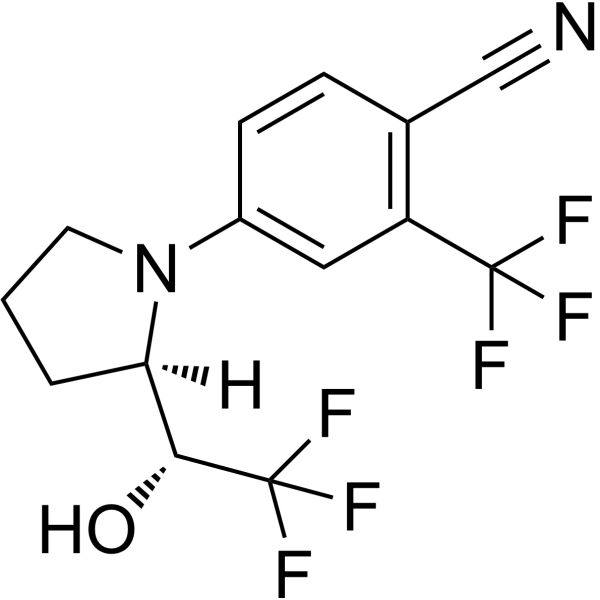
Progesterone in Men

Just like estrogen, progesterone is also present in men in smaller amounts. Progesterone in men is produced in the testes and adrenal glands. Unlike in women, men’s progesterone levels do not vary on a cycle, although there are various factors like diet, stress and lifestyle that can significantly affect the production of progesterone. This hormone has several important effects in men such as the following:

  • Increases body temperature [13-15]
  • Relaxes smooth muscles [16-18]
  • Guards against osteoporosis and other bone problems [19-21]
  • Maintains prostate health [22-23]
  • Preserves masculinity [24-25]

Progesterone Deficiency

Progesterone is a precursor to the hormones testosterone and estrogen. Falling progesterone levels can also cause these hormones to diminish, which can have detrimental effect on health. The levels of progesterone are relatively low prior to ovulation, and they usually spike when the ovaries release an egg. Elevated levels of progesterone remain for several days and either continues to remain elevated if pregnancy occurs, or drop during menstrual cycle.

Progesterone levels may fall because of several medical conditions such as the following:

  • Amenorrhea (abnormal absence of menstruation)
  • Decreased function of the ovaries
  • Ectopic pregnancy (pregnancy outside the lining of the uterus)
  • Miscarriage
  • Preeclampsia (characterized by high blood pressure and protein in the urine)
  • Toxemia (blood poisoning)

In women who are not pregnant, falling progesterone levels can lead to the following signs and symptoms:

  • Abnormal uterine bleeding
  • Headaches or migraines
  • Hot flashes
  • Irregular or absent menstruation
  • Low sex drive
  • Mood changes, including anxiety or depression

On the other hand, pregnant women with low progesterone levels may experience the following signs and symptoms:

  • Abdominal pain
  • Constant breast tenderness
  • Extreme fatigue
  • Low blood sugar levels (hypoglycaemia)
  • Vaginal spotting

In men, signs and symptoms of low progesterone include:

  • Bone loss
  • Depression
  • Erectile dysfunction
  • Fatigue
  • Gynecomastia (breast enlargement)
  • Hair loss (alopecia)
  • Loss of muscle mass and strength
  • Low libido
  • Weight gain

Progesterone levels can also spike at dangerous levels causing detrimental effects on health. This condition can lead to:

  • Bloating
  • Breast tenderness
  • Depression
  • Dizziness
  • Estrogen deficiency
  • Extreme fatigue
  • Lack of interest in sex
  • Mood swings
  • Muscle Weakness
  • Ovarian cysts
  • Sleepiness
  • Vaginal dryness

In order to diagnose progesterone imbalance, a qualified hormone replacement therapy doctor will order a blood test. The results can help determine the cause of infertility, help monitor pregnancy health, help diagnose abnormal uterine bleeding, and correct any medical condition related to low or high progesterone levels.

Proven Health Benefits of Progesterone Replacement Therapy (PRT)

Most highly trained and qualified doctors will prescribe PRT in order to treat signs and symptoms of progesterone deficiency. Progesterone medications called progestins are usually produced in the laboratory and are prescribed for those with progesterone deficiency. These synthetic steroid hormones have progesterone-like properties and are available as capsules, creams, vaginal gels, implants, injections, and intrauterine devices (IUD). The health benefits of PRT are backed by an overwhelming body of clinical research, making it an effective therapeutic option for various age-related medical maladies.

Fights Inflammation

Progesterone has potent anti-inflammatory properties that can help treat and prevent a wide array of inflammatory conditions. Numerous clinical trials suggest that progesterone fights inflammation through the following important mechanisms:

  1. It suppresses NF-κB and MAPK activation, which in turn inhibits the production of proinflammatory markers like COX-2, IL-6, iNOS, and TNF-α. [26-31]
  2. It enhances the synthesis of brain steroids. [32]
  3. It inhibits vascular permeability and the formation of granulation tissue in the early phase of the inflammation. [33]
  4. It reduces cellular inflammatory response. [34]

Promotes Weight Loss

Progesterone can also help prevent the detrimental effects of obesity on health by promoting weight loss and reducing total body fat percentage. There is mounting evidence that progesterone can help you achieve a healthier weight:

  1. In obese men, higher progesterone levels are associated with lower body mass index (BMI) and reduced waist circumference. [35]
  2. Progesterone promotes weight loss by reducing fluid retention. [36]
  3. Progesterone promotes weight loss by decreasing fat stores. [37]
  4. Loss of body weight is associated with higher levels of progesterone. [38]
  5. Progesterone lowers one’s risk of developing obesity by preventing estrogen dominance. [39-42]

Lowers Blood Pressure

Progesterone also has potent antihypertensive properties that can help bring down blood pressure to healthy levels. Numerous clinical trials support this beneficial effect of progesterone:

  1. In postmenopausal women with high blood pressure, progesterone supplementation lowers blood pressure by 6 to 7 mm Hg. [43-44]
  2. Progesterone exerts its antihypertensive effect by reducing mean arterial pressure. [45]
  3. In postmenopausal women, the use of progesterone supplements is associated with lower blood pressure. [46]
  4. Progesterone lowers blood pressure by promoting sodium loss and excretion of renin (a substance that increases blood pressure). [47]

Normalizes Blood Sugar Levels

In both men and women, low progesterone levels may lead to insulin resistance, a condition in which the body doesn’t normally respond to the effects of insulin. If left untreated, insulin resistance can cause fatal diseases including diabetes, cancer, stroke, heart failure, and other debilitating conditions. Evidence suggests that progesterone reduces insulin and regulates blood sugar levels, thereby improving overall health:

  1. In healthy women and women with premenstrual syndrome, increased progesterone levels are associated with lower blood sugar levels. [48]
  2. Progesterone has a major role in controlling blood sugar levels possibly by affecting the levels of nitric oxide, a compound that helps improve blood circulation. [49]
  3. Progesterone helps lower blood sugar levels by making more storage of glycogen, the principal storage form of glucose. [50]
  4. In women, progesterone improves blood sugar metabolism. [51]
  5. In animal models of diabetes, progesterone therapy normalizes blood sugar levels. [52]

Improves Libido

Progesterone modulates sexual desire or libido in women. The age-related gradual decline in ovarian function decreases the levels of progesterone, accompanied by decreased sexual desire in large portion of postmenopausal women. Studies show that progesterone therapy can help ramp up sexual power in women, thus restoring sexual vitality and improving sexual function:

  1. In menopausal women, PRT relieves vaginal dryness. [53-54]
  2. In postmenopausal women, PRT reduces the biological causes of loss of libido. [55]
  3. In postmenopausal women, PRT improves frequency of fantasy, masturbation, or female-initiated coitus. [56]
  4. In postmenopausal women, PRT increases self-reported sexual desire. [57]

Maintains Bone Health

Progesterone stimulates bone growth through several important mechanisms. Several lines of evidence suggest that progesterone supplementation can help maintain bone health:

  1. In human bone cells, the administration of progesterone promotes bone formation by activating bone forming cells (osteoblasts). [58-60]
  2. In postmenopausal women, progesterone supplementation decreases the risk of fractures. [61]
  3. In postmenopausal women who had surgical removal of the uterus (hysterectomy), progesterone supplementation prevents osteoporotic fractures. [62-63]
  4. In healthy women experiencing problems with fertility, progesterone supplementation increases bone mineral density (BMD). [64]
  5. Progesterone improves bone health by interacting with bone-related molecules such as sclerostin, vascular endothelial growth factor (VEGF), and basic fibroblast growth factor (bFGF). [65-66]
  6. In early postmenopausal women, progesterone supplementation prevents bone loss by decreasing bone breakdown. [67]
  7. When combined with medications for bone loss, progesterone exerts greater increases in BMD. [68-70]

Protects against Various Types of Cancers

Progesterone can boost one’s health with its anti-cancer properties. There is increasing evidence that this powerful hormone can help protect against one of the most deadly diseases in the world:

  1. In the uterus, progesterone stops the growth of abnormal tissues. [71]
  2. In obese and postmenopausal women, progesterone deficiency increases risk for endometrial cancer, suggesting that healthy levels of progesterone exerts anti-cancer properties. [72-76]
  3. In women with uterine enlargement and cysts, progesterone supplementation is beneficial in treating abnormal tissue growths. [77-93]
  4. In patients with advanced or recurrent endometrial cancer, progesterone treatment displays beneficial effects. [94-98]
  5. Progesterone treatment combats cancer by inhibiting cell growth and invasion. [99-101]
  6. Progesterone inhibits the growth of breast cancer cells by fighting inflammation. [102-103]
  7. In rats, progesterone inhibits the growth of tumors through multiple pathways. [104]

Improves Mood

Stressful situations as well as advancing age can lead to low mood in both men and women. Interestingly, there is strong scientific evidence that supports the mood-enhancing effects of progesterone:

  1. In women with symptoms of premenstrual syndrome (PMS), administration of the synthetic progesterone called progestin decreases anxiety. [105-107]
  2. In women with depression associated with childbirth, progesterone administration successfully improves depressive symptoms. [108-114]
  3. In healthy female volunteers, higher level of progesterone is associated with reduced fatigue, confusion and other markers of anxiety. [115]
  4. Progesterone helps improve mood by increasing the levels of brain chemicals (neurotransmitters) such as dopamine and serotonin. [116-127]
  5. Progesterone prevents depression-like behaviour in animal models of Parkinson’s disease by improving cognitive function. [128]
  6. In rat models, progesterone significantly reduces anxiety behaviour. [129-135]

Improves Sleep Quality

Aging, certain medical conditions, lifestyle, and other factors can significantly affect sleeping pattern and sleep quality. Aside from lifestyle modifications, doctors also prescribe PRT for patients with sleeping difficulties. There is mounting evidence that progesterone administration can help achieve a restful sleep:

  1. In men and women with sleeping problems like obstructive sleep apnea and obesity-hypoventilation, progesterone exerts a sleep induction or hypnotic effect. [136-137]
  2. In postmenopausal women with sleep disturbances, PRT restores normal sleep pattern. [138]
  3. In postmenopausal women, administration of medroxyprogesterone acetate and micronized progesterone are both effective in treating menopausal symptoms as well as improving sleep quality. [139]
  4. In healthy men, progesterone administration significantly increases the amount of non-rapid eye movement (REM) sleep, which is one of the deepest cycles of sleep. [140]
  5. In healthy postmenopausal women, progesterone reduces wakefulness. [141]
  6. In women with obstructive sleep apnea (OSA), low levels of progesterone were seen. [142]
  7. In animal models, progesterone modulates spontaneous sleep patterns and recovery from sleep deprivation. [143-144]

Relieves Menopausal Symptoms

Menopause marks the end of the menstruation period and it’s diagnosed after you don’t have any menses after a year. While menopause is a natural biological process, it can cause various physical symptoms such as hot flashes, vaginal dryness, chills, night sweats, sleep problems, weight gain, dry skin, thinning of hair and mood changes. Fortunately, there are many effective treatments available, from lifestyle modifications to PRT, and studies show that restoring progesterone to healthy levels can help improve the quality of life of menopausal women:

  1. Progesterone administration in menopausal women relieves hot flushes, mood swings, sleeping difficulties, night sweats, vaginal dryness and restlessness. [145]
  2. In menopausal women, progesterone administration effectively corrects progesterone deficiency as well as menopausal symptoms. [146]
  3. Progesterone administration in menopausal women relieves breast tenderness. [147-148]
  4. In postmenopausal women, administration of transdermal progesterone at a daily dose of 20 mg significantly relieves menopausal symptoms without any adverse side effects. [149]
  5. In healthy postmenopausal women, progesterone administration at varying doses improves menopausal symptoms as well as quality of life. [150]
  6. In postmenopausal women with severe menopausal symptoms, administration of progesterone cream at varying doses (60, 40, 20, or 5 mg) significantly relieves symptoms and improves physical and social functioning. [151]
  7. In healthy postmenopausal women, administration of progesterone cream (20 mg) daily significantly treats vasomotor symptoms (night sweats and hot flashes). [152]
  8. In perimenopausal women, progesterone demonstrates great promise in the treatment of climacteric symptoms (hot flashes, sweating, and vaginal dryness). [153]
  9. In early postmenopausal women, progesterone improves menopausal symptoms such as vasomotor and sexual dysfunction symptoms without any adverse side effects. [154]
  10. In postmenopausal women, low-dose monthly intramuscular injections of progesterone are effective at reducing menopausal symptoms at short-term with a low rate of adverse events. [155]
  11. In postmenopausal women, administration of progesterone decreases breathing irregularities, arousal from sleep, anxiety, and memory impairment. [156]
  12. Low progesterone results in uncontrolled menstrual bleeding, whereas progesterone administration reduces bleeding. [157]

Maintains Fertility

Progesterone is known as the “hormone of pregnancy” because it plays several important bodily functions during this stage such as maintenance of the lining of the uterus, survival of the embryo, prevention of immune rejection of the developing baby, development of the fetus, and proper utilization of fat and energy. Because of these vital functions, several studies assessing the beneficial effects of progesterone supplementation on fertility issues have been performed and results indicate that progesterone is safe and effective:

  1. Women with low progesterone levels are at greater risk for unexplained miscarriages whereas women who received progesterone treatment had reduced rate of miscarriages. [158-162]
  2. Progesterone helps maintain early pregnancy by decreasing inflammation. [163-167]
  3. Intramuscular or vaginal progesterone administration improves pregnancy outcome by supporting the luteal phase (thickening of the uterus in preparation for pregnancy) following in-vitro fertilization and is widely employed in intrauterine insemination cycles as well. [168-173]
  4. Progesterone supplementation during the luteal phase and in early pregnancy can successfully treat infertility. [174]
  5. In women with fertility issues, artificial use of progesterone helps achieve normal development of the uterus. [175-176]
  6. Progesterone supplementation is associated with higher delivery rates. [177-178]

Improves Muscle Mass

Progesterone is not only a hormone that maintains the reproductive system. Scientific research found that this versatile hormone can also help build muscle mass, prevent muscle wasting related to chronic diseases, and improve body composition especially in the elderly:

  1. In postmenopausal women, progesterone improves muscle mass by increasing muscle protein synthesis rate by as much as 50%. [179-180]
  2. Progesterone increases the activity of MYOD1 gene, which helps increase muscle mass. [181-182]
  3. In postmenopausal women, administration of the synthetic progesterone progestin increases muscle mass and strength. [183]
  4. In nonmenopausal women, progesterone increases skeletal muscle mass. [184]
  5. In rats, progesterone supplementation prevents muscle inflammation after strenuous exercise, thus preventing muscle damage that can lead to muscle wasting. [185]
  6. Progesterone helps maintain the neuromuscular system by modulating the growth and development of bone, cartilage, ligament, and muscle fibers. [186-187]
  7. In rats, progesterone regulates the growth of fat-free tissues and skeletal muscle mass. [188]

Reverses Hair Loss

Hair loss or “alopecia” is characterized by hair thinning or loss of hair from the head or body. While hair loss is a natural body process, certain factors such as stress, medication, genes, and hormonal imbalance can result in baldness. Today, many effective alternative treatments such as hormone therapy are being prescribed for hair loss. Latest research shows that progesterone therapy can help regrow hair and prevent age-related baldness:

  1. At high doses, progesterone inhibits the enzyme 5-alpha reductase, and prevents the body from converting testosterone to dihydrotestosterone (DHT).  [189-191] Increased levels of 5-alpha reductase and DHT can damage hair follicles and accelerate hair loss. [192-193]
  2. Hair loss after giving birth is common in women with low progesterone levels, thus, restoring progesterone to healthy levels can be beneficial. [194]

Maintains Healthy, Younger Skin

Progesterone levels start to decline during mid to late 30’s, which leaves the skin looking dull and old. Interestingly, stronger scientific evidence suggests that this revitalizing hormone is beneficial for skin elasticity and circulation, making it an effective anti-aging treatment:

  1. In postmenopausal women, application of progesterone cream improves skin elasticity and reduces more wrinkles. [195]
  2. In women, progesterone administration helps maintain healthy, younger skin by improving blood circulation. [196]
  3. In menopausal women, administration of progesterone vaginal suppository significantly improves skin moisture, elasticity and skin thickness. [197]

Protects and Repairs Nerve Cells

Progesterone is classified as a “neurosteroid” because of its many critical functions in the nervous system. Among them, protecting the brain from injury and promoting repair of nerve cells (neurons) makes progesterone an important hormone in the maintenance of nerve health. In fact, numerous research studies attest to the neuroprotective effects of progesterone:

  1. Progesterone improves the integrity and function of nerve tissues in the brain. [198]
  2. Progesterone stimulates the growth of nerve cells, accelerates the maturation of the regenerating axon (long threadlike part of a nerve cell), and enhances the creation of protective outer covering of nerve fibers known as “myelin sheath”. [199-202]
  3. In patients with traumatic brain injury (TBI), progesterone enhances the repair of injured brain nerve cells by preventing inflammation, reducing oxidative stress, inhibiting programmed cell death (apoptosis), and preventing excessive stimulation of nerves. [203-231]
  4. In animal models, progesterone promotes faster regeneration of injured nerve fibers. [232]
  5. In aged rats, progesterone reduces myelin fiber abnormalities and myelin fiber loss in the sciatic nerve. [233]
  6. In rats, progesterone increases the extent of myelin sheath formation in the injured nerves. [234-241]
  7. Progesterone helps maintain nerve health by increasing the levels of nerve growth factor (NGF). [242]
  8. In dogs, progesterone accelerates the regeneration of injured sciatic nerve. [243]
  9. In rat models of sciatic nerve constriction, progesterone prevents allodynia (pain from stimuli which are not normally painful). [244]

Detoxifies the Body

Progesterone is known as a “natural diuretic”, which means that it helps the body get rid of toxins by increasing urination. Stronger scientific evidence supports the detoxifying effect of progesterone:

  1. In healthy women, administration of progesterone increases glomerular filtration rate (filtering ability of the kidneys), uric acid clearance, and excretion of other body toxins. [245]
  2. Progesterone increases the excretion of excessive calcium and phosphorus, thereby preventing kidney stones. [246]
  3. Progesterone promotes urination while improving body water distribution. [247]

Relieves Headaches and Migraines

For many women who are experiencing headaches, migraines may become more frequent and severe as they approach their menopausal years. This is because hormone levels fluctuate unevenly. While headaches and migraines during this time period can be debilitating, studies show that progesterone administration can be beneficial:

  1. In majority of women, progesterone administration has a positive effect on the course of both migraines with aura (MA) and without aura (MO). [248]
  2. Progesterone-only contraceptives are considered safe and effective in alleviating migraines in women. [249]
  3. Progesterone therapy can be safely prescribed for women suffering from various types of headaches without any contraindications. [250]

Boosts Immune Function

Progesterone has been shown to have direct effects on immune cells, thereby boosting the immune function. Evidence suggests that progesterone can be beneficial in maintaining the immune health through various important mechanisms:

  1. Progesterone inhibits the production of proinflammatory markers like COX-2, IL-6, iNOS, and TNF-α. [251-256]
  2. Progesterone regulates the activity of natural killer (NK) cells of the immune system.
  3. Progesterone modulates the activity of the T cells of the immune system. [258]
  4. At pregnancy levels, progesterone may suppress disease activity in rheumatoid arthritis and multiple sclerosis. [259]
  5. In healthy pregnant women, progesterone boosts immune function by raising the levels of antibodies. [260-261]

The Women’s Health Initiative (WHI) Study Decoded

In 2002, the results of the large Women’s Health Initiative (WHI) study have been controversial. As one of the largest clinical trials assessing the safety and efficacy of progesterone on women, the authors of the WHI study concluded that progestin plus estrogen administration can increase one’s risk of developing breast cancer, heart disease, stroke, blood clots, and overall harm, which led to early stoppage of the clinical trial. [262] However, a large body of clinical trials and other authors do not agree with the results of the WHI study because of the following reasons:

  1. The hazard ratio (HR) of the WHI study did not reach statistical significance. Other health experts suggest that the potential health hazards found in the in the estrogen-plus-progestin trial did not reach statistical significance and was based on unadjusted risk hazards. [263-264] In addition, some findings differed for women by age group and years since menopause.
  2. The WHI study does not even qualify as a randomized placebo-controlled study.

The reasons for this are the following: [265-269]

  1. After randomization, the women were free to decide whether to continue their assigned treatment or whether to undergo diagnostic procedures.
  2. Almost 50% of the women were aware of their treatment.
  3. The participants received several warnings regarding increased risks of heart disease, stroke and blood clots during the study.
  4. The authors of the WHI study did not mention the other significant benefits of estrogen-plus-progestin treatment among the participants. The authors did not mention that the treatment “significantly” decreased the risk of colon cancer and hip fractures (about a 33% reduction) among the participants. [270]
  5. There are some health factors that might have altered the outcome of the WHI study. The participants in the WHI study has an average BMI of 28 (overweight), one-third were hypertensive and one-half were smokers, suggesting that these factors might have significantly altered the outcome of the clinical trial. [271]
  6. The women in the WHI study were 12-15 years past the onset of menopause. This means that the participants were without their premenopausal progesterone levels long enough to bring about various changes in bodily functions.
  7. The WHI study actually found beneficial effects of estrogen-plus-progestin on various health hazards. The authors of the WHI study found the following beneficial effects of estrogen-plus-progestin administration: [272]
  • Diabetes risk decreased by 14-19%.
  • In women ages 50-54 years, hot flashes and night sweats were decreased by 64%.
  • Joint pain decreased during treatment.

References:

  1. Young SL. Oestrogen and progesterone action on endometrium: a translational approach to understanding endometrial receptivity. Reproductive biomedicine online. 2013;27(5):10.1016/j.rbmo.2013.06.010. doi:10.1016/j.rbmo.2013.06.010.
  2. Kumar P, Magon N. Hormones in pregnancy. Nigerian Medical Journal : Journal of the Nigeria Medical Association. 2012;53(4):179-183. doi:10.4103/0300-1652.107549.
  3. Palomba S, Santagni S, La Sala GB. Progesterone administration for luteal phase deficiency in human reproduction: an old or new issue? Journal of Ovarian Research. 2015;8:77. doi:10.1186/s13048-015-0205-8.
  4. Mesen TB, Young SL. Progesterone and the Luteal Phase: A Requisite to Reproduction. Obstetrics and gynecology clinics of North America. 2015;42(1):135-151. doi:10.1016/j.ogc.2014.10.003.
  5. Lu M, Xiao H, Li K, Jiang J, Wu K, Li D. Concentrations of estrogen and progesterone in breast milk and their relationship with the mother’s diet. Food & function. 2017; 8(9):3306-3310.
  6. Di Renzo GC, Giardina I, Clerici G, Brillo E, Gerli S. Progesterone in normal and pathological pregnancy. Hormone molecular biology and clinical investigation. 2016; 27(1):35-48.
  7. Dante G, Vaccaro V, Facchinetti F. Use of progestagens during early pregnancy. Facts, Views & Vision in ObGyn. 2013;5(1):66-71.
  8. Robinson DP, Klein SL. Pregnancy and pregnancy-associated hormones alter immune responses and disease pathogenesis. Hormones and behavior. 2012;62(3):263-271. doi:10.1016/j.yhbeh.2012.02.023.
  9. Bowen R (2000-08-06). “Placental Hormones”. Retrieved 2018-03-15.
  10. Huang B, Ren X, Wu L, et al. Elevated Progesterone Levels on the Day of Oocyte Maturation May Affect Top Quality Embryo IVF Cycles. Sun Q-Y, ed. PLoS ONE. 2016;11(1):e0145895. doi:10.1371/journal.pone.0145895.
  11. Liu HK, Bacon WL. Changes in egg production rate induced by progesterone injection in broiler breeder hens. Poultry science. 2005; 84(2):321-7.
  12. Zalányi S. Progesterone and ovulation. European journal of obstetrics, gynecology, and reproductive biology. 2001; 98(2):152-9.
  13. Forman RG, Chapman MC, Steptoe PC. The effect of endogenous progesterone on basal body temperature in stimulated ovarian cycles. Human reproduction (Oxford, England). 1987; 2(8):631-4.
  14. de Mouzon J, Testart J, Lefevre B, Pouly JL, Frydman R. Time relationships between basal body temperature and ovulation or plasma progestins. Fertility and sterility. 1984; 41(2):254-9.
  15. Stachenfeld NS, Silva C, Keefe DL. Estrogen modifies the temperature effects of progesterone. Journal of applied physiology (Bethesda, Md. : 1985). 2000; 88(5):1643-9.
  16. Cabral R, Gutiérrez M, Fernández AI, Cantabrana B, Hidalgo A. Progesterone and pregnanolone derivatives relaxing effect on smooth muscle. General pharmacology. 1994; 25(1):173-8.
  17. Xiao ZL, Biancani P, Behar J. Effects of progesterone on motility and prostaglandin levels in the distal guinea pig colon. American journal of physiology. Gastrointestinal and liver physiology. 2009; 297(5):G886-93.
  18. Soloff MS, Jeng Y-J, Izban MG, et al. Effects of Progesterone Treatment on Expression of Genes Involved in Uterine Quiescence. Reproductive Sciences. 2011;18(8):781-797. doi:10.1177/1933719111398150.
  19. Seifert-Klauss V, Prior JC. Progesterone and Bone: Actions Promoting Bone Health in Women. Journal of Osteoporosis. 2010;2010:845180. doi:10.4061/2010/845180.
  20. Prior JC. Progesterone as a bone-trophic hormone. Endocrine reviews. 1990; 11(2):386-98.
  21. Rickard DJ, Iwaniec UT, Evans G, et al. Bone Growth and Turnover in Progesterone Receptor Knockout Mice. Endocrinology. 2008;149(5):2383-2390. doi:10.1210/en.2007-1247.
  22. Chen R, Yu Y, Dong X. Progesterone receptor in the prostate: A potential suppressor for benign prostatic hyperplasia and prostate cancer. The Journal of steroid biochemistry and molecular biology. 2017; 166:91-96.
  23. Fochi RA, Santos FCA, Goes RM, Taboga SR. Progesterone as a morphological regulatory factor of the male and female gerbil prostate. International Journal of Experimental Pathology. 2013;94(6):373-386. doi:10.1111/iep.12050.
  24. Sofuoglu M, Mitchell E, Mooney M. Progesterone effects on subjective and physiological responses to intravenous nicotine in male and female smokers. Human psychopharmacology. 2009;24(7):559-564. doi:10.1002/hup.1055.
  25. Andersen ML, Tufik S. Does male sexual behavior require progesterone? Brain research reviews. 2006; 51(1):136-43.
  26. Lei B, Mace B, Dawson HN, Warner DS, Laskowitz DT, James ML. Anti-Inflammatory Effects of Progesterone in Lipopolysaccharide-Stimulated BV-2 Microglia. Peterson KE, ed. PLoS ONE. 2014;9(7):e103969. doi:10.1371/journal.pone.0103969.
  27. Preciado-Martínez E, García-Ruíz G, Flores-Espinosa P. Progesterone suppresses the lipopolysaccharide-induced pro-inflammatory response in primary mononuclear cells isolated from human placental blood. Immunological investigations. 2018; 47(2):181-195.
  28. Yuan Y, Shimizu I, Shen M, et al. Effects of estradiol and progesterone on the proinflammatory cytokine production by mononuclear cells from patients with chronic hepatitis C. World Journal of Gastroenterology : WJG. 2008;14(14):2200-2207. doi:10.3748/wjg.14.2200.
  29. Giannoni E, Guignard L, Knaup Reymond M, et al. Estradiol and Progesterone Strongly Inhibit the Innate Immune Response of Mononuclear Cells in Newborns. Infection and Immunity. 2011;79(7):2690-2698. doi:10.1128/IAI.00076-11.
  30. Retrieved from http://www.endocrine-abstracts.org/ea/0007/ea0007oc4.htm.
  31. Aksoy AN, Toker A, Celık M, Aksoy M, Halıcı Z, Aksoy H. The effect of progesterone on systemic inflammation and oxidative stress in the rat model of sepsis . Indian Journal of Pharmacology. 2014;46(6):622-626. doi:10.4103/0253-7613.144922.
  32. De Nicola AF, Garay LI, Meyer M. Neurosteroidogenesis and progesterone anti-inflammatory/neuroprotective effects. Journal of neuroendocrinology. 2018; 30(2).
  33. Nakagawa H, Min KR, Nanjo K, Tsurufuji S. Anti-inflammatory action of progesterone on carrageenin-induced inflammation in rats. Japanese journal of pharmacology. 1979; 29(4):509-14.
  34. Grossman KJ, Goss CW, Stein DG. Effects of progesterone on the inflammatory response to brain injury in the rat. Brain research. 2004; 1008(1):29-39.
  35. Blanchette S, Marceau P, Biron S, Brochu G, Tchernof A. Circulating progesterone and obesity in men. Hormone and metabolic research = Hormon- und Stoffwechselforschung = Hormones et metabolisme. 2006; 38(5):330-5.
  36. Stachenfeld NS. Hormonal Changes During Menopause and the Impact on Fluid Regulation. Reproductive Sciences. 2014;21(5):555-561. doi:10.1177/1933719113518992.
  37. Bhatia AJ, Wade GN. Progesterone can either increase or decrease weight gain and adiposity in ovariectomized Syrian hamsters. Physiology & behavior. 1989; 46(2):273-8.
  38. Rodrigues RO, Trevisanuto C, Cooke RF, Vasconcelos JL. Effects of body weight loss on serum progesterone concentrations of non-lactating dairy cows. Theriogenology. 2011; 75(1):131-7.
  39. Zumoff B. Relationship of obesity to blood estrogens. Cancer research. 1982; 42(8 Suppl):3289s-3294s.
  40. Cleary MP, Grossmann ME. Obesity and Breast Cancer: The Estrogen Connection. Endocrinology. 2009;150(6):2537-2542. doi:10.1210/en.2009-0070.
  41. Freeman EW, Sammel MD, Lin H, Gracia CR. Obesity and Reproductive Hormone Levels in the Transition to Menopause. Menopause (New York, NY). 2010;17(4):718-726. doi:10.1097/gme.0b013e3181cec85d.
  42. Lizcano F, Guzmán G. Estrogen Deficiency and the Origin of Obesity during Menopause. BioMed Research International. 2014;2014:757461. doi:10.1155/2014/757461.
  43. Regensteiner JG, Hiatt WR, Byyny RL, Pickett CK, Woodard WD, Moore LG. Short-term effects of estrogen and progestin on blood pressure of normotensive postmenopausal women. Journal of clinical pharmacology. 1991; 31(6):543-8.
  44. Boschitsch E, Mayerhofer S, Magometschnigg D. Hypertension in women: the role of progesterone and aldosterone. Climacteric : the journal of the International Menopause Society. 2010; 13(4):307-13.
  45. Pecins-Thompson M, Keller-Wood M. Effects of progesterone on blood pressure, plasma volume, and responses to hypotension. The American journal of physiology. 1997; 272(1 Pt 2):R377-85.
  46. Seely EW, Walsh BW, Gerhard MD, Williams GH. Estradiol with or without progesterone and ambulatory blood pressure in postmenopausal women. Hypertension (Dallas, Tex.: 1979). 1999; 33(5):1190-4.
  47. Oelkers WK. Effects of estrogens and progestogens on the renin-aldosterone system and blood pressure. Steroids. 1996; 61(4):166-71.
  48. Bhattacharya S, Bank S, Maiti S, Sinha AK. The Control of Hyperglycemia by Estriol and Progesterone in Alloxan induced Type I Diabetes Mellitus Mice Model through Hepatic Insulin Synthesis. International Journal of Biomedical Science : IJBS. 2014;10(1):8-15.
  49. Zarei S, Mosalanejad L, Ghobadifar MA. Blood glucose levels, insulin concentrations, and insulin resistance in healthy women and women with premenstrual syndrome: a comparative study. Clinical and Experimental Reproductive Medicine. 2013;40(2):76-82. doi:10.5653/cerm.2013.40.2.76.
  50. Kalkhoff RK. Metabolic effects of progesterone. American journal of obstetrics and gynecology. 1982; 142(6 Pt 2):735-8.
  51. Beck P. Effect of progestins on glucose and lipid metabolism. Annals of the New York Academy of Sciences. 1977; 286:434-45.
  52. Garris DR. Effects of estradiol and progesterone on diabetes-associated utero-ovarian atrophy in C57BL/KsJ (db/db) mutant mice. The Anatomical record. 1989; 225(4):310-7.
  53. Fugh-Berman A, Bythrow J. Bioidentical Hormones for Menopausal Hormone Therapy: Variation on a Theme. Journal of General Internal Medicine. 2007;22(7):1030-1034. doi:10.1007/s11606-007-0141-4.
  54. Chandeying V, Sangthawan M. Efficacy comparison of Pueraria mirifica (PM) against conjugated equine estrogen (CEE) with/without medroxyprogesterone acetate (MPA) in the treatment of climacteric symptoms in perimenopausal women: phase III study. Journal of the Medical Association of Thailand = Chotmaihet thangphaet. 2007; 90(9):1720-6.
  55. Graziottin A. Libido: the biologic scenario. Maturitas. 2000; 34 Suppl 1:S9-16.
  56. Schreiner-Engel P, Schiavi RC, White D, Ghizzani A. Low sexual desire in women: the role of reproductive hormones. Hormones and behavior. 1989; 23(2):221-34.
  57. Cappelletti M, Wallen K. Increasing women’s sexual desire: The comparative effectiveness of estrogens and androgens. Hormones and behavior. 2016;78:178-193. doi:10.1016/j.yhbeh.2015.11.003.
  58. Tremollieres FA, Strong DD, Baylink DJ, Mohan S. Progesterone and promegestone stimulate human bone cell proliferation and insulin-like growth factor-2 production. Acta endocrinologica. 1992; 126(4):329-37.
  59. Scheven BAA, Damen CA, Hamilton NJ, Verhaar HJJ, Duursma SA. Stimulatory effects of estrogen and progesterone on proliferation and differentiation of normal human osteoblast-like cells in vitro. Biochemical and Biophysical Research Communications. 1992;186(1):54–60.
  60. Prior JC. Progesterone as a bone-trophic hormone. Endocrine Reviews. 1990;11(2):386–398.
  61. Seifert-Klauss V, Prior JC. Progesterone and Bone: Actions Promoting Bone Health in Women. Journal of Osteoporosis. 2010;2010:845180. doi:10.4061/2010/845180.
  62. Cauley JA, Robbins J, Chen Z, et al. Effects of estrogen plus progestin on risk of fracture and bone mineral density: the Women’s Health Initiative randomized trial. Journal of the American Medical Association. 2003;290(13):1729–1738.
  63. Anderson GL, Limacher M, Assaf AR, et al. Effects of conjugated equine estrogen in postmenopausal women with hysterectomy: the women’s health initiative randomized controlled trial. Journal of the American Medical Association. 2004;291(14):1701–1712.
  64. Prior JC, Vigna YM, Barr SI, Rexworthy C, Lentle BC. Cyclic medroxyprogesterone treatment increases bone density: a controlled trial in active women with menstrual cycle disturbances. American Journal of Medicine. 1994;96(6):521–530.
  65. Lorenzo J, Horowitz M, Choi Y. Osteoimmunology: interactions of the bone and immune system. Endocrine Reviews. 2008;29(4):403–440.
  66. Gibson CL, Coomber B, Rathbone J. Is progesterone a candidate neuroprotective factor for treatment following ischemic stroke? Neuroscientist. 2009;15(4):324–332.
  67. Tremollieres F, Pouilles JM, Ribot C. Effect of long-term administration of progestogen on post-menopausal bone loss: result of a two-year, controlled randomized study. Clinical Endocrinology. 1993;38(6):627–631.
  68. Grey AB, Cundy TF, Reid IR. Continuous combined oestrogen/progestin therapy is well tolerated and increases bone density at the hip and spine in post-menopausal osteoporosis. Clinical Endocrinology. 1994;40(5):671–677.
  69. Grey A, Cundy T, Evans M, Reid I. Medroxyprogesterone acetate enhances the spinal bone mineral density response to oestrogen in late post-menopausal women. Clinical Endocrinology. 1996;44(3):293–296.
  70. Prior JC, Hitchcock CL. Medroxy-progesterone augments positive bone mineral density effects of cyclic etidronate in menopausal women: pilot data from a random sample of clinical charts of menopausal women with osteoporosis. Journal of Bone and Mineral Research. 2002;17:p. S474.
  71. Kim JJ, Chapman-Davis E. Role of progesterone in endometrial cancer. Seminars in reproductive medicine. 2010; 28(1):81-90.
  72. Carlson MJ, Thiel K w., Yang S, Leslie KK. Catch It Before It Kills: Progesterone, Obesity, and the Prevention of Endometrial Cancer. Discovery medicine. 2012;14(76):215-222.
  73. Creasman WT. Endometrial cancer: incidence, prognostic factors, diagnosis, and treatment. Semin Oncol. 1997;24(1, Suppl 1):140–150.
  74. MUnstedt K, Grant P, Woenckhaus J, Roth G, Tinneberg HR. Cancer of the endometrium: current aspects of diagnostics and treatment. World J Surg Oncol. 2004;2:24.
  75. Sherman ME. Theories of endometrial carcinogenesis: a multidisciplinary approach. Mod Pathol. 2000;13(3):295–308.
  76. Gallup DG, Stock RJ. Adenocarcinoma of the endometriumin women 40 years of age or younger. Obstet Gynecol. 1984;64(3):417–420.
  77. Affinito P, Di Carlo C, Di Mauro P, Napolitano V, Nappi C. Endometrial hyperplasia: efficacy of a new treatment with a vaginal cream containing natural micronized progesterone. Maturitas. 1994;20(2–3):191–198.
  78. Clark TJ, Neelakantan D, Gupta JK. The management of endometrial hyperplasia: an evaluation of current practice. Eur J Obstet Gynecol Reprod Biol. 2006;125(2):259–264.
  79. Ferenczy A, Gelfand M. The biologic significance of cytologic atypia in progestogen-treated endometrial hyperplasia. Am J Obstet Gynecol. 1989;160(1):126–131.
  80. Reifenstein EC., Jr The treatment of advanced endometrial cancer with hydroxyprogesterone caproate. Gynecol Oncol. 1974;2(2–3):377–414.
  81. Saegusa M, Okayasu I. Progesterone therapy for endometrial carcinoma reduces cell proliferation but does not alter apoptosis. Cancer. 1998;83(1):111–121.
  82. Gal D, Edman CD, Vellios F, Forney JP. Long-term effect of megestrol acetate in the treatment of endometrial hyperplasia. Am J Obstet Gynecol. 1983;146(3):316–322.
  83. Varma R, Soneja H, Bhatia K, et al. The effectiveness of a levonorgestrel-releasing intrauterine system (LNG-IUS) in the treatment of endometrial hyperplasia—a long-term follow-up study. Eur J Obstet Gynecol Reprod Biol. 2008;139(2):169–175.
  84. Randall TC, Kurman RJ. Progestin treatment of atypical hyperplasia and well-differentiated carcinoma of the endometrium in women under age 40. Obstet Gynecol. 1997;90(3):434–440.
  85. Wheeler DT, Bristow RE, Kurman RJ. Histologic alterations in endometrial hyperplasia and well-differentiated carcinoma treated with progestins. Am J Surg Pathol. 2007;31(7):988–998.
  86. Ushijima K, Yahata H, Yoshikawa H, et al. Multicenter phase II study of fertility-sparing treatment with medroxyprogesterone acetate for endometrial carcinoma and atypical hyperplasia in young women. J Clin Oncol. 2007;25(19):2798–2803.
  87. Ramirez PT, Frumovitz M, Bodurka DC, Sun CC, Levenback C. Hormonal therapy for the management of grade 1 endometrial adenocarcinoma: a literature review. Gynecol Oncol. 2004;95(1):133–138.
  88. Chiva L, Lapuente F, González-Cortijo L, et al. Sparing fertility in young patients with endometrial cancer. Gynecol Oncol. 2008;111(2, Suppl):S101–S104.
  89. Kim YB, Holschneider CH, Ghosh K, Nieberg RK, Montz FJ. Progestin alone as primary treatment of endometrial carcinoma in premenopausal women. Report of seven cases and review of the literature. Cancer. 1997;79(2):320–327.
  90. Montz FJ, Bristow RE, Bovicelli A, Tomacruz R, Kurman RJ. Intrauterine progesterone treatment of early endometrial cancer. Am J Obstet Gynecol. 2002;186(4):651–657.
  91. Dhar KK, NeedhiRajan T, Koslowski M, Woolas RP. Is levonorgestrel intrauterine system effective for treatment of early endometrial cancer? Report of four cases and review of the literature Gynecol Oncol. 2005;97(3):924–927.
  92. Jones K, Georgiou M, Hyatt D, Spencer T, Thomas H. Endometrial adenocarcinoma following the insertion of a Mirena IUCD. Gynecol Oncol. 2002;87(2):216–218.
  93. Kresowik J, Ryan GL, Van Voorhis BJ. Progression of atypical endometrial hyperplasia to adenocarcinoma despite intrauterine progesterone treatment with the levonorgestrel-releasing intrauterine system. Obstet Gynecol. 2008;111(2 Pt 2):547–549.
  94. Decruze SB, Green JA. Hormone therapy in advanced and recurrent endometrial cancer: a systematic review. Int J Gynecol Cancer. 2007;17(5):964–978.
  95. Thigpen JT, Brady MF, Alvarez RD, et al. Oral medroxyprogesterone acetate in the treatment of advanced or recurrent endometrial carcinoma: a dose-response study by the Gynecologic Oncology Group. J Clin Oncol. 1999;17(6):1736–1744.
  96. Markman M. Hormonal therapy of endometrial cancer. Eur J Cancer. 2005;41(5):673–675.
  97. Quinn MA, Cauchi M, Fortune D. Endometrial carcinoma: steroid receptors and response to medroxyprogesterone acetate. Gynecol Oncol. 1985;21(3):314–319.
  98. Reifenstein EC. The treatment of advanced endometrial cancer with hydroxyprogesterone caproate. Gynecologic oncology. 1974; 2(2-3):377-414.
  99. Dai D, Wolf DM, Litman ES, White MJ, Leslie KK. Progesterone inhibits human endometrial cancer cell growth and invasiveness: down-regulation of cellular adhesion molecules through progesterone B receptors. Cancer Res. 2002;62(3):881–886.
  100. Ueda M, Fujii H, Yoshizawa K, Abe F, Ueki M. Effects of sex steroids and growth factors on migration and invasion of endometrial adenocarcinoma SNG-M cells in vitro. Jpn J Cancer Res. 1996;87(5):524–533.
  101. Smid-Koopman E, Blok LJ, Kühne LC, et al. Distinct functional differences of human progesterone receptors A and B on gene expression and growth regulation in two endometrial carcinoma cell lines. J Soc Gynecol Investig. 2003;10(1):49–57.
  102. Hardy DB, Janowski BA, Chen CC, Mendelson CR (2008) Progesterone receptor inhibits aromatase and inflammatory response pathways in breast cancer cells via ligand-dependent and ligand-independent mechanisms. Mol Endocrinol 22: 1812–1824.
  103. Kavandi L, Collier MA, Nguyen H, Syed V. Progesterone and calcitriol attenuate inflammatory cytokines CXCL1 and CXCL2 in ovarian and endometrial cancer cells. J. Cell. Biochem. 2012;113:3143–3152.
  104. Jerry DJ. Roles for estrogen and progesterone in breast cancer prevention. Breast cancer research : BCR. 2007; 9(2):102.
  105. Glick ID, Bennett SE. Psychiatric complications of progesterone and oral contraceptives. Journal of clinical psychopharmacology. 1981; 1(6):350-67.
  106. Wyatt K., Dimmock P., Jones P., Obhrai M., O’Brien S. Efficacy of progesterone and progestogens in management of premenstrual syndrome: systematic review. BMJ. 2001;323:1–8.
  107. Freeman EW., Rickels K., Sondheimer SJ., Polansky M. A double-blind trial of oral progesterone, alprazolam, and placebo in treatment of severe premenstrual syndrome. JAMA. 1995;274:51–57.
  108. Dalton K. Progesterone prophylaxis used successfully in postnatal depression. Practitioner. 1985;229:507–508.
  109. Dalton K. Progesterone prophylaxis used successfully in postnatal depression. Practitioner. 1985;229:507–508.
  110. Dalton K. Depression After Childbirth. Oxford, UK: Oxford University Press; 1980.
  111. Lawrie TA., Hofmeyr GJ., DeJager M., Berk M., Paiker J., Viljoen E. A double-blind randomised placebo controlled trial of postnatal norethisterone enanthate: the effect on postnatal depression and serum hormones. Br J Obstet Gynaecol. 1998;105:1082–1090.
  112. Schmidt HJ. The use of progesterone in the treatment of postpartum psychosis. JAMA. 1943:190–192.
  113. Bower WH., Altschule MD. Use of progesterone in the treatment of postpartum psychosis. N Engl J Med. 1956;254:157–160.
  114. Klier CM, Muzik M, Dervic K. The role of estrogen and progesterone in depression after birth. Journal of psychiatric research. ; 41(3-4):273-9.
  115. Freeman EW, Purdy RH, Coutifaris C, Rickels K, Paul SM. Anxiolytic metabolites of progesterone: correlation with mood and performance measures following oral progesterone administration to healthy female volunteers. Neuroendocrinology. 1993; 58(4):478-84.
  116. Dluzen D. E., Ramirez V. D. (1984). Bimodal effect of progesterone on in vitro dopamine function of the rat corpus striatum. Neuroendocrinology 39, 149–155. 10.1159/000123971.
  117. Cabrera R., Diaz A., Pinter A., Belmar J. (1993). In vitro progesterone effects on 3H-dopamine release from rat corpus striatum slices obtained under different endocrine conditions. Life Sci. 53, 1767–1777. 10.1016/0024-3205(93)90164-X.
  118. Becker J. B. (1990). Estrogen rapidly potentiates amphetamine-induced striatal dopamine release and rotational behavior during microdialysis. Neurosci. Lett. 118, 169–171. 10.1016/0304-3940(90)90618-J.
  119. Martinowich K., Lu B. (2008). Interaction between BDNF and serotonin: role in mood disorders. Neuropsychopharmacology 33, 73–83. 10.1038/sj.npp.1301571.
  120. Biegon A. (1990). Effects of steroid hormones on the serotonergic system. Ann. N.Y. Acad. Scie. 600, 427–432. discussion: 432–434. 10.1111/j.1749-6632.1990.tb16899.x.
  121. Murphy D. L., Andrews A. M., Wichems C. H., Li Q., Tohda M., Greenberg B. (1998b). Brain serotonin neurotransmission: an overview and update with an emphasis on serotonin subsystem heterogeneity, multiple receptors, interactions with other neurotransmitter systems, and consequent implications for understanding the actions of serotonergic drugs. J. Clin. Psychiatry 59(Suppl. 15), 4–12.
  122. Bethea C. L., Lu N. Z., Gundlah C., Streicher J. M. (2002). Diverse actions of ovarian steroids in the serotonin neural system. Front. Neuroendocrinol. 23, 41–100. 10.1006/frne.2001.0225.
  123. Smith L. J., Henderson J. A., Abell C. W., Bethea C. L. (2004). Effects of ovarian steroids and raloxifene on proteins that synthesize, transport, and degrade serotonin in the raphe region of macaques. Neuropsychopharmacology 29, 2035–2045. 10.1038/sj.npp.1300510.
  124. Sanchez M. G., Morissette M., Di Paolo T. (2013). Oestradiol modulation of serotonin reuptake transporter and serotonin metabolism in the brain of monkeys. J. Neuroendocrinol. 25, 560–569. 10.1111/jne.12034.
  125. Biegon A., Reches A., Snyder L., McEwen B. S. (1983). Serotonergic and noradrenergic receptors in the rat brain: modulation by chronic exposure to ovarian hormones. Life Sci. 32, 2015–2021. 10.1016/0024-3205(83)90053-X.
  126. Henderson J. A., Bethea C. L. (2008). Differential effects of ovarian steroids and raloxifene on serotonin 1A and 2C receptor protein expression in macaques. Endocrine 33, 285–293. 10.1007/s12020-008-9087-5.
  127. Barth C, Villringer A, Sacher J. Sex hormones affect neurotransmitters and shape the adult female brain during hormonal transition periods. Frontiers in Neuroscience. 2015;9:37. doi:10.3389/fnins.2015.00037.
  128. Casas S, García S, Cabrera R, Nanfaro F, Escudero C, Yunes R. Progesterone prevents depression-like behavior in a model of Parkinson’s disease induced by 6-hydroxydopamine in male rats. Pharmacology, biochemistry, and behavior. 2011; 99(4):614-8.
  129. Le Mellédo JM, Baker G. Role of progesterone and other neuroactive steroids in anxiety disorders. Expert review of neurotherapeutics. 2004; 4(5):851-60.
  130. Picazo O, Fernández-Guasti A. Anti-anxiety effects of progesterone and some of its reduced metabolites: an evaluation using the burying behavior test. Brain research. 1995; 680(1-2):135-41.
  131. Frye CA, Sumida K, Dudek BC. Progesterone’s effects to reduce anxiety behavior of aged mice do not require actions via intracellular progestin receptors. Psychopharmacology. 2006; 186(3):312-22.
  132. Paris JJ, Fenwick J, McLaughlin JP. Progesterone protects normative anxiety-like responding among ovariectomized female mice that conditionally express the HIV-1 regulatory protein, Tat, in the CNS. Hormones and behavior. 2014; 65(5):445-53.
  133. Reddy DS, O’Malley BW, Rogawski MA. Anxiolytic activity of progesterone in progesterone receptor knockout mice. Neuropharmacology. 2005; 48(1):14-24.
  134. Frye CA, Walf AA. Estrogen and/or progesterone administered systemically or to the amygdala can have anxiety-, fear-, and pain-reducing effects in ovariectomized rats. Behavioral neuroscience. 2004; 118(2):306-13.
  135. Gulinello M, Gong QH, Smith SS. Progesterone withdrawal increases the alpha4 subunit of the GABA(A) receptor in male rats in association with anxiety and altered pharmacology – a comparison with female rats. Neuropharmacology. 2002; 43(4):701-14.
  136. Andersen ML, Bittencourt LR, Antunes IB, Tufik S. Effects of progesterone on sleep: a possible pharmacological treatment for sleep-breathing disorders? Current medicinal chemistry. 2006; 13(29):3575-82.
  137. Kimura H, Tatsumi K, Kunitomo F. Progesterone therapy for sleep apnea syndrome evaluated by occlusion pressure responses to exogenous loading. The American review of respiratory disease. 1989; 139(5):1198-206.
  138. Caufriez A, Leproult R, L’Hermite-Balériaux M, Kerkhofs M, Copinschi G. Progesterone prevents sleep disturbances and modulates GH, TSH, and melatonin secretion in postmenopausal women. The Journal of clinical endocrinology and metabolism. 2011; 96(4):E614-23.
  139. Montplaisir J, Lorrain J, Denesle R, Petit D. Sleep in menopause: differential effects of two forms of hormone replacement therapy. Menopause (New York, N.Y.). ; 8(1):10-6.
  140. Friess E, Tagaya H, Trachsel L, Holsboer F, Rupprecht R. Progesterone-induced changes in sleep in male subjects. The American journal of physiology. 1997; 272(5 Pt 1):E885-91.
  141. Schüssler P, Kluge M, Yassouridis A. Progesterone reduces wakefulness in sleep EEG and has no effect on cognition in healthy postmenopausal women. Psychoneuroendocrinology. 2008; 33(8):1124-31.
  142. Lee J, Eklund EE, Lambert-Messerlian G. Serum Progesterone Levels in Pregnant Women with Obstructive Sleep Apnea: A Case Control Study. Journal of women’s health (2002). 2017; 26(3):259-265.
  143. Deurveilher S, Rusak B, Semba K. Estradiol and Progesterone Modulate Spontaneous Sleep Patterns and Recovery from Sleep Deprivation in Ovariectomized Rats. Sleep. 2009;32(7):865-877.
  144. Branchey M, Branchey L, Nadler RD. Effects of estrogen and progesterone on sleep patterns of female rats. Physiology & behavior. 1971; 6(6):743-6.
  145. Fugh-Berman A, Bythrow J. Bioidentical Hormones for Menopausal Hormone Therapy: Variation on a Theme. Journal of General Internal Medicine. 2007;22(7):1030-1034. doi:10.1007/s11606-007-0141-4.
  146. Regidor P-A. Progesterone in Peri- and Postmenopause: A Review. Geburtshilfe und Frauenheilkunde. 2014;74(11):995-1002. doi:10.1055/s-0034-1383297.
  147. Chang KJ, Lee TTY, Linares-Cruz G, et al. Influence of percutaneous administration of estradiol and progesterone on human breast epithelial cell cycle in vivo. Fertil Steril. 1995;63:785–791.
  148. Foidart J, Collin C, Denoo X, et al. Estradiol and progesterone regulate the proliferation of human breast epithelial cells. Fertil Steril. 1998;5:963–969.
  149. Stephenson K, Neuenschwander PF, Kurdowska AK, Pinson B, Price C. Transdermal progesterone: effects on menopausal symptoms and on thrombotic, anticoagulant, and inflammatory factors in postmenopausal women. International journal of pharmaceutical compounding. ; 12(4):295-304.
  150. Limpaphayom KK, Darmasetiawan MS, Hussain RI, Burriss SW, Holinka CF, Ausmanas MK. Differential prevalence of quality-of-life categories (domains) in Asian women and changes after therapy with three doses of conjugated estrogens/medroxyprogesterone acetate: the Pan-Asia Menopause (PAM) study. Climacteric: the journal of the International Menopause Society. 2006; 9(3):204-14.
  151. Benster B, Carey A, Wadsworth F, Vashisht A, Domoney C, Studd J. A double-blind placebo-controlled study to evaluate the effect of progestelle progesterone cream on postmenopausal women. Menopause international. 2009; 15(2):63-9.
  152. Leonetti HB, Longo S, Anasti JN. Transdermal progesterone cream for vasomotor symptoms and postmenopausal bone loss. Obstetrics and gynecology. 1999; 94(2):225-8.
  153. Chandeying V, Sangthawan M. Efficacy comparison of Pueraria mirifica (PM) against conjugated equine estrogen (CEE) with/without medroxyprogesterone acetate (MPA) in the treatment of climacteric symptoms in perimenopausal women: phase III study. Journal of the Medical Association of Thailand = Chotmaihet thangphaet. 2007; 90(9):1720-6.
  154. Yang TS, Wang HL, Chen YJ, Chang SP, Yuan CC. Effect of continuous administration of conjugated estrogen plus medroxyprogesterone acetate (Premelle) in postmenopausal women in Taiwan. Journal of the Chinese Medical Association : JCMA. 2004; 67(7):336-43.
  155. Cortés-Bonilla M, Bernardo-Escudero R, Alonso-Campero R, et al. Treatment of menopausal symptoms with three low-dose continuous sequential 17β-estradiol/progesterone parenteral monthly formulations using novel non-polymeric microsphere technology. Gynecological Endocrinology. 2015;31(7):552-559. doi:10.3109/09513590.2015.1019853.
  156. Retrieved from https://obgyn.onlinelibrary.wiley.com/doi/abs/10.1016/j.ijgo.2008.07.009.
  157. Dasharathy SS, Mumford SL, Pollack AZ, et al. Menstrual Bleeding Patterns Among Regularly Menstruating Women. American Journal of Epidemiology. 2012;175(6):536-545. doi:10.1093/aje/kwr356.
  158. Hussain M, El-Hakim S, Cahill DJ. Progesterone supplementation in women with otherwise unexplained recurrent miscarriages. Journal of Human Reproductive Sciences. 2012;5(3):248-251. doi:10.4103/0974-1208.106335.
  159. Roman EA, Alberman E, Pharoah PO. Pregnancy order and reproductive loss. Br Med J. 1980;280:715.
  160. Clifford K, Rai R, Regan L. Future pregnancy outcome in unexplained recurrent first trimester miscarriage. Hum Reprod. 1997;12:387–9.
  161. Tho SP, Reindollar RH, McDonough PG. Recurrent abortion. Obstet Gynecol Annu. 1983;12:259–81.
  162. Sanchez EG, Giviziez CR, Sanchez HM, Agostinho PL, Barros PS, Approbato MS. Low progesterone levels and ovulation by ultrasound assessment in infertile patients. JBRA assisted reproduction. 2016; 20(1):13-6.
  163. Daya S, Ward S, Burrows E. Progesterone profiles in luteal phase defect cycles and outcome of progesterone treatment in patients with recurrent spontaneous abortion. Am J Obstet Gynecol. 1988;158:225–32.
  164. Critchley HO, Jones RL, Lea RG, Drudy TA, Kelly RW, Williams AR, et al. Role of inflammatory mediators in human endometrium during progesterone withdrawal and early pregnancy. J Clin Endocrinol Metab. 1999;84:240–8.
  165. Raghupathy R. Pregnancy: Success and failure within the Th1/Th2/Th3 paradigm. Semin Immunol. 2001;13:219–27.
  166. Raghupathy R, Al-Mutawa E, Al-Azemi M, Makhseed M, Azizieh F, Szekeres- Bartho J. Progesterone-induced blocking factor (PIBF) modulates cytokine production by lymphocytes from women with recurrent miscarriage or preterm delivery. J Reprod Immunol. 2009;80:91–9.
  167. Coomarasamy A, Truchanowicz EG, Rai R. Does first trimester progesterone prophylaxis increase the live birth rate in women with unexplained recurrent miscarriages? BMJ. 2011;342:d1914.
  168. Ciampaglia W, Cognigni GE. Clinical use of progesterone in infertility and assisted reproduction. Acta obstetricia et gynecologica Scandinavica. 2015; 94 Suppl 161:17-27.
  169. Elguero S, Wyman A, Hurd WW, Barker N, Patel B, Liu JH. Does progesterone supplementation improve pregnancy rates in clomiphene citrate and intrauterine insemination treatment cycles? Gynecological endocrinology : the official journal of the International Society of Gynecological Endocrinology. 2015; 31(3):229-32.
  170. Navot D, Laufer N, Kopolovic J, et al. Artificially induced cycles and establishment of pregnancies in the absence of ovaries. N Engl J Med. 1986;314:806–811.
  171. Smitz J, Devroey P, Faguer B. A prospective randomized comparison of intramuscular or intravaginal natural progesterone as a luteal phase and early pregnancy supplement. Hum Reprod. 1992;7:168–175.
  172. Pisov ALG, Fatum TM, Shufaro Y, et al. Simplified artificial endometrial preparation, using oral estradiol and novel vaginal progesterone tablets: a prospective randomized study. Gynecol Endocrinol. 2002;16:131–136.
  173. Gibbons WE, Toner JP, Hamacher P, Kolm P. Experience with a novel vaginal progesterone preparation in a donor oocyte program. Fertil Steril. 1998;69:96–101.
  174. Progesterone supplementation during the luteal phase and in early pregnancy in the treatment of infertility: an educational bulletin. Fertility and sterility. 2008; 89(4):789-92.
  175. Lutjen P, Trounson A, Leeton J, et al. The establishment and maintenance of pregnancy using in vitro fertilization and embryo donation in a patient with primary ovarian failure. Nature. 1984;307:174–175.
  176. Navot D, Laufer N, Kopolovic J, et al. Artificially induced cycles and establishment of pregnancies in the absence of ovaries. N Engl J Med. 1986;314:806–811.
  177. Daya S, Gunby J. Luteal phase support in assisted reproduction cycles. Cochrane Database Syst Rev. 2004:CD004830.
  178. Nosarka S, Kruger T, Siebert I, Grove D. Luteal phase support in in vitro fertilization: meta-analysis of randomized trials. Gynecol Obstet Invest. 2005;60:67–74.
  179. Smith GI, Yoshino J, Reeds DN, et al. Testosterone and Progesterone, But Not Estradiol, Stimulate Muscle Protein Synthesis in Postmenopausal Women. The Journal of Clinical Endocrinology and Metabolism. 2014;99(1):256-265. doi:10.1210/jc.2013-2835.
  180. Toth MJ, Poehlman ET, Matthews DE, Tchernof A, MacCoss MJ. Effects of estradiol and progesterone on body composition, protein synthesis, and lipoprotein lipase in rats. Am J Physiol Endocrinol Metab. 2001;280:E496–E501.
  181. Lewis MI, Fournier M, Storer TW, et al. Skeletal muscle adaptations to testosterone and resistance training in men with COPD. J Appl Physiol. 2007;103:1299–1310.
  182. Kvorning T, Andersen M, Brixen K, Schjerling P, Suetta C, Madsen K. Suppression of testosterone does not blunt mRNA expression of myoD, myogenin, IGF, myostatin or androgen receptor post strength training in humans. J Physiol. 2007;578:579–593.
  183. Heikkinen J, Kyllönen E, Kurttila-Matero E. HRT and exercise: effects on bone density, muscle strength and lipid metabolism. A placebo controlled 2-year prospective trial on two estrogen-progestin regimens in healthy postmenopausal women. Maturitas. 1997; 26(2):139-49.
  184. Kane DA, Lin C-T, Anderson EJ, et al. Progesterone increases skeletal muscle mitochondrial H2O2 emission in nonmenopausal women. American Journal of Physiology – Endocrinology and Metabolism. 2011;300(3):E528-E535. doi:10.1152/ajpendo.00389.2010.
  185. Iqbal S, Thomas A, Bunyan K, Tiidus PM. Progesterone and estrogen influence postexercise leukocyte infiltration in overiectomized female rats. Applied physiology, nutrition, and metabolism = Physiologie appliquee, nutrition et metabolisme. 2008; 33(6):1207-12.
  186. Ahrens KA, Vladutiu CJ, Mumford SL, Schliep KC, Perkins NJ, Wactawski-Wende J, et al. The effect of physical activity across the menstrual cycle on reproductive function. Ann Epidemiol. 2014;24(2):127–34. PubMed PMID: 24345590. Pubmed Central PMCID: Pmc 3946734. Epub 2013/12/19. eng.
  187. Draca S. Estriol and progesterone: a new role for sex hormones. Int J Biomed Sci. 2006; 2(4):305–7. PubMed PMID: 23674997. Pubmed Central PMCID: Pmc3614637. Epub 2006/12/01. eng.
  188. Toth MJ, Poehlman ET, Matthews DE, Tchernof A, MacCoss MJ. Effects of estradiol and progesterone on body composition, protein synthesis, and lipoprotein lipase in rats. American journal of physiology. Endocrinology and metabolism. 2001; 280(3):E496-501.
  1. Cassidenti DL, Paulson RJ, Serafini P, Stanczyk FZ, Lobo RA. Effects of sex steroids on skin 5 alpha-reductase activity in vitro. Obstetrics and gynecology. 1991; 78(1):103-7.
  2. Dewis P, Newman M, Anderson DC. The effect of endogenous progesterone on serum levels of 5 alpha-reduced androgens in hirsute women. Clinical endocrinology. 1984; 21(4):383-92.
  3. Hirshburg JM, Kelsey PA, Therrien CA, Gavino AC, Reichenberg JS. Adverse Effects and Safety of 5-alpha Reductase Inhibitors (Finasteride, Dutasteride): A Systematic Review. The Journal of Clinical and Aesthetic Dermatology. 2016;9(7):56-62.
  4. Finn DA, Beadles-Bohling AS, Beckley EH. A new look at the 5alpha-reductase inhibitor finasteride. CNS drug reviews. 2006; 12(1):53-76.
  5. Fertig R, Shapiro J, Bergfeld W, Tosti A. Investigation of the Plausibility of 5-Alpha-Reductase Inhibitor Syndrome. Skin Appendage Disorders. 2017;2(3-4):120-129. doi:10.1159/000450617.
  6. Wallace ML, Smoller BR. Estrogen and progesterone receptors in androgenic alopecia versus alopecia areata. The American Journal of dermatopathology. 1998; 20(2):160-3.
  7. Holzer G, Riegler E, Hönigsmann H, Farokhnia S, Schmidt JB, Schmidt B. Effects and side-effects of 2% progesterone cream on the skin of peri- and postmenopausal women: results from a double-blind, vehicle-controlled, randomized study. The British journal of dermatology. 2005; 153(3):626-34.
  8. Wenner MM, Taylor HS, Stachenfeld NS. Progesterone enhances adrenergic control of skin blood flow in women with high but not low orthostatic tolerance. The Journal of Physiology. 2011;589(Pt 4):975-986. doi:10.1113/jphysiol.2010.194563.
  9. Sator PG, Schmidt JB, Sator MO, Huber JC, Hönigsmann H. The influence of hormone replacement therapy on skin ageing: a pilot study. Maturitas. 2001; 39(1):43-55.
  10. Thomas P, Pang Y. Membrane progesterone receptors: evidence for neuroprotective, neurosteroid signaling and neuroendocrine functions in neuronal cells. Neuroendocrinology. 2012; 96(2):162-71.
  11. Koenig HL, Gong WH, Pelissier P. Role of progesterone in peripheral nerve repair. Reviews of reproduction. 2000; 5(3):189-99.
  12. Schumacher M, Guennoun R, Mercier G. Progesterone synthesis and myelin formation in peripheral nerves. Brain research. Brain research reviews. 2001; 37(1-3):343-59.
  13. Schumacher M, Hussain R, Gago N, Oudinet J-P, Mattern C, Ghoumari AM. Progesterone Synthesis in the Nervous System: Implications for Myelination and Myelin Repair. Frontiers in Neuroscience. 2012;6:10. doi:10.3389/fnins.2012.00010.
  14. Robert F, Guennoun R, Désarnaud F. Synthesis of progesterone in Schwann cells: regulation by sensory neurons. The European journal of neuroscience. 2001; 13(5):916-24.
  15. Wright DW, Bauer ME, Hoffman SW, Stein DG. Serum progesterone levels correlatewith decreased cerebral edema aftertraumatic brain injury in male rats. J Neurotrauma 2001; 18: 901–9.
  16. Guo Q, Sayeed I, Baronne LM, Hoffman SW, Guennoun R, Stein DG. Progesterone administration modulates AQP4 expression and edema after traumatic brain injury in male rats. Exp Neurol 2006; 198: 469–78.
  17. Limmroth V, Lee WS, Moskowitz MA. GABAA-receptor-mediated effects of progesterone, its ring-A-reduced metabolites and synthetic neuroactive steroids on neurogenic oedema in the rat meninges. Br J Pharmacol 1996; 117: 99–104.
  18. Schumacher M, Guennoun R, Stein DG, De Nicola AF. Progesterone: therapeutic opportunities for neuroprotection and myelin repair. Pharmacol Ther 2007; 116: 77–107.
  19. Roof RL, Hoffman SW, Stein DG. Progesterone protects against lipid peroxidation following traumatic brain injury in rats. Mol Chem Neuropathol 1997; 31: 1–11.
  20. Moorthy K, Sharma D, Basir SF, Baquer NZ. Administration of estradiol and progesterone modulate the activities of antioxidant enzyme and aminotransferases in naturally menopausal rats. Exp Gerontol 2005; 40: 295–302.
  21. Subramanian M, Pusphendran CK, Tarachand U, Devasagayam TP. Gestation confers temporary resistance to peroxidation in the maternal rat brain. Neurosci Lett 1993; 155: 151–4.
  22. Pettus EH, Wright DW, Stein DG, Hoffman SW. Progesterone treatment inhibits the inflammatory agents that accompany traumatic brain injury. Brain Res 2005; 1049: 112–9.
  23. Djebaili M, Hoffman SW, Stein DG. Allopregnanolone and progesterone decrease cell death and cognitive deficits after a contusion of the rat pre-frontal cortex. Neuroscience 2004; 123: 349–59.
  24. VanLandingham JW, Cekic M, Cutler S, Hoffman SW, Stein DG. Neurosteroids reduce inflammation after TBI through CD55 induction. Neurosci Lett 2007; 425: 94–8.
  25. He J, Evans CO, Hoffman SW, Oyesiku NM, Stein DG. Progesterone and allopregnanolone reduce inflammatory cytokines after traumatic brain injury. Exp Neurol 2004; 189: 404–12.
  26. Drew PD, Chavis JA. Female sex steroids: effects upon microglial cell activation. J Neuroimmunol 2000; 111: 77–85.
  27. Nilsen J, Brinton RD. Impact of progestins on estradiol potentiation of the glutamate calcium response. NeuroReport 2002; 13: 825–30.
  28. Djebaili M, Hoffman SW, Stein DG. Allopregnanolone and progesterone decrease cell death and cognitive deficits after a contusion of the rat pre-frontal cortex. Neuroscience 2004; 123: 349–59.
  29. Stein DG, Wright DW. Progesterone in the clinical treatment of acute traumatic brain injury. Expert Opin Investig Drugs 2010; 19: 847–57.
  30. De Nicola AF, Gonzalez SL, Labombarda F, Deniselle MC, Garay L, Guennoun R, et al. Progesterone treatment of spinal cord injury: effects on receptors, neurotrophins, and myelination. J Mol Neurosci 2006; 28: 3–15.
  31. Gonzalez SL, Labombarda F, Gonzalez Deniselle MC, Guennoun R, Schumacher M, De Nicola AF. Progesterone up-regulates neuronal brain-derived neurotrophic factor expression in the injured spinal cord. Neuroscience 2004; 125: 605–14.
  32. Labombarda F, Gonzalez S, Gonzalez Deniselle MC, Garay L, Guennoun R, Schumacher M, et al. Progesterone increases the expression of myelin basic protein and the number of cells showing NG2 immunostaining in the lesioned spinal cord. J Neurotrauma 2006; 23: 181–92.
  33. Schumacher M, Guennoun R, Robert F, Carelli C, Gago N, Ghoumari A, et al. Local synthesis and dual actions of progesterone in the nervous system: neuroprotection and myelination. Growth Horm IGF Res 2004; 14: S18–S33.
  34. Cekic M, Johnson SJ, Bhatt VH, Stein DG. Progesterone treatment alters neurotrophin/proneurotrophin balance and receptor expression in rats with traumatic brain injury. Restor Neurol Neurosci 2012; 28: 1–12.
  35. Smith SS. Progesterone administration attenuates excitatory amino acid responses of cerebellar Purkinje cells. Neuroscience 1991; 42: 309–20.
  36. Luoma JI, Kelley BG, Mermelstein PG. Progesterone inhibition of voltage-gated calcium channels is a potential neuroprotective mechanism against excitotoxicity. Steroids 2011; 76: 845–55.
  37. Shen H, Gong QH, Yuan M, Smith SS. Short-term steroid treatment increases delta GABAA receptor subunit expression in rat CA1 hippocampus: pharmacological and behavioral effects. Neuropharmacology 2005; 49: 573–86.
  38. Brann DW, Zamorano PL, De Sevilla L, Mahesh VB. Expression of glutamate receptor subunits in the hypothalamus of the female rat during the afternoon of the proestrous luteinizing hormone surge and effects of antiprogestin treatment and aging. Neuroendocrinology 2005; 81: 120–8.
  39. Fee DB, Swartz KR, Joy KM, Roberts KN, Scheff NN, Scheff SW. Effects of progesterone on experimental spinal cord injury. Brain Res 2007; 1137: 146–52.
  40. Toung TJ, Chen TY, Littleton-Kearney MT, Hurn PD, Murphy SJ. Effects of combined estrogen and progesterone on brain infarction in reproductively senescent female rats. J Cereb Blood Flow Metab 2004; 24: 1160–6.
  41. Gilmer LK, Roberts KN, Scheff SW. Efficacy of progesterone following a moderate unilateral cortical contusion injury. J Neurotrauma 2008; 25: 593–602.
  42. Stein DG. Progesterone in the treatment of acute traumatic brain injury: a clinical perspective and update. Neuroscience 2011; 191: 101–6.
  43. Stoica B, Byrnes K, Faden AI. Multifunctional drug treatment in neurotrauma. Neurotherapeutics 2009; 6: 14–27.
  44. Chávez-Delgado ME, Gomez-Pinedo U, Feria-Velasco A. Ultrastructural analysis of guided nerve regeneration using progesterone- and pregnenolone-loaded chitosan prostheses. Journal of biomedical materials research. Part B, Applied biomaterials. 2005; 74(1):589-600.
  45. Azcoitia I, Leonelli E, Magnaghi V, Veiga S, Garcia-Segura LM, Melcangi RC. Progesterone and its derivatives dihydroprogesterone and tetrahydroprogesterone reduce myelin fiber morphological abnormalities and myelin fiber loss in the sciatic nerve of aged rats. Neurobiology of aging. 2003; 24(6):853-60.
  46. Koenig HL, Schumacher M, Ferzaz B. Progesterone synthesis and myelin formation by Schwann cells. Science (New York, N.Y.). 1995; 268(5216):1500-3.
  47. Hara Y, Ochiai N, Abe I, Ichimura H, Saijilafu , Nishiura Y. Effect of progesterone on recovery from nerve injury during leg lengthening in rats. The Journal of bone and joint surgery. British volume. 2007; 89(6):830-5.
  48. Akwa, Y., Schumacher, M., Jung-Testas, I., and Baulieu, E. E. (1993a). Neurosteroids in rat sciatic nerves and Schwann cells.C.R. Acad. Sci. (III) (Paris) 316410–414.
  49. Jung-Testas, I., Hu, Z. Y., Robel, P., and Baulieu, E. E. (1989). Biosynthesis of pregnenolone and progesterone in primary cultures of rat glial cells.Endocrinology 1252083–2091.
  50. Koenig, H., Schumacher, M., Ferzaz, B., Do Thi, N. A., Ressouches, A., Guennoun, R., Jung-Testas, I., Robel, P., Akwa, Y., and Baulieu, E. E. (1995). Progesterone synthesis and myelin formation by Schwann cells.Science (in press).
  51. Lemke, G., Weinmaster, G., and Monuki, E. S. (1990). The myelination cascade. InCellular and Molecular Biology of Myelination (G. Jeserich, H. H. Althaus, and T. V. Waehneldt, Eds.), Springer Verlag, Berlin, pp. 533–541.
  52. Yu, W. H. (1989). Survival of motoneurons following axotomy is enhanced by lactation or by progesterone treatment.Brain Res. 491379–382.
  53. Movaghar B, Tiraihi T, Javan M, Taheri T, Kazemi H. Progesterone-induced transdifferentiation of bone marrow stromal cells into Schwann cells improves sciatic nerve transection outcome in a rat model. Journal of neurosurgical sciences. 2017; 61(5):504-513.
  54. Bjorling DE, Beckman M, Clayton MK, Wang ZY. Modulation of nerve growth factor in peripheral organs by estrogen and progesterone. Neuroscience. 2002; 110(1):155-67.
  55. Rosales-Cortes M, Peregrina-Sandoval J, Bañuelos-Pineda J, Castellanos-Martínez EE, Gómez-Pinedo UA, Albarrán-Rodríguez E. [Regeneration of the axotomised sciatic nerve in dogs using the tubulisation technique with Chitosan biomaterial preloaded with progesterone]. Revista de neurologia. ; 36(12):1137-41.
  56. Coronel MF, Labombarda F, Roig P, Villar MJ, De Nicola AF, González SL. Progesterone prevents nerve injury-induced allodynia and spinal NMDA receptor upregulation in rats. Pain medicine (Malden, Mass.). 2011; 12(8):1249-61.
  57. Atallah AN, Guimarães JA, Gebara M, Sustovich DR, Martinez TR, Camano L. Progesterone increases glomerular filtration rate, urinary kallikrein excretion and uric acid clearance in normal women. Brazilian journal of medical and biological research = Revista brasileira de pesquisas medicas e biologicas. 1988; 21(1):71-4.
  58. Regidor P-A. Progesterone in Peri- and Postmenopause: A Review. Geburtshilfe und Frauenheilkunde. 2014;74(11):995-1002. doi:10.1055/s-0034-1383297.
  59. Stachenfeld NS. Sex Hormone Effects on Body Fluid Regulation. Exercise and sport sciences reviews. 2008;36(3):152-159. doi:10.1097/JES.0b013e31817be928.
  60. Nappi RE, Merki-Feld GS, Terreno E, Pellegrinelli A, Viana M. Hormonal contraception in women with migraine: is progestogen-only contraception a better choice? The Journal of Headache and Pain. 2013;14(1):66. doi:10.1186/1129-2377-14-66.
  61. Sacco S, Ricci S, Degan D, Carolei A. Migraine in women: the role of hormones and their impact on vascular diseases. The Journal of Headache and Pain. 2012;13(3):177-189. doi:10.1007/s10194-012-0424-y.
  62. Edlow AG, Bartz D. Hormonal Contraceptive Options for Women With Headache: A Review of the Evidence. Reviews in Obstetrics and Gynecology. 2010;3(2):55-65.
  63. Lei B, Mace B, Dawson HN, Warner DS, Laskowitz DT, James ML. Anti-Inflammatory Effects of Progesterone in Lipopolysaccharide-Stimulated BV-2 Microglia. Peterson KE, ed. PLoS ONE. 2014;9(7):e103969. doi:10.1371/journal.pone.0103969.
  64. Preciado-Martínez E, García-Ruíz G, Flores-Espinosa P. Progesterone suppresses the lipopolysaccharide-induced pro-inflammatory response in primary mononuclear cells isolated from human placental blood. Immunological investigations. 2018; 47(2):181-195.
  65. Yuan Y, Shimizu I, Shen M, et al. Effects of estradiol and progesterone on the proinflammatory cytokine production by mononuclear cells from patients with chronic hepatitis C. World Journal of Gastroenterology : WJG. 2008;14(14):2200-2207. doi:10.3748/wjg.14.2200.
  66. Giannoni E, Guignard L, Knaup Reymond M, et al. Estradiol and Progesterone Strongly Inhibit the Innate Immune Response of Mononuclear Cells in Newborns. Infection and Immunity. 2011;79(7):2690-2698. doi:10.1128/IAI.00076-11.
  67. Retrieved from http://www.endocrine-abstracts.org/ea/0007/ea0007oc4.htm.
  68. Aksoy AN, Toker A, Celık M, Aksoy M, Halıcı Z, Aksoy H. The effect of progesterone on systemic inflammation and oxidative stress in the rat model of sepsis . Indian Journal of Pharmacology. 2014;46(6):622-626. doi:10.4103/0253-7613.144922.
  69. Scheibl P, Zerbe H. [Effect of progesterone on the immune system in consideration of bovine placental retention]. DTW. Deutsche tierarztliche Wochenschrift. 2000; 107(6):221-7.
  70. Tan IJ, Peeva E, Zandman-Goddard G. Hormonal modulation of the immune system – A spotlight on the role of progestogens. Autoimmunity reviews. 2015; 14(6):536-42.
  71. Hughes GC. Progesterone and Autoimmune Disease. Autoimmunity reviews. 2012;11(6-7):A502-A514. doi:10.1016/j.autrev.2011.12.003.
  72. Sekeres-Bartho J. Endocrine regulation of the immune system during pregnancy. Archivum immunologiae et therapiae experimentalis. 1990; 38(1-2):125-40.
  73. Mor G, Cardenas I. The Immune System in Pregnancy: A Unique Complexity. American journal of reproductive immunology (New York, NY : 1989). 2010;63(6):425-433. doi:10.1111/j.1600-0897.2010.00836.x.
  74. Rossouw JE, Anderson GL, Prentice RL, LaCroix AZ, Kooperberg C, Stefanick ML, et al. Risks and benefits of estrogen plus progestin in healthy postmenopausal women: principal results From the Women’s Health Initiative randomized controlled trial. JAMA. 2002;288(3):321-33.
  75. chens K., Schmidt-Gollwitzer K. Issues to debate on the Women’s Health Initiative (WHI) study. Hormone replacement therapy: an epidemiological dilemma? Hum Reprod. 2003;18:1992–9.
  76. chens K., Schmidt-Gollwitzer K. Issues to debate on the Women’s Health Initiative (WHI) study. Hormone replacement therapy: an epidemiological dilemma? Hum Reprod. 2003;18:1992–9.
  77. Braendle W , Kuhl H. Stellungnahme zur Millionen-Frauenstudie und Brustkrebs. J Menopause. 2003;3:3–4.
  78. Goodman N, Goldzieher J, Ayala C. Critique of the report from the writing group of the WHI. Menopausal Med. 2003;10:1–4.
  79. Machens K., Schmidt-Gollwitzer K. Issues to debate on the Women’s Health Initiative (WHI) study. Hormone replacement therapy: an epidemiological dilemma? Hum Reprod. 2003;18:1992–9.
  80. McDonough P. G. The randomized world is not without its imperfections: reflections on the Women’s Health Initiative Study. Fertil Steril. 2002;78:951–6.
  81. Shapiro S. Risks of estrogen plus progestin therapy: a sensitivity analysis of findings in the Women’s Health Initiative randomized controlled trial. Climacteric. 2003;6:302–10; discussion 310-3.
  82. Rossouw JE, Anderson GL, Prentice RL, LaCroix AZ, Kooperberg C, Stefanick ML, et al. Risks and benefits of estrogen plus progestin in healthy postmenopausal women: principal results From the Women’s Health Initiative randomized controlled trial. JAMA. 2002;288(3):321-33.
  83. Oriba HA, Maibach HI. Vulvar transepidermal water loss (TEWL) decay curves. Effect of occlusion, delipidation, and age. Acta Derm Venereol. 1989;69(6):461-5.
  84. Retrieved from https://www.whi.org/SitePages/WHI%20Hormone%20Trial%20Findings%20Questions%20and%20Answers.aspx.