

Potential Health Benefits
Akkermansia muciniphila is a beneficial gut bacterium that enhances gut microbiome health, supports metabolic and cardiovascular health, and aids in weight management by reducing inflammation and improving cholesterol and blood pressure levels. Additionally, it offers potential anti-cancer properties, modulates the immune system, and may improve cognitive function.
- Improves the health of the human gut microbiome (human intestinal tract) [1-16]
- Enhances metabolic health [17-32]
- Reduces inflammation/treats inflammatory conditions [33-44]
- Supports weight management [45-50]
- Promotes cardiovascular health [51-59]
- Offers potential anti-cancer properties [60-80]
- Modulates the immune system [81-91]
- Improves cognitive function [92-107]
- Improves blood pressure [108-114]
- Improves cholesterol levels [115-122]
Key Takeaways
- Potential Obesity Management Tool: Akkermansia muciniphila supplementation has shown promise as a therapeutic approach for managing obesity and associated metabolic complications.
- Gut Microbiota Modulation: It plays a critical role in gut health by modulating gut microbiota and strengthening the intestinal barrier, potentially reducing inflammation and improving metabolic health.
- Effects Observed in Both Humans and Animals: Studies in both humans and rodent models support its effectiveness, suggesting broad applicability across species.
- Metabolic Benefits: Beyond weight loss, Akkermansia may improve insulin sensitivity, lipid metabolism, and overall metabolic homeostasis.
- Anti-Inflammatory Properties: Akkermansia has been associated with reduced systemic inflammation, which may contribute to improved metabolic and overall health.
What is Akkermansia muciniphila?
Akkermansia muciniphila is a beneficial bacterium naturally found in the human gut, specifically in the mucus layer of the intestinal lining. It belongs to the phylum Verrucomicrobia and constitutes about 3–5% of the gut microbiota in healthy individuals. This microorganism is known for its role in maintaining gut health by degrading mucin, a protein component of the mucus lining, into beneficial metabolites. These metabolites help strengthen the gut barrier, reduce inflammation, and improve metabolic processes. Research has highlighted its association with better overall health and its potential to manage obesity, type 2 diabetes, and other metabolic disorders.
How Akkermansia Works
Akkermansia muciniphila exerts its effects by interacting with the gut’s mucus layer and modulating the gut microbiota. It breaks down mucin into short-chain fatty acids (SCFAs) such as acetate and propionate, which support energy metabolism and maintain the integrity of the intestinal barrier. By doing so, it reduces gut permeability or “leaky gut,” preventing harmful substances from entering the bloodstream and triggering systemic inflammation. Additionally, Akkermansia stimulates the immune system and regulates metabolic pathways, improving insulin sensitivity and lipid metabolism. Its ability to modulate inflammation and gut health makes it a promising target for therapeutic interventions against metabolic diseases and other gut-related disorders.
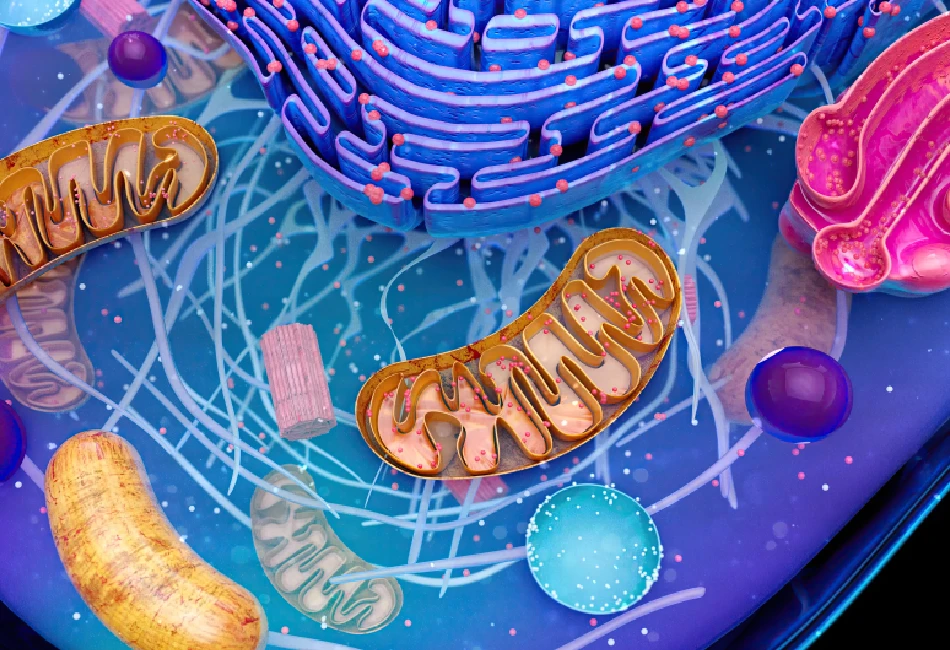
Cellular Structure

Research on Akkermansia
A. Improves the Health of the Human Gut Microbiome (Human Intestinal Tract)

Improving gut health involves promoting a balanced microbiota, enhancing intestinal barrier integrity, and reducing inflammation. Strategies such as consuming a fiber-rich diet, fermented foods, and prebiotics can nourish beneficial bacteria, while probiotics like Akkermansia muciniphila help maintain the mucus layer and produce short-chain fatty acids that support gut function. These interventions can enhance nutrient absorption, immune regulation, and resistance to pathogens, fostering overall digestive well-being.
- Akkermansia species, especially A. muciniphila, are integral members of the gut microbiota and are linked to health benefits and disease risks across various systems, including digestive, respiratory, urinary, and central nervous systems. [1] Their effects depend on host genetics, strain-specific metabolic and immunomodulatory properties, interactions with other microbiota, and synergy with therapies, influencing conditions such as obesity, diabetes, neurological diseases, cancer, and infections.
- Akkermansia muciniphila, a prominent gut bacterium, shows promise as a next-generation probiotic due to its physiological benefits in maintaining gut homeostasis, influencing metabolic and energy pathways, and addressing gut dysbiosis. Its abundance is shaped by genetic and dietary factors, impacting intestinal microbiota dynamics. [2] However, challenges like regulatory approval, large-scale clinical trials, and sustainable production need resolution before its broad application. Advances in colonization patterns, functional mechanisms, microencapsulation delivery, and genetic engineering strategies are paving the way for its therapeutic potential.
- A review highlights the role of Akkermansia muciniphila, a key gut bacterium in the Verrucomicrobia phylum, in maintaining intestinal homeostasis and influencing metabolic health. Colonizing the mucus layer of the gastrointestinal tract, it enhances intestinal barrier function and modulates immune responses. Studies link A. [3] muciniphila to improved glucose and adipose metabolism, with its levels inversely associated with inflammatory diseases like IBD, obesity, and diabetes. Therapeutic administration of A. muciniphila shows potential to mitigate these conditions, underscoring its promise for future applications in gastrointestinal and metabolic disease treatment.
- Akkermansia muciniphila is a prominent gut bacterium that colonizes the mucosa, contributing to gut health and offering potential therapeutic applications. Known for its unique ability to utilize mucin sugars, it plays a key role in host-microbiota interactions and has gained attention across research fields as a model organism for modulating human health and gut microbiome structure. [4] This review explores its phylogeny, ecophysiology, and diversity, highlighting its potential as a probiotic, a tool for enhancing mucosal and metabolic health, and a biomarker for diagnostics and prognostics.
- Akkermansia muciniphila shows potential as a probiotic for treating abdominal aortic aneurysms (AAA) by restoring gut microbiota diversity and modulating immune and metabolic pathways. [5] In AAA mice, A. muciniphila inhibited aneurysm formation, repaired tissue damage, increased microbiota diversity, and altered the abundance of specific bacterial groups like Lactobacillus and Clostridium. It also reversed elevated levels of inflammatory markers (e.g., IL-6, IFN-γ) and restored protective cytokines (e.g., IL-10). These findings suggest that A. muciniphila’s effects on gut microbiota and immune regulation could offer a novel therapeutic approach for cardiovascular diseases.
- Akkermansia muciniphila, a mucin-degrading gut bacterium, offers promising therapeutic potential against metabolic disorders such as obesity, type 2 diabetes, and cardiovascular diseases. [6] However, its excessive abundance in certain intestinal environments, such as in inflammatory bowel disease (IBD), infections, or post-antibiotic recovery, may be detrimental. Additionally, its use in conditions like polycystic ovary syndrome (PCOS), endometriosis, Parkinson’s disease, or multiple sclerosis requires caution due to associated risks and microbial imbalances. These findings highlight the need for individualized evaluation before employing A. muciniphila as a probiotic therapy to avoid adverse effects.
- Akkermansia muciniphila supports gut health by regulating immunity, promoting intestinal epithelial development, and enhancing barrier integrity, with its secreted proteins mediating host-microbiome interactions. [7] The protein Amuc_1409, secreted by A. muciniphila, was found to enhance intestinal stem cell (ISC) proliferation and regeneration in models of intestinal injury and aging. Amuc_1409 achieves this by interacting with E-cadherin, dissociating the E-cadherin/β-catenin complex, and activating Wnt/β-catenin signaling. This highlights Amuc_1409’s critical role in maintaining intestinal homeostasis and its potential as a biomolecule for improving gut health.
- Administration of Akkermansia muciniphila (AM) during heat stress in mice alleviates jejunal damage by reversing reduced villus height caused by heat stress but does not impact feed intake, weight gain, serum antioxidant parameters, or liver enzyme levels. AM increased the relative abundance of Verrucomicrobiota at the phylum level and tended to modulate specific genera like Alloprevotella and [Eubacterium]_xylanophilum_group. [8] These findings suggest AM can mitigate gut morphology damage due to heat stress, though its broader effects on gut microbiota and systemic antioxidant responses are limited.
- Akkermansia muciniphila, a frequent colonizer of the gut mucous layer, is a promising next-generation probiotic due to its physiological benefits demonstrated in vitro and in vivo. [9] It plays a key role in host physiology and gut health, linking gut microbiota activity, intestinal dysbiosis/eubiosis, and the gut population of A. muciniphila, which is influenced by genetic and nutritional factors. While its potential as a probiotic is significant, addressing regulatory hurdles, scaling clinical trials, and ensuring production feasibility are necessary for its widespread application.
- Inflammatory bowel disease (IBD) arises from interactions between environmental and genetic factors leading to immune dysregulation and intestinal inflammation. [10] This study identified Akkermansia muciniphila and Parabacteroides distasonis as protective gut microbes that enhance intestinal epithelial barrier integrity and promote type 3 innate lymphoid cells in the colon. Colonizing susceptible mice with these bacteria reduced colitis severity in acute and chronic models, underscoring their role in shaping gut immunity and maintaining intestinal homeostasis. These findings highlight the potential of microbiome-based therapies for managing IBD.
- Akkermansia muciniphila shows significant therapeutic potential in treating metabolic dysfunction-associated fatty liver disease (MAFLD). [11] In a high-fat, high-cholesterol diet-induced obese mouse model, A. muciniphila alleviated hepatic steatosis, inflammation, and liver injury by enhancing mitochondrial oxidation, bile acid metabolism, and gut-liver axis interactions. It also reshaped gut microbiota and increased liver levels of L-aspartate, a metabolite linked to its beneficial effects. These therapeutic benefits persisted after treatment withdrawal and were partially diminished with antibiotic use. The findings highlight A. muciniphila as a promising agent for MAFLD intervention, with L-aspartate metabolism playing a key role in its mechanism.
- Gut dysbiosis and increased gut permeability contribute to chronic inflammation in conditions like obesity, aging, and HIV infection. Despite effective viral suppression with antiretroviral therapy (ART), gut dysbiosis, epithelial damage, and microbial translocation persist in people living with HIV (PLWH), heightening the risk of non-AIDS comorbidities such as cardiovascular disease, diabetes, and cancer. Emerging research highlights the potential of Akkermansia muciniphila—a key gut bacterium with reduced abundance in PLWH, diabetics, and obese individuals—as a therapeutic target. [12] Interventions like polyphenol-rich diets, metformin, and vancomycin have increased A. muciniphila levels, improving metabolic and gut health. Leveraging A. muciniphila may reduce inflammation and microbial translocation, offering new strategies to enhance gut health in PLWH.
- Akkermansia muciniphila and Faecalibacterium prausnitzii are abundant gut microbes linked to metabolic health, with reduced levels associated with inflammation and type 2 diabetes. [13] Dietary factors may influence their abundance, but evidence remains inconclusive. A review of 29 clinical trials found that caloric restriction and supplements like pomegranate extract, resveratrol, and inulin increased A. muciniphila levels, while diets low in fermentable sugars decreased its abundance. Prebiotics, such as fructo-oligosaccharides, mostly increased F. prausnitzii, though results varied. While some dietary factors influence these microbes, more research is needed to confirm their role in chronic disease prevention and management.
- Heat-inactivated Akkermansia muciniphila improved gut barrier function and reduced mesenteric white adipose tissue hypertrophy in a mouse model of diet-induced non-alcoholic steatohepatitis (NASH). However, it did not impact body weight, adiposity, metabolic parameters, liver fibrosis, or NASH development. [14] While minor changes in gut microbiota composition and a reduction in a collagen synthesis marker (PRO-C4) were observed, the treatment showed no significant effects on clinically relevant stages of NASH.
- Daily administration of Akkermansia muciniphila protects against the harmful effects of the emulsifiers carboxymethylcellulose (CMC) and polysorbate 80 (P80) on gut health and metabolism in mice. It prevents weight gain, dysglycemia, low-grade intestinal inflammation, and microbiota disruptions caused by these additives. Additionally, A. muciniphila preserves gut microbiota composition, prevents microbial encroachment, and counteracts changes in the colonic transcriptome induced by CMC and P80. [15] These findings highlight A. muciniphila as a promising probiotic to maintain gut and metabolic health in the face of modern dietary stresses.
- Akkermansia muciniphila is a key gut microbe that colonizes the intestinal mucus layer, where it degrades mucins to produce short-chain fatty acids, supporting host energy needs and promoting its colonization. [16] This dynamic interaction maintains mucin production and supports intestinal health by aiding immune system development and enhancing barrier integrity. While the precise mechanisms of its protective role remain unclear, A. muciniphila has been linked to benefits in intestinal diseases such as irritable bowel syndrome, inflammatory bowel disease, and intestinal tumors. These attributes position A. muciniphila as a promising probiotic and potential target for treating various intestinal conditions.
B. Enhances Metabolic Health
Akkermansia muciniphila enhances metabolic health by improving gut barrier integrity, modulating immune responses, and regulating glucose and lipid metabolism. Its presence has been associated with reduced inflammation, improved insulin sensitivity, and lower levels of adiposity and metabolic endotoxemia. By promoting energy balance and influencing pathways related to obesity, diabetes, and other metabolic disorders, A. muciniphila shows promise as a probiotic for improving overall metabolic health.
- Akkermansia muciniphila, a gut bacterium, plays a key role in regulating glucose and energy metabolism, with potential therapeutic uses for obesity, diabetes, and atherosclerosis. [17] While its mechanisms are not fully understood, its presence may improve metabolic disorders, suggesting it could be developed as a next-generation probiotic.
- Akkermansia muciniphila plays a key role in gut health, immune response, and metabolism, making it a promising next-generation probiotic for treating various diseases. [18] Further research is needed to fully understand its mechanisms and optimize its therapeutic use.
- Akkermansia muciniphila is a gut microbe that influences various diseases, including endocrine, nervous, and digestive disorders, and may enhance cancer immunotherapy. [19] While it has potential as a probiotic, its role in conditions like type 2 diabetes and neurodegenerative diseases is still debated.
- Akkermansia muciniphila and its components, including pasteurized forms and proteins like Amuc_1100, show promise in treating metabolic diseases such as obesity, type 2 diabetes, and cardiovascular conditions, making it a potential “next-generation beneficial microbe.” [20]
- A review explores the relationship between Akkermansia muciniphila and metabolic diseases, highlighting its potential as a probiotic that can treat obesity, type 2 diabetes, cardiovascular disease, and non-alcoholic fatty liver disease by influencing gut health. [21]
- Supplementation with Akkermansia muciniphila improved body weight, fat mass, glucose tolerance, and insulin sensitivity in mice, while reducing inflammation and alleviating endoplasmic reticulum stress in liver and muscle. [22] The study suggests potential metabolic benefits of A. muciniphila supplementation for metabolic health.
- A study explored the relationship between Akkermansia muciniphila abundance in the gut and metabolic syndrome (MetS) among 6,896 Chinese adults. [23] It found a dose-dependent association, where higher Akkermansia levels were linked to reduced MetS risk, particularly for obesity and hypertriglyceridemia, with microbial interactions influencing these effects.
- A study examined the relationship between Akkermansia muciniphila and glucose homeostasis in women with severe obesity undergoing bariatric surgery. While A. muciniphila abundance increased after surgery, it was not directly associated with glucose homeostasis, suggesting that obesity severity and gut dysbiosis may influence its health benefits. [24]
- A cranberry extract rich in polyphenols was found to prevent diet-induced obesity and metabolic syndrome in mice, linked to an increase in the gut bacterium Akkermansia. [25] This highlights the potential role of polyphenols and Akkermansia in maintaining metabolic health and combating obesity-related complications.
- A novel Akkermansia species, DSM 33459, isolated from human feces, was found to differ significantly from A. muciniphila in genetic, phenotypic, and metabolic traits. [26] Preclinical studies demonstrated its potential to improve metabolic health, highlighting its therapeutic promise for managing metabolic diseases.
- A study reveals that the gut microbe Akkermansia muciniphila mediates the effects of IFNγ on glucose tolerance, with IFNγ regulating A. muciniphila abundance via the gene Irgm1. [27] This interaction appears to be a conserved mechanism influencing metabolic health in both mice and humans.
- A systematic review evaluates the effectiveness of Akkermansia muciniphila supplementation in managing obesity, finding that both human and animal studies support its potential as a therapeutic approach for obesity and its associated metabolic complications. [28] However, further clinical trials are needed to confirm these findings.
- Grape proanthocyanidins (PACs) promote the growth of Akkermansia muciniphila in the gut, with the effect depending on its baseline abundance, and this precedes improvements in metabolic health markers in mice fed a high-fat diet. [29] The PAC-induced A. muciniphila bloom occurs through indirect mechanisms, independent of specific intestinal gene expression changes.
- A study identifies a protein (P9) secreted by Akkermansia muciniphila that induces GLP-1 secretion and thermogenesis in high-fat-diet mice via interaction with ICAM-2, highlighting a potential therapeutic target for metabolic diseases. [30] The effects are mediated by uncoupling protein 1 in brown adipose tissue and rely on interleukin-6 for glucose homeostasis.
- A review highlights the role of Akkermansia muciniphila, a gut bacterium, in regulating metabolism and immune function, with beneficial effects on various diseases such as obesity, type 2 diabetes, and inflammatory disorders. [31] It summarizes emerging research on the mechanisms underlying these benefits and explores the potential of A. muciniphila and its components in improving host health.
- Akkermansia muciniphila, a gut microbe with potential probiotic properties, plays a significant role in metabolic diseases, with its abundance linked to conditions like obesity, type 2 diabetes, cardiovascular disease, and non-alcoholic fatty liver disease. [32] This review explores its physiological functions, abundance dynamics, and mechanisms for treating these disorders.
C. Reduces Inflammation/Treats Inflammatory Conditions

Akkermansia muciniphila reduces inflammation by strengthening the gut barrier, preventing microbial translocation, and modulating immune responses. It promotes the production of short-chain fatty acids, like butyrate, which have anti-inflammatory effects, and helps regulate cytokine production, balancing pro- and anti-inflammatory signals. By maintaining gut homeostasis and reducing systemic inflammation, A. muciniphila plays a crucial role in managing conditions such as obesity, diabetes, and inflammatory bowel diseases.
- Akkermansia muciniphila, a gut microbe with potential probiotic properties, plays a significant role in metabolic diseases, with its abundance linked to conditions like obesity, type 2 diabetes, cardiovascular disease, and non-alcoholic fatty liver disease. [33] This review explores its physiological functions, abundance dynamics, and mechanisms for treating these disorders.
- A study explores the protective effects of live and pasteurized Akkermansia muciniphila in a mouse model of persistent inflammation, immunosuppression, and catabolism syndrome (PICS). [34] Both forms of Akk improved symptoms, reduced inflammation, restored gut barrier integrity, and reshaped the intestinal microbiota, highlighting its potential therapeutic role in managing PICS.
- A study demonstrated that oral administration of Akkermansia muciniphila (live, pasteurized, and its extracellular vesicles) improves gut health, enhances intestinal integrity, and reduces inflammation in the liver and adipose tissues, thereby mitigating liver injury in a high-fat diet and carbon tetrachloride-induced mouse model. [35] The extracellular vesicles showed particularly strong effects in modulating inflammatory and immune responses.
- A study demonstrates that Akkermansia muciniphila, a beneficial gut bacterium, reduces inflammation, bone destruction, and enhances junctional integrity in models of Porphyromonas gingivalis-induced periodontitis. [36] These findings highlight its potential as an adjunctive therapeutic agent in periodontal treatment.
- Inflammatory bowel diseases (IBD), including Crohn’s disease and ulcerative colitis, are chronic conditions driven by immune dysregulation and intestinal microbiota imbalances, with current treatments focused on managing inflammation and remission but limited by side effects and non-curative outcomes. [37] Emerging evidence highlights the potential of Akkermansia muciniphila in regulating gut barrier function and immune responses, suggesting its supplementation and promotion through probiotics, prebiotics, and dietary strategies as a promising avenue for IBD therapy.
- A study investigates the anti-inflammatory effects of two Akkermansia muciniphila strains (ATCC BAA-835 and strain 139) on inflammatory bowel disease (IBD) using cell models and a chronic colitis mouse model. [38] Both strains improved gut inflammation and microbiota dysbiosis, but strain ATCC demonstrated stronger effects, highlighting strain-specific benefits and the potential of A. muciniphila as a therapeutic for IBD.
- A study found that oral administration of Akkermansia muciniphila in diabetic rats improved liver function, reduced gluco/lipotoxicity, alleviated oxidative stress, suppressed inflammation, and normalized gut microbiota, suggesting it could be a promising probiotic for managing type 2 diabetes mellitus. [39]
- A study shows that metformin improves cognitive function in aged mice by altering the gut microbiota, specifically increasing the abundance of Akkermansia muciniphila, which reduces inflammation-related pathways, particularly interleukin-6 (IL-6), and enhances cognitive function. [40] Antibiotic treatment or IL-6 modulation nullifies the cognitive benefits, highlighting the role of gut microbiota in metformin’s protective effects on aging-related cognitive decline.
- Akkermansia muciniphila is a promising probiotic with potential benefits in metabolic diseases and inflammatory bowel disease (IBD), though its role in IBD treatment is controversial, as it may have both pro-inflammatory and anti-inflammatory effects depending on the context. [41] Studies on its impact and therapeutic value in IBD remain inconclusive.
- Akkermansia muciniphila (A. muciniphila) enhances the anti-inflammatory phenotype of gliadin-stimulated macrophages, promoting reduced proinflammatory cytokine expression and increased anti-inflammatory responses. [42]
- Studies revealed that priming macrophages with Akkermansia muciniphila enhances bacterial survival, reduces inflammation, and triggers a long-term immune response by altering gene expression, thus highlighting the role of gut microbiome commensals in modulating innate immune function and their potential anti-inflammatory properties. [43-44]
D. Supports Weight Management
Akkermansia muciniphila supports weight management by improving gut barrier integrity, regulating energy metabolism, and promoting a balanced gut microbiota. It increases the production of short-chain fatty acids, which enhance fat oxidation and reduce fat storage, while also modulating appetite-regulating hormones like leptin and ghrelin. Studies have shown that higher levels of A. muciniphila are associated with reduced adiposity, improved insulin sensitivity, and better overall metabolic health, making it a promising probiotic for managing obesity and related metabolic disorders.
- A pilot study demonstrated that daily oral supplementation of pasteurized Akkermansia muciniphila in overweight/obese insulin-resistant individuals was safe and well-tolerated, improving insulin sensitivity, reducing cholesterol, and slightly decreasing body weight and fat mass, without significantly affecting gut microbiome structure. [45] The results suggest that A. muciniphila may have beneficial effects on metabolic health.
- A study demonstrates that Akkermansia muciniphila improves metabolic health and alleviates liver injury in mice with metabolic-associated fatty liver disease (MAFLD) by altering gut microbiota composition, regulating bile acid metabolism, and improving glucose tolerance and gut barrier function, highlighting its potential for managing MAFLD. [46]
- A study shows that pasteurized Akkermansia muciniphila reduces obesity and fat gain by increasing energy expenditure, spontaneous physical activity, and fecal energy excretion, independent of thermogenesis or white adipose tissue beiging. [47] The effects are linked to reduced carbohydrate absorption and enhanced intestinal turnover, suggesting a role for gut microbiota modulation in regulating energy metabolism.
- A study investigates the relationship between the gut bacterium Akkermansia muciniphila, gut microbiome gene richness, and metabolic health in overweight and obese adults undergoing calorie restriction (CR). [48] Results show that higher A. muciniphila abundance is associated with better metabolic outcomes and improvements in insulin sensitivity, with its levels decreasing after CR but remaining higher than in individuals with initially lower levels.
- A study explores the differences in gut microbiota, specifically Akkermansia muciniphila (AM) levels, between overweight and obese female breast cancer patients with low (LAM) vs. high (HAM) AM relative abundance, revealing that higher AM abundance correlates with lower fat mass, greater microbiota diversity, and changes in interleukin-6 levels. [49] It suggests that dietary fiber may influence microbiota composition through AM in these patients.
- A study compares the effects of live and pasteurized forms of Akkermansia muciniphila on metabolic and immune responses in obese mice, finding both forms improved obesity, glucose metabolism, and inflammation, with the pasteurized form showing stronger effects on glucose tolerance and immune modulation. [50] Both treatments also restored gut and liver function in the mice
E. Promotes Cardiovascular Health
Akkermansia muciniphila promotes cardiovascular health by improving gut barrier function and reducing systemic inflammation, key factors in the development of cardiovascular diseases. It regulates lipid metabolism and helps lower cholesterol levels, which can reduce the risk of atherosclerosis. Additionally, A. muciniphila influences bile acid metabolism, contributing to improved vascular function and reduced plaque formation. Its ability to modulate the gut microbiota and decrease markers of oxidative stress further underscores its potential as a probiotic for maintaining heart health.
- A study found that Akkermansia muciniphila (AKK) supplementation could help prevent and treat obesity-associated atherosclerotic cardiovascular disease (ACVD) by improving dyslipidemia, enhancing cardiac function, reducing inflammation, and regulating gut microbiota, offering novel insights into its therapeutic potential. [51]
- A study examines the effects of Akkermansia muciniphila and its derivatives on gastrointestinal and metabolic disorders in mouse models, revealing improvements in gut permeability, inflammation, liver enzymes, and metabolic markers. [52] Live bacteria showed stronger benefits, and enhancing its gut microbial clusters could offer broader health benefits for cardiometabolic and age-related diseases.
- A mini-review examines the role of Akkermansia muciniphila in intestinal health, cardiovascular function, and obesity, highlighting its potential to improve health and contribute to medical interventions. [53] Despite promising findings, further research is needed to fully understand its effects on human health.
- Akkermansia muciniphila (A. muciniphila), a bacterium in the human gut microbiota, has been studied for its potential impact on hypertension (HTN), a major global health issue. [54] While it is considered a promising probiotic that may help control HTN, some studies suggest that an increased abundance of A. muciniphila could negatively affect HTN management, warranting further exploration of its role in HTN pathophysiology and treatment.
- Cold exposure increases the risk of atrial fibrillation (AF) by disrupting gut microbiota, particularly reducing the abundance of Akkermansia muciniphila, which leads to elevated levels of trimethylamine N-oxide (TMAO). [55] This process contributes to atrial structural remodeling and increased susceptibility to AF, suggesting that targeting gut microbiota and TMAO could offer potential therapeutic strategies for cold-related AF.
- A study investigates the role of Akkermansia muciniphila in preventing atherosclerosis in Apoe(-/-) mice, showing that it mitigates atherosclerotic lesion formation and inflammation by reducing metabolic endotoxemia and restoring gut barrier integrity, without affecting hypercholesterolemia. [56] Replenishing A. muciniphila reversed Western diet-induced exacerbations in atherosclerosis, highlighting its potential therapeutic role in obesity-related cardiovascular complications.
- Akkermansia muciniphila, an anaerobic bacterium found in the gut, has been linked to aging and age-related diseases (ARDs) such as neurodegenerative diseases, osteoporosis, and type 2 diabetes. [57] Recent studies are shifting focus from correlation to causal mechanisms, highlighting its potential role in host metabolism, inflammation, and disease progression.
- A study investigates the role of gut microbiota in Trichinella spiralis (Ts)-induced cardiac fibrosis (CF) in mice, showing that microbiota depletion worsens CF, while restoration via fecal transplantation improves it. [58] The abundance of Akkermansia muciniphila in Ts-infected mice and its therapeutic effects on CF through TLR2 signaling were also highlighted.
- A study explores how Akkermansia muciniphila (Am) affects abdominal aortic aneurysm (AAA) progression in mice, showing that Am delays AAA development by regulating EPAS1 and CITED2, which protect vascular smooth muscle cells and reduce macrophage inflammation. [59] The findings highlight the role of gut microbiome dysbiosis in AAA through EPAS1-mediated dysregulation of CITED2.
F. Offers Potential Anti-Cancer Properties
Akkermansia muciniphila has shown potential anti-cancer properties by enhancing the effectiveness of certain immunotherapies and modulating the gut-immune axis. It strengthens the intestinal barrier, reducing systemic inflammation and preventing tumor-promoting conditions. Studies suggest A. muciniphila influences immune cell activation, aiding in the body’s ability to recognize and fight cancer cells. Additionally, its production of short-chain fatty acids like butyrate supports a healthy gut environment, further contributing to its role in cancer prevention and treatment.
- A review highlights the potential of the gut microbiome Akkermansia muciniphila (A. muciniphila) to enhance cancer immunotherapy by improving its effectiveness and reducing side effects, offering promising clinical applications for anti-tumor therapy. [60] It explores the role of A. muciniphila in modulating the human immune system to address the limitations of current immunotherapy approaches.
- Akkermansia muciniphila (AKK) and its outer membrane proteins were found to facilitate gastric cancer cell apoptosis and modulate the immune microenvironment by promoting M1 macrophage polarization, enhancing cytotoxic T-cell responses, and inhibiting tumor growth in vitro and in vivo. [61] These findings highlight AKK’s potential as a therapeutic agent in gastric cancer treatment.
- Colorectal cancer (CRC) is a leading cause of cancer-related deaths, and probiotics, particularly Akkermansia muciniphila, have been studied for their potential roles in CRC prevention and treatment. [62] While A. muciniphila shows promise in modulating immune responses and influencing CRC progression, its role remains controversial, with studies suggesting both beneficial and adverse effects, necessitating further human clinical research.
- The anaerobic bacterium Akkermansia muciniphila plays a significant role in regulating the tumor microenvironment and enhancing tumor immunity through immune modulation, metabolites, and outer membrane proteins, potentially improving immunotherapy outcomes. [63] This review explores the complex interactions between A. muciniphila and human immunity, highlighting its promise for advancing cancer immunotherapy strategies.
- Akkermansia muciniphila, a gram-negative gut bacterium, has shown potential as a probiotic for metabolic and inflammatory diseases due to its mucin-reducing and immunomodulatory properties. [64] However, its role in colorectal cancer remains controversial, with studies suggesting it can either protect against or exacerbate the disease, depending on factors like administration protocols, bacterial viability, and interactions with other gut microbes.
- A study highlights the critical role of gut microbiota, particularly Akkermansia muciniphila and its metabolite pentadecanoic acid (PEA), in enhancing oxaliplatin sensitivity in gastric cancer (GC). [65] The findings suggest that gut microbiota modulation and probiotic interventions could improve chemotherapy outcomes by disrupting glycolysis in GC cells.
- A study validates that baseline fecal Akkermansia muciniphila (Akk) is a predictive biomarker for improved response and survival in advanced NSCLC patients treated with immune checkpoint inhibitors (ICIs), independent of PD-L1 expression and other factors. [66] However, antibiotic use alters the microbiome, potentially reducing the efficacy of ICIs despite high Akk abundance.
- An article explores the role of Akkermansia muciniphila, a promising next-generation probiotic, in tumorigenesis and cancer therapy, highlighting its potential to influence antitumor immunosurveillance and improve therapeutic outcomes. [67] It also discusses key scientific challenges and opportunities for leveraging A. muciniphila in clinical oncotherapy.
- A study explores the link between ovarian cancer (OC) and gut microbiota, revealing that fecal microbiota transplantation (FMT) from OC patients accelerates tumor growth in mice, while Akkermansia supplementation with FMT suppresses OC progression. [68] Enhanced CD8+ T cell activation, linked to increased acetate and interferon γ (IFNγ) secretion, underscores the gut microbiome’s role in immune surveillance and tumor control.
- A study found that post-antibiotic supplementation with Akkermansia muciniphila aggravated colitis-associated colorectal cancer (CAC) in mice by damaging the gut barrier, triggering inflammatory responses, disrupting microbial community recovery, and altering bile acid and short-chain fatty acid metabolism. [69] The findings highlight the importance of maintaining gut microbial homeostasis over replenishing single microbes after antibiotic treatment.
- A study investigates the antitumor effects of combining Akkermansia muciniphila (Akk) with cisplatin (CDDP) in a murine lung cancer model, showing that the combination improves tumor morphology, slows growth, enhances immune response, and upregulates key proteins, suggesting a superior therapeutic efficacy compared to CDDP alone. [70] The findings point to Akk’s potential as a promising strategy for lung cancer treatment by enhancing immune regulation.
- A study on Akkermansia muciniphila BAA-835 showed that pretreatment with this probiotic at 10^10 CFU/mL in a murine model of chemotherapy-induced mucositis improved intestinal mucosal integrity, reduced inflammation, and prevented bacterial overgrowth, suggesting its potential as a therapeutic tool for managing mucositis in cancer patients. [71]
- Akkermansia muciniphila (Akk) has positive effects on health, including antiobesity, antidiabetic, and anti-aging benefits, as well as improved inflammation and anticancer responses. [72] In mice, oral administration of Akk—especially pasteurized—led to significant changes in metabolism, increasing beneficial metabolites such as polyamines, short-chain fatty acids, and bile acids, which are linked to improved health.
- A study investigates the impact of the gut bacterium Akkermansia muciniphila (Akk) on the tumor immune microenvironment (TIME) during anti-PD-1 immunotherapy in cancer models, showing that live Akk activates CD8 T cells, rescues exhausted T cells, and modulates immune pathways to enhance the efficacy of immunotherapy. [73] The findings highlight the role of live Akk in shaping the immune response and improving anti-cancer treatment outcomes.
- Akkermansia muciniphila (A. muciniphila) inhibits colorectal cancer (CRC) development by regulating tryptophan-mediated aryl hydrocarbon receptor (AhR) and β-catenin signaling, with the suppression of AhR shown to prevent CRC growth in mouse models. [74] The antitumor effects of A. muciniphila are abolished in models with AhR deficiency, highlighting its protective role in CRC.
- A study reveals that the gut bacterium Akkermansia muciniphila enhances the anti-cancer efficacy of the FOLFOX chemotherapy regimen in colon cancer, with metabolomics suggesting that dipeptides containing branched-chain amino acids play a key role in this effect. [75] This finding points to the potential of manipulating A. muciniphila as a novel strategy for improving colon cancer therapy.
- Akkermansia muciniphila administration in mice exacerbates colorectal cancer (CRC) development by promoting inflammation and increasing intestinal epithelial cell proliferation, leading to more severe colon damage, weight loss, and tumor formation compared to controls. [76] This bacterium may play a role in CRC progression through its effects on inflammatory cytokines and proliferation-associated genes.
- A group of researchers demonstrated that the intestinal microbe Akkermansia muciniphila predicts a strong response to immunotherapy in non-small-cell lung cancer, offering a more reliable method than PD-L1 expression for stratifying patients who may benefit from treatment. [77]
- A study explores how Akkermansia muciniphila’s acetyltransferase Amuc_2172 influences colorectal cancer (CRC) by modifying histone proteins, leading to increased HSP70 secretion and enhanced immune activity of cytotoxic T lymphocytes, thus reprogramming the tumor microenvironment. [78] It also suggests Amuc_2172 as a potential therapeutic strategy for CRC treatment.
- The presence of Akkermansia mucinifila in the gut microbiome may serve as a potential marker for improved response to immunotherapy in non-small cell lung cancer (NSCLC) patients, with higher Akkermansiaceae levels correlating with disease stabilization and partial response to anti-PD-1/PD-L1 therapies. [79] Further research is needed to better understand its role in cancer immunotherapy.
- A study explores how the bacterium Akkermansia muciniphila (A. muciniphila) influences the immune response in colitis-associated colorectal cancer (CAC), showing that pasteurised A. muciniphila or its outer membrane protein Amuc_1100 can reduce inflammation and tumorigenesis by modulating cytotoxic T lymphocytes (CTLs) in the colon and lymph nodes. [80] These findings suggest A. muciniphila’s potential therapeutic role in managing colitis and CRC.
G. Modulates the Immune System
Akkermansia muciniphila plays a vital role in modulating the immune system by enhancing gut barrier integrity and reducing systemic inflammation. It stimulates the production of regulatory immune cells, such as Tregs, which help maintain immune balance and prevent overactive inflammatory responses. Additionally, A. muciniphila influences cytokine production, promoting an anti-inflammatory environment while supporting the body’s defense against pathogens. This immune modulation highlights its potential in managing autoimmune and inflammatory diseases.
- A review explores the roles of Akkermansia muciniphila in various health areas, including metabolic, inflammatory, and neurodegenerative diseases, emphasizing its potential therapeutic applications. [81] While animal and preliminary human studies show promise, challenges like stability and cultivation remain, though new approaches are being developed for clinical use.
- A study examines the effect of placebo on the gut microbiota of healthy individuals and men with Familial Mediterranean Fever (FMF), revealing minimal placebo impact on healthy individuals’ gut bacteria, but significant changes in FMF patients, with some bacterial genera showing resilience or susceptibility to placebo. [82] These findings have implications for the design of placebo-controlled trials and probiotic therapies targeting specific gut bacteria like Faecalibacterium, Blautia, and Clostridium spp.
- Akkermansia muciniphila, a bacterium that resides in the intestinal mucosa, has been linked to improved outcomes in diseases like obesity, diabetes, and inflammatory bowel disease (IBD), with experimental studies showing its potential as an immunomodulatory probiotic. [83] Clinical trials in obese and diabetic patients are underway, with promising preliminary results.
- Priming macrophages with live Akkermansia muciniphila enhances bacterial survival, reduces pro- and anti-inflammatory responses, and induces long-term immune training by altering gene expression related to phagocytosis and metabolic adjustment. [84] This study highlights the role of gut microbiome commensals, like A. muciniphila, in modulating innate immune responses and their potential as anti-inflammatory probiotics.
- Probiotics and synbiotics, particularly Akkermansia muciniphila and Faecalibacterium prausnitzii, play a key role in modulating the immune system and reducing inflammation in immune-related disorders like lupus, HIV, psoriasis, and atopic dermatitis. [85] These bacteria may serve as therapeutic targets for treating diseases linked to the microbiota, including immunological disorders and cancer immunotherapy.
- A study shows that administering Akkermansia muciniphila and Lactobacillus plantarum in a systemic lupus erythematosus (SLE) mouse model reduces systemic inflammation, improves renal function, and restores gut barrier integrity by modulating cytokine levels and remodeling the gut microbiome. [86] Both probiotics contribute to an anti-inflammatory environment, but their effects vary in extent.
- A study reveals that Akkermansia muciniphila, an intestinal bacterium, induces IgG1 antibodies and antigen-specific T cell responses in mice, with T follicular helper cells being primarily involved. [87] These immune responses are context-dependent, with different T cell fates arising in conventional mice, highlighting how contextual signals influence T cell responses to the microbiota and modulate host immune function.
- Akkermansia muciniphila, a beneficial gut bacterium, plays a significant role in human health by influencing metabolic, immune, and protective functions. [88] It has been linked to various health conditions, including obesity, diabetes, and fatty liver disease, and offers protective effects such as improved gut permeability, reduced inflammation, and enhanced immune responses.
- A lipid from the cell membrane of Akkermansia muciniphila (a15:0-i15:0 PE) was identified as responsible for its immunomodulatory effects, acting through a non-canonical TLR2-TLR1 pathway to influence immune signaling and provide insights into its roles in metabolism, cancer immunotherapy, and immune regulation. [89] This discovery highlights its selective and low-dose immunoregulatory potential.
- The gut bacterium Akkermansia muciniphila, particularly its outer membrane protein Amuc_1100, plays a crucial role in immune regulation and enhancing gut barrier function by stimulating cytokine production through Toll-like receptors, promoting a balanced immune response and improved gut health. [90] This protein’s interaction supports metabolic and immune benefits, potentially contributing to a lean phenotype and metabolic health.
- A study investigates how the absence of dietary fiber and the presence of specific mucolytic bacteria, particularly Akkermansia muciniphila, influence susceptibility to the pathogen Citrobacter rodentium. [91] It finds that while A. muciniphila increases pathogen vulnerability during fiber deprivation, it reduces pathogen load when fiber is sufficient, highlighting the context-dependent role of mucolytic bacteria in pathogen resistance.
H. Improves Cognitive Function
Akkermansia muciniphila may improve cognitive function through its role in maintaining gut-brain axis integrity. By enhancing gut barrier function and reducing systemic inflammation, it helps mitigate neuroinflammation, a key factor in cognitive decline. Additionally, A. muciniphila promotes the production of beneficial metabolites like short-chain fatty acids, which support neuronal health and communication. Emerging evidence suggests that its modulation of gut microbiota and systemic health may contribute to improved memory, learning, and overall cognitive performance.
- Akkermansia muciniphila is considered a promising probiotic with potential therapeutic benefits for neuropsychiatric disorders through its impact on the microbiota-gut-brain axis, improving gut health, immune function, and inflammation regulation. [92] However, its exact mechanisms remain controversial, as it can both alleviate and aggravate neuropsychiatric symptoms depending on the context.
- A study demonstrates that sleep deprivation (SD) induces cognitive impairment by disrupting the gut microbiota, particularly reducing Akkermansia muciniphila, which worsens synaptic loss and microglial activation. [93] Pretreatment with A. muciniphila or short-chain fatty acids (SCFAs) alleviates cognitive dysfunction and prevents synaptic damage, highlighting the potential of A. muciniphila supplementation as a therapeutic strategy for SD-induced cognitive decline.
- Akkermansia muciniphila, a key microorganism in the gut, plays an important role in brain functions via the gut-brain axis and may offer therapeutic potential for neuropsychiatric disorders like Alzheimer’s, Parkinson’s, and multiple sclerosis. [94] This review highlights its mechanisms in protecting the intestinal barrier and modulating immune responses and metabolites.
- A study explores the impact of Akkermansia muciniphila (Akk) on Alzheimer’s disease (AD) in mice, showing that Akk improves glucose tolerance, intestinal barrier function, and lipid metabolism, while also reducing amyloid β levels and alleviating memory impairment. [95] The findings suggest that Akk could offer a novel strategy for preventing and treating AD.
- A study explores the impact of environmental enrichment (EE) and probiotics, Lacticaseibacillus rhamnosus GG (LGG) and Akkermansia muciniphila (AKK), on cognitive dysfunction caused by nonalcoholic steatohepatitis (NASH). [96] It finds that while EE and AKK improve cognitive function, particularly spatial working memory and novel object recognition, only AKK restores brain metabolism, with subtle changes in gut microbiota composition, suggesting AKK as a potential intervention for NASH-induced cognitive decline.
- A study demonstrates that metformin improves cognitive function in aged mice by altering the gut microbiota, specifically increasing Akkermansia muciniphila, which reduces pro-inflammatory cytokines like IL-6, ultimately enhancing cognitive health. [97] The findings suggest that the gut microbiota plays a crucial role in metformin’s protective effects on aging-related cognitive decline.
- A study investigates the potential of Akkermansia muciniphila (A. muciniphila) in alleviating diabetic cognitive impairment (DCI) in db/db mice, showing that live A. muciniphila improved cognitive function, reduced neuroinflammation, and influenced gut microbiota and metabolic pathways, with greater efficacy observed compared to pasteurized A. muciniphila. [98] The protective effects are likely mediated through the microbiota-metabolites-brain axis.
- A study explored the effects of A. muciniphila on Alzheimer’s disease (AD)-like rats with periodontitis, finding that it alleviated cognitive impairment, reduced Aβ1-42 deposition, and improved gut microbiome composition, potentially modulating the gut-brain axis and peripheral metabolism. [99] A. muciniphila’s treatment also decreased inflammation-related pathogens and enhanced beneficial microbial species.
- A study investigates the cognitive effects of nonalcoholic steatohepatitis (NASH) and explores the potential of environmental enrichment (EE) and probiotics (Lacticaseibacillus rhamnosus GG and Akkermansia muciniphila) in reversing cognitive dysfunction. [100] The results show that Akkermansia muciniphila and EE, but not Lacticaseibacillus rhamnosus GG, improve cognitive function, with Akkermansia restoring brain metabolism and EE altering gut microbiota composition.
- A study reviewed randomized controlled trials on probiotic supplementation’s effect on cognitive function in older adults with Alzheimer’s disease (AD), mild cognitive impairment (MCI), or healthy cognition, finding that most studies showed significant cognitive improvement after 12-24 weeks of treatment, except for one involving severe AD. [101] This suggests that probiotics may positively influence cognitive function via the microbiome-gut-brain axis.
- A systematic review examines recent studies on the relationship between gut microbiota and cognitive impairments, highlighting changes in microbiota composition associated with conditions like Alzheimer’s and Parkinson’s disease. [102] The review suggests that alterations in gut microbiota, particularly aging-related changes, may influence brain function and psychiatric conditions through the gut-brain axis, with further research needed to understand its role in dementia.
- A 24-week study on 130 older patients with mild cognitive impairment (MCI) showed that the probiotic Bifidobacterium breve MCC1274 improved cognitive function in some areas and helped prevent brain atrophy progression, suggesting its potential in preventing cognitive decline in MCI patients. [103] However, no significant changes were observed in gut microbiota composition.
- A review highlights the potential of gut-targeted therapies, such as probiotics, fecal microbiota transplantation, physical exercise, and high-fiber diets, in addressing cognitive impairment by reducing inflammation and preserving cognitive function in older adults. [104] These strategies may offer promising treatments for preventing or managing cognitive decline.
- A review explores the potential of probiotic supplementation to enhance cognitive function or reduce cognitive decline through the gut-brain axis, finding preliminary evidence in certain populations, though the limited and varied quality of studies calls for further research. [105]
- A meta-analysis of 12 randomized controlled trials found that probiotic supplementation improves cognitive function, including global cognition, memory, attention, and visuospatial skills, in patients with Alzheimer’s disease and mild cognitive impairment. [106] However, the evidence remains limited, and further large-scale studies with higher quality are needed.
- Akkermansia muciniphila, a next-generation probiotic, plays a key role in regulating the gut-liver-brain axis, demonstrating neuronal and antifibrotic effects in liver injury. [107] The administration of A. muciniphila improved cognitive dysfunction and reduced tissue damage in liver injury, potentially offering therapeutic benefits for liver fibrosis and cognitive impairment.
I. Improves Blood Pressure
Akkermansia muciniphila may help improve blood pressure by enhancing gut health and supporting metabolic regulation. By strengthening the intestinal barrier and reducing systemic inflammation, it can mitigate factors linked to hypertension. Additionally, A. muciniphila influences bile acid metabolism and short-chain fatty acid production, both of which play roles in vascular health and blood pressure control. Its ability to modulate gut microbiota composition further supports cardiovascular health, making it a promising candidate for managing blood pressure naturally.
- A study investigates the effect of Akkermansia muciniphila (A. muciniphila) supplementation on preeclampsia (PE)-like symptoms in mice, finding that it alleviates elevated blood pressure, proteinuria, and inflammation while improving intestinal barrier function and immune balance, suggesting its potential as a novel therapeutic agent for PE. [108]
- A 5-day fast followed by a modified DASH diet reduces systolic blood pressure, body mass index, and the need for antihypertensive medications in hypertensive metabolic syndrome patients, with fasting altering the gut microbiome and immune system. [109] Multi-omics analyses suggest that fasting may serve as an effective non-pharmacological treatment for high blood pressure in these patients.
- A study investigated the role of intestinal flora in predicting major adverse cardiovascular and cerebrovascular events (MACCE) in patients with refractory hypertension (RH). [110] It found that specific gut bacteria and their abundances, including increased Actinomycetes and Verrucomicrobia, and decreased Akkermansia muciniphila, were linked to MACCE in RH patients, with combined detection of these markers offering potential for predicting and preventing such events.
- A study investigated the relationship between intestinal flora and long-term blood pressure control in hypertensive patients, finding significant differences in the gut microbiota between those with controlled and uncontrolled blood pressure. [111] Key factors such as the ACE, Streptococcus, and Akkermansia levels were identified as potential predictors of blood pressure compliance.
- Akkermansia muciniphila extracellular vesicles (AmEVs) have a protective effect against hypertension in spontaneously hypertensive rats, potentially by increasing T regulatory cells and reducing proinflammatory cytokines, without causing serious adverse reactions. [112] These findings suggest AmEVs as a novel therapeutic for hypertension.
- Akkermansia muciniphila, a gut bacterium, has been studied for its role in hypertension (HTN), with many studies highlighting its potential benefits in lowering blood pressure, while some raise concerns about its negative impact on HTN management. [113] This review aims to explore the current evidence and controversies regarding A. muciniphila’s role in HTN pathophysiology and its implications for treatment.
- A study highlights the potential therapeutic benefit of Akkermansia muciniphila (Am) and its derived extracellular vesicles (AmEVs) in alleviating preeclampsia (PE) symptoms in a mouse model, by improving systolic blood pressure, fetal growth, and placental pathology. [114] The beneficial effects are mediated through the activation of the EGFR-PI3K-AKT signaling pathway, promoting trophoblast invasion and spiral artery remodeling.
J. Improves Cholesterol Levels
Akkermansia muciniphila has been linked to improved cholesterol levels by modulating gut health and lipid metabolism. This beneficial bacterium enhances bile acid metabolism, which aids in cholesterol breakdown and excretion. By strengthening the intestinal barrier and reducing inflammation, A. muciniphila also helps mitigate factors contributing to dyslipidemia. Studies suggest its presence is associated with lower levels of total and LDL cholesterol, supporting its potential role in promoting heart health and managing cholesterol-related disorders.
- A meta-analysis of 13 randomized controlled trials suggests that probiotics consumption lowers total cholesterol and LDL cholesterol levels in individuals with high, borderline high, and normal cholesterol, while having minimal effect on HDL cholesterol and triglycerides. [115]
- A systematic review examines the effects of probiotics on lipid levels in patients with metabolic syndrome, finding that probiotics can significantly reduce triglycerides and LDL cholesterol, thereby lowering blood cholesterol. [116] However, further research is needed to fully understand the mechanisms behind these effects.
- A meta-analysis of 30 randomized controlled trials involving 1624 participants found that probiotics significantly reduced total cholesterol and LDL cholesterol levels, but had no effect on HDL cholesterol or triglycerides. [117] The effectiveness varied depending on factors such as baseline cholesterol levels, treatment duration, and probiotic strains, with stronger effects seen in studies sponsored by probiotic companies.
- A meta-analysis of 19 randomized controlled trials found that probiotics significantly reduced total cholesterol (TC) and low-density lipoprotein cholesterol (LDL-C) levels in hypercholesterolemic adults, but had no significant effects on triglycerides or high-density lipoprotein cholesterol. [118] The benefits were more pronounced with longer interventions, certain probiotic strains, and in younger individuals.
- A study identifies 34 bacterial taxa in the gut microbiome associated with body mass index and blood lipid levels, showing that the microbiome explains a small but significant portion of variance in these factors, independent of age, sex, and genetics. [119] These findings suggest the potential for microbiome-based therapies to control body mass and lipid levels, particularly triglycerides and high-density lipoproteins, but with minimal impact on low-density lipoproteins or total cholesterol.
- Oral administration of Akkermansia muciniphila in hyperlipidemic E3L.CETP mice for four weeks lowers body weight, plasma cholesterol, and triglyceride levels, while modulating immune cell composition and enhancing IL-10 release. However, it does not affect neointima formation or composition. [120]
- Oral administration of Akkermansia muciniphila in hyperlipidemic E3L.CETP mice for 4 weeks reduces body weight, cholesterol, triglyceride levels, and modulates immune cell composition, but does not impact neointima formation. [121] These results highlight its lipid-lowering and immunomodulatory effects without affecting atherosclerosis progression.
- A study investigates the effects of Akkermansia muciniphila supplementation on lipid metabolism and egg quality in laying hens. [122] The results show that A. muciniphila, in various forms, improved lipid metabolism, reduced abdominal fat and cholesterol, enhanced egg yolk quality, and reshaped gut microbiota, indicating its potential as an additive to improve laying hen health and production.
Akkermansia Probiotic
Akkermansia muciniphila is a beneficial bacterium that plays a vital role in gut health. As a probiotic, it supports the integrity of the intestinal lining, reduces inflammation, and helps maintain a balanced intestinal microbiota present in the gut microbiome. This bacterium has been associated with improved metabolic health, weight management, and better immune system function, making it a valuable addition to a healthy lifestyle.
Research has shown that Akkermansia plays a crucial role in mucin degradation, a process essential for maintaining gut health and supporting a balanced microbiome. Mucin degradation allows Akkermansia to strengthen the gut barrier, reducing intestinal permeability and alleviating chronic inflammation often linked to conditions like obesity, type 2 diabetes, and metabolic syndrome. The ability of this bacterium to thrive through mucin degradation highlights its importance in gut integrity. By leveraging its mucin degradation properties, Akkermansia as a probiotic supplement could potentially improve overall health and prevent certain metabolic diseases.
In addition to its metabolic benefits, Akkermansia has also demonstrated positive effects on gut microbiota composition. Studies suggest that supplementation with Akkermansia probiotics can increase the diversity and abundance of beneficial gut bacteria, which contributes to better digestion, nutrient absorption, and immune response. With continued research, Akkermansia probiotics could become an essential tool for improving gut health and supporting overall well-being.
Akkermansia Bacteria
Akkermansia muciniphila is a beneficial bacterium naturally found in the human gut. It plays a crucial role in maintaining gut health by strengthening the intestinal barrier and reducing inflammation. This bacterium thrives on mucin, a component of the mucus layer that protects the gut lining, helping to preserve the integrity of the gastrointestinal tract and combat insulin resistance.
Research has shown that Akkermansia is linked to several health benefits, including improved metabolic health. It helps regulate glucose levels, supports weight management, and may reduce the risk of metabolic disorders like obesity and type 2 diabetes. This bacterium also contributes to better immune function and plays a role in maintaining the health and integrity of the intestinal epithelium, making it an essential part of a balanced gut microbiome.
The presence of Akkermansia in the gut can be influenced by diet, lifestyle, and supplementation. Consuming foods rich in prebiotics, polyphenols, and fiber can promote its growth, while avoiding factors like a high-fat diet and overuse of antibiotics, which are linked to body weight gain. In studies involving obese and diabetic mice, encouraging Akkermansia growth has shown potential for improving overall health and well-being.
Akkermansia Muciniphila Supplement
Akkermansia muciniphila is a beneficial bacterium that resides in the human gut, playing a key role in maintaining intestinal health and supporting metabolic functions. The mucin degrader Akkermansia muciniphila has garnered attention as a supplement for its ability to enhance gut barrier integrity, reduce inflammation, and promote a healthy gut microbiome. It is believed to help improve overall gut health by supporting the growth of beneficial bacteria, contributing to a balanced microbiota.
The Akkermansia muciniphila supplement is particularly valued for its potential in weight management and metabolic health. Research indicates that this bacterium may help regulate glucose levels, improve insulin sensitivity, and reduce the risk of metabolic disorders like obesity and type 2 diabetes. By boosting the abundance of Akkermansia in the gut, the supplement may help modulate gut-related processes that influence these health conditions, especially when combined with early life treatment.
Additionally, Akkermansia muciniphila supplements are considered beneficial for enhancing immune system function and promoting systemic health. With its anti-inflammatory properties, it helps reduce gut inflammation, which is linked to various chronic diseases. Human gut microbiota changes influenced by this supplement are becoming increasingly recognized as part of a holistic approach to support long-term health and well-being, especially in obese patients.
Akkermansia Foods
Akkermansia Foods refer to foods that help support the growth and maintenance of Akkermansia muciniphila, a beneficial bacterium in the gut. These foods are typically rich in prebiotics, fibers, and polyphenols that feed the microbiome and enhance gut health. Research using mouse gut organoids has provided insights into how specific nutrients influence the growth of Akkermansia. Common Akkermansia-supporting foods include those high in fiber like garlic, onions, leeks, and asparagus, which provide the nutrients that help Akkermansia thrive.
In addition to fiber-rich vegetables, fruits like pomegranates, berries, and apples are excellent sources of polyphenols, which can also stimulate the growth of Akkermansia. Green tea is another powerful addition, as its polyphenol content has been shown to positively influence gut bacteria, including Akkermansia. Incorporating these foods into your diet can also help manage excessive body weight while promoting a balanced and healthy microbiome, and potentially reduces diabetes incidence.
Incorporating these Akkermansia-promoting foods into your diet can improve gut barrier function, reduce inflammation, and support metabolic health. By focusing on a plant-based, fiber-rich diet with a variety of prebiotics and polyphenols, you can naturally boost Akkermansia levels, contributing to improved overall well-being and better immune function, especially when combined with metformin treatment for enhanced metabolic effects.
Akkermansia Cancer
Akkermansia muciniphila has shown potential as a modulator of immune responses, which could enhance the effectiveness of cancer immunotherapy. Studies suggest that by improving gut microbiota balance, Akkermansia may support the immune system’s ability to respond to cancer treatments. Its role in promoting gut barrier integrity and reducing inflammation could further contribute to a stronger immune defense against cancerous cells.
Emerging research indicates that Akkermansia may influence tumor progression by affecting the gut microbiome’s interaction with the immune system. Certain strains of Akkermansia may stimulate anti-tumor immunity, potentially slowing the growth of tumors or enhancing the effects of cancer treatments. Although more research is needed, these early findings suggest that Akkermansia could play a crucial role in cancer care.
While Akkermansia’s direct impact on cancer treatment is still under investigation, its potential to improve the success of therapies is promising. The modulation of gut microbiota by Akkermansia could help mitigate side effects of cancer treatments like chemotherapy, ultimately supporting the patient’s overall health. Continued studies on Akkermansia’s role in cancer care may lead to innovative treatment strategies in the future.
Akkermansia Pomegranate
Akkermansia muciniphila, a beneficial gut bacterium, is known for its role in maintaining gut health and supporting metabolic functions. Recent studies have highlighted the potential synergistic benefits of combining Akkermansia with pomegranate. Pomegranates are rich in polyphenols, which are powerful antioxidants that support gut microbiota diversity and promote the growth of beneficial bacteria like Akkermansia.
The polyphenols found in pomegranates have been shown to enhance the growth of Akkermansia muciniphila, particularly by nourishing the gut microbiome and supporting intestinal barrier function. By increasing Akkermansia levels, pomegranates help reduce inflammation and improve metabolic processes, which can be beneficial for managing conditions like obesity and type 2 diabetes.
Incorporating pomegranate into the diet may thus provide a natural way to support the health-promoting effects of Akkermansia. As a prebiotic-rich food, pomegranate helps foster a favorable environment in the gut for Akkermansia to thrive, contributing to better overall health, improved immunity, and reduced risks of metabolic diseases.
Akkermansia Side Effects
Akkermansia muciniphila is generally considered safe for most people, particularly when used in appropriate amounts through food or probiotic supplements. However, as with any supplement, some individuals may experience mild digestive discomfort, such as bloating or gas, especially when first introducing it into the diet. These side effects typically subside as the body adjusts to the increased presence of beneficial bacteria in the gut.
In rare cases, people with compromised immune systems or specific gut conditions may experience adverse reactions to Akkermansia supplements. It is important to consult with a healthcare provider before beginning supplementation if you have a weakened immune system, inflammatory bowel disease, or other serious gastrointestinal conditions. For these individuals, introducing any new probiotic should be done with caution and under medical supervision.
As Akkermansia influences gut microbiota, excessive intake may potentially disrupt the balance of bacteria in the gut, leading to an imbalance or dysbiosis. This could result in mild gut symptoms or make existing gut conditions worse. Therefore, it is recommended to follow dosage guidelines and avoid overuse to minimize the risk of negative effects on gut health.
Akkermansia Dosage
The optimal dosage of Akkermansia muciniphila supplements is not yet fully established, as research on its supplementation in humans is still in the early stages. Current studies suggest that the most effective doses range between 10 to 50 billion CFU (colony-forming units) per day, though this can vary based on the specific supplement formulation and the individual’s health conditions. It is important to follow the manufacturer’s guidelines or consult with a healthcare provider before starting supplementation.
For individuals looking to increase Akkermansia levels naturally, dietary changes such as consuming prebiotic-rich foods like fiber and polyphenol-rich foods can play a significant role. Foods like asparagus, garlic, and pomegranates may help naturally support Akkermansia growth in the gut without the need for supplementation. However, dietary support may work more slowly than targeted supplementation.
While Akkermansia supplementation may offer potential benefits for gut health, immune function, and metabolic support, its effects can vary from person to person. It is recommended to start with lower doses and gradually increase, monitoring for any potential side effects such as bloating or digestive discomfort. As more research emerges, clearer guidelines on the ideal dosage and timing for Akkermansia supplementation will become available.
FAQ
How do you increase Akkermansia naturally?
Consuming foods rich in polyphenols (e.g., berries, green tea, pomegranates), prebiotics (e.g., inulin from chicory root, asparagus, or garlic), and dietary fibers can naturally increase Akkermansia levels in the human gut, benefiting the gut microbiome and reducing the risk of diet-induced obesity. These foods also help maintain intestinal integrity, supporting a healthy gut barrier. Regular exercise and maintaining a healthy weight also support Akkermansia growth, contributing to better intestinal integrity and a healthier gut microbiome. These dietary and lifestyle habits help foster a balanced gut microbiome in the human gut, promoting overall well-being and preventing diet-induced obesity while maintaining intestinal integrity.
What is Akkermansia good for?
Akkermansia muciniphila helps maintain human gut lining integrity, reduces inflammation, supports metabolic health, and improves immune system function. It is also associated with better weight management and reduced risk of metabolic disorders, highlighting its vital role in the human gut microbiome. Studies using obese and diabetic mice have demonstrated its impact on gut health. By enhancing the gut microbiome, it contributes significantly to the human gut microbiome and overall health and well-being, as observed in experiments with obese and diabetic mice. Additionally, research on obese and diabetic mice continues to reveal more about Akkermansia’s beneficial effects on the gut.
Will Akkermansia help you lose weight?
Yes, studies suggest Akkermansia may help with weight loss by improving gut barrier function in the human intestinal tract, reducing inflammation, and enhancing metabolic efficiency. Akkermansia’s presence in the gut microbiome is associated with better overall gut health, which may contribute to weight management and human health. Additionally, its role in supporting a balanced gut microbiome may have indirect benefits for weight loss, ultimately benefiting human health. However, more research is needed to confirm its direct effects on the gut microbiome, the human intestinal tract, and weight loss.
Does cranberry juice increase Akkermansia?
Yes, cranberry juice contains polyphenols that have been shown to increase Akkermansia levels in the gut, which may benefit individuals with inflammatory bowel disease and those struggling with excessive body weight. Studies suggest that improving Akkermansia levels can positively impact gut health and may help manage inflammatory bowel disease, as well as reduce the risks associated with excessive body weight. Therefore, consuming cranberry juice could be a supportive dietary approach for those dealing with inflammatory bowel disease or managing excessive body weight
How do I increase my Akkermansia in my gut?
Consume polyphenol-rich foods, prebiotic fibers, and fermented foods to boost gut health. Oral administration of these nutrients may further enhance their effects on the gut. Avoid overuse of antibiotics, which can disrupt the gut microbiota balance. Oral administration of antibiotics should be carefully monitored to prevent this. Maintaining a balanced diet is essential to support Akkermansia growth and oral administration of prebiotics can play a key role in this process.
What happens if you have too much Akkermansia?
Excess Akkermansia is rare but might contribute to excessive mucus degradation, potentially compromising gut barrier function and leading to intestinal inflammation, disrupting intestinal homeostasis. This is typically seen in abnormal gut conditions where intestinal inflammation further exacerbates the issues, affecting the overall fecal microbiota and threatening intestinal homeostasis. Managing gut health and maintaining a balanced fecal microbiota is essential to prevent complications like intestinal inflammation associated with imbalances in Akkermansia levels, which can ultimately impact intestinal homeostasis. Additionally, a healthy fecal microbiota helps support proper immune function and gut integrity.
What does Akkermansia do for the body?
It supports gut health and gut microbiota by strengthening the intestinal barrier, modulating immune responses, reducing inflammation, and improving metabolic health, including glucose homeostasis, with the help of akkermansia muciniphila. Additionally, maintaining a balanced gut microbiota, including a healthy presence of akkermansia muciniphila, is essential for these benefits, as gut microbiota plays a critical role in overall health and well-being, particularly in maintaining glucose homeostasis. Ensuring proper glucose homeostasis with the support of akkermansia muciniphila can support better metabolic function and reduce the risk of metabolic disorders.
What causes low levels of Akkermansia muciniphila?
Low levels may be caused by poor diet (low in fiber and polyphenols), obesity, metabolic disorders, excessive antibiotic use, and chronic inflammation, all of which negatively affect the gut microbiota. A disrupted gut microbiota can lead to reduced Akkermansia levels, further contributing to metabolic imbalances, including poor glucose metabolism. Additionally, imbalances in the gut microbiota may also increase the risk of chronic inflammation and other health issues, which can interfere with proper glucose metabolism and overall metabolic function. Maintaining a healthy gut microbiota is essential for supporting glucose metabolism and reducing the risk of metabolic disorders.
What is Akkermansia probiotic good for?
It is beneficial for enhancing gut barrier integrity, reducing inflammation, supporting weight management, and improving metabolic health markers like insulin sensitivity. This helps counteract gut microbiota dysbiosis, a condition where the balance of gut bacteria is disrupted. By promoting a healthy gut environment, akkermansia muciniphila can also reduce the negative effects of gut microbiota dysbiosis, improving overall gut health. Additionally, akkermansia muciniphila supports the restoration of a balanced microbiota, which is key to preventing gut microbiota dysbiosis and maintaining metabolic health.
How to get Akkermansia naturally?
Consume foods high in dietary fibers, polyphenols, and prebiotics, such as green tea, pomegranates, cranberries, garlic, and chicory root, to support gut health and reduce the risk of metabolic and gastrointestinal disorders, which can contribute to body weight gain. These foods help manage symptoms of metabolic and gastrointestinal disorders by promoting the growth of beneficial gut bacteria, potentially preventing unwanted body weight gain and reducing mucin degradation in the gut. Regular consumption can also assist in preventing long-term complications related to metabolic and gastrointestinal disorders, including issues related to mucin degradation and body weight gain. By supporting a healthy gut microbiome, these foods may help mitigate the negative effects of mucin degradation and improve overall gut function.
Who should not take Akkermansia?
Individuals with specific gut conditions, such as severe leaky gut syndrome, or those with weakened immunity should consult a doctor before taking Akkermansia supplements, as it may affect the balance of human gut microbiota. Studies on mice fed Akkermansia have shown that it can influence gut health and microbiota composition. Since Akkermansia plays a key role in supporting the human gut microbiota, any disturbances could have significant impacts. It’s essential to consider how Akkermansia supplements might interact with the individual’s human gut microbiota before use, similar to findings in mice fed Akkermansia in controlled experiments. Additionally, the effects observed in mice fed different probiotic strains may help inform the use of Akkermansia in humans.
Does Akkermansia have side effects?
When consumed as a probiotic, Akkermansia muciniphila is generally safe, but excessive intake may disrupt gut microbiota balance, as observed in diet-induced obese mice and obese human volunteers. In diet-induced obese mice and obese human volunteers, the gut microbiota composition can be altered by Akkermansia muciniphila intake, potentially leading to unwanted effects. Therefore, it is important to consult with a healthcare provider for guidance, especially in the context of obese human volunteers, where the effects on gut health may vary with Akkermansia muciniphila supplementation.
Who should take Akkermansia?
It can take several weeks to months for noticeable improvements in gut health or metabolic markers after increasing Akkermansia muciniphila levels, as it supports the balance of gut microbes and maintains gut homeostasis. The positive effects on gut health and metabolic markers are largely influenced by how Akkermansia muciniphila interacts with other gut microbes, contributing to a stable environment that maintains gut homeostasis. Over time, the proliferation of beneficial gut microbes, including Akkermansia muciniphila, contributes to improved overall health and maintains gut homeostasis.
What foods are high in Akkermansia?
Foods rich in prebiotics, polyphenols, and dietary fibers, such as asparagus, garlic, onions, pomegranates, and berries, promote Akkermansia growth and support gut barrier function. These foods enhance gut barrier function by encouraging the proliferation of beneficial bacteria. By strengthening gut barrier function, they contribute to improved gut health, overall well-being, and may help prevent conditions like fatty liver disease. Additionally, a healthy gut microbiome is crucial for managing fatty liver disease, as it can influence liver health and metabolic processes. Including these foods in your diet may also reduce the risk of developing fatty liver disease.
How long does it take for Akkermansia to work?
It can take several weeks to months for noticeable improvements in gut health or metabolic markers after increasing Akkermansia muciniphila levels, as it supports the balance of gut microbes and maintains gut homeostasis. The positive effects on gut health and metabolic markers are largely influenced by how Akkermansia muciniphila interacts with other gut microbes, contributing to a stable environment that maintains gut homeostasis. Over time, the proliferation of beneficial gut microbes, including Akkermansia muciniphila, contributes to improved overall health and maintains gut homeostasis.
What are the side effects of Akkermansia?
Few side effects are reported, but excessive intake could theoretically lead to microbiome imbalances or digestive discomfort, particularly when combined with a high fat diet. Additionally, individuals consuming a high fat diet may experience changes in gut microbiota that could influence the effects of supplementation, especially on intestinal epithelial cells. Monitoring intake alongside a high fat diet is recommended to avoid potential disruptions in intestinal epithelial cells, as these cells play a critical role in nutrient absorption and gut health.
How do you get Akkermansia bacteria?
Akkermansia muciniphila is the scientific name, and it does not have a widely recognized common name. This beneficial bacteria, akkermansia muciniphila, plays a role in reducing gut inflammation and promoting gut health by supporting the mucus layer that lines the intestines. By enhancing the mucus layer, akkermansia muciniphila can help alleviate conditions associated with gut inflammation, making it a valuable component of a healthy microbiome. Its impact on the mucus layer is crucial in maintaining the integrity of the intestinal barrier.
What is another name for Akkermansia?
Akkermansia muciniphila is the scientific name, and it does not have a widely recognized common name. This beneficial bacteria, akkermansia muciniphila, plays a role in reducing gut inflammation and promoting gut health by supporting the mucus layer that lines the intestines. By enhancing the mucus layer, akkermansia muciniphila can help alleviate conditions associated with gut inflammation, making it a valuable component of a healthy microbiome. Its impact on the mucus layer is crucial in maintaining the integrity of the intestinal barrier.
What supplements increase Akkermansia muciniphila?
Prebiotic supplements containing inulin or fructooligosaccharides (FOS) and akkermansia muciniphila-specific probiotics can increase its levels by supporting the intestinal microbiota present. These supplements work by feeding the beneficial intestinal microbiota present, which includes akkermansia muciniphila. In obese patients, maintaining a healthy diet alongside these supplements can further enhance the intestinal microbiota present in the gut, including akkermansia muciniphila. Studies suggest that for obese patients, these supplements may help improve gut health and metabolic functions. For optimal results in obese patients, it’s important to combine these supplements with lifestyle changes, including proper nutrition.
Do Akkermansia supplements work?
Yes, studies show Akkermansia muciniphila can help improve gut health, host peripheral lipid metabolism, metabolic functions, and inflammation when used as directed. Additionally, its role in supporting host peripheral lipid metabolism ameliorates metabolic disease, contributing to overall health improvements. Regular use of Akkermansia muciniphila can enhance gut health, metabolic functions, and host peripheral lipid metabolism while reducing inflammation, which also ameliorates metabolic disease and supports long-term wellness.
What are the best sources of Akkermansia?
Natural sources include prebiotic foods like asparagus, garlic, and chicory root, which may help manage metabolic diseases, especially in conjunction with metformin treatment. Probiotic formulations containing Akkermansia are also available, offering potential benefits for those with metabolic diseases, particularly those undergoing metformin treatment. Incorporating these options into your diet could support gut health and reduce the risk of metabolic diseases, complementing the effects of metformin treatment.
How do you increase Akkermansia muciniphila?
Consume prebiotic-rich foods (e.g., onions, leeks), polyphenols (e.g., berries, green tea), and dietary fibers to help reduce the risk of metabolic syndrome, which in turn reduces diabetes incidence. Maintaining a healthy lifestyle is essential for managing metabolic syndrome and improving overall health, and it also reduces diabetes incidence. By incorporating these foods, you can support your body’s efforts to prevent or manage metabolic syndrome and its associated risks, ultimately reducing diabetes incidence.
How can I boost my Akkermansia naturally?
Eat a fiber-rich, plant-based diet with plenty of prebiotic and polyphenol-containing foods, exercise regularly, and limit processed foods to help combat insulin resistance. These lifestyle changes, along with early life treatment strategies, can improve insulin sensitivity and reduce the risk of developing insulin resistance. Additionally, early life treatment interventions and maintaining a balanced diet and healthy habits are essential for managing existing insulin resistance.
What supplements increase Akkermansia?
Probiotic supplements containing Akkermansia muciniphila and prebiotics like inulin can help improve gut microbiome richness. By enhancing the diversity of beneficial bacteria, these supplements support overall gut health and promote greater gut microbiome richness. Regular use may lead to a more balanced microbiome, further boosting gut microbiome richness and its associated benefits.
Which prebiotic feeds Akkermansia?
Inulin, found in foods like chicory root and garlic, is a prebiotic known to feed Akkermansia, a mucin degrading bacterium, which can help improve gut permeability. By supporting the growth of this mucin degrading bacterium, inulin may enhance the gut’s barrier function and reduce gut permeability. This can contribute to better gut health and reduced inflammation by maintaining optimal gut permeability, further promoting the role of mucin degrading bacterium in gut health.
What reduces Akkermansia?
A low-fiber diet, high intake of processed foods, antibiotic use, and chronic inflammation can reduce its levels, contributing to metabolic endotoxemia induced inflammation. This condition, characterized by the presence of endotoxins in the bloodstream, is often linked to metabolic endotoxemia induced inflammation and can exacerbate inflammatory responses. Addressing these factors /may help reduce metabolic endotoxemia induced inflammation and support overall health.
Is Akkermansia immunotherapy for cancer?
Emerging research in systematic and evolutionary microbiology suggests Akkermansia may enhance the effectiveness of certain cancer immunotherapies by modulating gut microbiota and immune responses. This modulation, explored through systematic and evolutionary microbiology, can lead to improved integrity of the intestinal epithelium, which plays a critical role in immune function. Additionally, Akkermansia, as studied in the field of systematic and evolutionary microbiology, may help strengthen the intestinal epithelium, promoting a healthier gut barrier and improving the body’s response to cancer treatments.
Can gut bacteria boost cancer treatments?
Yes, gut bacteria, including Akkermansia, can enhance the efficacy of some cancer treatments by influencing immune system activity. The modulation of gut microbiota can play a crucial role in improving treatment outcomes, particularly through enhancing intestinal barrier function. Further studies have demonstrated how specific bacteria, including Akkermansia, contribute to immune response, cancer therapy effectiveness, and enhancing intestinal barrier integrity. This highlights the importance of enhancing intestinal barrier health in cancer treatment.
Does pomegranate increase Akkermansia?
Yes, pomegranate is rich in polyphenols that promote the growth of Akkermansia, which can help maintain a healthy body weight. Studies suggest that increasing Akkermansia levels can improve metabolic function, potentially supporting better body weight management. By enhancing the gut microbial community, pomegranate may also contribute to balancing body weight over time. Human gut microbiota changes, driven by the intake of beneficial foods like pomegranate, may further support weight management and metabolic health. A healthier gut microbial community, shaped by human gut microbiota changes, makes pomegranate a beneficial food for overall gut health.
What foods increase Akkermansia bacteria?
Foods high in dietary fiber, dietary polyphenols, and prebiotics, like pomegranates, green tea, berries, and garlic, increase mucin degradation by promoting the growth of mucin degrader Akkermansia muciniphila. These foods, rich in dietary polyphenols, support the growth of mucin degrader Akkermansia muciniphila, which helps maintain a healthy gut lining by reducing mucin degradation. By including such foods in your diet, you can promote the beneficial effects of dietary polyphenols and mucin degrader Akkermansia muciniphila on gut health, enhancing mucin degradation and overall gut function.
Do pomegranates affect gut bacteria?
Yes, pomegranates positively influence gut bacteria by promoting the growth of beneficial microbes like Akkermansia. Studies in normal diet fed mice show similar effects, contributing to gut microbiota changes that enhance overall diversity and health. These effects observed in normal diet fed mice can help improve digestion and metabolic health in humans, supporting the body’s ability to maintain balance and fight disease.
Reference
Panzetta ME, Valdivia RH. Akkermansia in the gastrointestinal tract as a modifier of human health. Gut Microbes. 2024 Jan-Dec;16(1):2406379. doi: 10.1080/19490976.2024.2406379. Epub 2024 Sep 21. PMID: 39305271; PMCID: PMC11418289.
Abbasi A, Bazzaz S, Da Cruz AG, Khorshidian N, Saadat YR, Sabahi S, Ozma MA, Lahouty M, Aslani R, Mortazavian AM. A Critical Review on Akkermansia muciniphila: Functional Mechanisms, Technological Challenges, and Safety Issues. Probiotics Antimicrob Proteins. 2024 Aug;16(4):1376-1398. doi: 10.1007/s12602-023-10118-x. Epub 2023 Jul 11. PMID: 37432597.
Macchione IG, Lopetuso LR, Ianiro G, Napoli M, Gibiino G, Rizzatti G, Petito V, Gasbarrini A, Scaldaferri F. Akkermansia muciniphila: key player in metabolic and gastrointestinal disorders. Eur Rev Med Pharmacol Sci. 2019 Sep;23(18):8075-8083. doi: 10.26355/eurrev_201909_19024. PMID: 31599433.
Ioannou A, Berkhout MD, Geerlings SY, Belzer C. Akkermansia muciniphila: biology, microbial ecology, host interactions and therapeutic potential. Nat Rev Microbiol. 2024 Oct 15. doi: 10.1038/s41579-024-01106-1. Epub ahead of print. PMID: 39406893.
He X, Bai Y, Zhou H, Wu K. Akkermansia muciniphila Alters Gut Microbiota and Immune System to Improve Cardiovascular Diseases in Murine Model. Front Microbiol. 2022 Jun 14;13:906920. doi: 10.3389/fmicb.2022.906920. PMID: 35774450; PMCID: PMC9237526.
Chiantera V, Laganà AS, Basciani S, Nordio M, Bizzarri M. A Critical Perspective on the Supplementation of Akkermansia muciniphila: Benefits and Harms. Life (Basel). 2023 May 24;13(6):1247. doi: 10.3390/life13061247. PMID: 37374030; PMCID: PMC10301191.
Kang EJ, Kim JH, Kim YE, Lee H, Jung KB, Chang DH, Lee Y, Park S, Lee EY, Lee EJ, Kang HB, Rhyoo MY, Seo S, Park S, Huh Y, Go J, Choi JH, Choi YK, Lee IB, Choi DH, Seo YJ, Noh JR, Kim KS, Hwang JH, Jeong JS, Kwon HJ, Yoo HM, Son MY, Kim YG, Lee DH, Kim TY, Kwon HJ, Kim MH, Kim BC, Kim YH, Kang D, Lee CH. The secreted protein Amuc_1409 from Akkermansia muciniphila improves gut health through intestinal stem cell regulation. Nat Commun. 2024 Apr 6;15(1):2983. doi: 10.1038/s41467-024-47275-8. PMID: 38582860; PMCID: PMC10998920.
Luo C, Du Y, Zhu R, Qi Q, Luo S, Feng X. Effects of Akkermansia muciniphila on Gut Morphology, Antioxidant Indices, and Gut Microbiome of Mice Under Heat Stress. Foodborne Pathog Dis. 2024 Nov;21(11):724-730. doi: 10.1089/fpd.2024.0046. Epub 2024 Jul 31. PMID: 39082080.
Ghaffari S, Abbasi A, Somi MH, Moaddab SY, Nikniaz L, Kafil HS, Ebrahimzadeh Leylabadlo H. Akkermansia muciniphila: from its critical role in human health to strategies for promoting its abundance in human gut microbiome. Crit Rev Food Sci Nutr. 2023;63(25):7357-7377. doi: 10.1080/10408398.2022.2045894. Epub 2022 Mar 3. PMID: 35238258.
Gaifem J, Mendes-Frias A, Wolter M, Steimle A, Garzón MJ, Ubeda C, Nobre C, González A, Pinho SS, Cunha C, Carvalho A, Castro AG, Desai MS, Rodrigues F, Silvestre R. Akkermansia muciniphila and Parabacteroides distasonis synergistically protect from colitis by promoting ILC3 in the gut. mBio. 2024 Apr 10;15(4):e0007824. doi: 10.1128/mbio.00078-24. Epub 2024 Mar 12. PMID: 38470269; PMCID: PMC11210198.
Rao Y, Kuang Z, Li C, Guo S, Xu Y, Zhao D, Hu Y, Song B, Jiang Z, Ge Z, Liu X, Li C, Chen S, Ye J, Huang Z, Lu Y. Gut Akkermansia muciniphila ameliorates metabolic dysfunction-associated fatty liver disease by regulating the metabolism of L-aspartate via gut-liver axis. Gut Microbes. 2021 Jan-Dec;13(1):1-19. doi: 10.1080/19490976.2021.1927633. PMID: 34030573; PMCID: PMC8158032.
Ouyang J, Lin J, Isnard S, Fombuena B, Peng X, Marette A, Routy B, Messaoudene M, Chen Y, Routy JP. The Bacterium Akkermansia muciniphila: A Sentinel for Gut Permeability and Its Relevance to HIV-Related Inflammation. Front Immunol. 2020 Apr 9;11:645. doi: 10.3389/fimmu.2020.00645. PMID: 32328074; PMCID: PMC7160922.
Verhoog S, Taneri PE, Roa Díaz ZM, Marques-Vidal P, Troup JP, Bally L, Franco OH, Glisic M, Muka T. Dietary Factors and Modulation of Bacteria Strains of Akkermansia muciniphila and Faecalibacterium prausnitzii: A Systematic Review. Nutrients. 2019 Jul 11;11(7):1565. doi: 10.3390/nu11071565. PMID: 31336737; PMCID: PMC6683038.
Morrison MC, Gart E, Duyvenvoorde WV, Snabel J, Nielsen MJ, Leeming DJ, Menke A, Kleemann R. Heat-Inactivated Akkermansia muciniphila Improves Gut Permeability but Does Not Prevent Development of Non-Alcoholic Steatohepatitis in Diet-Induced Obese Ldlr-/-.Leiden Mice. Int J Mol Sci. 2022 Feb 19;23(4):2325. doi: 10.3390/ijms23042325. PMID: 35216439; PMCID: PMC8878538.
Daniel N, Gewirtz AT, Chassaing B. Akkermansia muciniphila counteracts the deleterious effects of dietary emulsifiers on microbiota and host metabolism. Gut. 2023 May;72(5):906-917. doi: 10.1136/gutjnl-2021-326835. Epub 2023 Jan 16. PMID: 36646449; PMCID: PMC10086484.
Liu MJ, Yang JY, Yan ZH, Hu S, Li JQ, Xu ZX, Jian YP. Recent findings in Akkermansia muciniphila-regulated metabolism and its role in intestinal diseases. Clin Nutr. 2022 Oct;41(10):2333-2344. doi: 10.1016/j.clnu.2022.08.029. Epub 2022 Sep 3. PMID: 36113229.
Hasani A, Ebrahimzadeh S, Hemmati F, Khabbaz A, Hasani A, Gholizadeh P. The role of Akkermansia muciniphila in obesity, diabetes and atherosclerosis. J Med Microbiol. 2021 Oct;70(10). doi: 10.1099/jmm.0.001435. PMID: 34623232.
Pellegrino A, Coppola G, Santopaolo F, Gasbarrini A, Ponziani FR. Role of Akkermansia in Human Diseases: From Causation to Therapeutic Properties. Nutrients. 2023 Apr 8;15(8):1815. doi: 10.3390/nu15081815. PMID: 37111034; PMCID: PMC10142179.
Xue C, Li G, Gu X, Su Y, Zheng Q, Yuan X, Bao Z, Lu J, Li L. Health and Disease: Akkermansia muciniphila, the Shining Star of the Gut Flora. Research (Wash D C). 2023;6:0107. doi: 10.34133/research.0107. Epub 2023 Apr 3. PMID: 37040299; PMCID: PMC10079265.
Yan J, Sheng L, Li H. Akkermansia muciniphila: is it the Holy Grail for ameliorating metabolic diseases? Gut Microbes. 2021 Jan-Dec;13(1):1984104. doi: 10.1080/19490976.2021.1984104. PMID: 34674606; PMCID: PMC8726741.
Niu H, Zhou M, Zogona D, Xing Z, Wu T, Chen R, Cui D, Liang F, Xu X. Akkermansia muciniphila: a potential candidate for ameliorating metabolic diseases. Front Immunol. 2024 Mar 20;15:1370658. doi: 10.3389/fimmu.2024.1370658. PMID: 38571945; PMCID: PMC10987721.
Zhao S, Liu W, Wang J, Shi J, Sun Y, Wang W, Ning G, Liu R, Hong J. Akkermansia muciniphila improves metabolic profiles by reducing inflammation in chow diet-fed mice. J Mol Endocrinol. 2017 Jan;58(1):1-14. doi: 10.1530/JME-16-0054. Epub 2016 Nov 7. PMID: 27821438.
Zhou Q, Pang G, Zhang Z, Yuan H, Chen C, Zhang N, Yang Z, Sun L. Association Between Gut Akkermansia and Metabolic Syndrome is Dose-Dependent and Affected by Microbial Interactions: A Cross-Sectional Study. Diabetes Metab Syndr Obes. 2021 May 17;14:2177-2188. doi: 10.2147/DMSO.S311388. PMID: 34040404; PMCID: PMC8139944.
Dao MC, Belda E, Prifti E, Everard A, Kayser BD, Bouillot JL, Chevallier JM, Pons N, Le Chatelier E, Ehrlich SD, Doré J, Aron-Wisnewsky J, Zucker JD, Cani PD, Clément K. Akkermansia muciniphila abundance is lower in severe obesity, but its increased level after bariatric surgery is not associated with metabolic health improvement. Am J Physiol Endocrinol Metab. 2019 Sep 1;317(3):E446-E459. doi: 10.1152/ajpendo.00140.2019. Epub 2019 Jul 2. PMID: 31265324.
Anhê FF, Pilon G, Roy D, Desjardins Y, Levy E, Marette A. Triggering Akkermansia with dietary polyphenols: A new weapon to combat the metabolic syndrome? Gut Microbes. 2016;7(2):146-53. doi: 10.1080/19490976.2016.1142036. Erratum in: doi: 10.1136/gutjnl-2014-307142. PMID: 26900906; PMCID: PMC4856456.
Kumar R, Kane H, Wang Q, Hibberd A, Jensen HM, Kim HS, Bak SY, Auzanneau I, Bry S, Christensen N, Friedman A, Rasinkangas P, Ouwehand AC, Forssten SD, Hasselwander O. Identification and Characterization of a Novel Species of Genus Akkermansia with Metabolic Health Effects in a Diet-Induced Obesity Mouse Model. Cells. 2022 Jun 30;11(13):2084. doi: 10.3390/cells11132084. PMID: 35805168; PMCID: PMC9265676.
Greer RL, Dong X, Moraes AC, Zielke RA, Fernandes GR, Peremyslova E, Vasquez-Perez S, Schoenborn AA, Gomes EP, Pereira AC, Ferreira SR, Yao M, Fuss IJ, Strober W, Sikora AE, Taylor GA, Gulati AS, Morgun A, Shulzhenko N. Akkermansia muciniphila mediates negative effects of IFNγ on glucose metabolism. Nat Commun. 2016 Nov 14;7:13329. doi: 10.1038/ncomms13329. PMID: 27841267; PMCID: PMC5114536.
Roshanravan N, Bastani S, Tutunchi H, Kafil B, Nikpayam O, Mesri Alamdari N, Hadi A, Sotoudeh S, Ghaffari S, Ostadrahimi A. A comprehensive systematic review of the effectiveness of Akkermansia muciniphila, a member of the gut microbiome, for the management of obesity and associated metabolic disorders. Arch Physiol Biochem. 2023 Jun;129(3):741-751. doi: 10.1080/13813455.2021.1871760. Epub 2021 Jan 15. PMID: 33449810.
Zhang L, Carmody RN, Kalariya HM, Duran RM, Moskal K, Poulev A, Kuhn P, Tveter KM, Turnbaugh PJ, Raskin I, Roopchand DE. Grape proanthocyanidin-induced intestinal bloom of Akkermansia muciniphila is dependent on its baseline abundance and precedes activation of host genes related to metabolic health. J Nutr Biochem. 2018 Jun;56:142-151. doi: 10.1016/j.jnutbio.2018.02.009. Epub 2018 Feb 15. PMID: 29571008; PMCID: PMC5971143.
Yoon HS, Cho CH, Yun MS, Jang SJ, You HJ, Kim JH, Han D, Cha KH, Moon SH, Lee K, Kim YJ, Lee SJ, Nam TW, Ko G. Akkermansia muciniphila secretes a glucagon-like peptide-1-inducing protein that improves glucose homeostasis and ameliorates metabolic disease in mice. Nat Microbiol. 2021 May;6(5):563-573. doi: 10.1038/s41564-021-00880-5. Epub 2021 Apr 5. PMID: 33820962.
Zhao Y, Yang H, Wu P, Yang S, Xue W, Xu B, Zhang S, Tang B, Xu D. Akkermansia muciniphila: A promising probiotic against inflammation and metabolic disorders. Virulence. 2024 Dec;15(1):2375555. doi: 10.1080/21505594.2024.2375555. Epub 2024 Aug 27. PMID: 39192579; PMCID: PMC11364076.
Niu H, Zhou M, Zogona D, Xing Z, Wu T, Chen R, Cui D, Liang F, Xu X. Akkermansia muciniphila: a potential candidate for ameliorating metabolic diseases. Front Immunol. 2024 Mar 20;15:1370658. doi: 10.3389/fimmu.2024.1370658. PMID: 38571945; PMCID: PMC10987721.
Rodrigues VF, Elias-Oliveira J, Pereira ÍS, Pereira JA, Barbosa SC, Machado MSG, Carlos D. Akkermansia muciniphila and Gut Immune System: A Good Friendship That Attenuates Inflammatory Bowel Disease, Obesity, and Diabetes. Front Immunol. 2022 Jul 7;13:934695. doi: 10.3389/fimmu.2022.934695. PMID: 35874661; PMCID: PMC9300896.
Xu Y, Duan J, Wang D, Liu J, Chen X, Qin XY, Yu W. Akkermansia muciniphila Alleviates Persistent Inflammation, Immunosuppression, and Catabolism Syndrome in Mice. Metabolites. 2023 Jan 28;13(2):194. doi: 10.3390/metabo13020194. PMID: 36837813; PMCID: PMC9961567.
Raftar SKA, Ashrafian F, Abdollahiyan S, Yadegar A, Moradi HR, Masoumi M, Vaziri F, Moshiri A, Siadat SD, Zali MR. The anti-inflammatory effects of Akkermansia muciniphila and its derivates in HFD/CCL4-induced murine model of liver injury. Sci Rep. 2022 Feb 14;12(1):2453. doi: 10.1038/s41598-022-06414-1. PMID: 35165344; PMCID: PMC8844054.
Huck O, Mulhall H, Rubin G, Kizelnik Z, Iyer R, Perpich JD, Haque N, Cani PD, de Vos WM, Amar S. Akkermansia muciniphila reduces Porphyromonas gingivalis-induced inflammation and periodontal bone destruction. J Clin Periodontol. 2020 Feb;47(2):202-212. doi: 10.1111/jcpe.13214. Epub 2019 Dec 2. Erratum in: J Clin Periodontol. 2024 Jun;51(6):802-803. doi: 10.1111/jcpe.13978. PMID: 31674689.
Zheng M, Han R, Yuan Y, Xing Y, Zhang W, Sun Z, Liu Y, Li J, Mao T. The role of Akkermansia muciniphila in inflammatory bowel disease: Current knowledge and perspectives. Front Immunol. 2023 Jan 6;13:1089600. doi: 10.3389/fimmu.2022.1089600. PMID: 36685588; PMCID: PMC9853388.
Zhai R, Xue X, Zhang L, Yang X, Zhao L, Zhang C. Strain-Specific Anti-inflammatory Properties of Two Akkermansia muciniphila Strains on Chronic Colitis in Mice. Front Cell Infect Microbiol. 2019 Jul 5;9:239. doi: 10.3389/fcimb.2019.00239. PMID: 31334133; PMCID: PMC6624636.
Zhang L, Qin Q, Liu M, Zhang X, He F, Wang G. Akkermansia muciniphila can reduce the damage of gluco/lipotoxicity, oxidative stress and inflammation, and normalize intestine microbiota in streptozotocin-induced diabetic rats. Pathog Dis. 2018 Jun 1;76(4). doi: 10.1093/femspd/fty028. PMID: 29668928.
Zhu X, Shen J, Feng S, Huang C, Wang H, Huo F, Liu H. Akkermansia muciniphila, which is enriched in the gut microbiota by metformin, improves cognitive function in aged mice by reducing the proinflammatory cytokine interleukin-6. Microbiome. 2023 May 30;11(1):120. doi: 10.1186/s40168-023-01567-1. PMID: 37254162; PMCID: PMC10228018.
Zhang T, Ji X, Lu G, Zhang F. The potential of Akkermansia muciniphila in inflammatory bowel disease. Appl Microbiol Biotechnol. 2021 Aug;105(14-15):5785-5794. doi: 10.1007/s00253-021-11453-1. Epub 2021 Jul 27. PMID: 34312713.
Molaaghaee-Rouzbahani S, Asri N, Sapone A, Baghaei K, Yadegar A, Amani D, Rostami-Nejad M. Akkermansia muciniphila exerts immunomodulatory and anti-inflammatory effects on gliadin-stimulated THP-1 derived macrophages. Sci Rep. 2023 Feb 24;13(1):3237. doi: 10.1038/s41598-023-30266-y. PMID: 36828897; PMCID: PMC9958093.
Peña-Cearra A, Palacios A, Pellon A, Castelo J, Pasco ST, Seoane I, Barriales D, Martin JE, Pascual-Itoiz MÁ, Gonzalez-Lopez M, Martín-Ruiz I, Macías-Cámara N, Gutiez N, Araujo-Aris S, Aransay AM, Rodríguez H, Anguita J, Abecia L. Akkermansia muciniphila-induced trained immune phenotype increases bacterial intracellular survival and attenuates inflammation. Commun Biol. 2024 Feb 16;7(1):192. doi: 10.1038/s42003-024-05867-6. PMID: 38365881; PMCID: PMC10873422.
Huck O, Mulhall H, Rubin G, Kizelnik Z, Iyer R, Perpich JD, Haque N, Cani PD, de Vos WM, Amar S. Authors’ Response: “Akkermansia muciniphila reduces Porphyromonas gingivalis induced inflammation and periodontal bone destruction”. J Clin Periodontol. 2021 Nov;48(11):1493-1494. doi: 10.1111/jcpe.13539. Epub 2021 Aug 24. PMID: 34409655.
Depommier C, Everard A, Druart C, Plovier H, Van Hul M, Vieira-Silva S, Falony G, Raes J, Maiter D, Delzenne NM, de Barsy M, Loumaye A, Hermans MP, Thissen JP, de Vos WM, Cani PD. Supplementation with Akkermansia muciniphila in overweight and obese human volunteers: a proof-of-concept exploratory study. Nat Med. 2019 Jul;25(7):1096-1103. doi: 10.1038/s41591-019-0495-2. Epub 2019 Jul 1. PMID: 31263284; PMCID: PMC6699990.
Wu W, Kaicen W, Bian X, Yang L, Ding S, Li Y, Li S, Zhuge A, Li L. Akkermansia muciniphila alleviates high-fat-diet-related metabolic-associated fatty liver disease by modulating gut microbiota and bile acids. Microb Biotechnol. 2023 Oct;16(10):1924-1939. doi: 10.1111/1751-7915.14293. Epub 2023 Jun 28. PMID: 37377410; PMCID: PMC10527187.
Depommier C, Van Hul M, Everard A, Delzenne NM, De Vos WM, Cani PD. Pasteurized Akkermansia muciniphila increases whole-body energy expenditure and fecal energy excretion in diet-induced obese mice. Gut Microbes. 2020 Sep 2;11(5):1231-1245. doi: 10.1080/19490976.2020.1737307. Epub 2020 Mar 13. PMID: 32167023; PMCID: PMC7524283.
Dao MC, Everard A, Aron-Wisnewsky J, Sokolovska N, Prifti E, Verger EO, Kayser BD, Levenez F, Chilloux J, Hoyles L; MICRO-Obes Consortium; Dumas ME, Rizkalla SW, Doré J, Cani PD, Clément K. Akkermansia muciniphila and improved metabolic health during a dietary intervention in obesity: relationship with gut microbiome richness and ecology. Gut. 2016 Mar;65(3):426-36. doi: 10.1136/gutjnl-2014-308778. Epub 2015 Jun 22. PMID: 26100928.
Frugé AD, Van der Pol W, Rogers LQ, Morrow CD, Tsuruta Y, Demark-Wahnefried W. Fecal Akkermansia muciniphila Is Associated with Body Composition and Microbiota Diversity in Overweight and Obese Women with Breast Cancer Participating in a Presurgical Weight Loss Trial. J Acad Nutr Diet. 2020 Apr;120(4):650-659. doi: 10.1016/j.jand.2018.08.164. Epub 2018 Nov 9. PMID: 30420171; PMCID: PMC6509025.
Choi Y, Bose S, Seo J, Shin JH, Lee D, Kim Y, Kang SG, Kim H. Effects of Live and Pasteurized Forms of Akkermansia from the Human Gut on Obesity and Metabolic Dysregulation. Microorganisms. 2021 Sep 27;9(10):2039. doi: 10.3390/microorganisms9102039. PMID: 34683361; PMCID: PMC8538271.
Xiao X, Wu Y, Jie Z, Lin L, Li Y, Hu W, Li Y, Zhong S. Akkermansia Muciniphila supplementation improves hyperlipidemia, cardiac function, and gut microbiota in high fat fed apolipoprotein E-deficient mice. Prostaglandins Other Lipid Mediat. 2024 Dec;175:106906. doi: 10.1016/j.prostaglandins.2024.106906. Epub 2024 Sep 11. PMID: 39265779.
Khalili L, Park G, Nagpal R, Salazar G. The Role of Akkermansia muciniphila on Improving Gut and Metabolic Health Modulation: A Meta-Analysis of Preclinical Mouse Model Studies. Microorganisms. 2024 Aug 9;12(8):1627. doi: 10.3390/microorganisms12081627. PMID: 39203469; PMCID: PMC11356609.
Gofron K, Berezowski A, Gofron M, Borówka M, Dziedzic M, Kazimierczak W, Kwiatkowski M, Gofron M, Nowaczyk Z, Małgorzewicz S. Akkermansia muciniphila – impact on the cardiovascular risk, the intestine inflammation and obesity. Acta Biochim Pol. 2024 Nov 14;71:13550. doi: 10.3389/abp.2024.13550. PMID: 39611203; PMCID: PMC11602308.
Lakshmanan AP, Murugesan S, Al Khodor S, Terranegra A. The potential impact of a probiotic: Akkermansia muciniphila in the regulation of blood pressure-the current facts and evidence. J Transl Med. 2022 Sep 24;20(1):430. doi: 10.1186/s12967-022-03631-0. PMID: 36153618; PMCID: PMC9509630.
Luo Y, Zhang Y, Han X, Yuan Y, Zhou Y, Gao Y, Yu H, Zhang J, Shi Y, Duan Y, Zhao X, Yan S, Hao H, Dai C, Zhao S, Shi J, Li W, Zhang S, Xu W, Fang N, Gong Y, Li Y. Akkermansia muciniphila prevents cold-related atrial fibrillation in rats by modulation of TMAO induced cardiac pyroptosis. EBioMedicine. 2022 Aug;82:104087. doi: 10.1016/j.ebiom.2022.104087. Epub 2022 Jul 4. PMID: 35797768; PMCID: PMC9270211.
Li J, Lin S, Vanhoutte PM, Woo CW, Xu A. Akkermansia Muciniphila Protects Against Atherosclerosis by Preventing Metabolic Endotoxemia-Induced Inflammation in Apoe-/- Mice. Circulation. 2016 Jun 14;133(24):2434-46. doi: 10.1161/CIRCULATIONAHA.115.019645. Epub 2016 Apr 25. PMID: 27143680.
Zeng SY, Liu YF, Liu JH, Zeng ZL, Xie H, Liu JH. Potential Effects of Akkermansia Muciniphila in Aging and Aging-Related Diseases: Current Evidence and Perspectives. Aging Dis. 2023 Dec 1;14(6):2015-2027. doi: 10.14336/AD.2023.0325. PMID: 37199577; PMCID: PMC10676789.
Wang J, Liu X, Sun R, Mao H, Liu M, Jin X. Akkermansia muciniphila participates in the host protection against helminth-induced cardiac fibrosis via TLR2. PLoS Pathog. 2023 Oct 3;19(10):e1011683. doi: 10.1371/journal.ppat.1011683. PMID: 37788279; PMCID: PMC10547169.
Wang S, Shi H, Cheng Y, Jiang L, Lou Y, Kumar M, Sun M, Shao X, Zhao X, Wang B. Akkermansia muciniphila alleviates abdominal aortic aneurysms via restoring CITED2 activated by EPAS1. Infect Immun. 2024 Oct 15;92(10):e0017224. doi: 10.1128/iai.00172-24. Epub 2024 Aug 29. PMID: 39207146; PMCID: PMC11477905.
Fan S, Jiang Z, Zhang Z, Xing J, Wang D, Tang D. Akkermansia muciniphila: a potential booster to improve the effectiveness of cancer immunotherapy. J Cancer Res Clin Oncol. 2023 Nov;149(14):13477-13494. doi: 10.1007/s00432-023-05199-8. Epub 2023 Jul 25. PMID: 37491636.
Fang J, Zhang H, Zhang X, Lu X, Liu J, Li H, Huang J. Akkermansia muciniphila improves gastric cancer treatment by modulating the immune microenvironment. Future Microbiol. 2024;19(6):481-494. doi: 10.2217/fmb-2023-0210. Epub 2024 Apr 17. PMID: 38629914; PMCID: PMC11216265.
Faghfuri E, Gholizadeh P. The role of Akkermansia muciniphila in colorectal cancer: A double-edged sword of treatment or disease progression? Biomed Pharmacother. 2024 Apr;173:116416. doi: 10.1016/j.biopha.2024.116416. Epub 2024 Mar 11. PMID: 38471272.
Wang L, Tang D. Akkermania muciniphila: a rising star in tumor immunology. Clin Transl Oncol. 2024 Oct;26(10):2418-2430. doi: 10.1007/s12094-024-03493-6. Epub 2024 Apr 23. PMID: 38653927.
Gubernatorova EO, Gorshkova EA, Bondareva MA, Podosokorskaya OA, Sheynova AD, Yakovleva AS, Bonch-Osmolovskaya EA, Nedospasov SA, Kruglov AA, Drutskaya MS. Akkermansia muciniphila – friend or foe in colorectal cancer? Front Immunol. 2023 Dec 6;14:1303795. doi: 10.3389/fimmu.2023.1303795. PMID: 38124735; PMCID: PMC10731290.
Xu Q, Gao J, Zhao R, Li H, Cui H, Yuan Z, Ren H, Cao B, Wei B. Akkermansia muciniphila-derived pentadecanoic acid enhances oxaliplatin sensitivity in gastric cancer by modulating glycolysis. Pharmacol Res. 2024 Aug;206:107278. doi: 10.1016/j.phrs.2024.107278. Epub 2024 Jun 20. PMID: 38908613.
Derosa L, Routy B, Thomas AM, Iebba V, Zalcman G, Friard S, Mazieres J, Audigier-Valette C, Moro-Sibilot D, Goldwasser F, Silva CAC, Terrisse S, Bonvalet M, Scherpereel A, Pegliasco H, Richard C, Ghiringhelli F, Elkrief A, Desilets A, Blanc-Durand F, Cumbo F, Blanco A, Boidot R, Chevrier S, Daillère R, Kroemer G, Alla L, Pons N, Le Chatelier E, Galleron N, Roume H, Dubuisson A, Bouchard N, Messaoudene M, Drubay D, Deutsch E, Barlesi F, Planchard D, Segata N, Martinez S, Zitvogel L, Soria JC, Besse B. Intestinal Akkermansia muciniphila predicts clinical response to PD-1 blockade in patients with advanced non-small-cell lung cancer. Nat Med. 2022 Feb;28(2):315-324. doi: 10.1038/s41591-021-01655-5. Epub 2022 Feb 3. PMID: 35115705; PMCID: PMC9330544.
Zhao X, Zhao J, Li D, Yang H, Chen C, Qin M, Wen Z, He Z, Xu L. Akkermansia muciniphila: A potential target and pending issues for oncotherapy. Pharmacol Res. 2023 Oct;196:106916. doi: 10.1016/j.phrs.2023.106916. Epub 2023 Sep 9. PMID: 37690533.
Wang Z, Qin X, Hu D, Huang J, Guo E, Xiao R, Li W, Sun C, Chen G. Akkermansia supplementation reverses the tumor-promoting effect of the fecal microbiota transplantation in ovarian cancer. Cell Rep. 2022 Dec 27;41(13):111890. doi: 10.1016/j.celrep.2022.111890. PMID: 36577369.
Wang K, Wu W, Wang Q, Yang L, Bian X, Jiang X, Lv L, Yan R, Xia J, Han S, Li L. The negative effect of Akkermansia muciniphila-mediated post-antibiotic reconstitution of the gut microbiota on the development of colitis-associated colorectal cancer in mice. Front Microbiol. 2022 Oct 14;13:932047. doi: 10.3389/fmicb.2022.932047. PMID: 36312913; PMCID: PMC9614165.
Chen Z, Qian X, Chen S, Fu X, Ma G, Zhang A. Akkermansia muciniphila Enhances the Antitumor Effect of Cisplatin in Lewis Lung Cancer Mice. J Immunol Res. 2020 Aug 7;2020:2969287. doi: 10.1155/2020/2969287. PMID: 32832569; PMCID: PMC7428831.
Souza RO, Miranda VC, Quintanilha MF, Gallotti B, Oliveira SRM, Silva JL, Alvarez-Leite JI, Jesus LCL, Azevedo V, Vital KD, Fernandes SOA, Cardoso VN, Ferreira E, Nicoli JR, Martins FS. Evaluation of the Treatment with Akkermansia muciniphila BAA-835 of Chemotherapy-induced Mucositis in Mice. Probiotics Antimicrob Proteins. 2024 Feb;16(1):275-292. doi: 10.1007/s12602-023-10040-2. Epub 2023 Jan 18. PMID: 36652108.
Grajeda-Iglesias C, Durand S, Daillère R, Iribarren K, Lemaitre F, Derosa L, Aprahamian F, Bossut N, Nirmalathasan N, Madeo F, Zitvogel L, Kroemer G. Oral administration of Akkermansia muciniphila elevates systemic antiaging and anticancer metabolites. Aging (Albany NY). 2021 Mar 2;13(5):6375-6405. doi: 10.18632/aging.202739. Epub 2021 Mar 2. PMID: 33653967; PMCID: PMC7993698.
Zhu Z, Huang J, Zhang Y, Hou W, Chen F, Mo YY, Zhang Z. Landscape of tumoral ecosystem for enhanced anti-PD-1 immunotherapy by gut Akkermansia muciniphila. Cell Rep. 2024 Jun 25;43(6):114306. doi: 10.1016/j.celrep.2024.114306. Epub 2024 May 30. PMID: 38819989.
Zhang L, Ji Q, Chen Q, Wei Z, Liu S, Zhang L, Zhang Y, Li Z, Liu H, Sui H. Akkermansia muciniphila inhibits tryptophan metabolism via the AhR/β-catenin signaling pathway to counter the progression of colorectal cancer. Int J Biol Sci. 2023 Aug 21;19(14):4393-4410. doi: 10.7150/ijbs.85712. PMID: 37781044; PMCID: PMC10535706.
Hou X, Zhang P, Du H, Chu W, Sun R, Qin S, Tian Y, Zhang Z, Xu F. Akkermansia Muciniphila Potentiates the Antitumor Efficacy of FOLFOX in Colon Cancer. Front Pharmacol. 2021 Sep 17;12:725583. doi: 10.3389/fphar.2021.725583. PMID: 34603035; PMCID: PMC8484791.
Wang F, Cai K, Xiao Q, He L, Xie L, Liu Z. Akkermansia muciniphila administration exacerbated the development of colitis-associated colorectal cancer in mice. J Cancer. 2022 Jan 1;13(1):124-133. doi: 10.7150/jca.63578. PMID: 34976176; PMCID: PMC8692691.
Li L, McAllister F. Too much water drowned the miller: Akkermansia determines immunotherapy responses. Cell Rep Med. 2022 May 17;3(5):100642. doi: 10.1016/j.xcrm.2022.100642. PMID: 35584634; PMCID: PMC9133437.
Jiang Y, Xu Y, Zheng C, Ye L, Jiang P, Malik S, Xu G, Zhou Q, Zhang M. Acetyltransferase from Akkermansia muciniphila blunts colorectal tumourigenesis by reprogramming tumour microenvironment. Gut. 2023 Jul;72(7):1308-1318. doi: 10.1136/gutjnl-2022-327853. Epub 2023 Feb 8. PMID: 36754607.
Grenda A, Iwan E, Chmielewska I, Krawczyk P, Giza A, Bomba A, Frąk M, Rolska A, Szczyrek M, Kieszko R, Kucharczyk T, Jarosz B, Wasyl D, Milanowski J. Presence of Akkermansiaceae in gut microbiome and immunotherapy effectiveness in patients with advanced non-small cell lung cancer. AMB Express. 2022 Jul 6;12(1):86. doi: 10.1186/s13568-022-01428-4. PMID: 35792976; PMCID: PMC9259768.
Wang L, Tang L, Feng Y, Zhao S, Han M, Zhang C, Yuan G, Zhu J, Cao S, Wu Q, Li L, Zhang Z. A purified membrane protein from Akkermansia muciniphila or the pasteurised bacterium blunts colitis associated tumourigenesis by modulation of CD8+ T cells in mice. Gut. 2020 Nov;69(11):1988-1997. doi: 10.1136/gutjnl-2019-320105. Epub 2020 Mar 13. PMID: 32169907; PMCID: PMC7569398.
Mruk-Mazurkiewicz H, Kulaszyńska M, Czarnecka W, Podkówka A, Ekstedt N, Zawodny P, Wierzbicka-Woś A, Marlicz W, Skupin B, Stachowska E, Łoniewski I, Skonieczna-Żydecka K. Insights into the Mechanisms of Action of Akkermansia muciniphila in the Treatment of Non-Communicable Diseases. Nutrients. 2024 May 29;16(11):1695. doi: 10.3390/nu16111695. PMID: 38892628; PMCID: PMC11174979.
Pepoyan E, Marotta F, Manvelyan A, Galstyan A, Stepanyan L, Grigoryan H, Grigoryan L, Mikayelyan M, Balayan M, Harutyunyan N, Mirzabekyan S, Tsaturyan V, Torok T, Pepoyan A. Placebo-resistant gut bacteria: Akkermansia muciniphila spp. and Familial Mediterranean fever disease. Front Cell Infect Microbiol. 2024 Feb 23;14:1336752. doi: 10.3389/fcimb.2024.1336752. PMID: 38465231; PMCID: PMC10920240.
Rodrigues VF, Elias-Oliveira J, Pereira ÍS, Pereira JA, Barbosa SC, Machado MSG, Carlos D. Akkermansia muciniphila and Gut Immune System: A Good Friendship That Attenuates Inflammatory Bowel Disease, Obesity, and Diabetes. Front Immunol. 2022 Jul 7;13:934695. doi: 10.3389/fimmu.2022.934695. PMID: 35874661; PMCID: PMC9300896.
Peña-Cearra A, Palacios A, Pellon A, Castelo J, Pasco ST, Seoane I, Barriales D, Martin JE, Pascual-Itoiz MÁ, Gonzalez-Lopez M, Martín-Ruiz I, Macías-Cámara N, Gutiez N, Araujo-Aris S, Aransay AM, Rodríguez H, Anguita J, Abecia L. Akkermansia muciniphila-induced trained immune phenotype increases bacterial intracellular survival and attenuates inflammation. Commun Biol. 2024 Feb 16;7(1):192. doi: 10.1038/s42003-024-05867-6. PMID: 38365881; PMCID: PMC10873422.
Effendi RMRA, Anshory M, Kalim H, Dwiyana RF, Suwarsa O, Pardo LM, Nijsten TEC, Thio HB. Akkermansia muciniphila and Faecalibacterium prausnitzii in Immune-Related Diseases. Microorganisms. 2022 Nov 30;10(12):2382. doi: 10.3390/microorganisms10122382. PMID: 36557635; PMCID: PMC9782003.
Guo M, Lu M, Chen K, Xu R, Xia Y, Liu X, Liu Z, Liu Q. Akkermansia muciniphila and Lactobacillus plantarum ameliorate systemic lupus erythematosus by possibly regulating immune response and remodeling gut microbiota. mSphere. 2023 Aug 24;8(4):e0007023. doi: 10.1128/msphere.00070-23. Epub 2023 Jun 27. PMID: 37366641; PMCID: PMC10449527.
Ansaldo E, Slayden LC, Ching KL, Koch MA, Wolf NK, Plichta DR, Brown EM, Graham DB, Xavier RJ, Moon JJ, Barton GM. Akkermansia muciniphila induces intestinal adaptive immune responses during homeostasis. Science. 2019 Jun 21;364(6446):1179-1184. doi: 10.1126/science.aaw7479. PMID: 31221858; PMCID: PMC6645389.
Ghotaslou R, Nabizadeh E, Memar MY, Law WMH, Ozma MA, Abdi M, Yekani M, Kadkhoda H, Hosseinpour R, Bafadam S, Ghotaslou A, Leylabadlo HE, Nezhadi J. The metabolic, protective, and immune functions of Akkermansia muciniphila. Microbiol Res. 2023 Jan;266:127245. doi: 10.1016/j.micres.2022.127245. Epub 2022 Oct 28. PMID: 36347103.
Bae M, Cassilly CD, Liu X, Park SM, Tusi BK, Chen X, Kwon J, Filipčík P, Bolze AS, Liu Z, Vlamakis H, Graham DB, Buhrlage SJ, Xavier RJ, Clardy J. Akkermansia muciniphila phospholipid induces homeostatic immune responses. Nature. 2022 Aug;608(7921):168-173. doi: 10.1038/s41586-022-04985-7. Epub 2022 Jul 27. PMID: 35896748; PMCID: PMC9328018.
Ottman N, Reunanen J, Meijerink M, Pietilä TE, Kainulainen V, Klievink J, Huuskonen L, Aalvink S, Skurnik M, Boeren S, Satokari R, Mercenier A, Palva A, Smidt H, de Vos WM, Belzer C. Pili-like proteins of Akkermansia muciniphila modulate host immune responses and gut barrier function. PLoS One. 2017 Mar 1;12(3):e0173004. doi: 10.1371/journal.pone.0173004. PMID: 28249045; PMCID: PMC5332112.
Wolter M, Grant ET, Boudaud M, Pudlo NA, Pereira GV, Eaton KA, Martens EC, Desai MS. Diet-driven differential response of Akkermansia muciniphila modulates pathogen susceptibility. Mol Syst Biol. 2024 Jun;20(6):596-625. doi: 10.1038/s44320-024-00036-7. Epub 2024 May 14. PMID: 38745106; PMCID: PMC11148096.
Lei W, Cheng Y, Gao J, Liu X, Shao L, Kong Q, Zheng N, Ling Z, Hu W. Akkermansia muciniphila in neuropsychiatric disorders: friend or foe? Front Cell Infect Microbiol. 2023 Jul 10;13:1224155. doi: 10.3389/fcimb.2023.1224155. PMID: 37492530; PMCID: PMC10363720.
Li N, Tan S, Wang Y, Deng J, Wang N, Zhu S, Tian W, Xu J, Wang Q. Akkermansia muciniphila supplementation prevents cognitive impairment in sleep-deprived mice by modulating microglial engulfment of synapses. Gut Microbes. 2023 Dec;15(2):2252764. doi: 10.1080/19490976.2023.2252764. PMID: 37671803; PMCID: PMC10484034.
Xu R, Zhang Y, Chen S, Zeng Y, Fu X, Chen T, Luo S, Zhang X. The role of the probiotic Akkermansia muciniphila in brain functions: insights underpinning therapeutic potential. Crit Rev Microbiol. 2023 Mar;49(2):151-176. doi: 10.1080/1040841X.2022.2044286. Epub 2022 Mar 11. PMID: 35272549.
Ou Z, Deng L, Lu Z, Wu F, Liu W, Huang D, Peng Y. Protective effects of Akkermansia muciniphila on cognitive deficits and amyloid pathology in a mouse model of Alzheimer’s disease. Nutr Diabetes. 2020 Apr 22;10(1):12. doi: 10.1038/s41387-020-0115-8. PMID: 32321934; PMCID: PMC7176648.
Higarza SG, Arboleya S, Arias JL, Gueimonde M, Arias N. Akkermansia muciniphila and environmental enrichment reverse cognitive impairment associated with high-fat high-cholesterol consumption in rats. Gut Microbes. 2021 Jan-Dec;13(1):1-20. doi: 10.1080/19490976.2021.1880240. PMID: 33678110; PMCID: PMC7946069.
Zhu X, Shen J, Feng S, Huang C, Wang H, Huo F, Liu H. Akkermansia muciniphila, which is enriched in the gut microbiota by metformin, improves cognitive function in aged mice by reducing the proinflammatory cytokine interleukin-6. Microbiome. 2023 May 30;11(1):120. doi: 10.1186/s40168-023-01567-1. PMID: 37254162; PMCID: PMC10228018.
Du Y, An Y, Song Y, Li N, Zheng J, Lu Y. Live and pasteurized Akkermansia muciniphila ameliorates diabetic cognitive impairment by modulating gut microbiota and metabolites in db/db mice. Exp Neurol. 2024 Aug;378:114823. doi: 10.1016/j.expneurol.2024.114823. Epub 2024 May 21. PMID: 38782351.
He X, Yan C, Zhao S, Zhao Y, Huang R, Li Y. The preventive effects of probiotic Akkermansia muciniphila on D-galactose/AlCl3 mediated Alzheimer’s disease-like rats. Exp Gerontol. 2022 Dec;170:111959. doi: 10.1016/j.exger.2022.111959. Epub 2022 Sep 21. PMID: 36152776.
Higarza SG, Arboleya S, Arias JL, Gueimonde M, Arias N. Akkermansia muciniphila and environmental enrichment reverse cognitive impairment associated with high-fat high-cholesterol consumption in rats. Gut Microbes. 2021 Jan-Dec;13(1):1-20. doi: 10.1080/19490976.2021.1880240. PMID: 33678110; PMCID: PMC7946069.
Handajani YS, Hengky A, Schröder-Butterfill E, Hogervorst E, Turana Y. Probiotic supplementation improved cognitive function in cognitively impaired and healthy older adults: a systematic review of recent trials. Neurol Sci. 2023 Apr;44(4):1163-1169. doi: 10.1007/s10072-022-06540-8. Epub 2022 Dec 19. PMID: 36529793.
Angoorani P, Ejtahed HS, Siadat SD, Sharifi F, Larijani B. Is There Any Link between Cognitive Impairment and Gut Microbiota? A Systematic Review. Gerontology. 2022;68(11):1201-1213. doi: 10.1159/000522381. Epub 2022 Mar 9. PMID: 35263739.
Asaoka D, Xiao J, Takeda T, Yanagisawa N, Yamazaki T, Matsubara Y, Sugiyama H, Endo N, Higa M, Kasanuki K, Ichimiya Y, Koido S, Ohno K, Bernier F, Katsumata N, Nagahara A, Arai H, Ohkusa T, Sato N. Effect of Probiotic Bifidobacterium breve in Improving Cognitive Function and Preventing Brain Atrophy in Older Patients with Suspected Mild Cognitive Impairment: Results of a 24-Week Randomized, Double-Blind, Placebo-Controlled Trial. J Alzheimers Dis. 2022;88(1):75-95. doi: 10.3233/JAD-220148. PMID: 35570493; PMCID: PMC9277669.
Sun Y, Baptista LC, Roberts LM, Jumbo-Lucioni P, McMahon LL, Buford TW, Carter CS. The Gut Microbiome as a Therapeutic Target for Cognitive Impairment. J Gerontol A Biol Sci Med Sci. 2020 Jun 18;75(7):1242-1250. doi: 10.1093/gerona/glz281. PMID: 31811292; PMCID: PMC7302188.
Eastwood J, Walton G, Van Hemert S, Williams C, Lamport D. The effect of probiotics on cognitive function across the human lifespan: A systematic review. Neurosci Biobehav Rev. 2021 Sep;128:311-327. doi: 10.1016/j.neubiorev.2021.06.032. Epub 2021 Jun 24. PMID: 34171323.
Mo R, Jiang M, Xu H, Jia R. Effect of probiotics on cognitive function in adults with mild cognitive impairment or Alzheimer’s disease: A meta-analysis of randomized controlled trials. Med Clin (Barc). 2024 Jun 28;162(12):565-573. English, Spanish. doi: 10.1016/j.medcli.2024.01.013. Epub 2024 Apr 18. PMID: 38641508.
Kang EJ, Cha MG, Kwon GH, Han SH, Yoon SJ, Lee SK, Ahn ME, Won SM, Ahn EH, Suk KT. Akkermansia muciniphila improve cognitive dysfunction by regulating BDNF and serotonin pathway in gut-liver-brain axis. Microbiome. 2024 Sep 28;12(1):181. doi: 10.1186/s40168-024-01924-8. PMID: 39342324; PMCID: PMC11438137.
Liu W, Zhang T, Wang J, Zhao G, Hou Y. Protective Effect of Akkermansia muciniphila on the Preeclampsia-Like Mouse Model. Reprod Sci. 2023 Sep;30(9):2623-2633. doi: 10.1007/s43032-023-01206-y. Epub 2023 Mar 15. PMID: 36920671.
Maifeld A, Bartolomaeus H, Löber U, Avery EG, Steckhan N, Markó L, Wilck N, Hamad I, Šušnjar U, Mähler A, Hohmann C, Chen CY, Cramer H, Dobos G, Lesker TR, Strowig T, Dechend R, Bzdok D, Kleinewietfeld M, Michalsen A, Müller DN, Forslund SK. Fasting alters the gut microbiome reducing blood pressure and body weight in metabolic syndrome patients. Nat Commun. 2021 Mar 30;12(1):1970. doi: 10.1038/s41467-021-22097-0. PMID: 33785752; PMCID: PMC8010079.
Jiao J, Zhang Y, Han P, Zhai S. A Preliminary Study on the Value of Intestinal Flora in Predicting Major Adverse Cardiovascular and Cerebrovascular Events in Patients with Refractory Hypertension. Comput Math Methods Med. 2022 Aug 24;2022:7723105. doi: 10.1155/2022/7723105. Retraction in: Comput Math Methods Med. 2023 Dec 13;2023:9804870. doi: 10.1155/2023/9804870. PMID: 36060669; PMCID: PMC9433243.
Kang G, He H, Miao H, Zhang T, Meng Z, Li X. Predictive value of gut microbiota in long-term blood pressure control: a cross-sectional study. Eur J Med Res. 2023 Mar 12;28(1):115. doi: 10.1186/s40001-022-00944-0. PMID: 36907902; PMCID: PMC10008596.
Kim JY, Kim CW, Oh SY, Jang S, Yetunde OZ, Kim BA, Hong SH, Kim I. Akkermansia muciniphila extracellular vesicles have a protective effect against hypertension. Hypertens Res. 2024 Jun;47(6):1642-1653. doi: 10.1038/s41440-024-01627-5. Epub 2024 Mar 19. PMID: 38503939.
Lakshmanan AP, Murugesan S, Al Khodor S, Terranegra A. The potential impact of a probiotic: Akkermansia muciniphila in the regulation of blood pressure-the current facts and evidence. J Transl Med. 2022 Sep 24;20(1):430. doi: 10.1186/s12967-022-03631-0. PMID: 36153618; PMCID: PMC9509630.
Chen Y, Ou Z, Pang M, Tao Z, Zheng X, Huang Z, Wen D, Li Q, Zhou R, Chen P, Situ B, Sheng C, Huang Y, Yue X, Zheng L, Huang L. Extracellular vesicles derived from Akkermansia muciniphila promote placentation and mitigate preeclampsia in a mouse model. J Extracell Vesicles. 2023 May;12(5):e12328. doi: 10.1002/jev2.12328. PMID: 37165987; PMCID: PMC10173384.
Guo Z, Liu XM, Zhang QX, Shen Z, Tian FW, Zhang H, Sun ZH, Zhang HP, Chen W. Influence of consumption of probiotics on the plasma lipid profile: a meta-analysis of randomised controlled trials. Nutr Metab Cardiovasc Dis. 2011 Nov;21(11):844-50. doi: 10.1016/j.numecd.2011.04.008. Epub 2011 Sep 17. PMID: 21930366.
Momin ES, Khan AA, Kashyap T, Pervaiz MA, Akram A, Mannan V, Sanusi M, Elshaikh AO. The Effects of Probiotics on Cholesterol Levels in Patients With Metabolic Syndrome: A Systematic Review. Cureus. 2023 Apr 14;15(4):e37567. doi: 10.7759/cureus.37567. PMID: 37193478; PMCID: PMC10183154.
Cho YA, Kim J. Effect of Probiotics on Blood Lipid Concentrations: A Meta-Analysis of Randomized Controlled Trials. Medicine (Baltimore). 2015 Oct;94(43):e1714. doi: 10.1097/MD.0000000000001714. PMID: 26512560; PMCID: PMC4985374.
Mo R, Zhang X, Yang Y. Effect of probiotics on lipid profiles in hypercholesterolaemic adults: A meta-analysis of randomized controlled trials. Med Clin (Barc). 2019 Jun 21;152(12):473-481. English, Spanish. doi: 10.1016/j.medcli.2018.09.007. Epub 2018 Nov 19. PMID: 30467077.
Fu J, Bonder MJ, Cenit MC, Tigchelaar EF, Maatman A, Dekens JA, Brandsma E, Marczynska J, Imhann F, Weersma RK, Franke L, Poon TW, Xavier RJ, Gevers D, Hofker MH, Wijmenga C, Zhernakova A. The Gut Microbiome Contributes to a Substantial Proportion of the Variation in Blood Lipids. Circ Res. 2015 Oct 9;117(9):817-24. doi: 10.1161/CIRCRESAHA.115.306807. Epub 2015 Sep 10. PMID: 26358192; PMCID: PMC4596485.
Katiraei S, de Vries MR, Costain AH, Thiem K, Hoving LR, van Diepen JA, Smits HH, Bouter KE, Rensen PCN, Quax PHA, Nieuwdorp M, Netea MG, de Vos WM, Cani PD, Belzer C, van Dijk KW, Berbée JFP, van Harmelen V. Akkermansia muciniphila Exerts Lipid-Lowering and Immunomodulatory Effects without Affecting Neointima Formation in Hyperlipidemic APOE*3-Leiden.CETP Mice. Mol Nutr Food Res. 2020 Aug;64(15):e1900732. doi: 10.1002/mnfr.201900732. Epub 2019 Aug 16. PMID: 31389129; PMCID: PMC7507188.
Katiraei S, de Vries MR, Costain AH, Thiem K, Hoving LR, van Diepen JA, Smits HH, Bouter KE, Rensen PCN, Quax PHA, Nieuwdorp M, Netea MG, de Vos WM, Cani PD, Belzer C, van Dijk KW, Berbée JFP, van Harmelen V. Akkermansia muciniphila Exerts Lipid-Lowering and Immunomodulatory Effects without Affecting Neointima Formation in Hyperlipidemic APOE*3-Leiden.CETP Mice. Mol Nutr Food Res. 2020 Aug;64(15):e1900732. doi: 10.1002/mnfr.201900732. Epub 2019 Aug 16. PMID: 31389129; PMCID: PMC7507188.
Wei F, Yang X, Zhang M, Xu C, Hu Y, Liu D. Akkermansia muciniphila Enhances Egg Quality and the Lipid Profile of Egg Yolk by Improving Lipid Metabolism. Front Microbiol. 2022 Jul 19;13:927245. doi: 10.3389/fmicb.2022.927245. PMID: 35928144; PMCID: PMC9344071.
Other Peptides
Patient Success Stories


What to expect during your consultation:
- Usually takes 15-30 minutes
- Completely confidential
- No obligation to purchase anything
- We will discuss your symptoms along with your health and fitness goals
- Free post-consult access for any additional questions you may have
Free Consultation
Start Your Journey to a Younger, Healthier You!


Subscribe


Free Consultation
STEPS AWAY FROM A YOUNGER. HEALTHIER YOU!
Call 800-277-4041 for a Free Consultation
What to expect during your consultation:
- Usually takes 15-30 minutes
- Completely confidential
- No obligation to purchase anything
- We will discuss your symptoms along with your health and fitness goals
- Free post-consult access for any additional questions you may have